
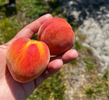
Why Tropic Beauty Peaches Are One of the Best Fruit Trees for Florida Homesteads
, by Andrew Norouzian, 6 min reading time
, by Andrew Norouzian, 6 min reading time
Why Tropic Beauty Peaches Are One of the Best Fruit Trees for Florida Homesteads
A productive homestead does not need acres of land to grow meaningful amounts of food. With the right fruit trees, even a backyard can provide fresh harvests, seasonal beauty, pollinator activity, and the satisfaction of growing food close to home. For many Florida gardeners, **Tropic Beauty peach trees** are one of the best places to start.
Tropic Beauty is a low-chill peach variety developed for warm climates. It gives Florida homesteaders the opportunity to grow sweet, juicy peaches without needing the long, cold winters required by many traditional peach varieties.
## What Makes Tropic Beauty Different?
Most peach trees need substantial winter chill before they can flower and fruit properly. That requirement makes many popular peach varieties unreliable in Florida.
Tropic Beauty is different because it has a relatively low chilling requirement—commonly listed at approximately 150 chilling hours. That makes it a practical choice for many areas of Central and North Florida, where winter temperatures may be cool enough for low-chill fruit varieties but not cold enough for standard peaches.
For a Florida homestead, that means less guessing and a better chance of enjoying a real peach harvest from your own yard.
## A Great Peach for Homesteads
Tropic Beauty peaches fit the goals of a productive homestead: they are beautiful, useful, manageable, and rewarding. In spring, the tree produces attractive pink blooms. In late spring or early summer, those flowers can develop into flavorful peaches ready for fresh eating, preserving, baking, or sharing.
Reasons homesteaders love Tropic Beauty peaches include:
- Low-chill requirements suited to warm-climate growing
- Early-season peach harvests
- Attractive pink spring blossoms
- Sweet fruit for fresh eating and kitchen use
- A manageable size for backyard orchards
- The ability to produce fruit without a second peach tree nearby
- A productive addition to edible landscapes
A Tropic Beauty peach tree can turn an ordinary lawn or garden edge into a seasonal source of food.
## Self-Fertile, but Better Planning Helps
Tropic Beauty peach trees are generally considered self-fertile, meaning a single tree can produce fruit without a separate pollinating variety. That makes them a practical option for smaller homesteads and suburban backyards where there may only be room for one or two fruit trees.
However, planting more than one compatible peach variety can still be beneficial where space allows. Multiple trees can extend the harvest window, add resilience to your home orchard, and provide more flowers for visiting pollinators.
If you are creating a larger backyard orchard, combine peaches with other fruiting plants that mature at different times of year. This helps turn one short harvest period into a more continuous homegrown-food season.
## Early Harvests Are a Major Benefit
One of the biggest advantages of Tropic Beauty is its early fruiting season. In many Florida locations, peaches may ripen in late spring or early summer—often before the hottest, wettest part of the year arrives.
That timing is valuable for homesteaders because it spreads food production across the calendar. Instead of waiting for summer vegetables alone, you can begin the warm season with baskets of fresh fruit.
Use homegrown Tropic Beauty peaches for:
- Fresh snacks and lunchbox fruit
- Cobbler, pie, crisp, and preserves
- Freezer slices for smoothies and baking
- Peach salsa, chutney, or jam
- Dehydrated fruit
- Sharing with family, neighbors, and friends
The best peaches are often the ones picked ripe from your own tree and eaten within minutes.
## Tropic Beauty Peach Tree Care
Peach trees reward consistent care. Tropic Beauty is well suited to warm-climate home orchards, but it still needs the right planting site, irrigation, nutrition, pruning, and pest monitoring.
Choose a location with full sun, ideally at least six to eight hours of direct sunlight per day. Good air circulation and well-drained soil are also essential, because peach trees do not perform well with constantly wet roots.
### Planting Tips
1. Plant your Tropic Beauty peach tree during the appropriate planting season for your location.
2. Choose a full-sun location with well-drained soil.
3. Dig a hole wider than the root ball, but avoid planting deeper than the original soil level.
4. Water thoroughly after planting and maintain consistent moisture while the tree establishes.
5. Apply mulch around the root zone, leaving space between mulch and the trunk.
6. Keep grass and weeds away from the base of the tree to reduce competition.
Young fruit trees need regular attention during their first year. Once established, a well-sited peach tree can become a reliable and productive part of the homestead.
## Pruning Is Part of the Harvest
Peaches are not a plant-it-and-forget-it fruit tree. Annual pruning is an important part of growing high-quality fruit and maintaining a manageable tree.
Many home growers use an open-center or “vase” shape. This structure allows sunlight and air to move through the canopy, which helps fruit ripen more evenly and makes the tree easier to harvest and care for.
Pruning can help:
- Keep the tree at a practical picking height
- Improve air circulation
- Reduce crowded or crossing branches
- Encourage strong fruiting wood
- Make spray, thinning, and harvesting easier
- Support better fruit quality
A properly pruned peach tree may look less dense, but it is often healthier and more productive.
## Thin Fruit for Bigger Peaches
Peach trees can set more fruit than their branches can properly support. When small peaches are packed tightly together, the final fruit may be smaller, branches can break under the weight, and the tree can become stressed.
Fruit thinning means removing some developing peaches so the remaining fruit has more room and resources to grow. It takes a little effort, but it is one of the most important steps for growing larger, higher-quality peaches at home.
For homesteaders, thinning is a tradeoff worth making: fewer peaches on the branch can mean better peaches in the basket.
## Important Florida Considerations
Tropic Beauty is a warm-climate peach, but success still depends on location and care. It is generally best suited to areas where winter chilling is adequate, especially North and Central Florida.
Before planting, consider:
- Your local winter chill levels
- Drainage and sunlight at the planting site
- Space for mature canopy spread
- Your willingness to prune yearly
- A plan for monitoring insects and disease
- Whether you want one fruit tree or a diverse backyard orchard
In the warmest parts of South Florida, low winter chill can still limit peach production. Choosing varieties specifically adapted to your local conditions is essential.
## Build a More Productive Homestead
Tropic Beauty peaches offer much more than a pretty spring bloom. They help turn a home landscape into a working, edible space—one that produces fresh fruit, supports pollinators, and creates seasonal traditions around planting, pruning, harvesting, and preserving.
For Florida homesteaders, a Tropic Beauty peach tree can be one of the most rewarding additions to a backyard orchard. With sun, drainage, consistent care, and annual pruning, it can provide a delicious harvest and a deeper connection to the food you grow at home.
Browse fruit trees and edible landscape plants at [Flowing Well Tree Farm](https://www.flowingwelltreefarm.com/collections/fruit-trees), or explore the full selection at [FlowingWellTreeFarm.com](https://www.flowingwelltreefarm.com/).
Sources

$130.00

$125.00

$130.00

$30.00

$40.00

$135.00

$30.00

$130.00

$30.00

$30.00

$10.00

$10.00

$30.00

$30.00

$25.00

$155.00

$190.00

$160.00

$10.00

$130.00

$190.00

$135.00

$25.00

$12.00

$130.00

$10.00

$10.00

$125.00

$130.00

$190.00


