
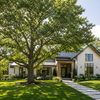
Why Pollinator Gardens Increase Property Value
, by Andrew Norouzian, 6 min reading time
, by Andrew Norouzian, 6 min reading time
Why Pollinator Gardens Increase Property Value
A thoughtfully designed pollinator garden can make a Florida property more attractive, more resilient, and more memorable. While a garden alone does not guarantee a specific resale-price increase, quality landscaping, mature plantings, and sophisticated design are consistently associated with higher perceived home value and stronger buyer appeal.[4][8]
The important distinction is design. A pollinator garden adds the most value when it looks intentional, maintained, and integrated into the property—not neglected or overgrown.[5]
## Better Curb Appeal
First impressions matter in real estate. A colorful planting filled with flowering natives, butterflies, bees, and birds can give a front yard or backyard a sense of character that a plain lawn often cannot match.
Landscape research from Virginia Tech found that landscape design sophistication and plant size were among the most influential factors affecting perceived home value. A well-planned pollinator garden uses layers of trees, shrubs, perennials, grasses, and flowering plants to create exactly that kind of visual depth.[8]
A pollinator garden can improve curb appeal by adding:
- Color across multiple seasons
- Texture from grasses, flowers, shrubs, and small trees
- A more established, mature appearance
- A distinctive feature that sets the property apart
- A welcoming landscape around entries, patios, and outdoor living areas
## Quality Landscaping Supports Value
The value of a pollinator garden is part of the larger value of good landscaping. Research cited by real-estate and extension sources has found that strong landscape design can produce a meaningful price advantage over minimal landscaping, with estimates commonly ranging from about 5.5 percent to 12.7 percent in perceived home value.[4][8]
That does not mean every native wildflower bed automatically adds a fixed percentage to a home’s sale price. Instead, landscaping adds value through better presentation, buyer emotion, perceived care, and improved usability of the outdoor space.[5][8]
For the strongest visual effect, place pollinator plantings where buyers and visitors can see and enjoy them:
- Near a front entry or mailbox
- Along a driveway or walkway
- Around patios and outdoor seating areas
- Beside pools or garden structures
- At the edge of a lawn or beneath small ornamental trees
- In a defined bed rather than scattered randomly through turf
## Lower-Maintenance Appeal
Florida-native and regionally adapted plants can require less supplemental water, fertilizer, and replacement than plants poorly suited to local conditions. This can make a landscape more attractive to buyers who want beauty without a demanding maintenance schedule.[3]
A properly designed pollinator garden may reduce the amount of lawn that needs frequent mowing, irrigation, and chemical treatment. Native plantings can also offer deep root systems that help reduce erosion and manage stormwater runoff.[1][3]
For many buyers, that creates a practical selling point: a landscape that is attractive, wildlife-friendly, and potentially less costly to maintain over time.
## Stormwater Benefits
In Florida, heavy rain is part of the landscape reality. Deep-rooted native grasses, perennials, shrubs, and trees can help slow runoff and encourage water to move into the soil instead of immediately flowing across the property.[9][1]
A pollinator garden can be especially useful in low spots, along drainage paths, beside downspouts, or near rain-garden areas—provided the plants are selected for the site’s moisture conditions. Wet-site species belong in wetter areas, while drought-tolerant species should be planted in well-drained beds.
This type of practical landscape planning can improve both the appearance and function of a property.
## Wildlife Creates Experience
Pollinator gardens create a living landscape. Butterflies, native bees, hummingbirds, beneficial insects, and songbirds bring movement and seasonal interest to the yard.
The USDA notes that pollinator habitat can beautify spaces, increase biodiversity, support pollination, and help provide biological control of pest insects. For homeowners, this turns an ordinary outdoor area into a place to enjoy—not merely a space to maintain.[7]
That experience can matter to buyers. A garden that feels active, peaceful, and connected to nature can make a property more memorable during a showing.
## Design Matters Most
A pollinator garden should look like a garden, not an abandoned corner of the yard. The highest-value designs have clear boundaries, intentional plant groupings, maintained edges, and plants chosen for the correct mature size.
Use these design principles:
- Create defined bed lines with edging, mulch, stone, or mown borders
- Group plants in drifts rather than scattering single plants randomly
- Use taller shrubs and small trees toward the back of beds
- Place shorter flowers and groundcovers near paths and viewing areas
- Include blooms for spring, summer, and fall
- Remove weeds and prune plants as needed
- Add a small sign identifying the planting as a pollinator garden, if appropriate
A well-maintained garden signals that the property has been cared for. That perception can be as valuable as the plants themselves.
## Florida Plant Ideas
A Florida pollinator garden should match the site’s sun, drainage, and growing region. Native and Florida-friendly plants help create a landscape that can handle local heat, rain, and seasonal changes.
Consider including a combination of:
- Native milkweed for monarch caterpillars
- Firebush for color and hummingbird activity
- Simpson’s stopper for flowers, berries, and evergreen structure
- Beautyberry for wildlife value and purple fall berries
- Blanketflower for sunny beds
- Coreopsis for bright seasonal color
- Muhly grass for texture and fall plumes
- Salvia for long-lasting pollinator-friendly blooms
- Native asters for later-season nectar
- Small flowering trees and shrubs for vertical structure
Use plants with different bloom times so the garden provides nectar and pollen across more of the year.
## Pollinator Gardens and Buyers
Today’s buyers increasingly look for outdoor areas that are both beautiful and useful. A pollinator garden can communicate that a property offers more than square footage—it offers a lifestyle centered on outdoor living, sustainability, and connection to nature.
Native landscapes are also appealing because they can be lower-maintenance, water-wise, and well adapted to local conditions. A professionally designed or well-maintained pollinator garden can become a memorable feature that differentiates a listing from neighboring properties with basic turf and foundation shrubs.[3][5]
## Add Value With Living Color
Pollinator gardens increase property appeal by combining beauty, function, and character. They can strengthen curb appeal, reduce lawn dependence, support wildlife, help manage stormwater, and create an outdoor space buyers remember.
The key is to plant with purpose. Choose Florida-friendly plants, use clear design lines, maintain the garden, and build layers of color and texture throughout the property.
Explore Florida-grown trees, shrubs, native plants, and flowering selections at [Flowing Well Tree Farm](https://www.flowingwelltreefarm.com/). A well-designed pollinator garden is not just good for butterflies and bees—it can make your landscape more valuable, enjoyable, and distinctive.
Sources
[1] Native Plants Increase Home Value | My Home Park https://www.myhomepark.com/blog/native-plants-increase-home-value
[2] Homeowners, has gardening ever affected your home's resale value? https://www.reddit.com/r/gardening/comments/m0vth5/homeowners_has_gardening_ever_affected_your_homes/
[3] 6 Surprising Effects of Landscaping on Property Values https://www.fbfs.com/learning-center/5-surprising-ways-landscaping-affects-your-home-value
[4] Does landscaping increase property value? https://www.parealtors.org/blog/does-landscaping-increase-property-value/
[5] Curb Appeal Reconsidered: Do Pollinator Gardens Add Value? https://www.jakebergeronrealestate.com/blog/curb-appeal-pollinator-gardens-pec.html
[6] Busting the "Property Values" Myth - Humane Gardener https://www.humanegardener.com/property-values-myth/
[7] The Importance of Pollinators - USDA https://www.usda.gov/about-usda/general-information/initiatives-and-highlighted-programs/peoples-garden/importance-pollinators
[8] The Effect of Landscape Plants on Perceived Home Value https://pubs.ext.vt.edu/426/426-087/426-087.html
[9] Pollinators, Policies and Property: A Guide to ... https://www.ndsu.edu/agriculture/extension/publications/pollinators-policies-and-property-guide-understanding-and-improving-local
[10] Biodiversity integration: the new value driver in real estate https://www.alveole.com/blog/biodiversity-integration-the-new-value-driver-in-real-estate

$130.00

$125.00

$130.00

$30.00

$40.00

$135.00

$30.00

$130.00

$30.00

$30.00

$10.00

$10.00

$30.00

$30.00

$25.00

$155.00

$190.00

$160.00

$10.00

$130.00

$190.00

$135.00

$25.00

$12.00

$130.00

$10.00

$10.00

$125.00

$130.00

$190.00


