
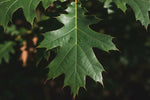
Rare Native Oaks in Florida Every Homeowner Should Know
, by Andrew Norouzian, 7 min reading time
, by Andrew Norouzian, 7 min reading time
Rare Native Oaks Every Florida Homeowner Should Know
Most Floridians can name the live oak. Far fewer know that Florida is home to more than a dozen native oak species, and some of them are uncommon, localized, or found nowhere else on earth.
These lesser-known oaks matter. They anchor unique habitats, feed wildlife, and can be excellent landscape trees when planted in the right spot. Here are several worth knowing, plus how to grow them responsibly.
Why Rare Native Oaks Matter
1. Florida Scrub Oak (Quercus inopina)
Florida scrub oak is endemic to Florida, meaning it grows naturally nowhere else. It's a compact, shrubby oak of the central peninsula's ancient sand scrub, typically staying well under 15 feet.
Why it's special: It's a key part of scrub habitat, which supports the Florida scrub-jay and other specialized wildlife. Best for: Habitat restoration and naturalistic plantings on deep, dry, well-drained sand. Keep in mind: It stays small and thicket-forming, so it isn't a shade tree.
2. Arkansas Oak (Quercus arkansana)
One of the rarest oaks in the state. In Florida, Arkansas oak is limited to a small part of the Panhandle, and it is considered rare enough to carry state protection. It's a small to mid-sized deciduous tree with distinctive wedge-shaped, sometimes shallowly lobed leaves.
Why it's special: It's a genuine conservation species with a very restricted range. Keep in mind: It is not a common landscape plant. Never collect it from the wild, and check current protection status with Florida agencies before buying or planting.
3. Bluff Oak (Quercus austrina)
Bluff oak is a native of north Florida's rich hardwood forests and bluffs, where it grows in a white-oak-style form with a rounded crown. It can become a substantial shade tree over time.
Why it's special: It's a handsome, long-lived tree that few homeowners have ever seen. Best for: Larger properties in north Florida with fertile, well-drained soil. Keep in mind: It is uncommon in nurseries, so availability can be limited.
4. Overcup Oak (Quercus lyrata)
Overcup oak is a floodplain specialist. Its acorns are almost completely enclosed by the cup, which is where the name comes from, and it tolerates wet feet better than most oaks.
Why it's special: It handles seasonal flooding and heavy, wet soils where many oaks decline. Best for: Low areas, pond edges, and floodplain-style plantings in north and central Florida, alongside choices like swamp chestnut oak. Keep in mind: It grows large and prefers moisture, so it is not a fit for dry sandy sites.
5. Chinkapin Oak (Quercus muehlenbergii)
Chinkapin oak has toothed, chestnut-like leaves and is often found on limestone-influenced, higher-pH soils in north Florida. It's a good-looking, medium-to-large deciduous tree with flaky gray bark.
Why it's special: Few oaks are as adapted to alkaline, limy soils. Best for: Sites with calcium-rich or neutral-to-alkaline soil where other oaks struggle. Keep in mind: It's uncommon in the trade and less suited to acidic, sandy soils.
6. Sand Post Oak (Quercus margarettiae)
A small, tough deciduous oak of Florida's sandhills, sand post oak has lobed leaves and a gnarled, rugged character. It grows on dry, sandy, nutrient-poor soils and stays much smaller than a live oak.
Why it's special: It's a signature tree of sandhill communities and a tough choice for poor soils. Best for: Dry, sandy natural-style landscapes and wildlife plantings. Keep in mind: It's slow-growing and modest in size, so it suits naturalistic settings more than formal ones.
7. Dwarf Live Oak (Quercus minima) and Running Oak (Quercus pumila)
These two are low-growing oaks that form colonies close to the ground, often just a few feet tall. Dwarf live oak has evergreen, live-oak-like leaves in miniature.
Why they're special: They are oaks you can use as groundcover, and they are true Florida natives of flatwoods and sandy pinelands. Best for: Native groundcover, restoration areas, and wildlife-friendly plantings. Keep in mind: They spread by underground stems, so give them room.
Quick Comparison
|
Oak |
Size |
Habitat |
Best landscape use |
|
Florida scrub oak |
Shrub (under ~15 ft) |
Dry scrub sand |
Habitat restoration |
|
Arkansas oak |
Small to medium tree |
Panhandle, rare |
Conservation only |
|
Bluff oak |
Large tree |
North FL bluffs, rich soils |
Large properties |
|
Overcup oak |
Large tree |
Floodplains, wet soils |
Wet or low areas |
|
Chinkapin oak |
Medium to large tree |
Limestone, alkaline soils |
Alkaline sites |
|
Sand post oak |
Small tree |
Sandhills |
Dry sandy natural areas |
|
Dwarf live oak / running oak |
Low shrub or groundcover |
Sandy flatwoods |
Groundcover, restoration |
Sizes and habitats are typical ranges and vary by site.
How to Grow Rare Native Oaks Responsibly
Frequently Asked Questions
What is the rarest oak in Florida? Arkansas oak is among the rarest, with a very limited range in the Panhandle. Florida scrub oak is also notable because it's endemic to the state.
Can I plant a rare native oak in my yard? Often yes, if it suits your soil and region and you buy nursery-grown stock. For state-protected species, confirm current rules first.
Is Florida scrub oak found anywhere else? No. It grows naturally only in Florida.
Which uncommon oak is best for wet soil? Overcup oak and swamp chestnut oak both tolerate moist and seasonally wet sites.
Which rare oak works best on sandy soil? Sand post oak, Florida scrub oak, and dwarf live oak are all adapted to dry sands.
Are these oaks good for wildlife? Yes. Like other native oaks, they support caterpillars, birds, and animals that feed on acorns.
Ask Us About Uncommon Native Oaks
Availability varies for these specialty species, so ask before you plan a planting. Contact Flowing Well Tree Farm to see which native oaks we have on hand and get recommendations for your soil, space, and goals.

$130.00

$125.00

$130.00

$30.00

$40.00

$135.00

$30.00

$130.00

$30.00

$30.00

$10.00

$10.00

$30.00

$30.00

$25.00

$155.00

$190.00

$160.00

$10.00

$130.00

$190.00

$135.00

$25.00

$12.00

$130.00

$10.00

$10.00

$125.00

$130.00

$190.00


