
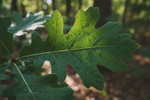
Oak Trees for Wet Soil in Florida | Flowing Well Tree Farm
, by Andrew Norouzian, 6 min reading time
, by Andrew Norouzian, 6 min reading time
Oak Trees That Thrive in Wet Soil
Every property seems to have a spot where water lingers: a low corner, a drainage swale, a pond bank, or a yard that stays soggy after summer storms. Many popular shade trees struggle in these conditions, but some native oaks are adapted to them.
Here are the best oaks for wet soil in Florida, how they differ, and how to plant them so they succeed.
First, Know What "Wet" Means on Your Site
Trees tolerate wetness differently, so it helps to identify your conditions:
A quick test: dig a hole about a foot deep, fill it with water, and see how long it takes to drain. If water is still sitting after a day or more, you have a poorly drained site.
Quick Comparison: Oaks for Wet Soil
|
Oak |
Wet tolerance |
Mature size |
Leaves |
Best for |
|
Overcup oak |
Very high |
60–80 ft |
Deciduous |
Floodplains, low areas |
|
Swamp chestnut oak |
High (moist soil) |
60–80 ft |
Deciduous |
Moist, fertile sites |
|
Swamp laurel oak |
High |
60–80 ft |
Semi-evergreen |
Fast shade in wet areas |
|
Willow oak |
Moderate to high |
60–80 ft |
Deciduous |
Streets, moist yards |
|
Water oak |
Moderate to high |
50–80 ft |
Semi-evergreen |
Existing trees, short-term shade |
Sizes and tolerances are typical and vary by site. Availability also varies, so ask us what we currently have.
1. Overcup Oak (Quercus lyrata)
A true floodplain specialist. The name comes from its acorns, which are nearly enclosed by the cup. Overcup oak handles seasonal flooding and heavy, wet soils better than most oaks, and it grows into a large, handsome tree.
Why choose it: One of the most wet-tolerant oaks you can plant. Keep in mind: It grows large and suits north and central Florida better than the far south. It can be harder to find in nurseries. See our guide to rare native oaks.
2. Swamp Chestnut Oak (Quercus michauxii)
A stately shade tree with large, wavy-toothed leaves and big acorns that wildlife love. It thrives in moist, fertile soil and tolerates periodic wetness, though it prefers reasonable drainage over long-term flooding.
Why choose it: Great looks, strong wildlife value, and a long life in moist conditions. Keep in mind: It isn't a standing-water tree. Read more in why we grow swamp chestnut oak.
3. Swamp Laurel Oak (Quercus laurifolia)
Also called diamondleaf oak, this native grows in moist bottomlands and swamp edges. Its leaves are smooth and narrow, and it's semi-evergreen in Florida, holding much of its foliage through winter.
Why choose it: Fast growth and good tolerance of wet sites. Keep in mind: Like other laurel oaks, it tends to be shorter-lived than live oak, and older trees can develop decay. It's a fit for quick shade, but it isn't a legacy tree.
4. Willow Oak (Quercus phellos)
A graceful oak with narrow, willow-like leaves. It's native to parts of north Florida and grows well in moist to wet soils, often used as a street and landscape tree in the Southeast.
Why choose it: Fine-textured foliage, good form, and adaptability to moist soils. Keep in mind: It performs best in north and central Florida, and it needs room to reach full size.
5. Water Oak (Quercus nigra)
As the name suggests, water oak grows naturally in moist bottomlands and tolerates wet soil. It grows quickly, which is why it's common across Florida.
Why choose it: Fast shade in a moist spot. Keep in mind: It is one of the shorter-lived native oaks and can develop weak wood. For a new planting, the longer-lived oaks above are usually a better investment. See our comparison of Florida native oaks.
What About Live Oak in Wet Areas?
Live oaks tolerate an occasional wet spell better than many people expect, but they generally don't do well in soils that stay saturated for long stretches. If your site drains reasonably but is sometimes damp, live oak can work. For chronically soggy ground, choose one of the wet-tolerant species above.
Tips for Planting Oaks in Wet Soil
Planting Near Ponds and Retention Areas
Plant above the normal waterline, on the bank or upper slope, not in the water itself. Retention ponds and stormwater areas are often subject to HOA, county, or water management district rules, so confirm what's allowed before you plant. For community projects, see native trees for HOA landscapes.
Frequently Asked Questions
What is the best oak tree for wet soil? Overcup oak and swamp chestnut oak are top choices, with overcup being especially tolerant of flooding.
Can oak trees grow in standing water? Generally no. Even wet-tolerant oaks prefer moist soil to prolonged standing water. For permanently flooded sites, bald cypress is a better option.
Will live oak grow in wet soil? It tolerates occasional wetness, but it doesn't like soil that stays saturated for long periods.
What oak is best near a retention pond? Swamp chestnut oak, overcup oak, and swamp laurel oak are good options planted on the bank above the waterline. Check local rules first.
Should I plant on a mound in wet soil? Often yes. Setting the root flare slightly above grade or planting on a low mound helps keep roots out of standing water.
Which oak provides the fastest shade in a wet area? Swamp laurel oak and water oak grow quickly, but they're shorter-lived than swamp chestnut or overcup oak.
Ask Us About Oaks for Your Wet Spot
The right oak turns a problem area into your best shade tree. Contact Flowing Well Tree Farm to ask about available native oaks and get recommendations for your soil and site.

$130.00

$125.00

$130.00

$30.00

$40.00

$135.00

$30.00

$130.00

$30.00

$30.00

$10.00

$10.00

$30.00

$30.00

$25.00

$155.00

$190.00

$160.00

$10.00

$130.00

$190.00

$135.00

$25.00

$12.00

$130.00

$10.00

$10.00

$125.00

$130.00

$190.00


