
Native Trees That Attract Songbirds in Florida | Flowing Well Tree Farm
, by Andrew Norouzian, 8 min reading time
, by Andrew Norouzian, 8 min reading time
Native Trees That Attract Songbirds in Florida
If you want to make your Florida landscape more inviting to birds, planting the right trees can make a significant difference. Native trees provide more than shade and beauty—they can offer berries, fruits, seeds, insects, nesting sites, and shelter that birds use throughout the year.
For homeowners, landscapers, and wildlife-friendly landscape designers, incorporating Florida native trees into a property can create a more natural habitat while adding attractive landscape plants.
At Flowing Well Tree Farm, we grow a selection of Florida native trees and plants that can help create bird-friendly landscapes.
Here are some native trees to consider if you want to attract songbirds to your Florida yard.
1. Dahoon Holly —
Ilex cassine
Dahoon Holly is an evergreen Florida native that can be an excellent addition to a bird-friendly landscape.
Female trees produce berries that can provide food for birds, while the dense evergreen foliage provides cover and shelter.
Dahoon Holly can also work well in residential landscapes because it generally has a more manageable form than many large native shade trees.
Bird-friendly benefits:
If berries are an important reason for planting a holly, remember that female plants are the ones that produce fruit, and pollination conditions can affect berry production.
2. Live Oak —
Quercus virginiana
Live Oak is one of the most valuable native trees for creating a mature wildlife landscape.
A large oak does much more than provide shade. Its branches, bark, foliage, and surrounding environment can support a complex community of insects and other organisms that become part of the food web.
Songbirds can benefit from the insects associated with mature oak trees, while the tree’s structure provides opportunities for shelter and nesting.
Bird-friendly benefits:
If you have enough space, a Live Oak can become a centerpiece of a wildlife-friendly Florida landscape.
3. American Beautyberry —
Callicarpa americana
While technically a shrub rather than a tree, American Beautyberry deserves a place in a discussion about bird-friendly native landscapes.
Its bright purple berries are one of its most recognizable characteristics.
Beautyberry can be incorporated beneath larger native trees to create multiple layers of habitat.
Bird-friendly benefits:
A landscape combining canopy trees with native shrubs such as Beautyberry can provide more habitat than a landscape consisting of trees alone.
4. Red Mulberry —
Morus rubra
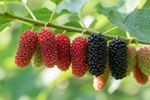
Native Mulberry can provide fruit that attracts birds and other wildlife.
The berries mature during the growing season and can become an important food source for wildlife.
Red Mulberry can become a medium-to-large tree, so provide adequate space for its mature size.
Bird-friendly benefits:
For homeowners interested in edible landscapes as well as wildlife habitat, native mulberry can serve both purposes.
5. Southern Magnolia —
Magnolia grandiflora
Southern Magnolia is best known for its large white flowers and glossy evergreen leaves, but it also contributes to wildlife habitat.
Its dense evergreen structure can provide shelter and cover, while flowers and the resulting seed structures add seasonal interest.
Large mature magnolias can become important structural elements in a wildlife-friendly landscape.
Bird-friendly benefits:
6. Sweetbay Magnolia —
Magnolia virginiana
Sweetbay Magnolia provides another native magnolia option for Florida landscapes.
Its evergreen to semi-evergreen foliage creates cover, while its flowers add ornamental value.
Sweetbay can work particularly well in areas with adequate moisture.
Bird-friendly benefits:
7. Winged Elm —
Ulmus alata
Winged Elm is another Florida native tree that can contribute to a bird-friendly landscape.
Like other native trees, its value isn’t limited to the fruit or seeds it produces. Trees provide habitat for insects, and insects are an important food resource for many birds.
Its branching structure can also provide shelter and potential nesting locations.
Bird-friendly benefits:
8. Red Maple —
Acer rubrum
Red Maple is a native Florida tree that provides habitat and seasonal interest.
Its foliage creates structure for birds, while the tree supports insects and other organisms that contribute to the local food web.
Red Maple can be particularly attractive in landscapes where seasonal foliage color is desired.
Bird-friendly benefits:
9. Shumard Oak —
Quercus shumardii
Shumard Oak is a large native oak that can become an important habitat tree as it matures.
Oaks are particularly valuable in wildlife landscapes because they support a wide variety of insects and produce acorns.
A mature oak can provide multiple habitat layers—from the canopy and branches to the trunk and ground beneath the tree.
Bird-friendly benefits:
10. Dahoon Holly and Other Native Hollies
Hollies are particularly useful when you want evergreen structure and wildlife value in the same plant.
Dahoon Holly can provide berries and dense cover, while other native or Florida-adapted hollies can contribute different forms and sizes to the landscape.
When designing a bird-friendly landscape, combining several species is often more useful than planting a single species repeatedly.
Why Native Trees Are Important for Songbirds
Birds need more than bird feeders.
A feeder can provide food, but a healthy landscape can provide many of the resources birds need throughout their life cycle.
A bird-friendly landscape can include:
Native plants can contribute to several of these needs simultaneously.
Birds Need Insects Too
One of the most important things to understand about bird-friendly landscaping is that birds don’t live on berries and seeds alone.
Many songbirds feed insects to their young.
Native trees support insects that have evolved alongside the plants. This creates a connection between native vegetation and the broader food web.
A landscape designed only around plants that look attractive to people may provide less wildlife value than a landscape that incorporates plants with ecological relationships to local insects and birds.
Create Layers Instead of Planting Only Trees
If attracting songbirds is your goal, don’t stop with a single shade tree.
Think vertically.
Canopy
Large trees such as Live Oak, Southern Magnolia, and Shumard Oak create the upper layer.
Small Trees
Smaller native trees can provide additional structure and food sources.
Shrubs
Plants such as American Beautyberry provide lower-level cover and berries.
Groundcover
Native groundcovers can provide additional habitat and help protect soil.
Water
A clean birdbath or other appropriate water source can make a landscape even more attractive to birds.
A layered landscape can provide more opportunities for wildlife than a lawn surrounded by isolated trees.
Plant a Variety of Native Species
One of the best strategies for creating a bird-friendly landscape is diversity.
Different plants produce food at different times of the year.
Some provide berries.
Others produce seeds.
Some support insects.
Others provide dense evergreen shelter.
By combining different species, you can create a landscape that offers resources across multiple seasons.
What Makes a Tree Bird-Friendly?
When selecting trees for your Florida property, consider more than flowers.
Ask:
Does it produce fruit, berries, seeds, or nuts?
Does it support insects?
Does it provide dense cover?
Can birds nest in its branches?
Will it become large enough to provide meaningful habitat?
Does it fit the soil and drainage conditions of the property?
These questions can help you choose plants based on wildlife function rather than appearance alone.
Building a Bird-Friendly Florida Landscape
You don’t need acres of property to support birds.
Even a residential yard can contribute to wildlife habitat when trees, shrubs, and other plants are selected thoughtfully.
A Live Oak can provide canopy habitat.
A Dahoon Holly can provide evergreen cover and berries.
American Beautyberry can provide lower-level food and shelter.
Together, these plants can create a much more useful habitat than a landscape made up of one species alone.
Native Trees and Plants from Flowing Well Tree Farm
At Flowing Well Tree Farm, we grow Florida native trees and plants for homeowners, landscapers, garden centers, and landscape professionals.
Our selection includes native oaks, magnolias, hollies, and other plants that can be incorporated into wildlife-friendly Florida landscapes.
Whether you’re planting a backyard for songbirds, designing a native landscape for a client, or developing a larger property, choosing the right plants can help create a landscape that is beautiful for people and useful for wildlife.
Plant native. Grow habitat. Bring more life to your Florida landscape.

$130.00

$125.00

$130.00

$30.00

$40.00

$135.00

$30.00

$130.00

$30.00

$30.00

$10.00

$10.00

$30.00

$30.00

$25.00

$155.00

$190.00

$160.00

$10.00

$130.00

$190.00

$135.00

$25.00

$12.00

$130.00

$10.00

$10.00

$125.00

$130.00

$190.00


