
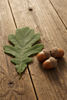
Differences Between Florida native oaks
, by Andrew Norouzian, 6 min reading time
, by Andrew Norouzian, 6 min reading time
Oaks are the backbone of Florida's landscape, but they are not interchangeable. A live oak can shade a property for centuries, while a water oak planted in the same spot may decline in a few decades. Knowing how Florida's native oaks differ helps you avoid costly mistakes and pick a tree that fits your site.
This guide compares the most common native oaks in Florida landscapes, from majestic shade trees to tough sandhill species.
Quick Comparison of Florida Native Oaks
|
Oak |
Mature size |
Leaves |
Lifespan |
Best for |
|
Live oak |
50–80 ft tall, very wide |
Evergreen* |
Centuries |
Legacy shade, large lots |
|
Sand live oak |
20–40 ft |
Evergreen* |
Long-lived |
Dry, sandy sites |
|
Laurel oak |
60–80 ft |
Semi-evergreen |
~50–70 yrs |
Fast shade (with caution) |
|
Water oak |
50–80 ft |
Semi-evergreen |
~30–50 yrs |
Short-term shade only |
|
Shumard oak |
60–80 ft |
Deciduous |
Long-lived |
Shade with fall color |
|
Swamp chestnut oak |
60–80 ft |
Deciduous |
Long-lived |
Moist, low-lying areas |
|
Turkey oak |
20–40 ft |
Deciduous |
Moderate |
Poor, dry sandhill soils |
*Live oaks drop old leaves in early spring as new growth emerges, so they look evergreen year-round. Sizes and lifespans are typical ranges and vary with site conditions.
Live Oak (Quercus virginiana)
The iconic Southern oak. Live oaks have a broad, spreading canopy, sturdy limbs, and leathery oval leaves with smooth edges. They are known for wind resistance and can live for hundreds of years.
Strengths: Exceptional longevity, strong storm performance, wildlife value, and unmatched character. Considerations: They need lots of space, both overhead and for roots. Plant well away from structures, pools, and pavement.
Sand Live Oak (Quercus geminata)
Often confused with live oak, sand live oak is smaller and more compact, with leaves that are typically narrower and often show a rolled edge and a rougher, ridged texture on top. It grows naturally in well-drained sandy soils and is very drought-tolerant.
Strengths: Handles poor, dry soils and suits smaller properties. Considerations: It won't reach the size or canopy of a true live oak.
Laurel Oak (Quercus laurifolia)
Laurel oak has smooth, narrow, lance-shaped leaves and grows quickly, which is why it was widely planted in Florida neighborhoods. But it tends to be shorter-lived than live oak, and older trees are more prone to decay and limb failure.
Strengths: Fast growth and quick shade. Considerations: Expect a shorter lifespan and plan for regular inspection as trees age.
Water Oak (Quercus nigra)
Water oak has distinctive spoon-shaped leaves that are wider near the tip. It also grows quickly but is one of the shorter-lived native oaks, with wood that can be brittle in storms.
Strengths: Rapid growth, adaptable to many soils. Considerations: Generally not the first choice for long-term landscape trees, especially near homes.
Shumard Oak (Quercus shumardii)
A deciduous oak with deeply lobed, pointed leaves that can turn red in fall, though color in Florida is more subtle than in northern states. It prefers well-drained soils and grows into a large, handsome shade tree.
Strengths: Long-lived, good structure, seasonal interest. Considerations: It performs best in northern and central Florida and prefers reasonably well-drained sites.
Swamp Chestnut Oak (Quercus michauxii)
Look for large leaves with rounded, wavy teeth, similar to a chestnut. It does well in moist, fertile soils and produces large acorns that wildlife enjoy.
Strengths: Great for low or seasonally wet areas, strong wildlife value. Considerations: Prefers richer, moister sites than sandhill oaks.
Turkey Oak (Quercus laevis)
Named for its three-pointed leaves shaped like a turkey's foot. This is a tough sandhill species that thrives where many trees struggle.
Strengths: Excellent in dry, sandy, low-nutrient soils. Considerations: Smaller, deciduous, and better suited to natural-style landscapes than formal ones.
How to Tell Florida Oaks Apart
Choosing the Right Oak for Your Property
Frequently Asked Questions
What is the best oak tree for Florida? For most large properties, live oak is the classic long-term choice because of its longevity and storm performance. Shumard oak is a good alternative where you want a deciduous tree.
What is the difference between live oak and laurel oak? Live oak has broad, leathery, oval leaves and a wide, spreading canopy, and it lives for centuries. Laurel oak has narrower, smooth leaves, grows faster, and is generally shorter-lived.
Are water oaks a good landscape tree? They provide quick shade, but they tend to be short-lived and can develop weak wood, so many landscapers prefer longer-lived oaks.
Which oak grows best in sandy soil? Sand live oak and turkey oak are naturally adapted to dry, sandy soils.
Is live oak the same as sand live oak? No. They are closely related and look similar, but sand live oak is smaller and better suited to dry sandy sites.
Find the Right Oak at Flowing Well Tree Farm
Choosing the right oak means matching the species to your soil, space, and goals. Contact Flowing Well Tree Farm to ask about available native oaks and get recommendations for your property

$130.00

$125.00

$130.00

$30.00

$40.00

$135.00

$30.00

$130.00

$30.00

$30.00

$10.00

$10.00

$30.00

$30.00

$25.00

$155.00

$190.00

$160.00

$10.00

$130.00

$190.00

$135.00

$25.00

$12.00

$130.00

$10.00

$10.00

$125.00

$130.00

$190.00


