
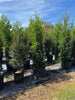
Cherry Laurel vs Viburnum: Best Privacy Screen?
, by Andrew Norouzian, 8 min reading time
, by Andrew Norouzian, 8 min reading time
Cherry Laurel vs. Viburnum: Which Privacy Screen Is Better for Florida?
SEO title: Cherry Laurel vs Viburnum: Best Privacy Screen? Meta description: Comparing cherry laurel and viburnum for privacy in Florida. See how growth, size, maintenance, native status, and problems stack up before you plant. URL slug: /cherry-laurel-vs-viburnum Focus keyword: cherry laurel vs viburnum Secondary keywords: Walter's viburnum, sweet viburnum privacy hedge, viburnum hedge Florida, Carolina laurel cherry, fast-growing privacy shrubs Florida, native privacy hedge
Cherry Laurel vs. Viburnum: Which Privacy Screen Is Better for Florida?
Cherry laurel and viburnum are two of the most popular fast-growing evergreen screens in Florida. Both fill in quickly, both have glossy green leaves, and both are sold as "instant privacy" plants. But they behave very differently once they're in the ground.
Here is how they compare, so you can pick the one that fits your site and maintenance goals.
First, Know Which Plants We're Comparing
"Viburnum" is a big group, so it helps to be specific. The two most common in Florida privacy hedges are:
"Cherry laurel" here means Carolina laurel cherry (Prunus caroliniana), a Southeastern native. It is not the same as English cherry laurel (Prunus laurocerasus). For a full profile, see our cherry laurel privacy screens guide.
Quick Comparison
|
Feature |
Carolina cherry laurel |
Walter's viburnum |
Sweet viburnum |
|
Native to Florida |
Yes |
Yes |
No (Asia) |
|
Mature size |
20-30+ ft tall, 15-20 ft wide |
10-30 ft tall, 8-15 ft wide |
10-20 ft tall, 8-12 ft wide |
|
Growth rate |
Fast |
Moderate to fast |
Fast |
|
Leaves |
Large, glossy, dark green |
Small, glossy |
Large, glossy, very dense |
|
Takes shearing well |
Poorly (leaves tear) |
Very well |
Well |
|
Flowers |
Fragrant white spikes, late winter to spring |
White clusters, late winter to spring |
Fragrant white clusters, spring |
|
Wildlife value |
High |
High |
Moderate |
|
Lifespan |
Shorter |
Moderate to long |
Moderate |
|
Common problems |
Leaf spot, scale, borers, seedlings |
Occasional leaf spot and scale |
Root rot, nematodes, mites, scale, sooty mold |
|
Toxicity |
Leaves, seeds, and pits toxic if eaten |
Fruit not for eating |
Fruit not for eating |
Sizes and traits are typical and vary by cultivar, site, and pruning. Confirm the specific plant you're buying.
Cherry Laurel: Strengths and Weaknesses
Strengths:
Weaknesses:
Viburnum: Strengths and Weaknesses
Strengths:
Weaknesses:
Head-to-Head: Which Wins?
Speed to privacy. Cherry laurel and sweet viburnum are both fast. Walter's viburnum is a little slower but still quick.
Native status. Cherry laurel and Walter's viburnum are natives. Sweet viburnum is not. If Florida-friendly landscaping matters to you or your HOA, favor the natives.
Shearing and formal hedges. Viburnum wins. It handles regular shearing far better than cherry laurel.
Height. Cherry laurel naturally grows taller, making it better for tall, informal screens. Viburnum is easier to keep at 8 to 15 feet.
Pest and disease resistance. Neither is problem-free. Cherry laurel is known for leaf spot and borers, and sweet viburnum for root and pest issues. Walter's viburnum tends to be the tougher of the three, but conditions matter.
Safety. Cherry laurel carries a bigger toxicity concern, especially around livestock, so keep it away from horse pastures.
Longevity. Cherry laurel is typically shorter-lived. Viburnum varies, but it's generally comparable or better.
Where Each Plant Works Best
Choose cherry laurel if:
Choose Walter's viburnum if:
Choose sweet viburnum if:
Consider neither if you want a longer-lived, lower-maintenance option. Eagleston holly holds a natural shape, needs little pruning, and offers strong wildlife value. See how it compares in Eagleston holly vs. podocarpus.
Spacing
Stay at least 4 to 5 feet from fences and walls so you have room for airflow and access. For the reasoning behind spacing, see how far apart to plant Eagleston holly.
Planting and Care Tips
Frequently Asked Questions
Is viburnum or cherry laurel better for privacy? It depends on your goals. Cherry laurel grows taller and faster as an informal screen, while viburnum takes shearing better and is easier to keep at a set height.
Which is native to Florida, cherry laurel or viburnum? Carolina cherry laurel and Walter's viburnum are both native. Sweet viburnum is not.
Which grows faster? Cherry laurel and sweet viburnum both grow fast. Walter's viburnum is moderate to fast.
Can I shear cherry laurel like viburnum? You can, but shearing tears the large leaves and leaves brown edges. Viburnum handles shearing much better.
Is cherry laurel poisonous? The leaves, seeds, and pits can be toxic if eaten, particularly when wilted, and are a special concern for livestock. Use caution around pets, children, and animals.
What's the biggest problem with sweet viburnum in Florida? Common issues include root rot in wet soils, nematodes in sandy soils, spider mites, scale, and sooty mold.
Which is longer-lived? Viburnum is generally comparable to or longer-lived than cherry laurel, which tends to have a shorter lifespan. Holly is typically longer-lived than both.
What is a good alternative to both? Eagleston holly is a strong option for a taller, lower-maintenance evergreen screen. Wax myrtle is another native option for fast growth.
Choose the Right Screen for Your Property
The best privacy plant fits your soil, timeline, and how much upkeep you want to take on. Contact Flowing Well Tree Farm to ask about available screening trees and get recommendations for your property.

$130.00

$125.00

$130.00

$30.00

$40.00

$135.00

$30.00

$130.00

$30.00

$30.00

$10.00

$10.00

$30.00

$30.00

$25.00

$155.00

$190.00

$160.00

$10.00

$130.00

$190.00

$135.00

$25.00

$12.00

$130.00

$10.00

$10.00

$125.00

$130.00

$190.00


