
Trees
-


American Hawthorn (Crataegus)
American Hawthorn (Crataegus spp.) — Locally Grown in Pierson, Florida at Flowing Well Tree FarmNative Fruiting Tree/Shrub • Wildlife Food & Cover Species • Spring Flowering Pollinator Plant • Florida-Grown Restoration Stock American Hawthorn (Crataegus spp.) is one of the most valuable yet underused native fruiting trees in North America. Known for its dense branching structure, springtime white flower clusters, and persistent red berry-like fruits (haws), this species provides exceptional wildlife value, seasonal beauty, and long-term structural integrity in native Florida landscapes. Naturally found along woodland edges, upland forests, and disturbed soils, Hawthorn is a highly adaptable native that thrives in a wide range of Florida conditions when properly established. At Flowing Well Tree Farm in Pierson, Florida, we grow select native Crataegus forms as restoration-grade material for hedgerows, wildlife corridors, and edible-native landscape systems. When you buy American Hawthorn here, you’re not getting weak ornamental nursery filler—you’re getting locally grown, Florida-adapted native stock conditioned for real-world conditions including sandy soils, heat, humidity, seasonal drought, and high wildlife pressure. That local adaptation is essential. Hawthorn is naturally hardy, but Florida-grown stock establishes faster, develops stronger branching structure, and transitions more reliably into flowering and fruiting maturity under southeastern conditions. Why Locally Grown Matters for Hawthorn Starting with Florida-grown stock provides key advantages: Faster establishment in sandy and variable soils Stronger branching structure for wildlife cover and hedging Improved tolerance to heat, humidity, and drought cycles Better flowering and fruiting consistency over time Increased resilience in unmanaged or restoration systems Higher survival rates in field conditions This produces a stronger, more functional native tree from the start. Flowering, Fruit & Seasonal Value American Hawthorn delivers multi-season ecological and ornamental value: Dense clusters of white spring flowers Important early nectar source for native pollinators Red berry-like fruits (haws) in late summer and fall Seasonal wildlife food for birds and small mammals Extended fruit persistence into winter in some conditions Strong ornamental structure across all seasons It is one of the most complete native wildlife trees in Florida ecosystems. Wildlife & Ecological Importance Hawthorn is a cornerstone species for habitat systems: Fruits consumed by songbirds, game birds, and mammals Dense thorny branching provides protective nesting cover Excellent wildlife shelter and escape habitat Supports pollinators during spring bloom period Critical structural species in hedgerows and corridors Enhances biodiversity in fragmented landscapes It functions as both food source and protective structure. Growth Habit & Landscape Value American Hawthorn is naturally dense and highly functional: 10–25 ft small tree or large multi-stem shrub Dense, often thorny branching habit Can be trained as specimen tree or left natural Excellent for living fences and hedgerows Strong structural presence in native landscapes Responds well to pruning and shaping if needed It provides both security and ecological value in one plant. Climate & Site Adaptability Hawthorn is highly adaptable across Florida environments: Native to eastern U.S. woodlands and edge habitats Performs well in full sun to partial shade Tolerates sandy, loamy, and clay soils Handles seasonal drought once established Adapted to heat and humidity Performs best in moderately drained soils It is a reliable, long-lived native structural species. USDA Growing Zones Best suited for Zones 5–9, with strong performance throughout Florida and the southeastern United States in diverse landscape systems. Light Requirements For best flowering and fruiting: Full sun preferred for maximum production Tolerates partial shade in woodland settings More sun increases bloom and fruit density Shade increases natural woodland form Soil & Site Requirements Adapted to a wide range of conditions: Performs in sandy, loamy, or mixed soils Prefers well-drained sites Tolerates periodic moisture variation Benefits from organic matter and mulch Avoid permanently waterlogged soils Planting Guidance (Grower Recommended) For best establishment: Plant in full sun or partial shade Dig hole 2–3× wider than root ball Set plant at original soil depth Water deeply after planting Apply mulch to stabilize moisture and soil temperature Space 10–15 ft apart for tree form development Space closer for hedgerow or screening systems We can assist with hedgerow design, wildlife corridor planning, and native property structuring. Watering & Establishment Water regularly during the first 1–2 growing seasons. Once established, American Hawthorn becomes highly resilient and can tolerate both drought and seasonal wet cycles typical of Florida climates. Fertilizer Low-input native tree: Minimal fertilizer required Compost improves growth and fruiting performance Avoid high nitrogen (reduces flowering and fruiting balance) Performs best in natural soil systems Pruning & Maintenance Moderate to low maintenance: Responds well to pruning and shaping Can be trained into tree or hedge form Benefits from occasional structural pruning Naturally dense even without intervention Thorny structure provides natural protection Why This Is a Smarter Long-Term Investment ✔ Locally grown in Florida for superior adaptation✔ High-value wildlife food and cover tree✔ Excellent hedgerow and living fence species✔ Strong spring pollinator support✔ Dense protective structure for habitat systems✔ Long-lived, resilient native tree✔ Performs well in restoration and natural landscapes✔ Grower-direct expertise for Florida conditions The Real Value This isn’t just a native tree—it’s a multifunctional habitat engine that provides food, shelter, structure, and seasonal beauty in one species. When you plant American Hawthorn, you’re building a living hedge of protection and productivity that supports wildlife year-round and strengthens native Florida ecosystems for decades.
$55.00
-


Teddy Bear Magnolia (Magnolia Grandiflora 'Southern Charm)
Teddy Bear Magnolia (Magnolia grandiflora ‘Southern Charm’) — Locally Grown in Pierson, Florida at Flowing Well Tree FarmCompact Evergreen Magnolia • Dense Screening & Accent Tree • Fragrant Summer Bloomer • Florida-Grown Landscape Specimen Teddy Bear Magnolia (Magnolia grandiflora ‘Southern Charm’), commonly referred to as “Teddy Bear,” is a compact, highly refined selection of Southern Magnolia known for its exceptionally dense branching, smaller stature, and thick, glossy evergreen foliage with rich brown undersides. It delivers the classic Magnolia elegance in a more manageable, landscape-friendly form designed for modern Florida properties. At Flowing Well Tree Farm in Pierson, Florida, we grow Teddy Bear Magnolia as premium specimen trees selected for strong central structure, tight canopy density, and long-term adaptability to Florida’s heat, humidity, sandy soils, and seasonal rainfall cycles. Each tree is trained to develop a balanced, compact form ideal for screening, accent planting, and architectural landscape design. When you buy Teddy Bear Magnolia here, you’re not receiving weak, greenhouse-softened ornamentals—you’re getting locally grown, Florida-acclimated trees conditioned for real-world landscape conditions including full sun exposure, summer heat stress, coastal wind, and variable soil moisture. That local adaptation is critical. Teddy Bear Magnolia performs best when grown in Florida conditions from the start, developing stronger canopy density, improved drought resilience, and more consistent flowering over time. Why Locally Grown Matters for Teddy Bear Magnolia Starting with Florida-grown stock provides key advantages: Faster establishment in sandy, well-drained soils Stronger branching structure for dense screening Improved heat and humidity tolerance Better drought resilience once established Reduced transplant shock in Florida landscapes More consistent evergreen canopy development This creates a more reliable, high-performance landscape specimen. Evergreen Structure & Landscape Value Teddy Bear Magnolia is prized for its compact architectural form: Dense, upright evergreen canopy Smaller mature size than traditional Southern Magnolia Thick, leathery glossy green leaves with brown undersides Excellent for privacy screens and property borders Strong structural presence in residential landscapes Year-round visual density and form It delivers Magnolia elegance without overwhelming space. Flowering & Seasonal Interest Despite its compact size, it retains classic Magnolia beauty: Large, creamy white, fragrant summer flowers Long flowering period in warm climates Strong citrus-like fragrance attracting pollinators High ornamental value during bloom season Attractive contrast against dense evergreen foliage It is one of the most iconic flowering evergreens in the Southeast. Wildlife & Ecological Importance Teddy Bear Magnolia supports multiple ecological functions: Flowers attract bees and native pollinators Seeds provide seasonal food for birds Dense canopy offers nesting and shelter habitat Provides year-round shade and cover Enhances biodiversity in urban and suburban landscapes It functions as both ornamental and habitat-supporting tree. Growth Habit & Landscape Function This selection is designed for controlled landscape use: 10–20 ft compact evergreen tree (smaller than standard magnolias) Dense, upright to rounded canopy form Naturally tight branching structure Excellent for hedging, screening, or specimen use Responds well to light shaping if needed Ideal for smaller residential properties It provides Magnolia presence in a space-efficient form. Climate & Site Adaptability Teddy Bear Magnolia performs strongly in Florida conditions: Thrives in full sun to partial shade Highly heat and humidity tolerant Performs well in sandy and loamy soils Moderate drought tolerance once established Adapts to coastal and inland landscapes Handles urban heat and reflected light conditions It is one of the most reliable evergreen magnolias for Florida landscapes. USDA Growing Zones Best suited for Zones 7–9, with excellent performance throughout Florida and the southeastern United States. Light Requirements For best structure and flowering: Full sun produces strongest canopy density Partial shade acceptable in hotter inland sites Sun exposure improves bloom production Balanced light produces best overall form Soil & Site Requirements Adapted to common Florida soils: Prefers well-drained sandy or loamy soils Performs best with moderate organic matter Tolerates seasonal moisture variation Avoid permanently saturated conditions Benefits from mulch during establishment phase Planting Guidance (Grower Recommended) For best long-term performance: Plant in full sun or partial shade Dig hole 2–3× wider than root ball Set at original soil depth Water deeply after planting Apply mulch to retain moisture and reduce stress Space 10–15 ft apart for screening or specimen planting Stake if needed during early establishment We can assist with formal landscape design, privacy screening layouts, and specimen tree placement. Watering & Establishment Water regularly during the first 1–2 growing seasons. Once established, Teddy Bear Magnolia becomes moderately drought tolerant and performs well under Florida rainfall patterns. Fertilizer Moderate feeding needs: Light balanced fertilizer supports growth and bloom production Compost improves soil structure and vigor Avoid excessive nitrogen (reduces flowering quality) Performs best in steady, low-input systems Pruning & Maintenance Low to moderate maintenance: Minimal pruning required to maintain natural form Can be shaped into formal or informal structure Responds well to light pruning for density Naturally compact growth habit reduces maintenance needs Long-lived with stable structure Why This Is a Smarter Long-Term Investment ✔ Locally grown in Florida for superior adaptation✔ Compact Southern Magnolia ideal for modern landscapes✔ High-impact evergreen screening and structure✔ Fragrant, iconic summer flowering tree✔ Excellent heat and humidity tolerance✔ Strong year-round visual density✔ Low-maintenance landscape performance✔ Grower-direct quality for Florida conditions The Real Value This isn’t just a Magnolia—it’s a compact evergreen statement tree that brings classic Southern beauty into a space-efficient form. When you plant Teddy Bear Magnolia, you’re investing in a long-lived structural evergreen that delivers fragrance, privacy, and year-round elegance while thriving in Florida’s demanding climate.
$150.00
-
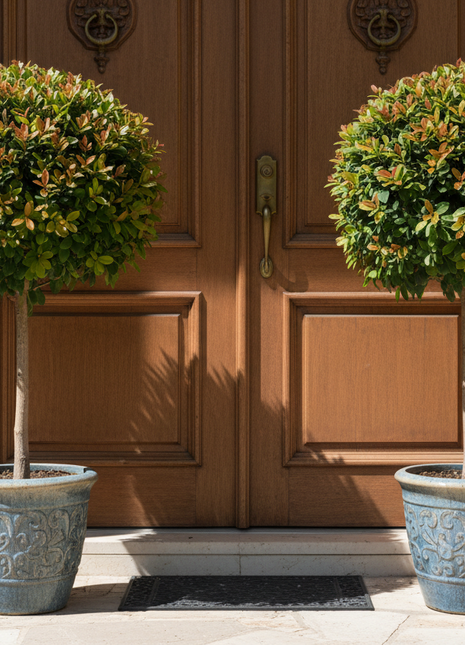

Simpson Stopper (Myrcianthes Fragrans)
Simpson Stopper (Myrcianthes fragrans) — Locally Grown in Pierson, Florida at Flowing Well Tree FarmNative Evergreen Privacy Shrub • Wildlife-Friendly Hedge Plant • Drought-Tolerant Florida Landscape Favorite • Florida-Grown Screening, Foundation & Habitat Species Simpson Stopper (Myrcianthes fragrans) is one of Florida’s most versatile and attractive native evergreen shrubs and small trees. Known for its dense foliage, fragrant white flowers, colorful edible berries, and beautiful exfoliating bark, this species provides year-round beauty while supporting pollinators and wildlife throughout the landscape. At Flowing Well Tree Farm in Pierson, Florida, we grow Simpson Stopper as premium native evergreen stock selected for dense branching, strong root development, and reliable performance in Florida’s heat, humidity, sandy soils, and coastal environments. Each plant is field-grown under real Florida conditions to ensure long-term durability, resilience, and landscape success. When you buy Simpson Stopper here, you are not receiving generic nursery stock—you are getting Florida-adapted native plants developed to thrive in the same conditions where they will ultimately be planted. That local adaptation matters. Myrcianthes fragrans develops stronger root systems, improved drought tolerance, and denser foliage when grown under Florida conditions from the beginning. Why Locally Grown Matters for Simpson Stopper Starting with Florida-grown stock provides key advantages: Stronger establishment in Florida’s sandy soilsImproved heat and humidity toleranceBetter drought resistance once establishedEnhanced survival rates in coastal and inland landscapesDenser foliage for screening and privacy applicationsMore reliable flowering and fruit production This creates a durable evergreen shrub capable of thriving with minimal maintenance. Evergreen Structure & Landscape Value Simpson Stopper is one of Florida’s most adaptable native landscape plants: 10–20 ft mature height depending on pruning and site conditionsDense evergreen foliage for year-round screeningNaturally attractive branching structureBeautiful smooth bark that peels to reveal orange, tan, and gray tonesExcellent hedge, privacy screen, or specimen plantWorks equally well in formal and naturalized landscapes It provides four-season beauty and landscape structure. Flowering & Seasonal Interest Simpson Stopper offers multiple seasons of ornamental appeal: Fragrant white flowers appear throughout spring and summerFlowers attract bees, butterflies, and beneficial pollinatorsBright orange-red berries follow flowering periodsEdible fruit is enjoyed by birds and wildlifeGlossy green foliage remains attractive year-roundDecorative exfoliating bark provides winter interest Few native shrubs offer this much year-round landscape value. Wildlife & Ecological Importance Simpson Stopper is a valuable native habitat plant: Provides nectar for native pollinatorsSupports butterflies, bees, and beneficial insectsProduces berries highly favored by songbirds and wildlifeOffers nesting cover and shelter through dense branchingEnhances biodiversity in residential and restoration landscapesFunctions as an important native food source throughout the year It is one of Florida’s best native shrubs for wildlife gardens. Growth Habit & Structural Function Simpson Stopper is a highly versatile evergreen species: 10–20+ ft mature height depending on pruning practicesNaturally dense and compact growth habitCan be maintained as a hedge or grown as a small treeModerate growth rate with strong long-term stabilityResponds exceptionally well to pruning and shapingExcellent for privacy screening and property borders It functions as both an ornamental specimen and a practical landscape solution. Climate & Site Adaptability Simpson Stopper thrives in Florida’s challenging environments: Native to Florida, the Caribbean, and coastal regions of the SoutheastExcellent heat and humidity toleranceHighly drought tolerant once establishedPerforms well in coastal environments and salt exposureAdaptable to sandy, rocky, and well-drained soilsStrong resilience during Florida storm seasons It is one of the most adaptable native evergreen shrubs available. USDA Growing Zones Best suited for Zones 8–11, with exceptional performance throughout Florida and coastal regions of the southeastern United States. Light Requirements For best growth and density: Full sun to partial shadeFull sun encourages maximum flowering and berry productionPartial shade is tolerated with excellent foliage developmentIdeal for hedges, foundations, and natural screening applications Soil & Site Requirements Highly adaptable native species: Thrives in sandy, well-drained Florida soilsTolerates alkaline and limestone-based soilsPerforms well in coastal environmentsModerate tolerance to occasional wet periodsBenefits from mulch during establishment Planting Guidance (Grower Recommended) For best long-term performance: Plant in full sun to partial shadeDig hole 2–3× wider than root ballSet at original soil depthWater deeply after plantingApply mulch to conserve moisture and suppress weedsSpace 4–8 ft apart for hedges and screensAllow room for mature growth when used as a specimen plant We can assist with native hedge design, privacy screening layouts, and wildlife-focused landscape planning. Watering & Establishment Water regularly during the first growing season. Once established, Simpson Stopper becomes highly drought tolerant and performs exceptionally well under Florida’s seasonal rainfall patterns. Fertilizer Low input requirements: Minimal fertilization needed once establishedOrganic compost supports healthy root developmentAvoid excessive fertilization to maintain natural growth habitPerforms best in balanced native soil conditions Pruning & Maintenance Very low maintenance: Excellent response to pruning and shapingCan be maintained as a formal hedge or natural screenMinimal pest and disease concernsNaturally dense growth reduces maintenance needsLong-lived and dependable in Florida landscapes Why This Is a Smarter Long-Term Investment ✔ Locally grown in Florida for maximum adaptation✔ Excellent native privacy hedge and screening plant✔ Year-round evergreen beauty and structure✔ Fragrant flowers and colorful wildlife-friendly berries✔ Highly drought tolerant once established✔ Performs well in coastal and inland landscapes✔ Supports pollinators, birds, and beneficial wildlife✔ Grower-direct quality for Florida conditions The Real Value This isn’t just a hedge plant—it’s a complete native landscape solution that provides privacy, wildlife habitat, seasonal beauty, and long-term resilience. When you plant Simpson Stopper, you’re investing in one of Florida’s most versatile native evergreens—a plant that creates structure, supports biodiversity, and delivers year-round performance while thriving in the demanding conditions of the Florida landscape.
$9.00 - $100.00
-


Native Juniper Brodie ( Juniperus Virginiana Brodie)
Native Juniper ‘Brodie’ (Juniperus virginiana ‘Brodie’) — Locally Grown in Pierson, Florida at Flowing Well Tree Farm Native Evergreen Conifer • Columnar Privacy Tree • Windbreak & Screen Species • Florida-Grown Landscape Stock Native Juniper ‘Brodie’ (Juniperus virginiana ‘Brodie’) is a selected form of Eastern Red Cedar known for its strong columnar habit, dense evergreen foliage, and exceptional performance as a privacy screen, windbreak, or vertical accent in the landscape. This durable native conifer is widely used in residential plantings, farm windbreaks, wildlife habitat systems, and large-scale native landscape designs throughout the Southeast. When you buy Native Juniper ‘Brodie’ here, you're not getting weak, over-irrigated ornamental stock—you’re getting locally grown, Florida-adapted plants produced in Pierson and conditioned to handle Florida’s heat, humidity, sandy soils, wind exposure, and seasonal drought conditions. That matters for long-term success. Locally grown junipers establish stronger root systems, adapt more quickly after planting, and are significantly more resilient in real-world landscape environments compared to out-of-region nursery stock. This is direct-from-grower native evergreen material. Visit the farm, see how our conifers are grown, and receive practical guidance on spacing, screening design, windbreak planning, and long-term landscape structure. Juniper ‘Brodie’ is especially valued because it delivers year-round privacy, strong vertical structure, and outstanding toughness in difficult growing conditions. Why Locally Grown Matters for Juniper Trees Starting with Florida-grown stock provides important advantages: Better adaptation to Florida heat and humidity Stronger root establishment before planting Improved drought and wind tolerance after planting Faster acclimation to sandy soils Greater resilience in exposed sites Better long-term survival in native landscapes It creates a stronger foundation for permanent evergreen structure. Privacy & Screening Value Juniper ‘Brodie’ is one of the most reliable native screening evergreens: Dense, upright columnar growth habit Excellent year-round privacy coverage Ideal for property borders and fence lines Strong vertical accent in landscape design Effective wind and visual barrier It is widely used where fast, dependable evergreen screening is needed. Wildlife & Ecological Importance This native conifer supports ecosystem function: Produces berries consumed by birds Provides nesting and cover habitat Supports native wildlife corridors Enhances structural diversity in landscapes Contributes to long-term ecological stability It is a key shelter species in native habitat systems. Climate & Site Adaptability Juniper ‘Brodie’ is extremely hardy in Florida conditions: Native to a wide range of upland environments Highly drought tolerant once established Performs well in sandy and rocky soils Tolerates heat, humidity, and wind exposure Excellent for low-maintenance landscapes Performs well in coastal-influenced conditions It is one of the most dependable evergreen conifers for tough sites. USDA Growing Zones Best suited for Zones 3–9, performing strongly throughout Florida and much of the eastern and central United States. Mature Size & Growth Habit A tall, narrow evergreen: 15–30 ft mature height 3–6 ft spread Upright, columnar form Dense, vertical branching structure Long-lived evergreen presence Ideal for tight spaces requiring vertical screening. Light Requirements For best performance: Full sun preferred Minimum 6 hours of direct sunlight daily Reduced density in heavy shade Soil & Site Requirements Highly adaptable native conifer: Prefers well-drained soils Tolerates sandy, loamy, and rocky conditions Performs well in low fertility sites Avoid consistently wet or poorly drained soils Excellent drought tolerance once established Planting Guidance (Grower Recommended) For best establishment: Plant in full sun for strongest density Space appropriately for screening or privacy rows Dig hole 2–3× wider than root ball Plant at original soil depth Water thoroughly after planting Apply mulch while keeping away from trunk base Maintain regular watering during establishment period We can assist with privacy screen design, windbreak planning, and row spacing layouts. Watering & Establishment Water regularly during the first growing season. Once established, Juniper ‘Brodie’ becomes highly drought tolerant and requires minimal supplemental irrigation. Fertilizer Low fertilizer requirements: Light balanced fertilizer during establishment if needed Avoid excessive fertilization Performs well in natural soils Minimal feeding once established Pruning & Maintenance Very low maintenance: Minimal pruning required Can be lightly shaped if needed Naturally maintains columnar form Excellent long-term structure with little intervention Why This Is a Smarter Long-Term Investment ✔ Locally grown in Florida for superior adaptation ✔ Excellent native evergreen privacy screen ✔ Highly drought and wind tolerant ✔ Strong vertical structure for landscape design ✔ Wildlife-supporting native conifer ✔ Low-maintenance long-term performance ✔ Ideal for windbreaks and property borders ✔ Grower-direct expertise for installation success The Real Value This isn’t just an evergreen—it’s permanent structure for the landscape. You’re not simply planting junipers. You’re building living privacy walls, strengthening wind protection, supporting wildlife habitat, and establishing a durable native framework that defines and protects the landscape for decades.
$90.00 - $225.00
-


Willow Oak (Quercus Phellos)
Willow Oak (Quercus phellos) — Locally Grown in Pierson, Florida at Flowing Well Tree Farm Native Shade Tree • Fast-Growing Oak Species • Wetland-Adapted Hardwood • Florida-Grown Restoration Stock Willow Oak (Quercus phellos) is one of the most widely planted native oak species in the southeastern United States, valued for its fast growth, strong central leader, and ability to thrive in both upland and seasonally moist soils. Recognized by its narrow, willow-like leaves and clean canopy structure, Willow Oak is commonly used in large shade plantings, urban forestry, restoration projects, and long-term landscape canopy systems throughout Florida. When you buy Willow Oak here, you're not getting weak, container-stressed nursery stock—you’re getting locally grown, Florida-adapted trees produced in Pierson and conditioned for real Florida growing conditions including heat, humidity, sandy soils, seasonal flooding, and drought cycles. That matters for long-term success. Locally grown Willow Oak develops stronger root systems, establishes faster after planting, and performs more reliably in Florida’s variable soil and moisture conditions compared to non-local stock. This is direct-from-grower native hardwood stock. Visit the farm, see how our canopy trees are grown, and receive practical guidance on spacing, long-term shade planning, and restoration design. Willow Oak is especially valuable because it delivers fast shade development while maintaining the strength and longevity expected of a native oak species. Why Locally Grown Matters for Willow Oak Starting with Florida-grown stock provides key advantages: Better adaptation to Florida heat and humidity Stronger root system development in sandy soils Improved tolerance to seasonal flooding and drought stress Faster establishment in field conditions Greater long-term survival in restoration sites Better canopy development under real landscape stress It creates a stronger foundation for long-lived shade canopy systems. Shade & Canopy Value Willow Oak is a premier native shade tree: Fast-growing oak species for canopy development Strong central trunk with upright structure Dense shade production in mature form Ideal for parks, large landscapes, and open properties Excellent long-term cooling and shade benefits It is widely used in large-scale planting and urban forestry systems. Wildlife & Ecological Importance Willow Oak supports diverse native ecosystems: Acorns provide food for deer, squirrels, and birds Supports native insect populations and pollinators Provides nesting and shelter habitat Enhances biodiversity in hardwood systems Important long-term mast-producing oak species It is a foundational tree in southeastern forest ecosystems. Climate & Site Adaptability Willow Oak is highly adaptable across Florida landscapes: Native to bottomlands and upland forests Tolerates sandy, loamy, and clay soils Performs well in seasonally wet conditions Handles periodic flooding and drought cycles Highly heat and humidity tolerant Adapts well to urban and rural environments It is one of the most versatile native oaks for Florida conditions. USDA Growing Zones Best suited for Zones 5–9, performing strongly throughout Florida and the southeastern United States. Mature Size & Growth Habit A large native shade tree: 60–80 ft mature height 40–60 ft spread Upright oval to rounded canopy form Strong central trunk development Long-lived hardwood canopy species It becomes a dominant landscape shade tree over time. Light Requirements For best canopy development: Full sun required Minimum 6–8 hours of direct sunlight daily Reduced vigor in shaded environments Soil & Site Requirements Highly adaptable native oak: Prefers moist, well-drained soils Tolerates sandy, loamy, and clay soils Performs well in seasonal wet areas Handles drought once established Avoid extremely compacted or permanently flooded sites Planting Guidance (Grower Recommended) For best establishment: Plant in full sun open landscape areas Space appropriately for mature canopy spread Dig hole 2–3× wider than root ball Plant at original soil depth Water thoroughly after planting Apply mulch while keeping away from trunk base Maintain consistent watering during establishment period We can assist with canopy spacing, shade planning, and long-term landscape design. Watering & Establishment Water regularly during the first 1–2 growing seasons. Once established, Willow Oak becomes highly resilient and thrives on natural rainfall in most Florida conditions. Fertilizer Low to moderate requirements: Light balanced fertilizer during establishment if needed Organic compost improves early growth Avoid excessive nitrogen applications Performs best in natural soil systems Pruning & Maintenance Low maintenance once established: Prune early for structure and clearance Remove weak or crossing branches as needed Naturally forms strong central canopy Minimal long-term maintenance required Why This Is a Smarter Long-Term Investment ✔ Locally grown in Florida for superior field adaptation ✔ Fast-growing native oak shade tree ✔ Excellent long-term canopy development ✔ High wildlife and ecological value species ✔ Strong performance in wet and dry soil cycles ✔ Ideal for restoration and large landscape planting ✔ Long-lived hardwood investment tree ✔ Grower-direct guidance for canopy planning The Real Value This isn’t just a shade tree—it’s long-term landscape infrastructure. You’re not simply planting Willow Oak. You’re building a future canopy, supporting wildlife habitat, improving land resilience, and investing in a native oak that will define the structure, shade, and ecological strength of the landscape for generations.
$115.00 - $190.00
-


Drake Elm (Ulmus Parvifolia)
Drake Elm (Ulmus parvifolia ‘Drake’) — Locally Grown in Pierson, Florida at Flowing Well Tree FarmFast-Growing Shade Tree • Heat & Urban Tolerant Canopy Tree • Semi-Evergreen Landscape Specimen • Florida-Grown Structural Street & Yard Tree Drake Elm (Ulmus parvifolia ‘Drake’), commonly known as Chinese Elm ‘Drake’, is one of the most reliable and adaptable shade trees for Florida landscapes. Known for its fast growth rate, refined branching structure, small glossy leaves, and exceptional tolerance to heat and urban stress, this tree has become a top-performing structural canopy species across the southeastern United States. At Flowing Well Tree Farm in Pierson, Florida, we grow Drake Elm as premium shade tree stock selected for strong central leaders, balanced canopy formation, and long-term performance in Florida’s demanding climate. Each tree is conditioned from an early stage in real field conditions including sandy soils, high humidity, summer heat, seasonal drought cycles, and heavy rainfall periods. When you buy Drake Elm here, you’re not receiving weak, greenhouse-softened ornamental stock—you’re getting locally grown, Florida-hardened trees built for real-world landscape performance. That local adaptation is critical. Drake Elm performs at its highest level when grown in Florida conditions from the start, developing stronger trunk structure, denser canopy formation, and improved long-term drought and wind resilience. Why Locally Grown Matters for Drake Elm Starting with Florida-grown stock provides key advantages: Faster establishment in sandy, well-drained soils Stronger trunk and branch structure development Improved heat and humidity tolerance Better drought resilience once established Higher wind tolerance in mature landscapes Reduced transplant shock in Florida conditions This creates a more durable, long-lasting shade tree. Canopy Structure & Landscape Value Drake Elm is valued for its fast-developing shade canopy: 40–60 ft mature shade tree depending on conditions Broad, rounded canopy with refined branching Small, glossy green leaves that create filtered shade Semi-evergreen in mild Florida winters Excellent for residential and commercial shade use Strong structural form for long-term landscape planning It is one of the most dependable fast-growing shade trees available. Growth Rate & Performance Drake Elm is known for rapid establishment: Fast growth rate in warm climates Quick canopy formation for shade coverage Strong recovery after pruning and shaping Adaptable to a wide range of site conditions Performs well in both urban and rural environments Reliable long-term structural tree It is ideal for projects needing fast shade development. Wildlife & Ecological Importance Drake Elm provides functional ecosystem benefits: Seeds support birds and small wildlife Dense canopy provides nesting and shelter habitat Offers shade and cooling microclimates Supports urban biodiversity in developed landscapes Enhances ecological structure in mixed plantings It functions as both a shade tree and habitat-supporting species. Climate & Site Adaptability Drake Elm performs exceptionally well in Florida conditions: Thrives in full sun environments Highly heat and humidity tolerant Excellent urban stress tolerance Performs well in sandy, clay, and loamy soils Moderate drought tolerance once established Handles coastal and inland conditions well It is one of the most adaptable shade trees for Southern climates. USDA Growing Zones Best suited for Zones 7–10, with strong performance across Florida and the southeastern United States. Light Requirements For best canopy development: Full sun produces strongest structure and shade density Tolerates partial shade but grows more open Sun exposure improves growth rate and canopy form Ideal for open landscape plantings Soil & Site Requirements Highly adaptable to Florida soils: Performs in sandy, loamy, or clay soils Tolerates low fertility conditions Adapts well to urban compacted soils Prefers well-drained sites Benefits from mulch during establishment phase Planting Guidance (Grower Recommended) For best long-term performance: Plant in full sun for maximum canopy development Dig hole 2–3× wider than root ball Set at original soil depth Water deeply after planting Apply mulch to retain moisture and reduce stress Space 25–40 ft apart for full canopy development Stake young trees if needed for early structure We can assist with shade planning, street tree design, and property canopy layout. Watering & Establishment Water regularly during the first 1–2 growing seasons. Once established, Drake Elm becomes highly drought tolerant and performs reliably in Florida rainfall cycles. Fertilizer Low to moderate feeding requirements: Light balanced fertilizer supports canopy growth Compost improves soil health and vigor Avoid excessive nitrogen (can create weak growth) Performs best in balanced, low-input systems Pruning & Maintenance Moderate maintenance tree: Responds very well to structural pruning Can be trained for single trunk or formal canopy form Pruning improves branch strength and shape Minimal maintenance once established Strong natural form reduces long-term upkeep Why This Is a Smarter Long-Term Investment ✔ Locally grown in Florida for superior adaptation✔ Fast-growing, high-performance shade tree✔ Excellent urban and suburban landscape tree✔ Strong heat, drought, and wind tolerance✔ Rapid canopy formation for immediate shade value✔ Long-lived structural landscape species✔ Highly adaptable to diverse soil conditions✔ Grower-direct quality for Florida environments The Real Value This isn’t just a shade tree—it’s a fast-establishing canopy system that delivers structure, cooling shade, and long-term landscape stability. When you plant Drake Elm, you’re investing in a durable, high-performance tree that quickly transforms open ground into functional, shaded, livable space in Florida’s challenging climate.
$160.00
-

Swamp Chestnut Oak (Quercus Michauxii)
Why Locally Grown Matters for Swamp Chestnut Oak Starting with Florida-grown stock provides key advantages: Stronger establishment in wet, heavy, or sandy soilsDeep taproot development for long-term stabilityImproved flood and seasonal saturation toleranceHigher wind and storm resistance in mature treesBetter adaptation to Florida heat and humidity cyclesGreater survival rates in restoration and reforestation projects This creates a long-lived native oak capable of dominating floodplain and lowland systems. Canopy Structure & Landscape Value Swamp Chestnut Oak is a true legacy shade tree: 60–100 ft mature height in optimal conditionsMassive, broad, rounded canopy with ageThick, strong central trunk with high structural integrityLarge, glossy green leaves with chestnut-like appearanceGolden to brown fall color depending on season conditionsDeep, cooling shade ideal for large properties and open landscapes It is one of the most impressive native oaks in the southeastern United States. Ecological & Habitat Importance Swamp Chestnut Oak is a foundational wetland hardwood species: Dominant in bottomland hardwood forests and floodplainsProduces large acorns that support deer, turkey, and wildlifeProvides nesting and shelter habitat for birds and mammalsStabilizes soils in erosion-prone wetland systemsSupports long-term forest biodiversity and regeneration cyclesCritical component of Southeastern river and swamp ecosystems It is a keystone species in Florida’s natural hardwood systems. Growth Habit & Structural Function Swamp Chestnut Oak is a long-lived structural canopy tree: 60–100+ ft mature height depending on site conditionsStraight, dominant central trunk with strong vertical growthWide-spreading canopy with age for deep shade coverageExtremely long lifespan—often centuries in natural settingsHigh wood density and structural strengthExcellent wind resistance when fully established It functions as a permanent ecological anchor tree in large landscapes. Climate & Site Adaptability Swamp Chestnut Oak is highly adaptable to Florida conditions: Native to southeastern U.S. floodplain and bottomland forestsThrives in periodically flooded soils and wet environmentsPerforms well in sandy loam and rich organic soilsTolerates Florida heat, humidity, and storm exposureModerate drought tolerance once establishedExcellent long-term stability in variable site conditions It is one of the most reliable large native oaks for restoration planting. USDA Growing Zones Best suited for Zones 6–9, with strong performance throughout Florida and the southeastern United States. Light Requirements For best structure and canopy development: Full sun for optimal growth and crown expansionTolerates partial shade in early establishment stagesSun exposure improves trunk strength and long-term vigorBest suited for open landscapes, floodplains, and large properties Soil & Site Requirements Highly adaptable bottomland hardwood species: Thrives in wet, poorly drained, or seasonally flooded soilsPerforms well in sandy, loamy, and organic-rich soilsTolerates heavy clay and floodplain conditionsHandles low fertility environments once establishedBenefits from mulch and moisture stabilization during early growth Planting Guidance (Grower Recommended) For best long-term performance: Plant in full sun to open canopy areasDig hole 2–3× wider than root ballSet tree at original soil depthWater deeply after planting to remove air pocketsApply mulch to conserve moisture and regulate temperatureSpace 30–50 ft apart for full canopy developmentAllow room for mature crown expansion and root spread We can assist with large-scale oak planting design, wetland restoration layouts, and long-term canopy planning. Watering & Establishment Water consistently during the first 2–3 growing seasons. Once established, Swamp Chestnut Oak becomes highly self-sufficient and thrives in both wet and moderately dry cycles common in Florida landscapes. Fertilizer Low input requirements: Minimal fertilization needed once establishedCompost improves early soil developmentAvoid excessive nitrogen to prevent weak structural growthBest performance in natural soil systems Pruning & Maintenance Very low maintenance once established: Prune early for strong central leader formationRemove competing branches during young growth stagesNaturally develops strong structural frameworkMinimal long-term maintenance requiredExtremely durable once mature Why This Is a Smarter Long-Term Investment ✔ Locally grown in Florida for maximum adaptation✔ Massive native oak with long lifespan✔ Exceptional wetland and floodplain tolerance✔ High wildlife and ecological value✔ Strong structural wood and storm resilience✔ Excellent shade and canopy development✔ Ideal restoration and legacy planting species✔ Grower-direct Florida field-grown quality The Real Value This is not just a shade tree—it is a generational hardwood anchor that defines wetlands, stabilizes ecosystems, and builds permanent canopy structure. When you plant Swamp Chestnut Oak, you are investing in a legacy native tree that will outlive landscapes, support wildlife for centuries, and anchor Florida’s natural systems with strength, scale, and ecological permanence.
$30.00 - $115.00
-


Buttonbush (Cephalanthus Occidentalis)
Buttonbush (Cephalanthus occidentalis) — Locally Grown in Pierson, Florida at Flowing Well Tree FarmNative Wetland Flowering Shrub • Pollinator Powerhouse • Flood-Tolerant Wildlife Plant • Florida-Grown Restoration, Rain Garden & Pond Edge Species Buttonbush (Cephalanthus occidentalis) is one of the most valuable native flowering shrubs for pollinators, wetlands, and wildlife habitat in the southeastern United States. Known for its unique spherical white blooms, exceptional ecological benefits, and ability to thrive in standing water, this species is a cornerstone plant for restoration projects, rain gardens, pond edges, and naturalized Florida landscapes. At Flowing Well Tree Farm in Pierson, Florida, we grow Buttonbush as premium native wetland stock selected for vigorous growth, heavy flowering, and long-term performance in Florida’s heat, humidity, flooding cycles, and sandy soils. Each plant is field-grown under real-world conditions to ensure resilience in both managed landscapes and natural restoration environments. When you buy Buttonbush here, you are not receiving delicate nursery-grown ornamentals—you are getting Florida-adapted native shrubs built for ecological performance, pollinator support, and long-term landscape success. That local adaptation matters. Cephalanthus occidentalis performs best when grown in Florida conditions from the start, developing stronger root systems, improved flood tolerance, and more reliable flowering performance throughout the growing season. Why Locally Grown Matters for Buttonbush Starting with Florida-grown stock provides key advantages: Stronger establishment in wetland and moisture-rich soilsImproved tolerance to Florida heat and humidityBetter survival in standing water and flood-prone sitesMore vigorous flowering and pollinator attractionHigher success rates in restoration and mitigation projectsStronger root systems for long-term stability This creates a dependable native shrub capable of thriving in some of Florida’s most challenging environments. Flowering & Landscape Value Buttonbush is one of Florida’s most unique native flowering shrubs: 6–12 ft mature height depending on site conditionsDistinctive globe-shaped white flower clustersBlooms throughout late spring and summerSweetly fragrant flowers attract pollinators from long distancesGlossy green foliage provides attractive seasonal textureExcellent specimen plant for ponds, lakes, and rain gardens Its blooms are unlike almost any other native shrub in the landscape. Pollinator & Wildlife Importance Buttonbush is considered one of the premier native pollinator plants: Attracts butterflies, bees, moths, and beneficial insectsProvides nectar during critical summer flowering periodsSupports native pollinator populations and biodiversitySeeds provide food for ducks and other waterfowlDense branching offers cover for birds and wildlifeImportant habitat species in wetland ecosystems It is often considered one of the best wildlife shrubs available for Florida landscapes. Growth Habit & Structural Function Buttonbush is a versatile native wetland shrub: 6–12+ ft mature height depending on moisture and site conditionsRounded to naturally spreading growth habitModerate to fast growth rate when planted in moist soilsMulti-stemmed structure ideal for natural screeningExcellent for mass plantings and habitat corridorsAdaptable to both managed and naturalized landscapes It functions as both a flowering ornamental and an ecological workhorse. Climate & Site Adaptability Buttonbush thrives throughout Florida’s diverse environments: Native to wetlands, marshes, ponds, and floodplains across North AmericaExceptional tolerance to standing water and saturated soilsHandles seasonal flooding with easePerforms well in sandy soils when moisture is availableHighly heat and humidity tolerantAdaptable to rain gardens, retention ponds, and restoration sites Few native flowering shrubs are as adaptable to wet conditions. USDA Growing Zones Best suited for Zones 5–10, with exceptional performance throughout Florida and the southeastern United States. Light Requirements For best flowering performance: Full sun produces the heaviest bloom displayTolerates partial shade in wetland environmentsIncreased sunlight improves flowering density and growth rateIdeal for open pond edges and restoration sites Soil & Site Requirements Highly adaptable native wetland species: Thrives in wet, saturated, and poorly drained soilsPerforms exceptionally well along pond and lake marginsTolerates seasonal flooding and standing waterAdapts to sandy, loamy, and organic-rich soilsBenefits from mulch during establishment in drier sites Planting Guidance (Grower Recommended) For best long-term performance: Plant in full sun whenever possibleDig hole 2–3× wider than root ballSet at original soil depthWater deeply after plantingApply mulch to conserve moisture and regulate temperatureSpace 6–10 ft apart for mass plantings or screeningIdeal for rain gardens, wetlands, retention areas, and pond edges We can assist with wetland restoration planning, native pollinator gardens, mitigation projects, and wildlife habitat design. Watering & Establishment Water regularly during the first growing season. Once established, Buttonbush thrives in naturally moist environments and easily tolerates flooding, seasonal rainfall fluctuations, and standing water. Fertilizer Low input requirements: Minimal fertilization requiredOrganic compost can support establishmentAvoid excessive nitrogen applicationsPerforms best in natural soil ecosystems Pruning & Maintenance Very low maintenance: Responds well to rejuvenation pruning if desiredCan be maintained as a large shrub or natural thicketMinimal shaping required for healthy growthNaturally resistant to most landscape stressesLong-lived and dependable once established Why This Is a Smarter Long-Term Investment ✔ Locally grown in Florida for maximum adaptation✔ One of the best native pollinator shrubs available✔ Exceptional tolerance to flooding and wet soils✔ Unique spherical flowers with long bloom season✔ Outstanding wildlife habitat value✔ Ideal for ponds, rain gardens, and restoration projects✔ Low-maintenance native landscape solution✔ Grower-direct quality for Florida conditions The Real Value This isn’t just a flowering shrub—it’s a habitat-building native powerhouse that supports pollinators, strengthens wetland ecosystems, and adds unique beauty to the landscape. When you plant Buttonbush, you’re investing in one of Florida’s most ecologically valuable native species—a shrub that thrives in water, attracts wildlife throughout the growing season, and creates lasting environmental benefits for generations.
$21.00 - $90.00
-

Arbequina Olive Tree (Olea europaea 'Arbequina')
Arbequina Olive Tree (Olea europaea ‘Arbequina’) — Locally Grown in Pierson, Florida at Flowing Well Tree Farm Fast-Growing Edible Olive • Mediterranean Landscape Tree • Ornamental & Fruiting Value • Florida-Grown Premium Stock When you buy Arbequina Olive Trees here, you’re not getting fragile, greenhouse-raised ornamental stock—you’re getting locally grown, field-conditioned trees produced in Pierson, already adapted to Florida heat, humidity, sandy soils, seasonal rainfall, and real-world landscape conditions. That matters for edible landscape systems and commercial plantings. Locally grown Arbequina establishes faster, builds stronger root systems, and transitions more smoothly into Florida landscapes because it’s already been raised under the same environmental stress it will face after planting. This is direct-from-grower material. You can visit the farm, see how our olive trees are grown, and get real guidance on spacing, orchard layout, and landscape design from people producing them at scale for both ornamental and edible applications. Arbequina Olive is especially valuable because it delivers edible production, ornamental structure, and drought-tolerant performance in one of the most versatile Mediterranean trees available for warm climates. Why Locally Grown Matters for Olive Trees Starting with Florida-grown stock makes a noticeable difference: Faster establishment in sandy soilsStronger root development under heat and humidityImproved long-term drought toleranceMore reliable transition from container to landscapeBetter survival rates with lower maintenance inputs It’s a stronger foundation for edible landscapes and long-term plantings. Edible + Ornamental Value in One Tree Arbequina Olive is widely used because it does more than one job: Produces high-quality olives for oil and culinary useProvides a refined Mediterranean landscape lookWorks as a specimen or orchard-style plantingFits both residential and commercial design systemsPerforms well in modern low-water landscapes It’s both a production tree and a design feature. Mediterranean Look, Florida Performance One of its biggest advantages is its aesthetic: Silvery-green evergreen foliageClean, compact branching structureNaturally elegant, sculptural formFits resort, courtyard, and high-end landscape designMaintains year-round visual appeal It brings a Mediterranean character without high maintenance requirements. Edible Production Value Arbequina is one of the most widely planted olive varieties for a reason: Reliable fruit production in warm climatesHigh-quality olives for oil productionEarly bearing compared to many olive varietiesSuitable for small orchards or mixed landscapesStrong long-term productivity potential It is commonly used in both boutique agriculture and landscape food systems. Climate & Site Adaptability This is a tough, adaptable tree once established: Performs well in Florida heat and humidityTolerates sandy, well-drained soilsHandles seasonal drought once establishedBest in full sun conditionsNot suited for heavy, waterlogged soils It thrives in open, sunny landscapes where many ornamentals struggle. USDA Growing Zones Best suited for Zones 8–10, performing strongly across Florida and similar warm climates. Mature Size & Growth Habit Compact, manageable structure: 15–20 ft typical mature heightBroad, rounded Mediterranean canopyCan be maintained smaller with pruningSuitable for orchards, courtyards, and specimen planting Light Requirements Full sun is essential for best growth and fruiting: Full sun for best production and formReduced performance in heavy shade Soil & Site Requirements Highly adaptable within proper drainage: Prefers well-drained sandy or loamy soilsTolerates low fertility conditionsRequires good drainage for long-term healthPerforms well in landscape and orchard settings Planting Guidance (Grower Recommended) We focus on establishment success and long-term production: Plant in full sun locationsEnsure well-drained soil conditionsDig hole 2–3× wider than root ballPlant at original container depthWater deeply after plantingMulch to conserve moisture (keep away from trunk)Maintain consistent watering during establishment We can assist with orchard spacing, hedging layouts, or specimen placement depending on project goals. Watering & Establishment Water regularly during the first growing season to establish strong roots. Once established, Arbequina Olive becomes highly drought tolerant and requires only occasional irrigation during extended dry periods. Fertilizer Light, balanced fertilization in spring if neededAvoid excessive fertilization to maintain natural hardinessPerforms well in low-input landscape systems Pruning & Maintenance Low-maintenance and easy to manage: Prune to maintain shape or orchard structureResponds well to training and canopy shapingCan be maintained as specimen or production treeMinimal long-term maintenance once established Why This Is a Smarter Long-Term Investment ✔ Locally grown in Florida conditions for faster establishment✔ Dual-purpose: edible production + ornamental landscape value✔ Strong performance in heat, humidity, and sandy soils✔ Ideal for both residential and commercial projects✔ Long-lived Mediterranean tree for permanent landscapes✔ Low maintenance once established✔ Grower-direct expertise for orchard and landscape planning The Real Value This isn’t just a landscape tree—it’s a productive, design-forward edible system built for Florida conditions. You’re not just planting an ornamental. You’re establishing a long-term, drought-tolerant Mediterranean tree that delivers both landscape beauty and food production potential for years to come.
$9.00 - $230.00
-

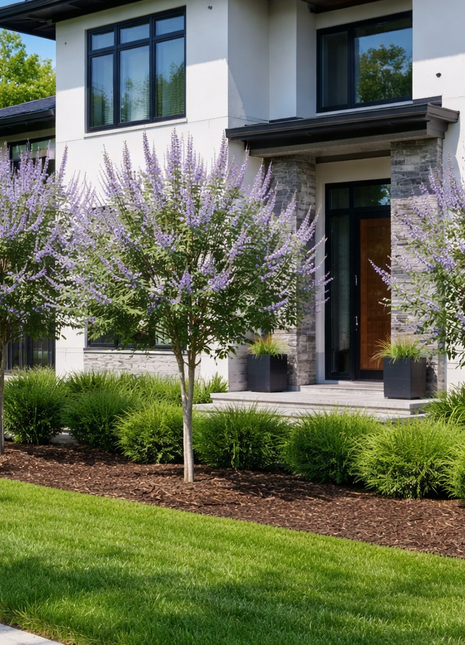
Vitex Tree (Vitex Agnus-Castus)
Vitex Tree (Vitex agnus-castus) Topiary — Locally Grown in Pierson, Florida at Flowing Well Tree FarmFlowering Ornamental Tree • Pollinator Magnet • Heat & Drought Tolerant Specimen • Florida-Grown Topiary & Landscape Accent Vitex Tree (Vitex agnus-castus), commonly known as Chaste Tree, is one of the most reliable and high-impact flowering landscape trees for Florida’s heat, humidity, and sandy soils. When trained as a topiary, it becomes a structured ornamental specimen that combines Mediterranean elegance with extreme Florida durability. Known for its long summer flower spikes in shades of lavender, violet, and blue, Vitex is a powerhouse pollinator plant that attracts bees, butterflies, and beneficial insects in massive numbers during peak bloom. At Flowing Well Tree Farm in Pierson, Florida, we grow select Vitex specimens trained as topiary forms for landscape focal points, entrance features, and structured native-adapted designs. When you buy Vitex Topiary here, you’re not getting weak, overgrown nursery material—you’re getting locally grown, Florida-hardened trees conditioned for real landscape performance including heat waves, drought cycles, sandy soils, and intense summer sun. That local adaptation matters. Vitex grown in Florida develops stronger branching structure, better bloom cycles, and far superior long-term resilience compared to greenhouse-raised imports. Why Locally Grown Matters for Vitex Topiary Starting with Florida-grown stock provides key advantages: Stronger branching structure for topiary training Faster establishment in sandy, low-fertility soils Improved heat and drought tolerance from early development More consistent flowering under Florida conditions Better structural response to pruning and shaping Higher long-term survival in unmanaged landscapes This creates a more durable and performance-driven ornamental specimen. Flowering & Ornamental Value Vitex is one of Florida’s most dramatic summer bloomers: Long spikes of lavender to violet-blue flowers Extended summer flowering period (often weeks to months) Strong visual contrast against green foliage High-impact ornamental color in landscape designs Excellent focal point for entryways and garden spaces Repeat bloom potential with pruning management It delivers a bold flowering presence during the hottest part of the year. Pollinator & Wildlife Importance Vitex is a recognized pollinator powerhouse: Attracts bees in extremely high numbers Supports butterflies and beneficial insects Provides critical nectar during summer dearth periods Enhances pollinator corridors in urban and rural landscapes Valuable for ecological planting systems despite ornamental origin It is one of the most visited flowering trees in bloom. Growth Habit & Topiary Structure When trained, Vitex becomes a refined architectural specimen: 10–20 ft small tree (variable depending on pruning) Naturally multi-stem but easily trained to single leader Responds exceptionally well to shaping and pruning Can be formed into lollipop, standard, or layered topiary styles Fast regrowth after structural cuts Maintains clean canopy with regular maintenance It is one of the best flowering trees for controlled design work. Climate & Site Adaptability Vitex performs exceptionally well in Florida environments: Thrives in full sun and high heat Extremely drought tolerant once established Handles sandy, well-drained soils with ease Adapts to urban, rural, and coastal-inland landscapes Tolerates humidity and seasonal rainfall variation Performs reliably in USDA Southern climates It is built for hot, open landscapes. USDA Growing Zones Best suited for Zones 6–9, with peak performance across Florida and the southeastern United States. Light Requirements For best flowering and structure: Full sun required for maximum bloom Reduced flowering in shaded environments High light levels produce stronger form and color Ideal for open landscape installations Soil & Site Requirements Adapted to Florida’s common soils: Prefers well-drained sandy soils Tolerates poor fertility and dry conditions Performs best with minimal soil amendment Avoid heavy, waterlogged soils Benefits from mulch during establishment Planting Guidance (Grower Recommended) For best topiary performance: Plant in full sun for strongest structure and bloom Dig hole 2–3× wider than root ball Set plant at original soil depth Water deeply after planting Apply mulch while keeping trunk base clear Stake if needed during early topiary training Prune early to establish desired shape We can assist with landscape design, specimen placement, and formal garden integration. Watering & Establishment Water regularly during the first growing season. Once established, Vitex becomes highly drought tolerant and thrives in low-maintenance Florida landscapes with minimal irrigation. Fertilizer Low-maintenance flowering tree: Minimal fertilizer required Light compost improves bloom production Avoid excessive nitrogen (reduces flowering intensity) Performs best in lean soil conditions Pruning & Maintenance Highly responsive ornamental species: Pruning encourages stronger flowering cycles Essential for maintaining topiary form Can be cut back heavily in late winter if needed Rapid regrowth after shaping cuts Low to moderate maintenance depending on design style Why This Is a Smarter Long-Term Investment ✔ Locally grown in Florida for superior adaptation✔ High-impact flowering summer ornamental tree✔ Excellent pollinator-supporting species✔ Ideal for topiary and structured landscape design✔ Extreme heat and drought tolerance✔ Fast regrowth and easy shaping response✔ Long blooming season with high visual payoff✔ Grower-direct quality for Florida landscapes The Real Value This isn’t just a flowering tree—it’s a sculpted landscape feature that delivers color, structure, and ecological function at the same time. When you plant a Vitex Topiary, you’re adding a controlled architectural focal point that thrives in Florida heat while supporting pollinators and delivering one of the most reliable summer bloom displays in the region.
$175.00 - $240.00
-


Eagleston Holly (Ilex X Attenuata)
Eagleston Holly (Ilex × attenuata ‘Eagleston’) — Locally Grown in Pierson, Florida at Flowing Well Tree FarmEvergreen Privacy Tree • Dense Screening Holly • Bright Red Berry Producer • Florida-Grown Landscape, Hedge & Specimen Tree Eagleston Holly (Ilex × attenuata ‘Eagleston’) is one of the most popular evergreen landscape trees in the Southeast, valued for its dense canopy, attractive pyramidal form, glossy foliage, and abundant bright red berries. Combining the beauty of traditional hollies with a faster growth rate and more refined appearance, Eagleston Holly is an outstanding choice for privacy screens, property borders, specimen plantings, and year-round landscape structure. At Flowing Well Tree Farm in Pierson, Florida, we grow Eagleston Holly as premium field-grown stock selected for strong central leaders, dense branching, uniform growth, and long-term performance in Florida's heat, humidity, sandy soils, and seasonal weather conditions. Every tree is grown under real Florida conditions to ensure superior establishment and long-term success. When you buy Eagleston Holly here, you are not receiving soft nursery stock—you are getting Florida-adapted trees conditioned for strong growth, dense screening, and exceptional landscape performance. That local adaptation matters. Trees grown in Florida develop stronger root systems, improved drought tolerance, and better resilience against the environmental stresses common throughout the Southeast. Why Locally Grown Matters for Eagleston Holly Starting with Florida-grown stock provides key advantages: Faster establishment after plantingImproved heat and humidity toleranceStronger root development in sandy soilsBetter drought resistance once establishedGreater resilience during storm seasonsDenser foliage and stronger branch structureHigher long-term survival rates This creates a dependable evergreen tree built for Florida landscapes. Evergreen Structure & Landscape Value Eagleston Holly is one of the best evergreen screening trees available: 20–30 ft mature height depending on site conditions10–15 ft mature width with dense branchingNaturally pyramidal growth habitGlossy dark green evergreen foliage year-roundExcellent privacy screen and property boundary treeStrong specimen tree for residential and commercial landscapes It delivers beauty, privacy, and structure in every season. Berry Production & Seasonal Interest Eagleston Holly provides exceptional seasonal color: Abundant bright red berries on female treesBerries persist through fall and winterCreates striking contrast against evergreen foliageProvides ornamental value during cooler monthsOne of the most colorful evergreen landscape trees availableExcellent for holiday and winter landscape appeal Its berry display makes it a standout feature in the landscape. Privacy Screening & Property Borders Eagleston Holly is highly valued as a screening tree: Dense evergreen canopy blocks unwanted viewsExcellent natural privacy barrierWorks well along fences and property linesProvides year-round visual separationCreates windbreaks and noise buffersMaintains screening value throughout every season Few evergreen trees provide such effective privacy with such attractive appearance. Wildlife Benefits Eagleston Holly provides valuable habitat support: Flowers attract pollinators and beneficial insectsBerries provide food for birds during cooler monthsDense branching offers nesting and shelter opportunitiesEnhances biodiversity in residential landscapesSupports wildlife while maintaining ornamental appeal It combines landscape beauty with ecological benefits. Growth Habit & Structural Function Eagleston Holly is a dependable long-term landscape tree: 20–30+ ft mature height depending on site conditionsStrong central leader developmentDense branching from top to bottomModerate growth rate with excellent structureLong-lived evergreen canopyAdaptable to formal and naturalized landscapes It functions as both a privacy screen and an architectural landscape element. Climate & Site Adaptability Eagleston Holly thrives throughout Florida and the Southeast: Excellent heat and humidity tolerancePerforms exceptionally well in Florida climatesAdaptable to sandy, loamy, and moderately clay soilsModerate drought tolerance once establishedGood storm resilience when properly establishedSuitable for residential, commercial, and municipal landscapes It is one of the most reliable evergreen screening trees available. USDA Growing Zones Best suited for Zones 6–9, with outstanding performance throughout Florida and the southeastern United States. Light Requirements For best growth and berry production: Full sun to partial shadeFull sun promotes densest growth and best berry displayPartial shade tolerated with excellent performanceIdeal for open landscapes and screening applications Soil & Site Requirements Adaptable and easy to grow: Performs well in sandy Florida soilsPrefers well-drained locationsTolerates a wide range of soil conditionsBenefits from mulch during establishmentAvoid prolonged standing water in poorly drained sites Planting Guidance (Grower Recommended) For best long-term performance: Plant in full sun to partial shadeDig hole 2–3× wider than root ballSet at original soil depthWater deeply after plantingApply mulch to conserve moisture and suppress weedsSpace 8–15 ft apart for privacy screensAllow adequate room for mature canopy development We can assist with hedge planning, privacy screen design, property border layouts, and large-scale landscape installations. Watering & Establishment Water regularly during the first growing season. Once established, Eagleston Holly becomes highly resilient and capable of handling Florida's seasonal drought and rainfall fluctuations. Fertilizer Low to moderate input requirements: Light fertilization encourages early growthOrganic compost supports root establishmentAvoid excessive nitrogen applicationsPerforms best in balanced soil systems Pruning & Maintenance Very low maintenance: Naturally maintains an attractive pyramidal shapeResponds well to shaping and screening applicationsMinimal structural pruning requiredExcellent long-term landscape reliabilityFew pest or disease concerns Why This Is a Smarter Long-Term Investment ✔ Locally grown in Florida for maximum adaptation✔ Outstanding evergreen privacy and screening tree✔ Dense foliage from top to bottom✔ Beautiful bright red berries for seasonal color✔ Strong heat, humidity, and drought tolerance✔ Excellent specimen or property border tree✔ Low-maintenance long-term landscape solution✔ Grower-direct quality for Florida conditions The Real Value This isn’t just a privacy tree—it’s a permanent evergreen landscape structure that provides screening, seasonal beauty, and year-round curb appeal while thriving in Florida’s demanding climate. When you plant Eagleston Holly, you’re investing in one of the most dependable and attractive evergreen trees available—a tree that delivers privacy, brilliant winter berries, and lasting landscape value while maintaining its beauty for decades to come.
$40.00 - $190.00
-


Native Southern Red Cedar (Juniperus Virginiana)
Native Southern Red Cedar (Juniperus virginiana var. silicicola) — Locally Grown in Pierson, Florida at Flowing Well Tree FarmNative Evergreen Conifer • Windbreak & Shelter Tree • Drought-Tolerant Coastal Species • Florida-Grown Restoration & Screening Stock Native Southern Red Cedar (Juniperus virginiana var. silicicola), commonly referred to as Southern Red Cedar or Coastal Eastern Red Cedar, is one of the most resilient evergreen conifers in the southeastern United States. Known for its dense, aromatic foliage, strong upright form, and exceptional tolerance to wind, drought, and poor soils, this species is a cornerstone for Florida windbreaks, privacy screens, and ecological restoration systems. Naturally found along coastal hammocks, upland ridges, and disturbed sandy soils, Southern Red Cedar is built for Florida’s extremes. At Flowing Well Tree Farm in Pierson, Florida, we grow this species as premium native conifer stock for habitat restoration, living screens, and long-term structural landscape plantings. When you buy Native Southern Red Cedar here, you’re not receiving weak landscape liner stock—you’re getting locally grown, Florida-adapted trees conditioned for real-world exposure including salt-laden winds, heat, humidity, drought cycles, and nutrient-poor soils. That local adaptation is critical. Southern Red Cedar performs best when it is established from Florida-grown stock, developing stronger root systems, tighter branching structure, and superior long-term resilience in coastal and inland environments. Why Locally Grown Matters for Southern Red Cedar Starting with Florida-grown stock provides key advantages: Stronger wind and storm resilience from early development Faster establishment in sandy, low-nutrient soils Improved drought and heat tolerance Better salt and coastal wind adaptability Denser branching for screening and habitat value Higher long-term survival in unmanaged landscapes This creates a structurally reliable evergreen backbone for Florida landscapes. Evergreen Structure & Landscape Value Southern Red Cedar is one of Florida’s most important native conifers: Dense, scale-like evergreen foliage year-round Naturally upright pyramidal to irregular form Excellent for privacy screens and windbreaks Strong visual structure in all seasons Aromatic foliage with natural cedar fragrance Long-lived, durable native tree It provides year-round structure in native and managed landscapes. Wildlife & Ecological Importance This species is a major ecological support tree: Blue berry-like cones consumed by birds and wildlife Provides critical winter food source for songbirds Dense foliage offers nesting and shelter habitat Excellent roosting and cover tree for wildlife Supports biodiversity in coastal and upland systems It is a foundational species in Florida’s native ecosystems. Growth Habit & Structural Function Southern Red Cedar is valued for its strong architectural form: 20–50 ft mature height depending on site conditions Narrow to broad pyramidal evergreen shape Dense branching ideal for screening Can be left natural or lightly shaped for structure Excellent for property lines and wind protection Long-lived with minimal intervention It functions as a living structural barrier. Climate & Site Adaptability One of Florida’s toughest native evergreens: Native to southeastern coastal and upland regions Thrives in full sun conditions Highly drought and heat tolerant once established Tolerates sandy, rocky, and poor soils Excellent coastal wind and salt exposure tolerance Performs well in harsh, exposed environments It is built for survival where many trees fail. USDA Growing Zones Best suited for Zones 7–10, with strong performance throughout Florida and coastal southeastern regions. Light Requirements For best structure and density: Full sun preferred for strongest growth Tolerates light shade but becomes more open Sun exposure improves form and foliage density Ideal for open landscapes and windbreak rows Soil & Site Requirements Adapted to Florida’s most challenging soils: Thrives in sandy, well-drained soils Tolerates extremely low fertility conditions Performs well in coastal and inland uplands Requires minimal soil amendment Avoid permanently saturated soils It excels in dry, difficult planting areas. Planting Guidance (Grower Recommended) For best establishment: Plant in full sun for strongest structure Dig hole 2–3× wider than root ball Set at original soil depth Water deeply after planting Apply mulch to stabilize moisture Space 8–15 ft apart for screening or windbreaks Allow natural form for restoration plantings We can assist with windbreak design, coastal screening layouts, and native property structuring. Watering & Establishment Water regularly during the first 1–2 growing seasons. Once established, Southern Red Cedar becomes highly drought tolerant and requires minimal supplemental irrigation. Fertilizer Very low-input native conifer: Minimal fertilization required Compost optional during establishment Avoid high nitrogen fertilizers Performs best in natural soil systems Pruning & Maintenance Low-maintenance evergreen: Minimal pruning required Can be shaped into hedge or screen form Responds slowly to heavy cuts (best pruned lightly) Naturally maintains strong structural form Extremely durable once established Why This Is a Smarter Long-Term Investment ✔ Locally grown in Florida for maximum adaptation✔ Excellent native evergreen windbreak and privacy tree✔ High wildlife food and shelter value✔ Extremely drought, wind, and salt tolerant✔ Long-lived structural landscape species✔ Low maintenance and highly resilient✔ Ideal for restoration and property screening✔ Grower-direct expertise for Florida conditions The Real Value This isn’t just an evergreen tree—it’s a long-term structural backbone for Florida landscapes that provides shelter, protection, and ecological stability. When you plant Native Southern Red Cedar, you’re building a living windbreak and wildlife system that strengthens your property for decades while thriving in the harshest Florida conditions.
$30.00 - $50.00


Shop premium trees grown in Pierson, Florida, including shade, privacy, native, flowering, and fruiting varieties perfect for landscapes, tree replacement, and long-term beauty.


