Native White Milkweed (Asclepias perennis) — Locally Grown in Pierson, Florida at Flowing Well Tree FarmNative Monarch Host Plant • Wetland Pollinator Perennial • Long-Blooming Wildlife Flower • Florida-Grown Restoration, Rain Garden & Butterfly Habitat Species
Native White Milkweed (Asclepias perennis), also known as Aquatic Milkweed, is one of the most important native plants for monarch butterflies and pollinator conservation throughout the southeastern United States. Unlike many milkweed species that prefer dry soils, this unique native perennial naturally thrives in moist environments, making it an outstanding choice for rain gardens, pond edges, wetlands, and pollinator-focused landscapes.
At Flowing Well Tree Farm in Pierson, Florida, we grow Native White Milkweed as premium Florida-grown pollinator stock selected for vigorous growth, abundant flowering, and reliable monarch support. Each plant is grown under real Florida conditions to ensure adaptation to heat, humidity, seasonal rainfall, and fluctuating moisture levels.
When you buy Native White Milkweed here, you are not receiving greenhouse-grown ornamentals—you are getting Florida-adapted native plants built to support pollinators, strengthen ecosystems, and thrive in challenging wetland environments.
That local adaptation matters. Asclepias perennis develops stronger root systems, improved resilience, and more consistent flowering when grown in Florida conditions from the start.
Why Locally Grown Matters for Native White Milkweed
Starting with Florida-grown stock provides key advantages:
Stronger establishment in Florida’s sandy and moisture-rich soilsImproved heat and humidity toleranceBetter adaptation to seasonal rainfall and flooding cyclesMore vigorous flowering and pollinator activityHigher survival rates in restoration and habitat projectsEnhanced monarch butterfly support throughout the growing season
This creates a dependable native perennial that performs exceptionally well in Florida landscapes.
Monarch Butterfly Importance
Native White Milkweed is a critical host plant for monarch butterflies:
Provides essential food source for monarch caterpillarsSupports the complete monarch life cycleOffers nectar for adult monarch butterfliesEncourages egg-laying and breeding activityHelps strengthen declining pollinator populationsImportant component of monarch migration corridors
Few native plants are more valuable for butterfly conservation.
Flowering & Seasonal Interest
Native White Milkweed provides months of bloom:
Clusters of delicate white flowers appear throughout the growing seasonLong bloom period supports pollinators over extended periodsAttracts butterflies, bees, wasps, and beneficial insectsFresh green foliage creates attractive garden textureDecorative seed pods develop following floweringSilky seeds provide seasonal visual interest and natural dispersal
Its elegant flowers stand out beautifully in native gardens and wetlands.
Pollinator & Wildlife Benefits
Native White Milkweed is a pollinator powerhouse:
Supports monarch butterflies and numerous native butterfly speciesProvides nectar for bees, moths, and beneficial insectsEnhances biodiversity in gardens and restoration sitesContributes to healthy native pollinator populationsCreates valuable food resources throughout the growing seasonStrengthens ecological function in wetland landscapes
It is one of the most beneficial native perennials available.
Growth Habit & Landscape Value
Native White Milkweed is a versatile native perennial:
2–4 ft mature height depending on site conditionsUpright growth habit with attractive green foliageForms natural colonies over time in suitable environmentsExcellent for rain gardens and pond-edge plantingsCombines well with native wildflowers and wetland speciesIdeal for habitat restoration and naturalized landscapes
It functions as both a beautiful ornamental and a critical ecological species.
Climate & Site Adaptability
Native White Milkweed thrives in Florida conditions:
Native to wetlands, streambanks, and moist meadows throughout the SoutheastExceptional tolerance to wet soils and seasonal floodingPerforms well in rain gardens and retention areasHandles Florida heat and humidity with easeAdaptable to both managed landscapes and natural restoration projectsExcellent long-term performance in moisture-rich environments
It is one of the few milkweed species specifically adapted to wetland habitats.
USDA Growing Zones
Best suited for Zones 6–10, with exceptional performance throughout Florida and the southeastern United States.
Light Requirements
For best flowering and monarch activity:
Full sun preferred for maximum bloomsTolerates light partial shade in wetter environmentsIncreased sunlight improves flower production and plant vigorIdeal for open pollinator gardens and wetland plantings
Soil & Site Requirements
Highly adaptable native wetland perennial:
Thrives in moist, wet, and seasonally flooded soilsPerforms exceptionally well near ponds, streams, and wetlandsTolerates sandy soils when moisture is availableBenefits from organic-rich soils but adapts readilyExcellent choice for rain gardens and bioswales
Planting Guidance (Grower Recommended)
For best long-term performance:
Plant in full sun whenever possibleDig hole slightly wider than root ballSet at original soil depthWater thoroughly after plantingApply light mulch around plants while avoiding stem contactSpace 18–24 inches apart for natural colony developmentCombine with other native pollinator species for maximum habitat value
We can assist with monarch gardens, pollinator habitats, wetland restoration projects, and native plant landscape design.
Watering & Establishment
Water regularly during establishment, especially during dry periods. Once rooted, Native White Milkweed thrives in naturally moist soils and can tolerate seasonal flooding and fluctuating water levels.
Fertilizer
Very low input requirements:
Minimal fertilization neededOrganic compost can support early establishmentAvoid excessive nitrogen applicationsPerforms best in natural soil ecosystems
Pruning & Maintenance
Extremely low maintenance:
Deadhead spent flowers if desired to encourage additional bloomsLeave seed pods for wildlife and natural reseedingCut back dormant stems at the end of the season if neededNaturally resistant to most landscape challengesThrives with minimal intervention once established
Why This Is a Smarter Long-Term Investment
✔ Locally grown in Florida for maximum adaptation✔ Essential host plant for monarch butterflies✔ Outstanding pollinator and wildlife value✔ Thrives in wet soils and rain gardens✔ Long flowering season with elegant white blooms✔ Excellent restoration and conservation species✔ Low-maintenance native perennial✔ Grower-direct quality for Florida conditions
The Real Value
This isn’t just a flowering perennial—it’s a critical piece of Florida’s pollinator ecosystem.
When you plant Native White Milkweed, you’re investing in monarch butterfly conservation, pollinator health, and long-term ecological resilience. Every plant helps create habitat, support biodiversity, and strengthen the natural systems that make Florida’s landscapes thrive for generations to come.
Prime-Ark® Freedom Thornless Blackberry (Rubus ×) — Locally Grown in Pierson, Florida at Flowing Well Tree Farm
Premium Edible Berry Plant • Thornless Everbearing Blackberry • High-Yield Fruit Cane • Florida-Grown Orchard Stock
Prime-Ark® Freedom Thornless Blackberry (Rubus ×) is a modern, high-performance blackberry variety valued for its thornless canes, extended fruiting season, and exceptional productivity in warm climates. As one of the most reliable primocane-fruiting blackberries available, it produces sweet, firm berries on first-year growth, making it ideal for home orchards, edible landscapes, and small-scale commercial berry production throughout Florida and the Southeast.
When you buy Prime-Ark® Freedom here, you're not getting stressed, long-shipped nursery cane material—you’re getting locally grown, Florida-adapted plants produced in Pierson and conditioned for real Florida growing conditions including heat, humidity, sandy soils, and seasonal rainfall variation.
That matters for long-term productivity. Locally grown blackberry plants establish faster, develop stronger root systems, and transition more smoothly into consistent fruit production under Florida’s climate conditions.
This is direct-from-grower edible fruit stock. Visit the farm, see how our berry plants are grown, and receive practical guidance on row spacing, trellising systems, and long-term orchard management.
Prime-Ark® Freedom is especially valued because it combines thornless growth with extended harvest potential and excellent fruit quality.
Why Locally Grown Matters for Blackberry Plants
Starting with Florida-grown stock provides key advantages:
Faster root establishment in sandy soils
Better adaptation to Florida heat and humidity
Reduced transplant shock
Stronger cane development in early growth stages
Improved long-term productivity
Better performance in real orchard conditions
It creates a stronger foundation for reliable fruit production systems.
Fruit Quality & Production Value
Prime-Ark® Freedom is known for its excellent berry performance:
Large, sweet, firm blackberries
Excellent fresh-eating quality
Good balance of sugar and acidity
Extended harvest window in warm climates
Suitable for fresh markets, jams, and baking
Reliable production on first-year canes
It is one of the most productive thornless blackberry types for southern growers.
Thornless Growth & Easy Harvest
One of its biggest advantages is handling ease:
Completely thornless canes
Easier pruning and maintenance
Safer harvesting experience
Better suitability for family gardens
Ideal for u-pick and small farms
It makes berry production more accessible and efficient.
Growth Habit & Orchard Use
A vigorous, productive berry plant:
4–6 ft upright to semi-erect canes
Can be trained on trellis systems
Produces on primocanes (first-year growth)
Forms expanding berry rows over time
Excellent for small orchard systems
It integrates well into structured edible landscapes.
Climate & Site Adaptability
Prime-Ark® Freedom performs well in warm climates when properly managed:
Thrives in full sun conditions
Performs well in Florida heat and humidity
Prefers well-drained soils
Benefits from consistent moisture during fruiting
Adaptable to raised beds and orchard rows
Requires airflow for best disease management
It is well suited for southeastern growing systems.
USDA Growing Zones
Best suited for Zones 5–9, performing strongly throughout Florida and similar warm temperate regions.
Light Requirements
For best fruit production:
Full sun required
Minimum 6–8 hours of direct sunlight daily
Reduced yield in shaded areas
Soil & Site Requirements
Adapted to orchard conditions:
Prefers well-drained sandy or loamy soils
Benefits from organic matter enrichment
Avoid poorly drained or waterlogged soils
Performs best in raised rows or berms in heavy soil areas
Mulching improves moisture stability and soil health
Planting Guidance (Grower Recommended)
For best establishment and production:
Plant in full sun orchard rows or garden beds
Space plants for airflow and access (typically 3–5 ft spacing)
Dig hole 2–3× wider than root system
Plant at original soil depth
Water thoroughly after planting
Apply mulch to retain moisture and suppress weeds
Install trellis system early for training canes
We can assist with orchard layout design, trellis setup, and berry production planning.
Watering & Establishment
Water regularly during establishment and fruiting periods. Once established, plants benefit from consistent moisture but can tolerate short dry periods with mulching support.
Fertilizer
Moderate feeding recommended:
Balanced fertilizer during active growth
Avoid excessive nitrogen (can reduce fruit quality)
Organic compost improves long-term soil performance
Split applications during growing season improve yields
Pruning & Maintenance
Moderate maintenance required for productivity:
Prune spent canes after fruiting cycle
Train new canes on trellis system
Maintain airflow for disease prevention
Remove weak or overcrowded growth
Annual pruning improves long-term yield
Why This Is a Smarter Long-Term Investment
✔ Locally grown in Florida for better adaptation
✔ Thornless canes for easy harvest and maintenance
✔ High-yield primocane fruit production
✔ Excellent edible landscape and orchard plant
✔ Extended fruiting season in warm climates
✔ Strong performance in home and small farm systems
✔ Grower-direct orchard planning support
✔ Reliable, productive berry system for Florida gardens
The Real Value
This isn’t just a blackberry plant—it’s a productive food system.
You’re not simply planting berries. You’re building a harvestable orchard, producing fresh fruit at home or on your farm, and investing in a long-term edible landscape that delivers seasonal production, sustainability, and value year after year.
Native Pawpaw (Asimina parviflora) — Locally Grown in Pierson, Florida at Flowing Well Tree FarmNative Understory Fruit Shrub • Edible Custard-Fruit Species • Wildlife Habitat Plant • Florida-Grown Food Forest, Shade Garden & Restoration Understory Layer
Native Pawpaw (Asimina parviflora), also known as Smallflower Pawpaw, is a rare and valuable native understory fruiting shrub found in sandy woodlands, upland forests, and natural scrub habitats throughout the southeastern United States. Closely related to the larger pawpaw species, this Florida-native form produces uniquely tropical-flavored fruit and thrives in shaded, naturalistic environments where many other fruiting plants struggle.
At Flowing Well Tree Farm in Pierson, Florida, we grow Native Pawpaw from seed sourced and selected for strong germination, vigorous early development, and adaptation to Florida’s heat, humidity, and sandy soils. Growing from seed ensures genetic diversity, improved resilience, and long-term adaptability in restoration and food forest systems.
When you buy Native Pawpaw from seed here, you are not receiving cloned or greenhouse-softened material—you are getting Florida-adapted native genetics built for real-world survival, natural understory growth, and long-term ecological performance.
That local adaptation matters. Asimina parviflora develops stronger root systems, improved drought tolerance, and better long-term establishment when grown from seed in Florida conditions from the beginning.
Why Locally Grown Seed Matters for Native Pawpaw
Starting with Florida-grown seed provides key advantages:
Stronger taproot development for long-term stability
Improved adaptation to Florida heat and humidity
Better drought resistance once established
Higher genetic diversity for resilient plant populations
Improved survival rates in restoration and natural plantings
More natural understory development in forest systems
This creates a truly adapted native fruiting understory species capable of long-term persistence in natural landscapes.
Fruit Production & Edible Value
Native Pawpaw produces one of Florida’s most unique native fruits:
Small banana-like fruits with creamy custard texture
Flavor notes often described as tropical, mango, or banana-custard
Edible fruit when fully ripe in late summer to fall
Consumed fresh or used in desserts and wild food preparations
Valuable traditional native food source
Limited but highly prized fruit production in mature plants
While smaller than northern pawpaw species, it remains an important native edible plant.
Wildlife & Ecological Importance
Native Pawpaw is a strong habitat-supporting species:
Larval host plant for Zebra Swallowtail butterfly
Provides nectar for native pollinators
Fruit is consumed by wildlife including small mammals
Supports understory biodiversity in forest ecosystems
Contributes to healthy native plant communities
Enhances food web complexity in shaded habitats
It is both a fruiting species and a key ecological host plant.
Growth Habit & Structural Function
Native Pawpaw is a slow to moderate-growing understory shrub:
6–12 ft mature height depending on site conditions
Multi-stemmed clumping growth habit
Spreads naturally through root suckering over time
Thrives beneath canopy shade or filtered light
Ideal for understory planting in food forests
Long-lived native perennial shrub
It functions as a foundational understory layer in natural systems.
Climate & Site Adaptability
Native Pawpaw is well adapted to Florida environments:
Native to the southeastern United States, including Florida
Thrives in sandy, well-drained soils
Prefers shaded woodland and forest edge environments
Moderate drought tolerance once established
Excellent adaptation to humid subtropical climates
Best performance in protected understory conditions
It naturally integrates into Florida’s native forest systems.
USDA Growing Zones
Best suited for Zones 7–10, with strong performance throughout Florida and the southeastern United States in shaded, protected environments.
Light Requirements
For best establishment and long-term health:
Partial shade to full shade preferred
Filtered sunlight under canopy trees is ideal
Avoid prolonged full sun exposure in young plants
Naturally adapted to understory forest conditions
Soil & Site Requirements
Adaptable native understory species:
Prefers sandy, well-drained soils
Thrives in woodland humus and organic matter
Tolerates low-fertility native soils
Benefits from leaf litter and mulch layers
Avoid waterlogged or poorly drained soils
Best performance in forest-edge ecosystems
Planting Guidance (Grower Recommended)
For best long-term performance:
Plant in partial to full shade
Dig hole 2–3× wider than root ball or seedling plug
Set at original soil depth
Water deeply after planting
Apply mulch or leaf litter to mimic forest floor conditions
Space 6–10 ft apart for natural colony development
Protect young plants from full sun exposure and competition
We can assist with food forest layering, native understory design, and ecological restoration planning.
Watering & Establishment
Water regularly during establishment, especially in dry periods. Once established, Native Pawpaw becomes moderately drought tolerant but performs best in consistently moist, shaded environments.
Fertilizer
Low input requirements:
Minimal fertilization needed
Organic compost and leaf litter strongly beneficial
Avoid high nitrogen inputs
Performs best in natural forest soil conditions
Pruning & Maintenance
Very low maintenance:
Minimal pruning required
Allow natural understory growth habit
Remove dead or damaged stems as needed
Spreads naturally through root suckering over time
Thrives with minimal human intervention
Why This Is a Smarter Long-Term Investment
✔ Locally grown from seed in Florida for maximum adaptation
✔ Rare native edible understory fruit species
✔ Critical host plant for Zebra Swallowtail butterfly
✔ Excellent for food forests and native restoration
✔ Shade-tolerant understory layer species
✔ Supports wildlife and pollinator ecosystems
✔ Strong genetic diversity from seed-grown stock
✔ Grower-direct native plant genetics for Florida conditions
The Real Value
This isn’t just an understory shrub—it’s a living ecosystem layer that connects canopy, soil, pollinators, and wildlife into a functioning native food web.
When you plant Native Pawpaw (Asimina parviflora), you’re investing in a Florida-adapted understory fruiting species that supports butterflies, produces rare native fruit, and strengthens long-term forest regeneration and food forest systems for generations to come.
Yaupon Holly (Florida Yaupon) (Ilex vomitoria) — Locally Grown in Pierson, Florida at Flowing Well Tree Farm
Native Evergreen Shrub • Wildlife Berry Producer • Dense Screening Hedge Plant • Florida-Grown Restoration Stock
Yaupon Holly (Ilex vomitoria), often called Florida Yaupon, is one of the most important and adaptable native evergreen shrubs in the southeastern United States. Known for its dense branching, small glossy leaves, and bright red berries, it is widely used in native hedges, wildlife plantings, coastal landscapes, restoration projects, and low-maintenance screening systems throughout Florida.
When you buy Yaupon Holly here, you're not getting weak, over-irrigated ornamental hedge stock—you’re getting locally grown, Florida-adapted plants produced in Pierson and conditioned for real Florida growing conditions including heat, humidity, sandy soils, coastal wind exposure, and seasonal drought stress.
That matters for long-term success. Locally grown Yaupon establishes faster, develops stronger root systems, and performs more reliably in Florida’s tough landscape conditions compared to non-local nursery stock.
This is direct-from-grower native hedge material. Visit the farm, see how our evergreen screening plants are grown, and receive practical guidance on spacing, hedge design, and long-term native landscape structure.
Yaupon Holly is especially valuable because it combines dense evergreen screening with exceptional wildlife support and extreme durability.
Why Locally Grown Matters for Yaupon Holly
Starting with Florida-grown stock provides key advantages:
Faster root establishment in sandy soils
Better adaptation to heat and humidity
Improved drought and wind tolerance after establishment
Reduced transplant shock
Stronger branching and hedge density development
Better long-term survival in coastal and inland sites
It creates a stronger foundation for durable evergreen screening systems.
Hedge & Screening Value
Yaupon Holly is one of the best native hedge plants in Florida:
Extremely dense evergreen foliage
Fine-textured branching ideal for privacy screens
Can be maintained as formal hedge or natural thicket
Excellent windbreak and property border plant
Responds very well to pruning and shaping
It is widely used as a native alternative to non-native hedge species.
Wildlife & Ecological Importance
Yaupon Holly is a critical native wildlife plant:
Produces bright red berries eaten by birds
Provides year-round shelter and nesting habitat
Supports pollinators during spring bloom
Enhances biodiversity in native landscapes
Important winter food source for wildlife
It is one of the most valuable evergreen wildlife shrubs in the Southeast.
Climate & Site Adaptability
Yaupon Holly is exceptionally tough and adaptable:
Native to coastal plains, hammocks, and upland forests
Highly heat and humidity tolerant
Excellent drought tolerance once established
Tolerates coastal wind and salt exposure
Performs well in sandy, well-drained soils
Adapts to full sun or partial shade conditions
It is one of the most resilient native shrubs available.
USDA Growing Zones
Best suited for Zones 7–10, performing strongly throughout Florida and the southeastern United States.
Mature Size & Growth Habit
A versatile evergreen shrub or small tree:
10–20 ft mature height (can be maintained smaller with pruning)
8–15 ft spread depending on management
Dense, multi-stem branching structure
Long-lived evergreen form
Easily trained into hedge or tree form
It is highly flexible in landscape design.
Light Requirements
For best density and berry production:
Full sun to partial shade
Strongest growth in full sun
Highly adaptable to varying light conditions
Soil & Site Requirements
Adapted to Florida landscapes:
Prefers well-drained sandy soils
Tolerates poor fertility conditions
Performs well in coastal environments
Highly drought tolerant once established
Avoid long-term waterlogged soils
Planting Guidance (Grower Recommended)
For best hedge establishment:
Plant in full sun or partial shade rows
Space 3–6 ft apart depending on hedge density goals
Dig hole 2–3× wider than root ball
Plant at original soil depth
Water thoroughly after planting
Apply mulch while keeping away from trunk base
Maintain regular watering during establishment period
We can assist with hedge layout design, spacing strategy, and wildlife planting systems.
Watering & Establishment
Water regularly during the first growing season. Once established, Yaupon Holly becomes highly drought tolerant and thrives on minimal supplemental irrigation.
Fertilizer
Low fertilizer requirements:
Light balanced fertilizer during establishment if needed
Organic compost improves hedge density
Avoid excessive fertilization
Performs best in natural soil conditions
Pruning & Maintenance
Very low maintenance:
Responds extremely well to pruning and shaping
Can be maintained as formal hedge or natural screen
Prune 1–2 times per year for density control
Naturally regrows vigorously after trimming
Why This Is a Smarter Long-Term Investment
✔ Locally grown in Florida for superior adaptation
✔ One of the toughest native evergreen hedge plants
✔ Excellent wildlife berry production
✔ Dense, fast-forming privacy screening
✔ High wind, heat, and drought tolerance
✔ Low-maintenance long-term landscape solution
✔ Native alternative to exotic hedge plants
✔ Grower-direct guidance for hedge systems
The Real Value
This isn’t just a hedge shrub—it’s living landscape infrastructure built for Florida.
You’re not simply planting Yaupon Holly. You’re creating privacy, strengthening property edges, supporting wildlife habitat, and establishing a resilient evergreen system that performs for decades in Florida’s toughest conditions.
Native Firebush (Hamelia patens) — Locally Grown in Pierson, Florida at Flowing Well Tree Farm
Native Pollinator Shrub • Hummingbird Magnet • Heat-Tolerant Florida Native • Florida-Grown Restoration Stock
Native Firebush (Hamelia patens) is one of the most important and recognizable Florida native shrubs, valued for its nonstop pollinator support, vibrant orange-red blooms, and exceptional performance in hot, humid climates. Naturally found in hammocks, coastal thickets, and disturbed upland sites across Florida, Firebush is widely used in pollinator gardens, native landscapes, restoration plantings, and wildlife habitat systems.
When you buy Native Firebush here, you're not getting weak, greenhouse-softened ornamental stock—you’re getting locally grown, Florida-adapted plants produced in Pierson and conditioned for real Florida conditions including heat, humidity, sandy soils, and seasonal rainfall fluctuations.
That matters for long-term success. Locally grown Firebush establishes faster, develops stronger root systems, and adapts more reliably to landscape stress than plants produced outside of Florida growing conditions.
This is direct-from-grower native plant material. Visit the farm, see how our pollinator shrubs are grown, and receive practical guidance on habitat design, butterfly garden planning, and low-maintenance native landscapes.
Native Firebush is especially valued because it delivers continuous wildlife support while providing long-lasting color throughout the warm growing season.
Why Locally Grown Matters for Firebush
Starting with Florida-grown stock provides important advantages:
Better adaptation to Florida heat and humidity
Stronger root development before planting
Faster establishment in sandy soils
Improved drought tolerance after establishment
Greater resilience in real landscape conditions
Better long-term survival in restoration plantings
It creates a stronger foundation for successful pollinator landscapes.
Pollinator & Wildlife Value
Firebush is one of Florida’s most valuable wildlife plants:
Continuous nectar source for hummingbirds
Attracts butterflies, bees, and native pollinators
Supports year-round wildlife activity in warm climates
Produces berries eaten by birds
Enhances biodiversity in native plantings
Essential component of pollinator garden systems
It is widely recognized as a “must-have” plant for wildlife habitat gardens.
Vibrant Seasonal Color
Native Firebush provides long-lasting visual impact:
Bright orange to red tubular flowers
Extended blooming period in warm climates
Continuous color through much of the growing season
Strong ornamental presence in native landscapes
Excellent contrast plant in mixed plantings
It brings both ecological value and bold color to the landscape.
Climate & Site Adaptability
Firebush thrives in Florida’s toughest conditions:
Native to tropical and subtropical environments
Highly heat tolerant
Performs well in sandy, well-drained soils
Drought tolerant once established
Tolerates coastal humidity and rainfall variation
Performs best in full sun to partial shade
It is one of the most reliable native shrubs for warm climates.
USDA Growing Zones
Best suited for Zones 8–11, performing exceptionally well throughout Florida and coastal southern regions.
Mature Size & Growth Habit
A fast-growing native shrub:
5–12 ft mature height (can be maintained smaller with pruning)
4–8 ft spread
Upright, multi-stem growth habit
Fast seasonal growth in warm weather
Easily shaped for landscape design
It works well as a hedge, accent shrub, or wildlife planting.
Light Requirements
For best flowering performance:
Full sun preferred
Tolerates partial shade
More blooms in higher light conditions
Soil & Site Requirements
Adapted to Florida soils:
Prefers well-drained sandy soils
Tolerates poor fertility conditions
Performs well in coastal environments
Handles heat and humidity exceptionally well
Avoid prolonged standing water
Planting Guidance (Grower Recommended)
For best establishment:
Plant in full sun or light shade
Dig planting hole 2–3× wider than root ball
Plant at original soil depth
Water thoroughly after planting
Apply mulch while keeping away from stem base
Maintain regular watering during establishment
Space for mature shrub expansion
We can assist with pollinator garden layouts, wildlife habitat design, and native landscape planning.
Watering & Establishment
Water regularly during the first growing season. Once established, Firebush becomes highly drought tolerant and thrives with minimal supplemental irrigation.
Fertilizer
Low fertilizer requirements:
Light feeding only if needed during establishment
Avoid excessive fertilization
Performs best in natural soils
Organic mulch supports long-term health
Pruning & Maintenance
Low maintenance shrub:
Prune lightly to shape if desired
Can be cut back for rejuvenation
Naturally regrows vigorously in warm climates
Minimal long-term maintenance required
Why This Is a Smarter Long-Term Investment
✔ Locally grown in Florida for superior adaptation
✔ One of the best native hummingbird plants
✔ Continuous pollinator nectar production
✔ Fast-growing and easy to establish
✔ Excellent for wildlife and butterfly gardens
✔ Heat and drought tolerant native shrub
✔ Strong performance in restoration and landscapes
✔ Grower-direct expertise for planting success
The Real Value
This isn’t just a flowering shrub—it’s a living pollinator system.
You’re not simply planting Firebush. You’re supporting hummingbirds, feeding butterflies, strengthening native ecosystems, and building a resilient landscape that provides continuous color, wildlife support, and ecological function for years to come.
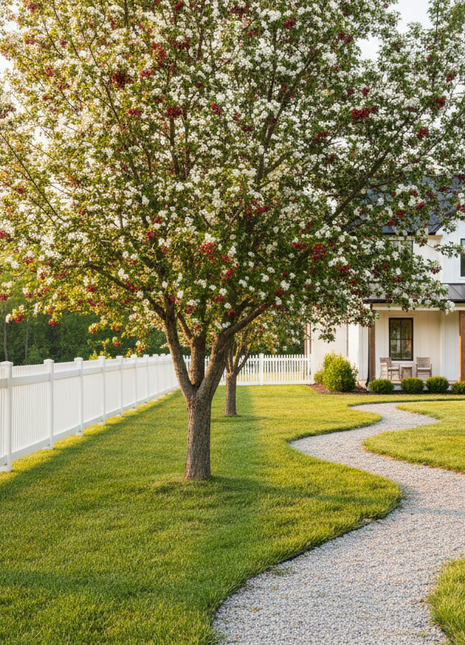
Flatwoods Plum (Prunus umbellata) — Locally Grown in Pierson, Florida at Flowing Well Tree FarmNative Flowering Wildlife Tree • Edible Fruit-Producing Shrub Tree • Pollinator & Bird Habitat Species • Florida-Grown Restoration, Homestead & Natural Landscape Plant
Flatwoods Plum (Prunus umbellata) is one of Florida’s most valuable native flowering and fruiting trees, prized for its spectacular early spring blooms, edible summer fruit, and exceptional wildlife value. Naturally occurring throughout Florida’s uplands, flatwoods, and woodland edges, this adaptable native species brings seasonal beauty, ecological benefits, and edible harvests to both naturalized and managed landscapes.
At Flowing Well Tree Farm in Pierson, Florida, we grow Flatwoods Plum as premium native stock selected for strong branching structure, vigorous root development, reliable flowering, and fruit production. Each plant is field-grown under real Florida conditions to ensure long-term performance in heat, humidity, sandy soils, and seasonal rainfall cycles.
When you buy Flatwoods Plum here, you are not receiving generic nursery stock—you are getting Florida-adapted native fruiting trees built for wildlife support, landscape resilience, and long-term success in Florida environments.
That local adaptation matters. Prunus umbellata develops stronger root systems, improved drought tolerance, and better flowering performance when grown under the same conditions where it will ultimately thrive.
Why Locally Grown Matters for Flatwoods Plum
Starting with Florida-grown stock provides key advantages:
Stronger establishment in Florida’s sandy soilsImproved heat and humidity toleranceBetter drought resistance once establishedMore reliable flowering and fruit productionHigher survival rates in restoration and habitat plantingsEnhanced adaptation to Florida’s seasonal weather patterns
This creates a dependable native fruiting tree capable of thriving for decades.
Flowering & Seasonal Interest
Flatwoods Plum delivers one of the earliest floral displays in the landscape:
Masses of brilliant white flowers emerge in late winter to early springBlooms often appear before foliage developsCreates a striking ornamental display during dormant monthsProvides critical early-season nectar for pollinatorsFresh green foliage follows flowering for seasonal textureProduces attractive fruit through late spring and summer
It is often among the first native trees to signal the arrival of spring.
Fruit Production & Edible Value
Flatwoods Plum offers both wildlife and human benefits:
Small edible plums mature from green to red, purple, or dark maroonFruit can be eaten fresh when ripeExcellent for jams, jellies, preserves, and homemade syrupsHeavy fruit production in favorable growing conditionsValuable food source for birds and wildlifeProduces annual harvests once mature
Its fruit has been utilized for generations throughout the Southeast.
Wildlife & Ecological Importance
Flatwoods Plum is a true habitat-building native species:
Provides early nectar for native bees and pollinatorsSupports numerous butterfly and beneficial insect speciesFruit attracts songbirds, deer, turkey, raccoons, and wildlifeDense branching offers nesting and shelter opportunitiesContributes to native woodland edge ecosystemsExcellent choice for restoration and wildlife corridors
It is one of the most wildlife-friendly fruiting trees native to Florida.
Growth Habit & Structural Function
Flatwoods Plum functions as both a shrub and small tree:
12–25 ft mature height depending on site conditionsRounded canopy with attractive branching structureModerate growth rate with strong long-term stabilityCan naturally form thickets through suckering growthExcellent for naturalized plantings and habitat buffersWorks well as a specimen tree or grouped planting
Its versatility makes it valuable in both residential and restoration landscapes.
Climate & Site Adaptability
Flatwoods Plum is highly adapted to Florida conditions:
Native throughout much of Florida and the southeastern United StatesThrives in heat and humidityExcellent tolerance to sandy soilsModerate drought tolerance once establishedPerforms well in open landscapes and woodland edgesAdaptable to a variety of soil conditions with proper drainage
It is naturally suited to Florida's climate and growing conditions.
USDA Growing Zones
Best suited for Zones 6–9, with exceptional performance throughout Florida and the southeastern United States.
Light Requirements
For best flowering and fruit production:
Full sun produces maximum blooms and fruit yieldsTolerates partial shade in natural woodland settingsSun exposure improves canopy density and overall vigorIdeal for wildlife plantings and edible landscapes
Soil & Site Requirements
Adaptable native fruiting species:
Thrives in sandy, well-drained soilsTolerates low-fertility native Florida soilsPerforms well in uplands and woodland transition areasBenefits from mulch during establishmentAvoid prolonged standing water and poorly drained locations
Planting Guidance (Grower Recommended)
For best long-term performance:
Plant in full sun to partial shadeDig hole 2–3× wider than root ballSet at original soil depthWater deeply after plantingApply mulch to conserve moisture and suppress weedsSpace 10–20 ft apart depending on intended useAllow room for natural canopy development and wildlife activity
We can assist with edible landscape planning, native food forest design, wildlife habitat development, and restoration projects.
Watering & Establishment
Water regularly during the first growing season. Once established, Flatwoods Plum becomes highly resilient and capable of handling Florida’s seasonal drought and rainfall cycles.
Fertilizer
Low to moderate input requirements:
Light fertilization can improve early growthOrganic compost supports flowering and fruit productionAvoid excessive nitrogen applicationsPerforms best in balanced native soil systems
Pruning & Maintenance
Low maintenance native fruiting tree:
Prune lightly to shape and improve airflow if desiredCan be maintained as a small tree or natural thicketRemove damaged or crossing branches as neededNaturally attractive growth habit requires minimal interventionLong-lived and dependable once established
Why This Is a Smarter Long-Term Investment
✔ Locally grown in Florida for maximum adaptation✔ Beautiful early spring flowering display✔ Produces edible native fruit for people and wildlife✔ Excellent pollinator and habitat plant✔ Strong drought and heat tolerance once established✔ Ideal for restoration, homesteads, and food forests✔ Supports birds, butterflies, and native ecosystems✔ Grower-direct quality for Florida conditions
The Real Value
This isn’t just a flowering tree—it’s a native food-producing habitat plant that supports wildlife, feeds pollinators, and delivers seasonal beauty year after year.
When you plant Flatwoods Plum, you’re investing in a resilient Florida native that provides edible fruit, strengthens local ecosystems, and creates lasting value in natural landscapes, food forests, wildlife habitats, and restoration projects for generations to come.
Native Elderberry (Sambucus nigra subsp. canadensis) — Locally Grown in Pierson, Florida at Flowing Well Tree Farm
Native Fruit Shrub • Medicinal Berry Producer • Fast-Growing Wildlife Plant • Florida-Grown Edible Restoration Stock
Native Elderberry (Sambucus nigra subsp. canadensis), commonly known as American Elderberry, is one of the most valuable native fruiting shrubs in North America. Known for its clusters of dark purple berries, fragrant white flower heads, and extremely fast growth rate, it is widely used in edible landscapes, wildlife habitat plantings, wetland edges, and restoration systems throughout Florida and the southeastern United States.
When you buy Native Elderberry here, you're not getting weak, over-fertilized ornamental stock—you’re getting locally grown, Florida-adapted plants produced in Pierson and conditioned for real Florida growing conditions including heat, humidity, seasonal flooding, sandy soils, and drought cycles.
That matters for long-term success. Locally grown elderberry establishes faster, develops stronger root systems, and adapts more reliably to Florida’s variable moisture conditions compared to non-local nursery stock.
This is direct-from-grower edible native shrub material. Visit the farm, see how our fruiting and wildlife plants are grown, and receive practical guidance on spacing, pruning systems, and long-term food forest design.
Native Elderberry is especially valuable because it combines rapid growth, medicinal fruit production, and exceptional wildlife support in one highly productive native shrub.
Why Locally Grown Matters for Elderberry
Starting with Florida-grown stock provides key advantages:
Faster establishment in wet and sandy soils
Better adaptation to heat and humidity
Improved tolerance to seasonal flooding and drought
Stronger root system development
Faster canopy and fruiting development
Better long-term survival in restoration sites
It creates a stronger foundation for productive native shrub systems.
Fruit, Flower & Medicinal Value
Elderberry is one of the most useful native fruit shrubs:
Dark purple berries used for syrups, jams, and extracts
High antioxidant and immune-supporting properties
Large, fragrant white flower clusters in spring and summer
Widely used in herbal and medicinal traditions
Excellent for culinary and functional food landscapes
It is one of the most important native “superfruit” shrubs in North America.
Wildlife & Ecological Importance
Native Elderberry is a powerhouse for wildlife:
Berries consumed by birds and small mammals
Flowers attract bees and native pollinators
Provides dense cover and nesting habitat
Supports biodiversity in wetland and upland systems
Important seasonal food source in native ecosystems
It is both a food crop and a habitat-building species.
Growth Habit & Landscape Value
Elderberry is extremely fast-growing and productive:
6–12 ft mature height (can reach larger in ideal conditions)
6–10 ft spread
Multi-stem shrub with rapid seasonal growth
Ideal for hedgerows, food forests, and restoration rows
Can be cut back and rejuvenated regularly
It is one of the fastest establishing native shrubs available.
Climate & Site Adaptability
Native Elderberry thrives in Florida conditions:
Native to wetlands, stream edges, and disturbed soils
Tolerates seasonal flooding and wet soils
Performs well in sandy or organic-rich soils
Highly adaptable to heat and humidity
Prefers full sun to partial shade
Strong regrowth after pruning or stress
It is especially valuable in lowland and drainage system plantings.
USDA Growing Zones
Best suited for Zones 4–9, performing strongly throughout Florida and much of the southeastern United States.
Light Requirements
For best fruit production:
Full sun preferred
Tolerates partial shade
More sun improves flowering and berry yield
Soil & Site Requirements
Adapted to diverse Florida landscapes:
Prefers moist, well-drained soils
Tolerates seasonal flooding and wet conditions
Performs well in sandy, loamy, or organic soils
Benefits from mulch and soil improvement
Avoid prolonged extreme drought without irrigation
Planting Guidance (Grower Recommended)
For best establishment and production:
Plant in full sun or lightly shaded edible systems
Dig hole 2–3× wider than root ball
Plant at original soil depth
Water thoroughly after planting
Apply mulch while keeping away from stems
Space 5–8 ft apart for hedgerow systems
Cut back lightly to encourage branching
We can assist with food forest design, hedgerow planning, and wetland-edge planting systems.
Watering & Establishment
Water regularly during the first growing season. Once established, Native Elderberry becomes highly adaptable to both wet and dry cycles but produces best with consistent moisture.
Fertilizer
Low to moderate requirements:
Light balanced fertilizer during establishment if needed
Organic compost improves fruit yield and soil health
Avoid excessive nitrogen to maintain flowering balance
Performs well in natural soil systems
Pruning & Maintenance
Moderate maintenance with high reward:
Responds very well to pruning and cutting back
Can be coppiced for renewed growth and higher yields
Remove old stems to encourage new fruiting canes
Pruning improves airflow and berry production
Why This Is a Smarter Long-Term Investment
✔ Locally grown in Florida for superior adaptation
✔ Fast-growing native fruit and medicinal shrub
✔ High-value wildlife and pollinator plant
✔ Excellent for food forests and hedgerows
✔ Tolerates wet and variable soil conditions
✔ Strong regenerative growth after pruning
✔ Dual-purpose ecological and edible species
✔ Grower-direct guidance for productive systems
The Real Value
This isn’t just a shrub—it’s a living food and medicine system.
You’re not simply planting Elderberry. You’re building a productive edible hedge, supporting wildlife, producing medicinal berries, and investing in a fast-growing native plant that delivers ecological function and harvest value year after year.
Butterfly Milkweed (Asclepias tuberosa) — Locally Grown in Pierson, Florida at Flowing Well Tree Farm
Native Pollinator Plant • Monarch Host Plant • Drought-Tolerant Wildflower • Florida-Grown Restoration Stock
Butterfly Milkweed (Asclepias tuberosa) is one of the most valuable native wildflowers for pollinator habitat, restoration projects, and wildlife-friendly landscapes throughout Florida and the Southeast. Known for its brilliant orange blooms, exceptional drought tolerance, and critical role in supporting Monarch butterflies, this long-lived native perennial brings both ecological function and natural beauty to any planting.
When you buy Butterfly Milkweed here, you're not getting greenhouse-grown plants shipped from another region—you’re getting locally grown, Florida-adapted plants produced in Pierson and conditioned to thrive in Florida's heat, humidity, sandy soils, and seasonal rainfall patterns.
That matters for establishment and long-term performance. Locally grown milkweed develops stronger root systems, adapts more quickly after planting, and often performs better under real Florida growing conditions than plants produced outside the region.
This is direct-from-grower native plant material. Visit the farm, see how our native plants are grown, and receive practical guidance on pollinator habitat creation, restoration projects, and native landscape design.
Butterfly Milkweed is especially important because it serves as a host plant for Monarch butterfly caterpillars while providing abundant nectar for a wide range of pollinators.
Why Locally Grown Matters for Native Milkweed
Starting with Florida-grown stock offers important advantages:
Better adaptation to Florida heat and humidity
Stronger root system development
Improved drought tolerance after establishment
Faster acclimation to landscape conditions
Increased long-term survival and vigor
Better performance in restoration and pollinator projects
It creates a stronger foundation for successful native plant establishment.
Pollinator & Wildlife Value
Butterfly Milkweed is one of the most beneficial native plants you can add to a landscape:
Essential host plant for Monarch butterflies
Supports Queen and Soldier butterflies
Provides nectar for bees, butterflies, and beneficial insects
Increases pollinator diversity
Helps restore declining butterfly habitat
Contributes to healthy native ecosystems
A single planting can become a valuable food source for pollinators throughout the growing season.
Bright Seasonal Color
Butterfly Milkweed is prized for its vibrant blooms:
Clusters of brilliant orange flowers
Long flowering season from spring through summer
Excellent addition to native gardens and pollinator beds
Provides continuous visual interest
Combines well with native grasses and wildflowers
Its vivid flowers create a striking display while serving an important ecological purpose.
Climate & Site Adaptability
Butterfly Milkweed thrives in challenging Florida conditions:
Native to dry prairies, pinelands, and open habitats
Highly drought tolerant once established
Performs well in sandy and well-drained soils
Handles Florida heat exceptionally well
Tolerates low fertility conditions
Unsuitable for poorly drained or constantly wet sites
This species excels in naturalized landscapes, restoration sites, and low-maintenance gardens.
USDA Growing Zones
Best suited for Zones 4–9, performing exceptionally well throughout Florida and much of the southeastern United States.
Mature Size & Growth Habit
A compact native perennial:
1–3 ft mature height
1–2 ft spread
Upright, clump-forming habit
Returns annually from deep roots
Long-lived once established
Light Requirements
For best flowering performance:
Full sun preferred
Minimum 6 hours of direct sunlight daily
Reduced flowering in heavy shade
Soil & Site Requirements
Adapted to Florida's native soils:
Prefers well-drained sandy soils
Tolerates poor, low-fertility sites
Performs well in native landscapes
Avoid heavy clay and poorly drained locations
Does not tolerate standing water
Planting Guidance (Grower Recommended)
For best establishment:
Plant in full sun
Choose well-drained soil
Dig planting hole 2–3× wider than root ball
Plant at original soil depth
Water thoroughly after planting
Apply mulch while keeping away from the crown
Avoid disturbing established roots
We can help with pollinator garden layouts, restoration plantings, and Monarch habitat planning.
Watering & Establishment
Water regularly during the first growing season while roots become established. Once established, Butterfly Milkweed becomes highly drought tolerant and requires minimal supplemental irrigation.
Fertilizer
Minimal fertilization needed:
Performs well in native soils
Light balanced fertilizer only if necessary
Avoid excessive nitrogen applications
Overfertilization may reduce flowering
Pruning & Maintenance
Extremely low maintenance:
Remove spent flower stalks if desired
Leave seed pods for wildlife and natural reseeding
Cut back dormant growth in late winter
No routine pruning required
Why This Is a Smarter Long-Term Investment
✔ Locally grown in Florida for superior adaptation
✔ Essential host plant for Monarch butterflies
✔ Supports bees, butterflies, and native pollinators
✔ Brilliant orange flowers throughout the season
✔ Highly drought tolerant once established
✔ Excellent for restoration and pollinator habitats
✔ Low-maintenance native perennial
✔ Grower-direct expertise and planting guidance
The Real Value
This isn't just a flowering perennial—it's a critical piece of native habitat.
You're not simply planting color in the landscape. You're creating food sources for pollinators, supporting Monarch butterfly populations, and helping restore the ecological connections that make Florida's native environments thrive.
Coral Honeysuckle (Lonicera sempervirens) — Locally Grown in Pierson, Florida at Flowing Well Tree Farm
Native Flowering Vine • Hummingbird Magnet • Evergreen-to-Semi-Evergreen Climber • Florida-Grown Pollinator Stock
Coral Honeysuckle (Lonicera sempervirens) is one of Florida’s most valuable native flowering vines, known for its vibrant coral-red tubular blooms, long flowering season, and exceptional importance to hummingbirds and native pollinators. Naturally found in woodlands, fence lines, and forest edges across the eastern United States, it is widely used in pollinator gardens, native landscapes, trellis systems, and wildlife habitat plantings.
When you buy Coral Honeysuckle here, you're not getting weak, greenhouse-raised vine material—you’re getting locally grown, Florida-adapted plants produced in Pierson and conditioned for real Florida growing conditions including heat, humidity, sandy soils, seasonal rainfall variation, and summer stress periods.
That matters for long-term success. Locally grown honeysuckle establishes faster, develops stronger root systems, and adapts more reliably once planted into Florida landscapes compared to non-local ornamental vine stock.
This is direct-from-grower native vine material. Visit the farm, see how our pollinator vines are grown, and receive practical guidance on trellis training, wildlife garden design, and long-term vertical landscape planning.
Coral Honeysuckle is especially valued because it combines continuous wildlife support with fast vertical coverage and long-lasting seasonal color.
Why Locally Grown Matters for Coral Honeysuckle
Starting with Florida-grown stock provides key advantages:
Faster root establishment in sandy soils
Better adaptation to Florida heat and humidity
Improved drought tolerance after establishment
Reduced transplant shock
Stronger vine development and climbing performance
Better long-term survival in native landscapes
It creates a stronger foundation for successful pollinator vine systems.
Pollinator & Wildlife Value
Coral Honeysuckle is one of the top native hummingbird plants:
Bright coral-red tubular flowers attract hummingbirds
Supports bees and native pollinators
Provides nectar over an extended blooming period
Produces red berries eaten by birds
Enhances biodiversity in native plant systems
It is widely considered essential for wildlife-friendly landscapes.
Ornamental & Landscape Value
Beyond its ecological role, it is also highly ornamental:
Showy clusters of red to coral flowers
Attractive semi-evergreen foliage
Twining vine habit ideal for vertical design
Excellent for fences, arbors, and trellises
Strong seasonal color and movement in the landscape
It brings both structure and dynamic color to garden spaces.
Growth Habit & Vertical Coverage
Coral Honeysuckle is a reliable native climber:
10–20+ ft vine length with support
Twining, non-invasive climbing habit
Fast establishment under warm conditions
Ideal for vertical garden systems
Can be trained and controlled easily
It is one of the best native alternatives to invasive ornamental vines.
Climate & Site Adaptability
This species is highly adapted to Florida conditions:
Native to southeastern woodlands and edges
Performs well in heat and humidity
Tolerates sandy, well-drained soils
Moderately drought tolerant once established
Performs best in full sun to partial shade
Highly resilient in mixed landscape environments
It is a dependable native vine for warm climates.
USDA Growing Zones
Best suited for Zones 6–10, performing strongly throughout Florida and much of the southeastern United States.
Light Requirements
For best flowering performance:
Full sun to partial shade
More sun increases bloom production
Tolerates filtered light in hotter sites
Soil & Site Requirements
Adapted to native soils:
Prefers well-drained sandy or loamy soils
Tolerates poor fertility conditions
Benefits from organic mulch
Avoid prolonged waterlogged conditions
Performs well in naturalized garden settings
Planting Guidance (Grower Recommended)
For best establishment:
Plant near trellis, fence, or arbor support
Dig hole 2–3× wider than root ball
Plant at original soil depth
Water thoroughly after planting
Apply mulch while keeping away from stem base
Train vines early for structure and airflow
Space for mature vine spread and coverage
We can assist with trellis design, pollinator layout, and vertical garden planning.
Watering & Establishment
Water regularly during the first growing season. Once established, Coral Honeysuckle becomes moderately drought tolerant and thrives with minimal supplemental irrigation.
Fertilizer
Low to moderate requirements:
Light balanced fertilizer during establishment if needed
Organic compost improves flowering and growth
Avoid excessive nitrogen to promote blooms
Performs best in natural soil conditions
Pruning & Maintenance
Low maintenance vine:
Prune lightly to control size and shape
Remove tangled or overextended growth as needed
Responds well to seasonal trimming
Maintains flowering on new growth
Why This Is a Smarter Long-Term Investment
✔ Locally grown in Florida for superior adaptation
✔ One of the best native hummingbird vines
✔ Long blooming season with high pollinator value
✔ Fast vertical coverage for fences and trellises
✔ Non-invasive native alternative to exotic vines
✔ High wildlife and ecological benefit species
✔ Low-maintenance long-term performance
✔ Grower-direct guidance for vine systems
The Real Value
This isn’t just a flowering vine—it’s a living pollinator corridor.
You’re not simply planting Coral Honeysuckle. You’re feeding hummingbirds, supporting native pollinators, adding vertical beauty to the landscape, and building a resilient native vine system that brings continuous ecological and ornamental value year after year.
Oakleaf Hydrangea (Hydrangea quercifolia) — Locally Grown in Pierson, Florida at Flowing Well Tree FarmNative Flowering Understory Shrub • Seasonal Color & Bloom Accent Plant • Woodland Edge & Shade Garden Species • Florida-Grown Naturalistic Landscape Foundation Shrub
Oakleaf Hydrangea (Hydrangea quercifolia) is one of the most distinctive and structurally beautiful native flowering shrubs in the southeastern United States. Known for its large oak-shaped leaves, dramatic cone-shaped white blooms, and exceptional fall color, this species is a cornerstone plant for shaded gardens, woodland edges, and naturalized Florida landscapes.
At Flowing Well Tree Farm in Pierson, Florida, we grow Oakleaf Hydrangea as premium native understory stock selected for strong branching structure, reliable seasonal bloom production, and long-term adaptation to Florida’s heat, humidity, sandy soils, and shaded environments. Each plant is field-grown and conditioned under real Florida landscape conditions to ensure durability and consistent performance.
When you buy Oakleaf Hydrangea here, you are not receiving fragile greenhouse ornamentals—you are getting Florida-acclimated native flowering shrubs built for resilience, structure, and long-term seasonal beauty in real landscape conditions.
That local adaptation is essential. Hydrangea quercifolia performs best when grown in-region, where it develops stronger root systems, improved heat tolerance, and more reliable flowering cycles in southern climates.
Why Locally Grown Matters for Oakleaf Hydrangea
Starting with Florida-grown stock provides key advantages:
Stronger establishment in sandy, organic, and woodland soilsImproved heat and humidity tolerance from early developmentBetter drought resilience once established in shaded environmentsHigher survival rates in residential and naturalized plantingsMore consistent flowering and fall color performanceStronger branching structure for long-term landscape stability
This creates a dependable native flowering shrub for Florida shade landscapes.
Flowering & Seasonal Interest
Oakleaf Hydrangea is a multi-season ornamental standout:
Large cone-shaped white flower panicles bloom in late spring through summerFlowers gradually age to soft pink and tan tonesStrong visual presence in shaded garden environmentsLong-lasting blooms provide extended seasonal interestAttracts pollinators including bees and beneficial insectsExcellent cut flower and dried floral structure value
It is one of the most visually dynamic native shrubs in the Southeast.
Foliage Structure & Landscape Value
Oakleaf Hydrangea is prized for its bold foliage:
Large, lobed “oak-like” leaves with strong textureDense multi-stemmed shrub form for natural screeningDeep green summer foliage with strong seasonal transformationBrilliant fall color ranging from burgundy to deep red and bronzeMedium-density structure ideal for woodland layeringExcellent companion plant in shaded landscape designs
It provides structure even when not in bloom.
Ecological & Habitat Importance
Oakleaf Hydrangea contributes significantly to native ecosystems:
Provides nectar for pollinators during extended bloom periodSupports native insect diversity in shaded environmentsOffers shelter for birds and small wildlifeEnhances understory diversity in hardwood forestsThrives in natural woodland edge ecosystemsImproves ecological layering in restoration plantings
It is an important flowering shrub for shaded habitat systems.
Growth Habit & Structural Function
Oakleaf Hydrangea is a long-lived understory shrub:
4–8 ft mature height depending on site conditions and pruningBroad, rounded multi-stemmed growth habitModerate growth rate with strong long-term stabilityNaturally architectural form with seasonal variationResponds well to shaping or natural growth stylesExcellent for mass planting or specimen use
It functions as both a focal shrub and a structural understory layer.
Climate & Site Adaptability
Oakleaf Hydrangea is well adapted to Florida conditions:
Native to southeastern United States woodland ecosystemsThrives in partial shade to filtered light environmentsPerforms best in moist, well-drained organic soilsTolerates Florida heat and humidity when properly establishedModerate drought tolerance once root system is developedDoes not tolerate prolonged standing water
It is one of the most reliable flowering shrubs for shaded Florida landscapes.
USDA Growing Zones
Best suited for Zones 5–9, with excellent performance throughout Florida and the southeastern United States.
Light Requirements
For best flowering and foliage performance:
Partial shade to morning sun with afternoon shade is idealTolerates deeper shade but may reduce bloom intensityAvoid harsh full afternoon sun in hot inland Florida sitesFiltered woodland light produces best structure and color
Soil & Site Requirements
Highly adaptable woodland shrub species:
Prefers rich, organic, well-drained soilsAdapts to sandy soils with added organic matterBenefits from mulch to stabilize moisture and temperatureTolerates slightly acidic soil conditions wellAvoids prolonged flooding or saturated root zones
Planting Guidance (Grower Recommended)
For best long-term performance:
Plant in partial shade or filtered lightDig hole 2–3× wider than root ballSet at original soil depthWater deeply after planting to establish rootsApply mulch 2–4 inches deep, keeping away from stemsSpace 5–8 ft apart for natural massing or hedgesAllow room for seasonal expansion and bloom display
We assist with shade garden design, native flowering shrub layouts, and woodland restoration planning.
Watering & Establishment
Water regularly during the first 1–2 growing seasons. Once established, Oakleaf Hydrangea becomes moderately drought tolerant in shaded environments with stable soil moisture.
Fertilizer
Low to moderate input requirements:
Light fertilization supports bloom production and foliage densityOrganic compost improves soil structure and microbial activityAvoid excessive nitrogen to prevent weak, leggy growthPerforms best in balanced woodland soil systems
Pruning & Maintenance
Low maintenance flowering shrub:
Prune immediately after flowering to preserve next season’s bloomsCan be left natural for woodland appearance or lightly shapedRemove old or weak stems to encourage rejuvenation growthNaturally forms attractive multi-season structureExcellent long-term landscape reliability with minimal care
Why This Is a Smarter Long-Term Investment
✔ Locally grown in Florida for true climate adaptation✔ One of the most ornamental native flowering shrubs✔ Large seasonal blooms with long display period✔ Exceptional fall color in shaded landscapes✔ Strong wildlife and pollinator value✔ Excellent woodland and understory structure plant✔ Low-maintenance long-term landscape performance✔ Grower-direct field-conditioned native stock
The Real Value
This is not just a flowering shrub—it is a multi-season structural landscape plant that delivers bloom impact, fall color, and long-term ecological function in shaded Florida environments.
When you plant Oakleaf Hydrangea, you are investing in a native understory shrub that strengthens woodland landscapes, supports pollinators, and provides some of the most dramatic seasonal transitions available in southeastern native plant systems.
Simpson Stopper (Myrcianthes fragrans) — Locally Grown in Pierson, Florida at Flowing Well Tree FarmNative Evergreen Privacy Shrub • Wildlife-Friendly Hedge Plant • Drought-Tolerant Florida Landscape Favorite • Florida-Grown Screening, Foundation & Habitat Species
Simpson Stopper (Myrcianthes fragrans) is one of Florida’s most versatile and attractive native evergreen shrubs and small trees. Known for its dense foliage, fragrant white flowers, colorful edible berries, and beautiful exfoliating bark, this species provides year-round beauty while supporting pollinators and wildlife throughout the landscape.
At Flowing Well Tree Farm in Pierson, Florida, we grow Simpson Stopper as premium native evergreen stock selected for dense branching, strong root development, and reliable performance in Florida’s heat, humidity, sandy soils, and coastal environments. Each plant is field-grown under real Florida conditions to ensure long-term durability, resilience, and landscape success.
When you buy Simpson Stopper here, you are not receiving generic nursery stock—you are getting Florida-adapted native plants developed to thrive in the same conditions where they will ultimately be planted.
That local adaptation matters. Myrcianthes fragrans develops stronger root systems, improved drought tolerance, and denser foliage when grown under Florida conditions from the beginning.
Why Locally Grown Matters for Simpson Stopper
Starting with Florida-grown stock provides key advantages:
Stronger establishment in Florida’s sandy soilsImproved heat and humidity toleranceBetter drought resistance once establishedEnhanced survival rates in coastal and inland landscapesDenser foliage for screening and privacy applicationsMore reliable flowering and fruit production
This creates a durable evergreen shrub capable of thriving with minimal maintenance.
Evergreen Structure & Landscape Value
Simpson Stopper is one of Florida’s most adaptable native landscape plants:
10–20 ft mature height depending on pruning and site conditionsDense evergreen foliage for year-round screeningNaturally attractive branching structureBeautiful smooth bark that peels to reveal orange, tan, and gray tonesExcellent hedge, privacy screen, or specimen plantWorks equally well in formal and naturalized landscapes
It provides four-season beauty and landscape structure.
Flowering & Seasonal Interest
Simpson Stopper offers multiple seasons of ornamental appeal:
Fragrant white flowers appear throughout spring and summerFlowers attract bees, butterflies, and beneficial pollinatorsBright orange-red berries follow flowering periodsEdible fruit is enjoyed by birds and wildlifeGlossy green foliage remains attractive year-roundDecorative exfoliating bark provides winter interest
Few native shrubs offer this much year-round landscape value.
Wildlife & Ecological Importance
Simpson Stopper is a valuable native habitat plant:
Provides nectar for native pollinatorsSupports butterflies, bees, and beneficial insectsProduces berries highly favored by songbirds and wildlifeOffers nesting cover and shelter through dense branchingEnhances biodiversity in residential and restoration landscapesFunctions as an important native food source throughout the year
It is one of Florida’s best native shrubs for wildlife gardens.
Growth Habit & Structural Function
Simpson Stopper is a highly versatile evergreen species:
10–20+ ft mature height depending on pruning practicesNaturally dense and compact growth habitCan be maintained as a hedge or grown as a small treeModerate growth rate with strong long-term stabilityResponds exceptionally well to pruning and shapingExcellent for privacy screening and property borders
It functions as both an ornamental specimen and a practical landscape solution.
Climate & Site Adaptability
Simpson Stopper thrives in Florida’s challenging environments:
Native to Florida, the Caribbean, and coastal regions of the SoutheastExcellent heat and humidity toleranceHighly drought tolerant once establishedPerforms well in coastal environments and salt exposureAdaptable to sandy, rocky, and well-drained soilsStrong resilience during Florida storm seasons
It is one of the most adaptable native evergreen shrubs available.
USDA Growing Zones
Best suited for Zones 8–11, with exceptional performance throughout Florida and coastal regions of the southeastern United States.
Light Requirements
For best growth and density:
Full sun to partial shadeFull sun encourages maximum flowering and berry productionPartial shade is tolerated with excellent foliage developmentIdeal for hedges, foundations, and natural screening applications
Soil & Site Requirements
Highly adaptable native species:
Thrives in sandy, well-drained Florida soilsTolerates alkaline and limestone-based soilsPerforms well in coastal environmentsModerate tolerance to occasional wet periodsBenefits from mulch during establishment
Planting Guidance (Grower Recommended)
For best long-term performance:
Plant in full sun to partial shadeDig hole 2–3× wider than root ballSet at original soil depthWater deeply after plantingApply mulch to conserve moisture and suppress weedsSpace 4–8 ft apart for hedges and screensAllow room for mature growth when used as a specimen plant
We can assist with native hedge design, privacy screening layouts, and wildlife-focused landscape planning.
Watering & Establishment
Water regularly during the first growing season. Once established, Simpson Stopper becomes highly drought tolerant and performs exceptionally well under Florida’s seasonal rainfall patterns.
Fertilizer
Low input requirements:
Minimal fertilization needed once establishedOrganic compost supports healthy root developmentAvoid excessive fertilization to maintain natural growth habitPerforms best in balanced native soil conditions
Pruning & Maintenance
Very low maintenance:
Excellent response to pruning and shapingCan be maintained as a formal hedge or natural screenMinimal pest and disease concernsNaturally dense growth reduces maintenance needsLong-lived and dependable in Florida landscapes
Why This Is a Smarter Long-Term Investment
✔ Locally grown in Florida for maximum adaptation✔ Excellent native privacy hedge and screening plant✔ Year-round evergreen beauty and structure✔ Fragrant flowers and colorful wildlife-friendly berries✔ Highly drought tolerant once established✔ Performs well in coastal and inland landscapes✔ Supports pollinators, birds, and beneficial wildlife✔ Grower-direct quality for Florida conditions
The Real Value
This isn’t just a hedge plant—it’s a complete native landscape solution that provides privacy, wildlife habitat, seasonal beauty, and long-term resilience.
When you plant Simpson Stopper, you’re investing in one of Florida’s most versatile native evergreens—a plant that creates structure, supports biodiversity, and delivers year-round performance while thriving in the demanding conditions of the Florida landscape.
Chickasaw Plum (Prunus angustifolia) — Locally Grown in Pierson, Florida at Flowing Well Tree Farm
Native Fruiting Tree • Wildlife Friendly • Early Blooming • Florida-Adapted from Local Grower Stock
When you buy Chickasaw Plum here, you’re not getting a stressed, out-of-region liner or generic nursery stock—you’re getting trees grown directly in Pierson, raised in real Florida sand, heat, humidity, and seasonal rainfall from the beginning.
That matters. Locally grown native fruit trees establish faster, handle transplant stress better, and adapt more predictably to real landscape conditions because they’ve already been grown in the same environment they’re going into.
This is direct-from-grower material. You can visit the farm, see how native fruit trees are selected and produced, and get real planting guidance from people who work with these species in Florida landscapes every day—not just theory.
Chickasaw Plum is one of the most valuable native fruiting trees in the Southeast because it combines resilience, beauty, and food production in a single low-maintenance plant.
Why Locally Grown Matters for Native Fruit Trees
Even tough native species perform better when started locally:
Stronger adaptation to Florida soils and climate cycles
Faster establishment and root development
Reduced transplant shock in home landscapes
Improved long-term survival in heat and drought periods
More reliable flowering and fruiting performance
It’s a stronger foundation for a long-lived edible native planting.
Early Blooms That Signal Spring
Chickasaw Plum is one of the first native fruit trees to bloom:
Covered in white flowers in early spring
Strong nectar source for bees and pollinators
Important early-season wildlife support
Beautiful ornamental flowering display before leaf-out
It brings life to the landscape at a time when many trees are still dormant.
Sweet Native Fruit with Real Value
This tree produces small, flavorful plums that are excellent for:
Fresh eating
Jams and jellies
Syrups and preserves
Wildlife food source
The fruit is both edible and ecologically important, supporting birds and native species.
USDA Growing Zones
Best suited for Zones 7–10, with excellent performance throughout Florida and the Southeastern United States.
Mature Size & Growth Habit
A manageable native fruit tree:
10–20 ft tall (sometimes larger in ideal conditions)
Often forms thickets if allowed to naturalize
Can be grown as a small tree, edible hedge, or naturalized grove.
Light Requirements
Performs best in full sun for maximum flowering and fruit production, but tolerates partial shade.
Soil & Site Adaptability
Highly adaptable native species:
Prefers well-drained sandy soils
Thrives in low-fertility Florida conditions
Tolerates drought once established
Performs well in slightly disturbed or naturalized sites
One of the easiest native fruit trees to grow in the Southeast.
Planting Guidance (Grower Recommended)
We focus on long-term success in real landscapes:
Choose a sunny, open site with airflow
Dig a hole twice as wide as the root ball
Plant at ground level (do not bury trunk flare)
Backfill with native soil and water deeply
Apply mulch, keeping it away from the trunk
Water consistently during establishment
If you visit the farm, we can help match placement to your goals—orchard, hedge, or wildlife planting.
Watering & Establishment
Water regularly during the first 1–2 years. Once established, Chickasaw Plum becomes highly drought tolerant and performs well with minimal irrigation.
Fertilizer
Light feeding only. A balanced fertilizer in early spring is sufficient. Over-fertilizing is unnecessary for this native species.
Pruning & Maintenance
Low-maintenance native tree:
Remove dead or crossing branches in late winter if needed
Light shaping helps maintain structure
Can be allowed to naturalize into thickets for wildlife value
Why This Is a Smarter Long-Term Investment
✔ Grown locally in Florida conditions from the start✔ Faster establishment and stronger early growth✔ Direct grower guidance for planting success✔ Native fruit + wildlife value in one tree✔ Highly drought and heat tolerant once established✔ Useful for hedges, orchards, and restoration plantings✔ Opportunity to visit, learn, and select in person
The Real Value
This isn’t just a fruit tree—it’s a native ecosystem builder.
You’re not just planting Chickasaw Plum. You’re planting early-season food, wildlife habitat, and long-term resilience in one of the most adaptable native fruit trees in the Southeast.
Arbequina Olive Tree (Olea europaea ‘Arbequina’) — Locally Grown in Pierson, Florida at Flowing Well Tree Farm
Fast-Growing Edible Olive • Mediterranean Landscape Tree • Ornamental & Fruiting Value • Florida-Grown Premium Stock
When you buy Arbequina Olive Trees here, you’re not getting fragile, greenhouse-raised ornamental stock—you’re getting locally grown, field-conditioned trees produced in Pierson, already adapted to Florida heat, humidity, sandy soils, seasonal rainfall, and real-world landscape conditions.
That matters for edible landscape systems and commercial plantings. Locally grown Arbequina establishes faster, builds stronger root systems, and transitions more smoothly into Florida landscapes because it’s already been raised under the same environmental stress it will face after planting.
This is direct-from-grower material. You can visit the farm, see how our olive trees are grown, and get real guidance on spacing, orchard layout, and landscape design from people producing them at scale for both ornamental and edible applications.
Arbequina Olive is especially valuable because it delivers edible production, ornamental structure, and drought-tolerant performance in one of the most versatile Mediterranean trees available for warm climates.
Why Locally Grown Matters for Olive Trees
Starting with Florida-grown stock makes a noticeable difference:
Faster establishment in sandy soilsStronger root development under heat and humidityImproved long-term drought toleranceMore reliable transition from container to landscapeBetter survival rates with lower maintenance inputs
It’s a stronger foundation for edible landscapes and long-term plantings.
Edible + Ornamental Value in One Tree
Arbequina Olive is widely used because it does more than one job:
Produces high-quality olives for oil and culinary useProvides a refined Mediterranean landscape lookWorks as a specimen or orchard-style plantingFits both residential and commercial design systemsPerforms well in modern low-water landscapes
It’s both a production tree and a design feature.
Mediterranean Look, Florida Performance
One of its biggest advantages is its aesthetic:
Silvery-green evergreen foliageClean, compact branching structureNaturally elegant, sculptural formFits resort, courtyard, and high-end landscape designMaintains year-round visual appeal
It brings a Mediterranean character without high maintenance requirements.
Edible Production Value
Arbequina is one of the most widely planted olive varieties for a reason:
Reliable fruit production in warm climatesHigh-quality olives for oil productionEarly bearing compared to many olive varietiesSuitable for small orchards or mixed landscapesStrong long-term productivity potential
It is commonly used in both boutique agriculture and landscape food systems.
Climate & Site Adaptability
This is a tough, adaptable tree once established:
Performs well in Florida heat and humidityTolerates sandy, well-drained soilsHandles seasonal drought once establishedBest in full sun conditionsNot suited for heavy, waterlogged soils
It thrives in open, sunny landscapes where many ornamentals struggle.
USDA Growing Zones
Best suited for Zones 8–10, performing strongly across Florida and similar warm climates.
Mature Size & Growth Habit
Compact, manageable structure:
15–20 ft typical mature heightBroad, rounded Mediterranean canopyCan be maintained smaller with pruningSuitable for orchards, courtyards, and specimen planting
Light Requirements
Full sun is essential for best growth and fruiting:
Full sun for best production and formReduced performance in heavy shade
Soil & Site Requirements
Highly adaptable within proper drainage:
Prefers well-drained sandy or loamy soilsTolerates low fertility conditionsRequires good drainage for long-term healthPerforms well in landscape and orchard settings
Planting Guidance (Grower Recommended)
We focus on establishment success and long-term production:
Plant in full sun locationsEnsure well-drained soil conditionsDig hole 2–3× wider than root ballPlant at original container depthWater deeply after plantingMulch to conserve moisture (keep away from trunk)Maintain consistent watering during establishment
We can assist with orchard spacing, hedging layouts, or specimen placement depending on project goals.
Watering & Establishment
Water regularly during the first growing season to establish strong roots. Once established, Arbequina Olive becomes highly drought tolerant and requires only occasional irrigation during extended dry periods.
Fertilizer
Light, balanced fertilization in spring if neededAvoid excessive fertilization to maintain natural hardinessPerforms well in low-input landscape systems
Pruning & Maintenance
Low-maintenance and easy to manage:
Prune to maintain shape or orchard structureResponds well to training and canopy shapingCan be maintained as specimen or production treeMinimal long-term maintenance once established
Why This Is a Smarter Long-Term Investment
✔ Locally grown in Florida conditions for faster establishment✔ Dual-purpose: edible production + ornamental landscape value✔ Strong performance in heat, humidity, and sandy soils✔ Ideal for both residential and commercial projects✔ Long-lived Mediterranean tree for permanent landscapes✔ Low maintenance once established✔ Grower-direct expertise for orchard and landscape planning
The Real Value
This isn’t just a landscape tree—it’s a productive, design-forward edible system built for Florida conditions.
You’re not just planting an ornamental. You’re establishing a long-term, drought-tolerant Mediterranean tree that delivers both landscape beauty and food production potential for years to come.
Panama Red Passion Fruit — Locally Grown in Pierson, Florida at Flowing Well Tree Farm
Premium Tropical Vine • High-Yield Fruit • Ornamental Blooming Climber • Florida-Adapted from the Start
When you buy Passion Fruit ‘Panama Red’ here, you’re not getting a fragile, long-haul shipped vine—you’re getting plants grown directly in Pierson, raised in real Florida heat, humidity, rainfall patterns, and storm-season conditions from day one.
That matters. Locally grown vines establish faster, root deeper, and adapt more predictably to backyard trellises, fences, and orchard systems because they’ve already been conditioned in the same climate they’re going into.
This is direct-from-grower material. You can visit the farm, see how tropical fruit vines are produced, and get real guidance from the people who grow them—not a reseller reading from a label. That means better planting decisions, better training advice, and better long-term fruit production.
‘Panama Red’ is one of the most rewarding passion fruit varieties because it delivers both ornamental beauty and consistent, high-quality fruit in warm climates.
Why Locally Grown Makes the Difference
Because these vines are grown outdoors in Florida conditions, they’re already adapted to:
Heat, humidity, and heavy rainfall cycles
Fast summer growth patterns
High disease and pest pressure environments
Strong seasonal flowering and fruiting cycles
That translates into:
Faster establishment
Reduced transplant shock
Stronger early vine development
More reliable flowering and fruit set
It’s a head start on productivity and landscape success.
Sweet, Aromatic Tropical Fruit
Panama Red produces vibrant red-purple passion fruit with rich aroma and bold tropical flavor.
Perfect for:
Fresh eating
Juices and smoothies
Desserts and sorbets
Sauces, syrups, and cocktails
Culinary garnishes
The fruit combines sweetness and acidity in a way that makes it one of the most desirable tropical flavors you can grow at home.
Exotic Flowers with Real Landscape Impact
Before fruiting, this vine produces large, intricate tropical flowers that:
Attract bees, butterflies, and hummingbirds
Add strong visual interest to structures
Bloom throughout the warm growing season
Elevate edible landscapes into ornamental displays
It’s a plant that performs in both beauty and production.
USDA Growing Zones
Best suited for Zones 9–11. In cooler climates, it can be grown in containers and protected from frost.
Growth Habit & Landscape Use
A fast-growing climbing vine reaching significant coverage quickly when supported:
Trellises
Fences
Arbors
Pergolas
Privacy screens and edible green walls
With proper structure, it becomes a dense, productive canopy.
Sun Requirements
Full sun is essential for maximum flowering and fruit production. At least 6–8 hours daily is ideal.
Soil & Site Adaptability
Performs best in:
Well-drained sandy or loamy soils
Fertile, organic-rich planting areas
Slightly acidic to neutral conditions
Avoid poorly drained or constantly wet soils, which reduce vine health and productivity.
Planting Guidance (Grower Recommended)
We focus on real-world success, not just installation:
Choose a warm, sunny site with strong support
Dig a hole twice as wide as the root ball
Plant at original container depth
Water deeply after planting
Apply mulch, keeping it away from the stem
Install trellis or support immediately for training
If you visit the farm, we can help design placement for airflow, sun exposure, and long-term vine structure.
Watering & Establishment
Keep soil evenly moist during establishment. Once rooted in, vines benefit from deep watering during dry periods and fruit development to maximize yield and fruit quality.
Fertilizer
Feed in early spring and mid-summer with a balanced or fruiting fertilizer. Avoid excess nitrogen, which encourages vine growth at the expense of flowers and fruit.
Support & Pruning (Key to Productivity)
This is a vigorous climbing vine that requires structure:
Provide strong trellis, fence, or arbor support
Prune lightly to control growth and improve airflow
Remove tangled or weak growth to encourage fruiting wood
Maintain open structure for sunlight penetration
Good training equals better harvests.
Why This Is a Smarter Long-Term Investment
✔ Grown locally in Florida tropical conditions from the start✔ Faster establishment and stronger root systems✔ Direct grower expertise for planting and training success✔ Reliable flowering and fruiting performance in warm climates✔ High ornamental + edible value in one vine✔ Better adaptation than out-of-region nursery stock✔ Opportunity to visit, learn, and select in person
The Real Advantage
This isn’t just a passion fruit purchase—it’s a long-term edible landscape system built on local experience and real Florida-grown stock.
You’re not just planting a vine. You’re planting a fast-growing tropical harvest system that improves every season.
Passion Fruit ‘Bounty’ (Passiflora edulis ‘Bounty’) — Locally Grown in Pierson, Florida at Flowing Well Tree Farm
Fast-Growing Tropical Vine • Large Sweet Fruit • Ornamental Blooms • Florida-Adapted from Day One
When you buy Passion Fruit ‘Bounty’ here, you’re not getting a delicate, long-distance shipped vine—you’re getting plants grown directly in Pierson, raised under real Florida sun, humidity, rainfall, and storm-season conditions from the start.
That matters. Locally grown vines are already conditioned to the environment they’re being planted into, which means faster establishment, stronger early growth, and more reliable flowering and fruiting once in the landscape.
This is direct-from-grower material. You can visit the farm, see how tropical fruit vines are produced and trained, and get real guidance from the people who grow them every day—not generic instructions pulled from a label.
‘Bounty’ is a high-performance passion fruit variety chosen for its combination of vigorous growth, large fruit size, and dependable productivity in warm climates.
Why Locally Grown Makes the Difference
Because these vines are grown outdoors in Florida conditions, they are already adapted to:
Heat, humidity, and heavy rainfall cycles
Rapid summer growth and flowering patterns
High disease and pest pressure environments
Strong seasonal fruiting response
That translates into:
Faster establishment in the home landscape
Reduced transplant shock
Stronger vine structure early on
More consistent flowering and fruit production
It’s a better starting point for long-term success.
Large, Sweet-Tart Tropical Fruit
‘Bounty’ produces big, aromatic passion fruit with a rich sweet-tart tropical flavor.
Perfect for:
Fresh eating
Juices and smoothies
Desserts and sorbets
Syrups and sauces
Culinary use and cocktails
It’s a productive edible vine designed for both flavor and yield.
Exotic Flowers with Real Ornamental Value
Before fruiting, this vine produces intricate, tropical flowers that:
Attract bees, butterflies, and hummingbirds
Add bold ornamental appeal to structures
Bloom throughout warm growing seasons
Elevate edible landscapes into visual focal points
It’s as much a landscape feature as it is a fruit crop.
USDA Growing Zones
Best suited for Zones 9–11. In cooler regions, it can be grown in containers and protected from frost.
Growth Habit & Landscape Use
A vigorous climbing vine that rapidly covers structures when supported:
Trellises
Fences
Pergolas
Arbors
Edible privacy screens and green walls
With proper training, it becomes a dense, productive canopy.
Sun Requirements
Full sun is essential for best flowering and maximum fruit production (6–8+ hours daily).
Soil & Site Adaptability
Performs best in:
Well-drained sandy or loamy soils
Fertile, organic-rich garden beds
Slightly acidic to neutral conditions
Avoid waterlogged or poorly drained sites, which reduce plant vigor.
Planting Guidance (Grower Recommended)
We focus on setting vines up for long-term productivity:
Choose a warm, sunny site with strong structural support
Dig a hole twice as wide as the root ball
Plant at original container depth
Water deeply after planting
Apply mulch while keeping it off the stem
Install trellis or arbor immediately for training
If you visit the farm, we can help plan spacing and structure based on your property conditions.
Watering & Establishment
Keep soil evenly moist during establishment. Once rooted in, vines benefit from deep watering during dry periods and fruiting cycles to support yield and fruit quality.
Fertilizer
Feed in early spring and mid-summer using a balanced or fruiting fertilizer. Avoid excess nitrogen, which promotes vine growth at the expense of flowers and fruit.
Support & Pruning (Key to Productivity)
This is a vigorous vine that requires structure and management:
Provide a strong trellis, fence, or arbor
Prune lightly to maintain airflow and control growth
Remove tangled or weak growth to encourage fruiting wood
Maintain open structure for sunlight penetration
Proper training directly improves harvest quality and consistency.
Why This Is a Smarter Long-Term Investment
✔ Grown locally in Florida tropical conditions from the start✔ Faster establishment with stronger root development✔ Direct grower expertise for planting and training success✔ Proven performance in heat, humidity, and rainfall cycles✔ High ornamental + edible value in one plant✔ Reliable production in home orchard systems✔ Opportunity to visit, learn, and select in person
The Real Advantage
This isn’t just a passion fruit vine—it’s a high-performance edible landscape system built from locally grown, climate-adapted stock.
You’re not just planting a vine. You’re planting a long-term tropical harvest system that gets better every season.
Native Viburnum (Viburnum obovatum) — Locally Grown in Pierson, Florida at Flowing Well Tree FarmNative Evergreen Shrub/Small Tree • Dense Screening Plant • Pollinator Flowering Species • Florida-Grown Restoration & Hedgerow Stock
Native Viburnum (Viburnum obovatum), commonly known as Walter’s Viburnum, is one of the most versatile and structurally important native shrubs in Florida ecosystems. Known for its dense evergreen foliage, fine branching habit, and seasonal clusters of small white flowers followed by dark fruit, this species is widely used in hedgerows, natural privacy screens, wildlife corridors, and habitat restoration plantings.
Naturally found in hammocks, floodplains, and forest edges across the southeastern United States, Viburnum obovatum thrives in Florida’s heat, humidity, and variable soil conditions. At Flowing Well Tree Farm in Pierson, Florida, we grow this species as premium native stock specifically selected for strong branching, fast establishment, and long-term landscape performance.
When you buy Native Viburnum here, you’re not receiving weak ornamental filler stock—you’re getting locally grown, Florida-adapted plants conditioned for real-world conditions including sandy soils, seasonal flooding, drought cycles, and intense summer heat.
That local adaptation is critical. Viburnum obovatum is one of the best native plants for fast hedging and ecological structure, but only performs at its highest level when grown and hardened in similar conditions from the start.
Why Locally Grown Matters for Native Viburnum
Starting with Florida-grown stock provides major advantages:
Faster establishment in sandy and variable soils
Stronger branching structure for hedges and screens
Improved heat and humidity tolerance
Better long-term drought and flood cycle resilience
Denser growth habit for privacy and habitat value
Higher survival rates in restoration plantings
This creates a more reliable and functional native hedge system from year one.
Flowering, Fruit & Seasonal Value
Native Viburnum provides year-round ecological and seasonal interest:
Clusters of small white flowers in spring
Nectar source for native bees and pollinators
Dark berry-like drupes in late summer to fall
Important seasonal food source for birds and wildlife
Subtle but consistent ornamental appeal
Naturalistic texture in native landscapes
It delivers function without losing its refined native aesthetic.
Wildlife & Habitat Importance
Viburnum obovatum is a foundational wildlife shrub:
Berries consumed by songbirds and small mammals
Dense evergreen structure provides year-round cover
Excellent nesting and shelter habitat in hedgerows
Supports pollinators during spring bloom period
Enhances corridor connectivity in fragmented landscapes
It is one of the most dependable native species for habitat structure.
Growth Habit & Landscape Value
This is one of Florida’s best native screening plants:
8–15 ft shrub or small tree form (can be kept lower with pruning)
Extremely dense, fine-textured branching habit
Naturally forms thick hedges and living fences
Responds exceptionally well to trimming and shaping
Ideal for formal or naturalized native hedgerows
Excellent substitute for non-native privacy shrubs
It is widely considered one of the best native alternatives for evergreen screening.
Climate & Site Adaptability
Native Viburnum is highly adaptable across Florida:
Native to southeastern U.S. wetlands and uplands
Performs well in full sun to partial shade
Tolerates seasonal flooding and drought once established
Thrives in sandy, loamy, and organic soils
Highly heat and humidity tolerant
Performs well in both managed and natural systems
It is one of the most flexible native shrubs available.
USDA Growing Zones
Best suited for Zones 7–10, performing strongly throughout Florida and the Gulf and coastal southeastern regions.
Light Requirements
For best density and flowering:
Full sun to partial shade
More sun increases density and flowering
Partial shade helps in hotter inland sites
Highly adaptable across light conditions
Soil & Site Requirements
Adapted to a wide range of Florida soils:
Prefers moist, well-drained soils
Tolerates sandy, clay, and organic soils
Handles periodic wet conditions
Benefits from mulch and organic matter
Avoid permanently saturated stagnant sites
Planting Guidance (Grower Recommended)
For best hedge or specimen performance:
Plant in full sun or partial shade
Dig hole 2–3× wider than root ball
Set at original soil depth
Water deeply after planting
Apply mulch to retain moisture and suppress weeds
Space 4–6 ft apart for hedges or screening rows
Prune lightly early to encourage branching density
We can assist with hedge design, property screening layouts, and native landscape structuring.
Watering & Establishment
Water regularly during the first 1–2 growing seasons. Once established, Native Viburnum becomes highly resilient and can tolerate both drought and wet cycles common in Florida climates.
Fertilizer
Low-input native shrub:
Minimal fertilizer required
Compost improves density and flowering performance
Avoid high nitrogen fertilizers (prevents overly loose growth)
Performs best in natural soil systems
Pruning & Maintenance
Highly manageable and responsive:
Responds extremely well to pruning and shaping
Can be maintained as formal hedge or natural screen
Benefits from periodic trimming for density
Rebounds quickly after cutting
Low maintenance in naturalized landscapes
Why This Is a Smarter Long-Term Investment
✔ Locally grown in Florida for superior adaptation✔ One of the best native evergreen screening shrubs✔ Excellent hedge, buffer, and privacy plant✔ High wildlife and pollinator value✔ Strong tolerance to Florida’s climate extremes✔ Fast-forming dense structure for landscapes✔ Ideal for restoration and native hedgerows✔ Grower-direct expertise for real Florida systems
The Real Value
This isn’t just a landscape shrub—it’s a living structural system that creates privacy, supports wildlife, and restores native habitat function.
When you plant Native Viburnum, you’re building a dense evergreen hedge that replaces non-native ornamentals with a resilient, ecologically valuable native alternative that improves every year it grows.
American Beautyberry (Callicarpa americana) — Locally Grown in Pierson, Florida at Flowing Well Tree FarmNative Wildlife Berry Shrub • Pollinator Magnet • Heat-Tolerant Understory Plant • Florida-Grown Restoration Stock
American Beautyberry (Callicarpa americana) is one of the most recognizable and ecologically important native shrubs in the southeastern United States. Known for its striking clusters of vivid purple berries that wrap tightly around arching green stems in late summer and fall, this plant delivers both ornamental impact and serious wildlife value in Florida landscapes.
Naturally found in pine flatwoods, hammocks, and woodland edges, beautyberry is a resilient understory shrub that thrives in the same challenging Florida conditions we grow in every day at Flowing Well Tree Farm in Pierson. It is a foundational species for restoration plantings, wildlife corridors, native hedgerows, and naturalized residential landscapes.
When you buy American Beautyberry here, you're not receiving stressed, greenhouse-softened ornamental stock—you’re getting locally grown, Florida-adapted native plants conditioned for real-world environments including heat, humidity, sandy soils, seasonal drought, and heavy summer rainfall cycles.
That local adaptation matters. Beautyberry establishes faster, handles stress better, and forms denser, more productive shrub structure when grown from Florida-propagated stock rather than imported nursery material.
Why Locally Grown Matters for Beautyberry
Starting with Florida-grown stock gives long-term advantages:
Faster establishment in sandy and nutrient-variable soils
Improved tolerance to heat, humidity, and drought cycles
Stronger natural branching and berry production
Better resilience in restoration and unmanaged landscapes
More reliable long-term survival in native ecosystems
Faster transition into wildlife-supporting structure
This creates a stronger, more functional native shrub from year one.
Fruit, Ecological & Ornamental Value
American Beautyberry is best known for its signature berry display, but its value goes far beyond aesthetics:
Clusters of bright purple berries surrounding stems in fall
Important seasonal food source for birds and small mammals
Traditional use in natural and folk applications
Aromatic foliage historically used as a natural insect deterrent
High-impact ornamental color in native landscapes
Excellent cut branches for natural arrangements
It is one of the most visually distinctive native shrubs in North America.
Wildlife & Pollinator Importance
Beautyberry is a powerhouse for ecosystem support:
Berries feed songbirds, quail, deer, and small mammals
Flowers attract native bees and beneficial pollinators
Dense branching provides cover and nesting habitat
Supports late-season wildlife nutrition when food sources decline
Enhances biodiversity in managed and natural systems
It plays a key role in restoring functional Florida habitat.
Growth Habit & Landscape Value
American Beautyberry is fast-growing, adaptable, and easy to integrate:
4–8 ft mature height (can spread wider in ideal conditions)
Arching multi-stem shrub with open, graceful structure
Responds well to pruning and rejuvenation cutting
Ideal for hedgerows, understory plantings, and mixed native systems
Works well in mass plantings or naturalized groupings
It provides structure without becoming aggressive or invasive.
Climate & Site Adaptability
Beautyberry is perfectly suited for Florida landscapes:
Native throughout the southeastern U.S.
Thrives in pine flatwoods and woodland edges
Performs well in sandy, loamy, or disturbed soils
Highly tolerant of heat and humidity
Handles seasonal drought once established
Prefers partial shade but adapts to full sun
It is one of the most flexible native shrubs available for Florida restoration.
USDA Growing Zones
Best suited for Zones 6–10, with strong performance throughout Florida and the Gulf Coast region.
Light Requirements
For best structure and berry display:
Partial shade preferred (natural woodland conditions)
Tolerates full sun with adequate moisture
More light increases berry production and density
Soil & Site Requirements
Adapted to a wide range of Florida conditions:
Performs in sandy, loamy, or organic soils
Tolerates low fertility environments
Handles periodic drought once established
Benefits from mulch and organic matter
Avoid constantly waterlogged root zones
Planting Guidance (Grower Recommended)
For best establishment and long-term structure:
Plant in partial shade or filtered sun
Dig hole 2–3× wider than root ball
Set plant at original soil depth
Water deeply after planting
Apply mulch to retain moisture and suppress weeds
Space 4–6 ft apart for hedgerows or groupings
Light pruning encourages fuller branching
We can assist with native hedgerow design, understory planning, and habitat restoration layouts.
Watering & Establishment
Water regularly during the first growing season. Once established, American Beautyberry becomes highly drought tolerant while still responding positively to seasonal rainfall patterns typical of Florida.
Fertilizer
Low-maintenance native shrub:
Minimal fertilizer required
Compost improves structure and berry density
Avoid heavy nitrogen inputs to maintain natural form
Performs best in low-input ecological systems
Pruning & Maintenance
Very manageable and adaptable:
Responds well to hard pruning or rejuvenation cuts
Can be cut back annually for denser berry production
Naturally regrows from base after trimming
Pruning improves airflow and fruit visibility
Low maintenance in naturalized landscapes
Why This Is a Smarter Long-Term Investment
✔ Locally grown in Florida for superior adaptation✔ High-impact native wildlife berry producer✔ Excellent understory and hedgerow species✔ Strong pollinator and bird habitat value✔ Thrives in sandy, challenging soils✔ Low maintenance and highly resilient✔ Ideal for restoration and natural landscapes✔ Grower-direct knowledge for real Florida systems
The Real Value
This isn’t just a native shrub—it’s a seasonal food source, wildlife habitat engine, and structural backbone for Florida ecosystems.
When you plant American Beautyberry, you’re adding color, function, and biodiversity to the landscape while building a resilient native system that improves year after year.
Highbush Blueberry (Vaccinium corymbosum) — Locally Grown in Pierson, Florida at Flowing Well Tree Farm
Edible Landscape Favorite • Seasonal Color • Pollinator Friendly • Florida-Grown for Strong Establishment
When you buy Highbush Blueberry here, you’re not getting generic nursery shrubs shipped in from other regions—you’re getting plants grown directly in Pierson, acclimated to real growing conditions including Florida heat, humidity, and soil variability from the start.
That matters because blueberries are sensitive to soil chemistry and establishment stress. Locally grown stock transitions more smoothly into your landscape, develops stronger root systems, and begins performing sooner as a fruiting shrub.
This is direct-from-grower material. You can visit the farm, see how edible landscape plants are produced, and get real guidance from the people who grow them—not a reseller. That means practical advice based on real Florida performance, not just general growing charts.
Highbush Blueberry is one of the most valuable edible landscape plants because it combines reliable fruit production with strong ornamental appeal in every season.
Why Locally Grown Matters
Even well-known fruiting shrubs perform better when grown in-region from the start:
Stronger adaptation to Florida heat and rainfall cycles
Improved root development in local soil conditions
Reduced transplant shock
Faster establishment and earlier fruiting potential
Better long-term productivity in home landscapes
It’s a more reliable foundation for a long-lived edible planting.
Delicious Fruit with Real Landscape Value
Highbush Blueberry produces large, sweet, antioxidant-rich berries that are excellent for:
Fresh eating
Baking and desserts
Jams and preserves
Smoothies and juices
With proper care and multiple varieties for cross-pollination, yields can be substantial and consistent.
Four-Season Ornamental Appeal
This is not just a fruit plant—it’s a landscape shrub with year-round interest:
Spring: soft white bell-shaped flowers that attract pollinators
Summer: abundant blueberry harvest
Fall: brilliant red and orange foliage color
Structure: dense upright form that works in edible borders
It performs as both a food source and a visual focal point.
USDA Growing Zones
Best suited for Zones 4–8, with proper site preparation required in warmer climates like Florida for best performance.
Mature Size & Growth Habit
A productive upright shrub:
6–12 ft tall
4–8 ft wide
Forms a dense, structured plant ideal for edible hedges, orchard rows, or landscape accents.
Light Requirements
Performs best in full sun (6–8+ hours daily). Full sun improves fruiting, sugar content, and plant vigor.
Soil Requirements (Critical for Success)
Blueberries require specific soil conditions:
Acidic soil (pH 4.5–5.5)
Well-drained but moisture-retentive structure
High organic matter content
Amended beds with pine bark, peat, or similar materials
Mulching with pine straw or pine bark helps maintain ideal conditions long-term.
Planting Guidance (Grower Recommended)
We focus on setting plants up for long-term productivity:
Prepare acidic, well-drained planting area
Dig a hole twice as wide as the root ball
Plant at original container depth
Backfill with amended acidic soil
Water deeply after planting
Apply mulch generously, keeping it away from the crown
If you visit the farm, we can help guide soil preparation and placement for better fruit production.
Watering & Establishment
Maintain consistent moisture, especially during flowering and fruiting periods. Do not allow soil to dry out completely. Once established, plants still benefit from steady irrigation during hot weather and fruit development.
Fertilizer
Use fertilizer formulated for acid-loving plants (such as azalea or camellia blends):
Apply in early spring
Optional second application after harvest
Avoid over-fertilization to protect root health and fruit quality
Pruning & Maintenance
Prune in late winter during dormancy:
Remove dead or weak wood
Thin older canes to promote new growth
Maintain airflow through the shrub
Encourage strong fruiting structure
Proper pruning directly improves long-term yields.
Fruit & Pollination Notes
Harvest in early to mid-summer
Rich in antioxidants, vitamins, and fiber
Best results with multiple varieties for cross-pollination
Improved yields with proper soil acidity and sunlight
Why This Is a Smarter Long-Term Investment
✔ Grown locally in Florida conditions from the start✔ Stronger establishment and reduced transplant shock✔ Direct grower guidance for soil and planting success✔ Reliable edible production with ornamental value✔ Better adaptation than out-of-region nursery stock✔ Multi-season landscape interest (flower, fruit, fall color)✔ Opportunity to visit, learn, and select in person
The Real Advantage
This isn’t just a blueberry purchase—it’s a long-term edible landscape system built on correct soil, local growing experience, and plants already adapted to real Florida conditions.
You’re not just planting a shrub. You’re planting a seasonal harvest that improves year after year.
Fig ‘LSU Gold’ (Ficus carica ‘LSU Gold’) — Locally Grown in Pierson, Florida at Flowing Well Tree Farm
Premium Edible Fruit Tree • Heat-Tolerant Fig Variety • High-Yield Orchard Tree • Florida-Grown Fruit Stock
Fig ‘LSU Gold’ (Ficus carica ‘LSU Gold’) is a highly regarded fig variety developed by Louisiana State University for exceptional performance in hot, humid southern climates. Known for its golden-yellow skin, rich sweet flavor, and reliable production, ‘LSU Gold’ is one of the most dependable fig cultivars for home orchards and edible landscapes throughout Florida and the Southeast.
When you buy Fig ‘LSU Gold’ here, you're not getting stressed, long-distance nursery stock—you’re getting locally grown, Florida-adapted plants produced in Pierson and conditioned for real Florida conditions including heat, humidity, sandy soils, and seasonal rainfall swings.
That matters for long-term success. Locally grown fig trees establish faster, develop stronger root systems, and transition more smoothly into productive fruiting cycles under Florida growing conditions.
This is direct-from-grower edible fruit stock. Visit the farm, see how our fruit trees are grown, and receive practical guidance on orchard design, pruning systems, and long-term edible landscape planning.
Fig ‘LSU Gold’ is especially valued for its reliable production, attractive fruit quality, and strong performance in warm coastal climates.
Why Locally Grown Matters for Fig Trees
Starting with Florida-grown stock provides key advantages:
Faster root establishment in sandy soils
Better adaptation to heat and humidity
Reduced transplant shock
Stronger early structural growth
Improved long-term fruiting consistency
Better survival in real landscape conditions
It creates a stronger foundation for productive orchard development.
Fruit Quality & Production Value
‘LSU Gold’ is known for its high-quality fruit and dependable yields:
Golden-yellow skin with attractive appearance
Sweet, rich, berry-like flavor profile
Excellent fresh eating quality
Reliable annual production in warm climates
Good for preserves and culinary use
Consistent performance in humid southern regions
It is considered one of the most dependable LSU fig releases for Florida growers.
Growth Habit & Landscape Use
A manageable and productive fruit tree:
8–12 ft mature height (easily maintained smaller with pruning)
8–12 ft spread
Multi-stem or small tree form
Well-suited for backyard orchards
Ideal for edible landscaping and small farms
Its compact size makes it easy to integrate into residential food systems.
Climate & Site Adaptability
Fig ‘LSU Gold’ performs exceptionally well in southern climates:
Thrives in warm, humid environments
Excellent heat tolerance
Performs well in Florida sandy soils
Prefers well-drained planting sites
More reliable than many traditional fig varieties in the Southeast
Handles seasonal drought once established
It is a strong choice for Florida’s challenging growing conditions.
USDA Growing Zones
Best suited for Zones 7–10, performing strongly throughout Florida and much of the southeastern United States.
Light Requirements
For best fruit production:
Full sun preferred
Minimum 6–8 hours of direct sunlight daily
Reduced yields in shaded locations
Soil & Site Requirements
Adapted to common Florida orchard soils:
Prefers well-drained sandy or loamy soils
Tolerates moderate soil fertility
Performs best in slightly elevated sites
Avoid heavy, poorly drained soils
Benefits from organic mulch and soil improvement
Planting Guidance (Grower Recommended)
For best establishment and production:
Plant in full sun locations
Dig planting hole 2–3× wider than root ball
Plant at original soil depth
Water thoroughly after planting
Apply mulch while keeping away from trunk
Space for mature canopy development
Prune lightly to establish structure and airflow
We can assist with orchard layout design, pruning strategy, and edible landscape planning.
Watering & Establishment
Water regularly during the first growing season. Once established, Fig ‘LSU Gold’ becomes moderately drought tolerant and performs well with minimal supplemental irrigation.
Fertilizer
Moderate feeding recommended:
Light balanced fertilizer during active growth
Avoid excessive nitrogen to promote fruiting
Organic compost supports long-term soil health
Consistent nutrition improves yields
Pruning & Maintenance
Low to moderate maintenance:
Prune during dormant season to shape and control size
Remove dead or crowded branches
Maintain open canopy for sunlight penetration
Can be trained as shrub or small tree form
Why This Is a Smarter Long-Term Investment
✔ Locally grown in Florida for superior adaptation
✔ High-performing LSU-developed fig variety
✔ Reliable fruit production in hot, humid climates
✔ Excellent edible landscape tree
✔ Sweet, high-quality golden fruit
✔ Compact and easy to manage size
✔ Strong performance in Southeast conditions
✔ Grower-direct orchard support and guidance
The Real Value
This isn’t just a fruit tree—it’s a reliable food-producing system for your landscape.
You’re not simply planting a fig. You’re creating a productive edible landscape, building long-term fruit production, and investing in a resilient tree that provides harvests, shade, and value season after season.
Dahoon Holly (Ilex cassine) — Locally Grown in Pierson, Florida at Flowing Well Tree FarmNative Evergreen Privacy Tree • Wildlife-Friendly Berry Producer • Wetland & Pond Edge Landscape Species • Florida-Grown Screening, Restoration & Habitat Tree
Dahoon Holly (Ilex cassine) is one of Florida’s most elegant native evergreen trees, prized for its glossy foliage, bright red berries, and exceptional adaptability to wet soils. Naturally found along wetlands, marsh edges, swamps, and river systems throughout Florida, Dahoon Holly provides year-round beauty while supporting birds, pollinators, and native wildlife.
At Flowing Well Tree Farm in Pierson, Florida, we grow Dahoon Holly as premium native evergreen stock selected for strong branching structure, dense foliage, and long-term performance in Florida’s heat, humidity, sandy soils, and seasonally wet environments. Each tree is field-grown under real Florida conditions to ensure resilience, durability, and superior landscape performance.
When you buy Dahoon Holly here, you are not receiving generic nursery stock—you are getting Florida-adapted native trees developed to thrive in the same challenging conditions found throughout Florida landscapes.
That local adaptation matters. Ilex cassine develops stronger root systems, improved drought and flood tolerance, and denser evergreen canopies when grown under Florida conditions from the beginning.
Why Locally Grown Matters for Dahoon Holly
Starting with Florida-grown stock provides key advantages:
Stronger establishment in Florida's sandy soilsImproved tolerance to heat and humidityBetter adaptation to seasonal flooding and wet soilsEnhanced drought tolerance once establishedHigher survival rates in restoration and landscape projectsDenser foliage and stronger branching structure
This creates a dependable evergreen tree that performs exceptionally well throughout Florida.
Evergreen Structure & Landscape Value
Dahoon Holly is a highly versatile native evergreen tree:
20–40 ft mature height depending on site conditionsNarrow to rounded canopy ideal for screening and privacyGlossy dark green foliage remains attractive year-roundNaturally elegant growth habit with refined appearanceExcellent specimen, hedge, or property boundary treeSuitable for residential, commercial, and restoration landscapes
It provides year-round structure and beauty with minimal maintenance.
Berry Production & Seasonal Interest
Dahoon Holly provides outstanding seasonal color:
Female trees produce brilliant red berries in fall and winterBerries persist for months, creating dramatic seasonal displaysExcellent contrast against evergreen foliageProvides ornamental interest during cooler monthsOne of Florida’s most attractive native berry-producing treesPopular for wildlife gardens and natural landscapes
Its colorful berries are among the most recognizable features of Florida's native forests and wetlands.
Wildlife & Ecological Importance
Dahoon Holly is a valuable native habitat species:
Provides nectar for native pollinators during floweringBerries serve as an important food source for birds and wildlifeOffers year-round shelter and nesting opportunitiesSupports biodiversity in wetland and upland habitatsExcellent component of restoration and conservation projectsStrengthens native ecosystem health and resilience
It is one of Florida's most important wildlife-supporting evergreen trees.
Growth Habit & Structural Function
Dahoon Holly functions as both a screening tree and habitat species:
20–40+ ft mature height depending on site conditionsDense evergreen canopy provides privacy and wind protectionModerate growth rate with strong long-term stabilityCan be maintained as a multi-trunk specimen or single-trunk treeExcellent for naturalized landscapes and property bordersLong-lived and dependable once established
It serves as both a landscape feature and ecological asset.
Climate & Site Adaptability
Dahoon Holly is exceptionally well adapted to Florida conditions:
Native throughout Florida and the southeastern United StatesThrives in high heat and humidityExcellent tolerance to wet and seasonally flooded soilsPerforms well near ponds, lakes, marshes, and retention areasAdaptable to sandy and organic-rich soilsStrong resilience during Florida storm seasons
Few native evergreen trees are as adaptable to wet environments.
USDA Growing Zones
Best suited for Zones 7–11, with exceptional performance throughout Florida and much of the southeastern United States.
Light Requirements
For best growth and berry production:
Full sun to partial shadeFull sun encourages denser growth and heavier berry productionPartial shade is tolerated in woodland and wetland settingsIdeal for open landscapes, pond edges, and naturalized areas
Soil & Site Requirements
Highly adaptable native species:
Thrives in moist, wet, and seasonally flooded soilsPerforms well in sandy Florida soilsTolerates acidic and organic-rich conditionsSuitable for wetlands, retention ponds, and rain gardensBenefits from mulch during establishment
Planting Guidance (Grower Recommended)
For best long-term performance:
Plant in full sun to partial shadeDig hole 2–3× wider than root ballSet at original soil depthWater deeply after plantingApply mulch to conserve moisture and regulate soil temperatureSpace 15–25 ft apart for screening applicationsAllow room for mature canopy development
We can assist with privacy screening layouts, wetland restoration planning, wildlife habitat design, and native landscape installations.
Watering & Establishment
Water regularly during the first growing season. Once established, Dahoon Holly becomes highly resilient and capable of thriving through both seasonal flooding and drought conditions common throughout Florida.
Fertilizer
Low input requirements:
Minimal fertilization required once establishedOrganic compost supports healthy root developmentAvoid excessive nitrogen applicationsPerforms best in balanced native soil systems
Pruning & Maintenance
Very low maintenance:
Can be lightly pruned to shape or maintain screening formNaturally attractive growth habit requires minimal interventionExcellent response to selective structural pruningFew pest or disease concernsLong-lived and dependable in Florida landscapes
Why This Is a Smarter Long-Term Investment
✔ Locally grown in Florida for maximum adaptation✔ Beautiful native evergreen privacy and screening tree✔ Brilliant red berries for seasonal interest✔ Excellent wildlife habitat and food source✔ Exceptional tolerance to wet soils and flooding✔ Strong heat, humidity, and storm resilience✔ Ideal for restoration, ponds, and natural landscapes✔ Grower-direct quality for Florida conditions
The Real Value
This isn’t just an evergreen tree—it’s a year-round habitat builder that provides privacy, wildlife support, and landscape structure while thriving in some of Florida’s most challenging environments.
When you plant Dahoon Holly, you’re investing in a resilient Florida native that delivers evergreen beauty, vibrant winter berries, and long-term ecological value while supporting birds, pollinators, and native ecosystems for generations to come.
Pignut Hickory (Carya glabra) — Locally Grown in Pierson, Florida at Flowing Well Tree Farm
Hardy Native Hardwood • Wildlife Value Tree • Long-Lived Canopy Species • Florida-Grown Restoration Stock
Pignut Hickory (Carya glabra) is one of the most resilient and ecologically important native hardwood trees in the eastern United States. Known for its strong central trunk, long lifespan, and outstanding wildlife value, it is widely used in restoration projects, conservation lands, mixed hardwood forests, and large-scale native landscape plantings throughout Florida and the Southeast.
When you buy Pignut Hickory here, you’re not getting weak, over-irrigated nursery shade stock—you’re getting locally grown, field-conditioned trees produced in Pierson, already adapted to Florida heat, humidity, sandy soils, and the real stress conditions found in restoration and upland sites.
That matters for hardwood establishment. Locally grown hickories develop stronger root systems, better drought tolerance, and improved long-term survival because they’ve been raised in the same environmental conditions they will be planted into.
This is direct-from-grower restoration-grade material. You can visit the farm, see how native hardwoods are grown, and get practical guidance on spacing, canopy planning, and long-term forest development.
Pignut Hickory is especially valuable because it contributes long-term canopy structure, deep ecological value, and critical wildlife food sources in native ecosystems.
Why Locally Grown Matters for Hickory Trees
Starting with Florida-grown stock makes a noticeable difference:
Stronger taproot and lateral root developmentBetter drought tolerance after transplantImproved survival in sandy, nutrient-poor soilsFaster adaptation to field conditionsMore stable long-term canopy establishment
It’s a stronger foundation for reforestation and restoration success.
Long-Term Canopy & Forest Development Value
Pignut Hickory is not a fast ornamental—it is a long-term investment tree:
Forms tall, straight hardwood canopy over timeProvides structure for mixed native forestsSupports long-term ecological successionIntegrates well into restoration ecosystemsAdds durability and resilience to native stands
It is commonly used in reforestation and conservation planning where longevity matters.
Wildlife & Ecological Importance
This species is a powerhouse for native wildlife systems:
Produces high-value nuts for wildlife consumptionSupports squirrels, deer, turkey, and birdsEnhances biodiversity in mixed hardwood forestsContributes to healthy native ecosystem food chainsImportant mast-producing tree for long-term habitat
It turns a planting site into a functioning wildlife system.
Climate & Site Adaptability
Pignut Hickory performs best in naturalized and upland environments:
Native to well-drained upland forestsTolerates sandy and loamy soilsModerately drought tolerant once establishedPrefers full sun to partial shadeNot suited for long-term flooding or saturated soils
It excels in restoration and upland reforestation projects.
USDA Growing Zones
Best suited for Zones 5–9, performing strongly throughout Florida’s northern and central regions and similar southeastern climates.
Mature Size & Growth Habit
A long-lived native canopy tree:
60–100 ft mature heightStrong central trunk with upright formDevelops broad canopy over timeVery long lifespan under natural conditions
Light Requirements
Performs best with adequate sunlight:
Full sun for strongest growthTolerates partial shade in forested settings
Soil & Site Requirements
Adapted to native upland conditions:
Prefers well-drained sandy or loamy soilsTolerates low fertility environmentsPerforms best in natural forest soilsAvoids poorly drained or flooded sites
Planting Guidance (Grower Recommended)
For best long-term establishment:
Plant in full sun or open woodland settingsEnsure deep, well-drained soil conditionsDig planting hole 2–3× wider than root ballPlant at original soil depthWater deeply after installationApply mulch while keeping away from trunkMaintain consistent watering during first establishment period
We can assist with restoration spacing and forest layout planning for long-term canopy development.
Watering & Establishment
Water regularly during the first 1–2 growing seasons to establish a deep root system. Once established, Pignut Hickory becomes increasingly drought tolerant and self-sustaining in naturalized conditions.
Fertilizer
Minimal fertilization required:
Light balanced fertilizer only if needed in early establishmentAvoid heavy fertilization to encourage natural hardinessBest performance in low-input restoration systems
Pruning & Maintenance
Very low maintenance:
Minimal pruning required after establishmentNaturally develops strong structural formBest left to grow into natural canopy shapeLong-term management mainly for site clearance in early years
Why This Is a Smarter Long-Term Investment
✔ Locally grown in Florida conditions for stronger field performance✔ Long-lived native hardwood for permanent canopy systems✔ High wildlife and ecological value species✔ Strong restoration and reforestation performance✔ Deep root system development for drought resilience✔ Ideal for conservation and naturalized landscapes✔ Grower-direct knowledge for forest planning and establishment
The Real Value
This isn’t a fast ornamental—it’s a long-term native hardwood investment.
You’re not just planting a tree. You’re building future forest structure, wildlife habitat, and ecological stability that will continue to develop for generations.
Mayhaw (Crataegus aestivalis) — Locally Grown in Pierson, Florida at Flowing Well Tree Farm
Native Fruit Tree • Wetland Adapted Hawthorn • Jelly-Producing Heritage Species • Florida-Grown Restoration Stock
Mayhaw (Crataegus aestivalis) is a highly valued native southeastern fruit tree known for its small apple-like fruit used traditionally in jellies, preserves, and specialty foods. Naturally found in swampy lowlands, floodplains, and wet woodland edges, Mayhaw is one of the most important heritage fruiting species of the southern United States and is widely used in restoration plantings, wetland-edge landscapes, and native edible systems.
When you buy Mayhaw here, you're not getting weak, overprotected nursery stock—you’re getting locally grown, Florida-adapted trees produced in Pierson and conditioned for real Florida growing conditions including heat, humidity, seasonal flooding, sandy soils, and drought cycles.
That matters for long-term success. Locally grown Mayhaw establishes faster, develops stronger root systems, and performs more reliably in Florida’s variable wet-to-dry landscape conditions compared to non-local stock.
This is direct-from-grower edible native tree stock. Visit the farm, see how our wetland-adapted fruit trees are grown, and receive practical guidance on spacing, orchard design, and long-term lowland food forest development.
Mayhaw is especially valuable because it combines native ecological function with historic fruit production in wetland and transition zone landscapes.
Why Locally Grown Matters for Mayhaw
Starting with Florida-grown stock provides key advantages:
Better adaptation to Florida heat and humidity
Stronger root system development in sandy and wet soils
Improved tolerance to seasonal flooding and drought cycles
Faster establishment in field conditions
Reduced transplant shock
Better long-term survival in restoration sites
It creates a stronger foundation for wetland-edge orchard success.
Fruit Quality & Traditional Value
Mayhaw is a classic southern heritage fruit:
Produces small, apple-like red fruit
Traditionally used for jellies and preserves
High pectin content ideal for cooking
Tart, flavorful fruit prized in southern cuisine
Strong cultural and historical food value
Excellent for specialty edible landscapes
It is one of the most iconic native fruit trees of the Southeast.
Wildlife & Ecological Importance
Mayhaw provides important ecosystem benefits:
Fruits consumed by birds and wildlife
Supports pollinators during spring bloom
Provides nesting and cover in wetland edges
Enhances biodiversity in lowland ecosystems
Important food source in native habitat systems
It is both a food-producing and habitat-supporting species.
Wetland Adaptation & Site Value
Mayhaw is uniquely adapted to challenging moisture conditions:
Native to swampy bottomlands and floodplains
Tolerates seasonal flooding
Performs well in wet soils and drainage edges
Adapted to fluctuating water tables
Can also grow in upland garden soils with proper drainage
It is one of the best native fruit trees for wet landscape zones.
USDA Growing Zones
Best suited for Zones 6–9, performing strongly throughout Florida and the southeastern United States in both wetland and managed orchard conditions.
Mature Size & Growth Habit
A small to medium native fruit tree:
15–30 ft mature height
15–25 ft spread
Rounded canopy with thorny hawthorn structure
Long-lived under natural conditions
Can be trained for orchard production
Ideal for small orchards and habitat food plantings.
Light Requirements
For best fruit production:
Full sun preferred
Tolerates partial shade
More sun improves flowering and fruit yield
Best performance in open wetland-edge sites
Soil & Site Requirements
Adapted to Florida lowland conditions:
Tolerates wet, poorly drained soils
Performs well in floodplains and drainage areas
Also adapts to sandy loam with moisture retention
Prefers slightly acidic soils
Benefits from organic mulch and natural soil structure
Planting Guidance (Grower Recommended)
For best establishment and production:
Plant in full sun wetland-edge or orchard sites
Dig hole 2–3× wider than root ball
Plant at original soil depth
Water thoroughly after planting
Apply mulch while keeping away from trunk base
Space appropriately for mature canopy development
Protect young plants from competition in early stages
We can assist with wetland orchard layout, spacing, and restoration design.
Watering & Establishment
Water regularly during the first 1–2 growing seasons. Once established, Mayhaw becomes highly adaptable to both wet and seasonally dry conditions.
Fertilizer
Low to moderate requirements:
Light balanced fertilizer during establishment if needed
Organic compost improves long-term soil health
Avoid excessive nitrogen applications
Performs best in natural soil conditions
Pruning & Maintenance
Low maintenance once established:
Prune early for structure and access
Remove crossing or weak branches as needed
Can be trained for easier fruit harvest
Naturally forms a dense canopy
Why This Is a Smarter Long-Term Investment
✔ Locally grown in Florida for superior field adaptation
✔ Native wetland-adapted fruit tree
✔ Traditional jelly and preserve fruit species
✔ Excellent wildlife and pollinator value
✔ Strong performance in floodplain and drainage areas
✔ Ideal for restoration and edible wetland systems
✔ Long-lived native fruiting tree
✔ Grower-direct planting and orchard guidance
The Real Value
This isn’t just a fruit tree—it’s a piece of southern food heritage and wetland ecology.
You’re not simply planting Mayhaw. You’re restoring native lowland systems, producing traditional edible fruit, supporting wildlife habitat, and investing in a resilient native tree that connects Florida landscapes to generations of ecological and cultural history.
Red Berry Fruiting Shrub — Locally Grown at Flowing Well Tree Farm
Hardy Fruit Shrub • High-Yield Edible Landscape Plant • Drought-Tolerant Once Established • Florida-Grown Stock
When you buy this fruiting shrub here, you’re not getting generic, out-of-region nursery material—you’re getting locally grown plants produced in Pierson, already acclimated to Florida heat, humidity, sandy soils, and seasonal rainfall patterns.
That matters with fast-growing edible shrubs. Locally grown stock establishes faster, handles transplant stress better, and transitions more smoothly into real-world landscape conditions—especially in edible gardens and orchard systems where performance matters.
This is direct-from-grower material. You can visit the farm, see how edible shrubs are grown and selected, and get real guidance from people who work with these fruiting plants in Florida conditions year-round—not generic care sheets.
This type of productive berry shrub is especially valued for its adaptability, early fruiting potential, and long-term reliability in both home gardens and small orchards.
Why Locally Grown Matters
Starting with Florida-grown stock improves long-term performance:
Faster establishment in heat and sandy soils
Reduced transplant shock in home landscapes and containers
Better adaptation to humidity and rainfall variability
More consistent flowering and fruiting cycles
Stronger long-term root development
It’s a more reliable foundation for a productive edible shrub system.
Bright Red, Nutrient-Rich Fruit
This shrub is valued for its edible production:
Bright red, nutrient-rich berries
Suitable for fresh eating and culinary use
Attractive seasonal fruit display
Strong edible landscape appeal
It performs well in both ornamental and food-focused plantings.
USDA Growing Zones
Best suited for Zones 5–9, with strong adaptability across both warm and temperate climates once established.
Mature Growth & Habit
A fast-growing, productive shrub:
Medium shrub form depending on pruning
Dense, fruiting cane structure
Excellent for hedges, borders, and edible gardens
Can be managed for size and yield with regular pruning.
Light Requirements
Performs best in full sun (6–8+ hours daily) for:
Maximum fruit production
Strong cane development
Improved overall plant vigor
Soil & Site Requirements
Highly adaptable but prefers:
Well-draining sandy or loamy soils
Slightly acidic to neutral pH (6.5–7.0)
Organic matter added at planting for best establishment
Avoidance of heavy clay or waterlogged conditions
Planting Guidance (Grower Recommended)
We focus on real-world success in edible landscapes:
Dig a hole twice as wide as the root ball
Plant at the same depth as the container
Backfill with native soil and compost if needed
Water deeply after planting
Apply light mulch, keeping it away from the base
Maintain consistent moisture during establishment
If you visit the farm, we can help match this shrub to orchard rows, edible hedges, or container systems.
Watering & Establishment
Water regularly during the first growing season to build a strong root system. Once mature, the plant becomes moderately drought tolerant and performs well in low-water conditions.
Fertilizer
Apply balanced slow-release fertilizer in early spring
Avoid high nitrogen, which promotes foliage over fruit
Light feeding supports better fruiting performance
Fruiting Timeline
This is a fast producer:
Fruit may begin in years 1–2
Full production typically by year 3
Extended fruiting season from late spring into fall
Pruning & Maintenance
Low to moderate maintenance:
Prune in late winter
Remove weak, old, or unproductive canes
Encourage new shoots for higher future yields
Maintain airflow for better fruiting performance
Why This Is a Smarter Long-Term Investment
✔ Locally grown in Florida for stronger establishment✔ Direct grower expertise for edible shrub success✔ Fast fruiting timeline compared to many shrubs✔ Highly adaptable across multiple climate zones✔ Dual-purpose edible + landscape plant✔ Better performance than out-of-region nursery stock✔ Opportunity to visit, learn, and select in person
The Real Value
This isn’t just a berry shrub—it’s a fast-producing edible system designed for resilience and yield.
You’re not just planting a plant. You’re building a reliable, long-term source of homegrown fruit with a shrub engineered for adaptability and productivity.
Bald Cypress (Taxodium distichum) — Locally Grown in Pierson, Florida at Flowing Well Tree FarmNative Wetland Conifer • Flood-Tolerant Shade Tree • Long-Lived Structural Canopy Species • Florida-Grown Restoration & Landscape Anchor Tree
Bald Cypress (Taxodium distichum) is one of the most iconic and ecologically important native trees in the southeastern United States. Known for its strong pyramidal form, soft feathery foliage, and exceptional tolerance to flooding and wet soils, this species is a cornerstone of Florida wetlands, river systems, and lowland landscapes.
At Flowing Well Tree Farm in Pierson, Florida, we grow Bald Cypress as premium native canopy stock selected for strong central leaders, upright structural form, and long-term performance in Florida’s wet, sandy, and seasonally variable environments. Each tree is established in real field conditions to ensure resilience under heat, humidity, flooding, drought cycles, and storm exposure.
When you buy Bald Cypress here, you’re not receiving weak ornamental nursery stock—you’re getting locally grown, Florida-adapted trees conditioned for real-world ecological performance in both wetland and upland systems.
That local adaptation is critical. Bald Cypress performs best when grown in Florida conditions from the start, developing stronger root systems, improved flood tolerance, and more stable long-term canopy structure.
Why Locally Grown Matters for Bald Cypress
Starting with Florida-grown stock provides key advantages:
Faster establishment in wet or sandy soils
Stronger root systems for flood and drought cycles
Improved heat and humidity tolerance
Better wind and storm resilience in mature trees
Higher survival rates in restoration plantings
More consistent long-term canopy development
This creates a durable, permanent native shade tree.
Canopy Structure & Landscape Value
Bald Cypress is one of Florida’s most valuable large canopy trees:
50–80 ft tall mature deciduous conifer
Strong pyramidal form when young, broadening with age
Soft, fine-textured “feather-like” foliage
Deciduous in winter with warm copper fall color
Excellent long-term shade and cooling tree
Strong architectural presence in large landscapes
It is a defining species of Southern wetland ecosystems.
Ecological & Wetland Importance
Bald Cypress is a foundational Florida ecosystem species:
Dominant tree in swamps, riverbanks, and floodplains
Provides critical habitat for birds, amphibians, and wildlife
Supports aquatic and semi-aquatic ecosystems
Stabilizes soil in wet and erosion-prone areas
Creates microhabitats through “cypress knee” development in wet conditions
Enhances water filtration and watershed health
It is one of the most important ecological trees in the Southeast.
Growth Habit & Structural Function
Bald Cypress is a long-lived structural canopy tree:
50–80+ ft mature height depending on site conditions
Straight central trunk with strong vertical development
Broad canopy with age, providing deep shade
Adaptable to both wetland and upland planting
Extremely long-lived (often centuries in natural settings)
Strong wind resistance when mature
It functions as a permanent landscape anchor tree.
Climate & Site Adaptability
Bald Cypress thrives in Florida’s full range of conditions:
Native to southeastern U.S. wetlands and river systems
Tolerates standing water and seasonal flooding
Performs well in sandy upland soils as well
Highly heat and humidity tolerant
Strong drought tolerance once established
Excellent storm and wind resilience
It is one of the most adaptable large native trees available.
USDA Growing Zones
Best suited for Zones 4–10, with exceptional performance throughout Florida and the entire southeastern United States.
Light Requirements
For best growth and structure:
Full sun preferred for strongest canopy development
Tolerates partial shade in early stages
Sun exposure improves form and long-term vigor
Ideal for open landscapes, wetlands, and large properties
Soil & Site Requirements
Highly adaptable native species:
Thrives in wet, flooded, or seasonally saturated soils
Performs well in sandy uplands and loamy soils
Tolerates poor fertility conditions
Adapts to both managed and natural environments
Benefits from mulch during establishment
Planting Guidance (Grower Recommended)
For best long-term performance:
Plant in full sun for optimal growth
Dig hole 2–3× wider than root ball
Set at original soil depth
Water deeply after planting
Apply mulch to stabilize moisture and temperature
Space 20–40 ft apart for full canopy development
Allow room for mature spread in large landscapes
We can assist with wetland planting design, shade tree placement, and large-scale restoration planning.
Watering & Establishment
Water regularly during the first 1–2 growing seasons. Once established, Bald Cypress becomes extremely resilient and can thrive in both wet and dry cycles common in Florida.
Fertilizer
Low to moderate input needs:
Minimal fertilization required
Compost supports early establishment
Avoid excessive nitrogen inputs
Performs best in natural soil systems
Pruning & Maintenance
Very low maintenance:
Minimal pruning required
Naturally strong central leader development
Can be limbed up for shade tree form
Long-lived with stable structure
Low maintenance once established
Why This Is a Smarter Long-Term Investment
✔ Locally grown in Florida for maximum adaptation✔ Iconic native wetland and shade tree✔ Extremely flood and drought tolerant species✔ Long-lived structural landscape anchor✔ Excellent wildlife habitat and ecosystem value✔ Strong wind and storm resilience when mature✔ Adaptable to wet and upland sites✔ Grower-direct quality for Florida conditions
The Real Value
This isn’t just a shade tree—it’s a legacy canopy species that defines wetlands, strengthens landscapes, and provides ecological structure for generations.
When you plant Bald Cypress, you’re investing in a permanent native anchor tree that thrives through flood, drought, and storm while building long-term habitat and landscape stability in Florida’s environment.
Tomuri Male & Vincent Female Kiwi (Actinidia deliciosa ‘Tomuri’ & ‘Vincent’) — Locally Grown in Pierson, Florida at Flowing Well Tree Farm
Fuzzy Kiwi • Male Pollinator & Female Fruit Producer • Tropical Fruiting Vine • Food Forest • Trellis & Homestead Fruit
IMPORTANT POLLINATION NOTE
You need BOTH a male and female kiwi vine to produce fruit.
Tomuri is the male pollinator and does not produce fruit. Vincent is the female fruit-producing vine, but it requires pollen from a compatible male such as Tomuri to produce fruit.
Tomuri and Vincent are SOLD SEPARATELY. If your goal is to grow and harvest kiwifruit, you must purchase at least one Tomuri male and one Vincent female.
Tomuri and Vincent Kiwi are available for separate purchase, allowing you to select the individual vines you need for your edible landscape, food forest, orchard, or trellis system.
For customers who want to produce fuzzy kiwifruit, one male Tomuri vine and one or more female Vincent vines are recommended for pollination and fruit production. Tomuri is a vigorous male pollinator, while Vincent is a productive female variety capable of producing delicious fuzzy kiwifruit when properly pollinated.
At Flowing Well Tree Farm in Pierson, Florida, we grow both Tomuri and Vincent Kiwi under real Florida growing conditions. Our vines are grown for strong root development, vigorous climbing growth, and successful establishment in Florida's heat, humidity, sandy soils, and seasonal rainfall.
These are individual plants, not a bundle or pre-paired product. Purchase the male and female plants separately based on your planting needs.
Tomuri Kiwi — Male Pollinator
Tomuri (Actinidia deliciosa ‘Tomuri’)
Tomuri is a vigorous male fuzzy kiwi selected primarily for its ability to provide pollen for female fuzzy kiwi varieties.
Tomuri Features
Male flowering vine
Does not produce fruit
Produces pollen for female kiwi plants
Excellent pollinator for compatible female fuzzy kiwi varieties
Vigorous climbing growth
Ideal for trellises, arbors, pergolas, and food forests
Fragrant spring flowers attract bees and other pollinators
Long-lived perennial vine
Important: A Tomuri plant by itself will not produce kiwifruit because it is a male plant.
Vincent Kiwi — Female Fruit Producer
Vincent (Actinidia deliciosa ‘Vincent’)
Vincent is a female fuzzy kiwi variety grown for its delicious fruit. When pollinated by a compatible male such as Tomuri, Vincent can produce attractive fuzzy brown kiwifruit with sweet green flesh.
Vincent Fruit Features
Female fruit-producing vine
Produces fuzzy brown-skinned kiwifruit
Sweet, juicy green flesh
Pleasant balance of sweetness and acidity
Excellent for fresh eating
Great for smoothies, fruit salads, desserts, and preserves
Good source of Vitamin C, potassium, antioxidants, and dietary fiber
Heavy harvest potential on mature, established vines
Important: Vincent requires a compatible male kiwi for successful pollination and fruit production. A Vincent plant by itself will not reliably produce fruit.
Why Do You Need Both Male & Female Kiwi Plants?
Kiwi plants are generally dioecious, meaning male and female flowers occur on separate plants.
For fruit production:
Tomuri = Male → Provides pollen
Vincent = Female → Produces fruit
The male and female vines need to be planted close enough for pollination to occur. Bees and other pollinators transfer pollen from the male flowers to the female flowers.
For a New Kiwi Planting
We recommend:
1 Tomuri Male + 1 Vincent Female
For larger plantings, one healthy male Tomuri can potentially pollinate multiple compatible female vines when properly positioned.
If you purchase only one plant, you should not expect fruit production unless a compatible flowering male or female is already growing nearby.
Why Buy Tomuri and Vincent Separately?
Selling these vines individually gives growers more flexibility.
You can:
Purchase one Tomuri male to pollinate multiple female vines
Add additional Vincent female vines for increased fruit production
Replace an existing male or female plant
Expand an established kiwi planting
Purchase only the plant you currently need
Build your own custom food forest or backyard orchard
For a new kiwi planting, purchase at least one Tomuri male and one Vincent female if fruit production is your goal.
Fruit Production & Edible Value
Once properly established and pollinated, Vincent can produce premium fuzzy kiwifruit featuring:
Sweet green flesh
Classic fuzzy brown skin
Juicy texture
Excellent fresh-eating quality
Vitamin C and dietary fiber
Versatility for smoothies, desserts, salads, jams, and preserves
Mature vines can become highly productive when provided with proper support, sunlight, water, nutrition, and pruning.
Why Locally Grown Matters
At Flowing Well Tree Farm, our kiwi vines are grown in Pierson, Florida, rather than being shipped into Florida from a completely different growing environment.
Florida-grown plants can offer advantages including:
Improved establishment in Florida soils
Strong root development
Adaptation to Florida heat and humidity
Better acclimation to local growing conditions
Vigorous new growth after planting
Grower-direct quality
Our plants experience Florida's environmental conditions while being grown here at the farm.
Growth Habit & Landscape Value
Kiwi vines are vigorous climbing plants that require substantial support.
They are excellent for:
Pergolas
Arbors
Heavy-duty trellises
Garden structures
Food forests
Backyard orchards
Edible privacy screens
Homesteads
Mature vines can reach approximately 20–30 feet or more when properly supported and maintained.
The dense foliage creates an attractive living canopy, while fragrant spring flowers add ornamental value and attract pollinating insects.
Pollinator & Ecological Benefits
Kiwi flowers provide valuable resources for pollinating insects.
The vines can:
Attract honeybees
Support native pollinators
Increase biodiversity
Provide spring nectar and pollen resources
Complement food forests and edible landscapes
Encourage beneficial insect activity
Strong pollinator activity is particularly important for successful fruit production on female vines.
Climate & Site Adaptability
Tomuri and Vincent Kiwi perform best when planted in locations that provide suitable winter chilling along with protection from extreme conditions.
They prefer:
Warm temperate growing conditions
Well-drained soil
Consistent moisture
Full sun
Good airflow
Protection from prolonged standing water
Adequate winter chilling
Proper site selection is especially important in Florida.
USDA Growing Zones
Best suited for Zones 7–9, with performance depending on local winter temperatures, chilling hours, summer conditions, and site selection.
Light Requirements
For strong growth and fruit production:
Full sun is preferred
Provide approximately 6–8 hours of direct sunlight daily
Some afternoon protection may be beneficial in areas experiencing extreme summer heat
Good sunlight improves flowering and fruit development
Use a strong trellis system that allows the canopy to receive adequate light
Soil & Site Requirements
Kiwi vines perform best in:
Well-drained sandy or loamy soils
Soil enriched with organic matter
Slightly acidic soil
Consistently moist but not waterlogged conditions
Areas with good drainage and airflow
Avoid planting in locations where water regularly stands around the roots.
A layer of mulch can help maintain more consistent soil moisture and moderate root-zone temperatures.
Planting Guidance
For best long-term performance:
Select a permanent location with adequate sunlight and drainage.
Install a strong trellis, pergola, or arbor before planting.
Dig the planting hole approximately 2–3 times wider than the root ball.
Plant at approximately the same depth as the plant was growing in its container.
Water thoroughly after planting.
Apply mulch around the root zone while keeping mulch away from the main stem.
Train the vine onto its permanent support as it grows.
For Fruit Production
Plant Tomuri within approximately 15–30 feet of Vincent for effective pollination.
If planting multiple female vines, one healthy male Tomuri can potentially provide pollen for several compatible female vines when properly positioned.
Watering & Establishment
Provide consistent moisture during establishment and active growth.
Kiwi vines perform best when they receive regular irrigation without remaining saturated.
During periods of extreme Florida heat or drought, additional irrigation may be necessary to maintain healthy growth and fruit development.
Fertilizer
Kiwi vines have moderate nutritional requirements.
Recommended practices include:
Incorporating quality organic matter into the planting area
Using a balanced fertilizer appropriate for fruiting vines
Feeding during active growth
Avoiding excessive nitrogen
Monitoring plant growth and leaf color
Excessive nitrogen can encourage vigorous foliage at the expense of flowering and fruit production.
Pruning & Maintenance
Kiwi vines benefit from regular training and pruning.
Maintain:
A strong central framework
Productive fruiting wood
Good airflow
Adequate sunlight penetration
Controlled vine growth
Removal of damaged or overcrowded branches
Proper pruning is essential for maintaining manageable vines and encouraging long-term fruit production.
Grow Your Kiwi Your Way
Whether you're starting a new food forest or expanding an existing orchard, purchasing Tomuri and Vincent separately gives you the flexibility to design your planting around your available space.
Buy Tomuri if you need a male pollinator.
Buy Vincent if you need a female fruit-producing vine.
Buy both when establishing a new fuzzy kiwi planting.
Remember: You need both a male and female plant to produce fruit.
Why Choose Kiwi From Flowing Well Tree Farm?
Locally grown in Pierson, Florida
Florida-acclimated growing conditions
Strong, vigorous plants
Excellent choice for food forests and edible landscapes
Grower-direct plants
Tomuri male and Vincent female available separately
Ideal for trellises, pergolas, arbors, and backyard orchards
The Real Value
Kiwi vines are more than simply fruit-producing plants. With the right support system, they can become long-lived components of a productive edible landscape.
Purchase Tomuri separately as your male pollinator or Vincent separately as your female fruit-producing vine, and build your kiwi planting according to your own space, goals, and orchard design.
Planning to harvest kiwi? Don't forget your pollinator: purchase at least one Tomuri male and one Vincent female.
With the right combination of male and female vines, proper pollination, and appropriate growing conditions, you can establish a productive kiwi planting capable of providing homegrown kiwifruit for years to come.
Possum Purple Passion Fruit (Passiflora edulis) — Locally Grown in Pierson, Florida at Flowing Well Tree Farm
Tropical Fruiting Vine • Fast-Growing Edible Climber • Pollinator-Friendly Flowering Plant • Florida-Grown Food Forest, Trellis & Backyard Orchard Favorite
Purple Possum Passion Fruit (Passiflora edulis ‘Possum Purple’) is one of the most productive and flavorful passion fruit varieties available for warm climates. Known for its vigorous climbing habit, spectacular exotic flowers, and sweet-tart purple fruit, this variety is a favorite among home gardeners, food forest enthusiasts, and commercial growers throughout Florida and the Southeast.
At Flowing Well Tree Farm in Pierson, Florida, we grow Purple Possum Passion Fruit as premium fruiting vines selected for vigorous growth, healthy root systems, and long-term performance in Florida's heat, humidity, sandy soils, and seasonal rainfall patterns. Every plant is grown under real Florida conditions to ensure rapid establishment, abundant flowering, and dependable fruit production.
When you buy Purple Possum Passion Fruit here, you are not receiving greenhouse-softened vines—you are getting Florida-adapted plants conditioned for strong outdoor performance and long-term productivity.
That local adaptation matters. Passiflora edulis develops stronger root systems, improved heat tolerance, and more reliable flowering and fruit set when established under Florida growing conditions from the beginning.
Why Locally Grown Matters for Purple Possum Passion Fruit
Starting with Florida-grown stock provides key advantages:
Faster establishment after planting
Improved heat and humidity tolerance
Stronger root development in sandy soils
Better drought tolerance once established
More reliable flowering and fruit production
Higher survival rates in Florida landscapes
Excellent long-term vine vigor
This creates a productive perennial fruiting vine capable of producing for many years.
Fruit Production & Edible Value
Purple Possum Passion Fruit is prized for its delicious tropical fruit:
Produces medium to large deep purple fruit
Sweet-tart aromatic pulp with exceptional tropical flavor
Excellent for fresh eating, juices, smoothies, desserts, and preserves
Rich in antioxidants, vitamin C, and dietary fiber
Heavy fruit production throughout the growing season under favorable conditions
Reliable harvests once vines mature
It is considered one of the finest passion fruit varieties for home gardens and edible landscapes.
Flowers & Ornamental Value
Purple Possum Passion Fruit produces some of the most spectacular flowers in the plant world:
Large, intricate purple and white blooms
Flowers attract attention throughout the growing season
Outstanding ornamental value on fences and trellises
One of the most unique flowering vines available
Creates dramatic tropical interest in any landscape
Combines ornamental beauty with edible production
Its extraordinary flowers make it as beautiful as it is productive.
Pollinator & Wildlife Benefits
Purple Possum Passion Fruit provides outstanding ecological value:
Flowers attract bees, butterflies, and other native pollinators
Supports beneficial insect populations
Provides nectar throughout the blooming season
Dense vines offer cover for beneficial wildlife
Enhances biodiversity in food forests and edible landscapes
Creates valuable habitat while producing abundant fruit
It is an excellent addition to pollinator-friendly gardens.
Growth Habit & Structural Function
Purple Possum Passion Fruit is a vigorous climbing perennial:
15–30 ft vine length depending on growing conditions
Rapid growth during warm weather
Climbs readily using tendrils
Excellent for trellises, arbors, pergolas, and fences
Produces dense foliage for seasonal privacy
Long-lived with proper care
It serves as both a productive crop and an ornamental landscape feature.
Climate & Site Adaptability
Purple Possum Passion Fruit thrives in Florida's climate:
Excellent heat and humidity tolerance
Performs exceptionally well in subtropical conditions
Thrives in sandy, well-drained soils
Moderate drought tolerance once established
Fast recovery after seasonal pruning
Ideal for Florida food forests and backyard orchards
It is perfectly suited for warm-climate edible gardening.
USDA Growing Zones
Best suited for Zones 9–11, with excellent performance throughout Central and South Florida and protected locations in North Florida.
Light Requirements
For best flowering and fruit production:
Full sun preferred
Minimum 6–8 hours of direct sunlight daily
Partial afternoon shade tolerated in extremely hot locations
Sun exposure maximizes flowering and fruit yield
Ideal for open trellis systems
Soil & Site Requirements
Adaptable tropical fruiting vine:
Prefers well-drained sandy or loamy soils
Benefits from compost-rich planting areas
Requires good drainage
Performs well in Florida's sandy soils
Mulch helps conserve moisture and regulate soil temperature
Avoid prolonged standing water
Planting Guidance (Grower Recommended)
For best long-term performance:
Plant in full sun
Provide sturdy trellis, arbor, or fence support
Dig hole 2–3× wider than root ball
Set at original soil depth
Water deeply after planting
Apply mulch around the base
Space vines 8–12 ft apart
Allow room for vigorous climbing growth
We can assist with food forest planning, edible landscape design, trellis systems, and backyard orchard layouts.
Watering & Establishment
Water regularly during establishment and flowering. Once established, Purple Possum Passion Fruit becomes moderately drought tolerant but produces its heaviest crops with consistent moisture.
Fertilizer
Moderate nutrient requirements:
Organic compost supports vigorous growth
Balanced fertilizer encourages flowering and fruit production
Avoid excessive nitrogen to prevent excessive leafy growth
Regular feeding improves harvest quality and yield
Pruning & Maintenance
Low to moderate maintenance:
Prune after fruiting to encourage vigorous new growth
Remove dead or overcrowded vines
Train onto trellises or arbors for best production
Harvest fruit as it naturally ripens and drops
Highly productive with routine seasonal care
Why This Is a Smarter Long-Term Investment
✔ Locally grown in Florida for maximum adaptation
✔ Delicious tropical fruit with exceptional flavor
✔ Spectacular exotic flowers
✔ Fast-growing perennial vine
✔ Excellent pollinator and butterfly plant
✔ Perfect for food forests and edible landscapes
✔ Reliable fruit production in warm climates
✔ Grower-direct quality for Florida conditions
The Real Value
This isn't just a fruiting vine—it's a living tropical food system that combines spectacular flowers, abundant harvests, and ecological value in one beautiful plant.
When you plant Purple Possum Passion Fruit, you're investing in a Florida-adapted perennial vine that produces delicious tropical fruit, supports pollinators, and transforms fences, pergolas, and food forests into productive edible landscapes for years to come.
Silver Saw Palmetto (Serenoa repens ‘Silver’) — Locally Grown in Pierson, Florida at Flowing Well Tree Farm
Native Palm Shrub • Drought-Tolerant Florida Groundcover • Coastal Landscape Plant • Florida-Grown Native Stock
Silver Saw Palmetto (Serenoa repens ‘Silver’) is a striking native palm selection known for its silvery-blue fronds, extreme toughness, and ability to thrive in some of Florida’s harshest growing conditions. A natural variation of the classic Saw Palmetto, this silver form is especially valued for its ornamental color, wildlife value, and unmatched performance in sandy, dry, and coastal environments.
When you buy Silver Saw Palmetto here, you're not getting mass-produced, over-irrigated landscape material—you’re getting locally grown, Florida-adapted plants produced in Pierson and conditioned for real-world Florida stress conditions including heat, drought, wind, salt exposure, and nutrient-poor soils.
That matters for long-term establishment. Locally grown palmettos develop stronger rhizome systems, adapt faster after planting, and outperform imported or heavily container-grown stock when placed into true Florida landscapes.
This is direct-from-grower native material. Visit the farm, see how our native palms are grown, and receive practical guidance on spacing, mass plantings, coastal landscaping, and long-term habitat design.
Silver Saw Palmetto is especially valuable because it delivers both rugged ecological function and high-end ornamental color in the landscape.
Why Locally Grown Matters for Saw Palmetto
Starting with Florida-grown stock provides key advantages:
Better adaptation to Florida heat and humidity
Stronger root and rhizome development
Improved drought and salt tolerance after planting
Faster establishment in sandy soils
Greater resilience in exposed coastal sites
Better long-term survival in native landscapes
It creates a stronger foundation for long-term landscape stability.
Ornamental Value & Silver Foliage
Silver Saw Palmetto is prized for its unique appearance:
Distinct silvery-blue fan fronds
Strong architectural landscape texture
Year-round evergreen presence
Excellent contrast plant in modern landscapes
Adds color variation to native plantings
Works well in both naturalized and designed gardens
Its silver coloration makes it one of the most visually striking native palmettos available.
Wildlife & Ecological Importance
This species plays a major role in Florida ecosystems:
Produces fruit consumed by birds and mammals
Provides shelter for wildlife and ground-nesting species
Supports pollinators and native insects
Creates protective cover in understory systems
Enhances biodiversity in coastal and upland habitats
Important habitat plant for native species
It is both a structural and food resource in native landscapes.
Climate & Site Adaptability
Silver Saw Palmetto is one of Florida’s toughest native plants:
Native to sandy coastal plains and uplands
Extremely drought tolerant once established
Handles salt spray and coastal exposure
Thrives in full sun conditions
Performs well in poor, well-drained soils
Highly wind and storm resistant
It excels in low-maintenance, high-stress environments.
USDA Growing Zones
Best suited for Zones 8–11, performing exceptionally well throughout Florida and coastal regions of the southeastern United States.
Mature Size & Growth Habit
A low-growing native palm shrub:
3–8 ft mature height (fronds may extend wider)
Spreading clumping habit via underground stems
Dense, ground-level structure
Extremely long-lived once established
Slowly expanding colonies over time
Ideal for mass plantings and natural groundcover systems.
Light Requirements
For best performance:
Full sun preferred
Tolerates partial shade
Strongest color and density in open sites
Soil & Site Requirements
Highly adapted to Florida soils:
Prefers sandy, well-drained soils
Tolerates extremely poor fertility
Performs well in coastal environments
Handles dry, xeric conditions
Avoid prolonged standing water
Planting Guidance (Grower Recommended)
For best establishment:
Plant in full sun for best growth and color
Space appropriately for mature spread
Dig hole 2–3× wider than root mass
Plant at original soil depth
Water thoroughly after planting
Apply light mulch, keeping crown exposed
Avoid overwatering after establishment begins
We can assist with large-scale mass planting layouts, coastal buffering, and native groundcover design.
Watering & Establishment
Water regularly during the first growing season. Once established, Silver Saw Palmetto becomes extremely drought tolerant and often thrives with little to no supplemental irrigation.
Fertilizer
Minimal fertilizer requirements:
Generally not required
Light feeding only during establishment if needed
Performs best in natural soils
Avoid excessive fertilization
Pruning & Maintenance
Very low maintenance:
No regular pruning required
Remove only dead or damaged fronds if desired
Naturally maintains its structure
Extremely long-lived and self-sustaining
Why This Is a Smarter Long-Term Investment
✔ Locally grown in Florida for superior field performance
✔ Extremely drought and salt tolerant native plant
✔ Unique silver-blue ornamental foliage
✔ Excellent coastal and xeriscape species
✔ Critical wildlife food and habitat plant
✔ Long-lived, self-expanding native groundcover
✔ Ideal for restoration and low-maintenance landscapes
✔ Grower-direct expertise for native plant success
The Real Value
This isn’t just a landscape palm—it’s a living groundcover system built for Florida conditions.
You’re not simply planting palmettos. You’re stabilizing soil, supporting wildlife, building drought-proof landscapes, and investing in a native plant that defines the structure and resilience of Florida’s natural ecosystems for generations.
Camellia Tea Plant (Camellia sinensis) — Locally Grown in Pierson, Florida at Flowing Well Tree Farm
Edible Tea Plant • Evergreen Shrub • Specialty Crop Species • Florida-Grown Botanical Stock
Camellia Tea Plant (Camellia sinensis) is the globally important species used to produce green tea, black tea, white tea, and oolong. Beyond its cultural and agricultural significance, it is also a beautiful evergreen shrub with glossy foliage, small fragrant white flowers, and strong potential as a specialty edible landscape plant in warm climates like Florida.
When you buy Camellia Tea Plant here, you're not getting stressed, greenhouse-softened ornamental stock—you’re getting locally grown, Florida-adapted plants produced in Pierson and conditioned for real Florida growing conditions including heat, humidity, sandy soils, and seasonal rainfall variation.
That matters for long-term success. Locally grown tea plants establish stronger root systems, adapt more quickly after planting, and perform more reliably in Florida’s subtropical climate than imported or non-acclimated nursery stock.
This is direct-from-grower edible botanical stock. Visit the farm, see how our specialty edible and medicinal plants are grown, and receive practical guidance on spacing, pruning, and long-term tea garden development.
Camellia sinensis is especially valuable because it combines ornamental evergreen structure with a true harvestable crop potential in the landscape.
Why Locally Grown Matters for Tea Plants
Starting with Florida-grown stock provides key advantages:
Better adaptation to Florida heat and humidity
Stronger root development before planting
Improved survival in sandy soils
Faster establishment in landscape conditions
Reduced transplant stress
Better long-term productivity in warm climates
It creates a stronger foundation for specialty crop success.
Tea Production & Harvest Value
Camellia sinensis is the source of all traditional teas:
Young leaves and buds harvested for tea production
Can be processed into green, black, white, or oolong tea
High antioxidant and aromatic compound content
Continuous harvest potential with proper pruning
Suitable for small-scale home tea production
Excellent for culinary and wellness-focused gardens
It is one of the most valuable edible shrubs in the world.
Ornamental & Landscape Value
Beyond its use as a crop plant, it is also highly ornamental:
Glossy evergreen foliage year-round
Small white fragrant flowers in fall/winter
Dense, refined shrub structure
Excellent for hedges or specimen planting
Works well in edible ornamental gardens
It blends productivity with aesthetic landscape design.
Climate & Site Adaptability
Tea plants perform well in Florida when properly sited:
Prefers warm, humid subtropical climates
Performs best in partial shade to filtered sun
Sensitive to harsh afternoon sun in exposed sites
Requires consistent moisture but well-drained soils
Adapts well to protected garden environments
Performs best in mulched, organic-rich beds
It is ideal for understory edible gardens and shaded production systems.
USDA Growing Zones
Best suited for Zones 7–10, performing well throughout Florida in protected and partially shaded landscapes.
Mature Size & Growth Habit
A compact evergreen shrub:
4–10 ft mature height (can be maintained smaller with pruning)
3–6 ft spread
Dense, upright branching habit
Long-lived perennial shrub form
Easily shaped for hedges or garden rows
Ideal for small-scale edible planting systems.
Light Requirements
For best growth and leaf quality:
Partial shade preferred
Morning sun with afternoon shade ideal
Avoid prolonged harsh full sun exposure
Filtered light improves leaf tenderness
Soil & Site Requirements
Adapted to cultivated garden soils:
Prefers acidic, well-drained soils
Performs best in organic-rich soil conditions
Benefits from consistent moisture
Requires good drainage to prevent root stress
Strong response to mulch and soil improvement
Planting Guidance (Grower Recommended)
For best establishment:
Plant in partial shade or filtered light
Dig planting hole 2–3× wider than root ball
Plant at original soil depth
Water thoroughly after planting
Apply organic mulch to conserve moisture
Maintain consistent watering during establishment
Protect from harsh afternoon sun if exposed
We can assist with tea garden layout, spacing, and edible understory design.
Watering & Establishment
Water regularly during the first 1–2 growing seasons. Once established, Camellia sinensis prefers consistent moisture and benefits from irrigation during dry periods for optimal leaf production.
Fertilizer
Moderate feeding recommended:
Light acid-loving plant fertilizer during growth
Organic compost improves leaf quality and soil health
Avoid excessive nitrogen for balanced growth
Consistent nutrition supports steady harvest cycles
Pruning & Maintenance
Low to moderate maintenance:
Regular light pruning encourages tender new growth
Can be shaped as hedge or small shrub
Harvesting itself acts as pruning
Remove dead or weak growth as needed
Why This Is a Smarter Long-Term Investment
✔ Locally grown in Florida for better adaptation
✔ True edible tea-producing plant
✔ Evergreen ornamental and productive shrub
✔ Suitable for specialty crop and home tea production
✔ Performs well in shaded edible landscapes
✔ Long-lived, harvestable perennial system
✔ Low-maintenance once established
✔ Grower-direct guidance for specialty crop success
The Real Value
This isn’t just a landscape shrub—it’s a living harvest system.
You’re not simply planting tea. You’re growing your own beverage source, building a productive edible landscape, and investing in a long-term evergreen plant that provides both beauty and functional harvests for years to come.
Yerba Mate Holly (Ilex paraguariensis) — Locally Grown in Pierson, Florida at Flowing Well Tree FarmCaffeinated Evergreen Tea Plant • Shade-Grown Subtropical Holly • Edible Leaf Crop Species • Florida-Grown Food Forest, Homestead & Specialty Botanical Plant
Yerba Mate Holly (Ilex paraguariensis) is a unique evergreen holly species known worldwide for its naturally caffeinated leaves used to produce traditional yerba mate tea. Native to South America’s subtropical forests, this species is valued for its energizing properties, dense evergreen foliage, and long-term productivity as a specialty edible leaf crop in warm climates.
At Flowing Well Tree Farm in Pierson, Florida, we grow Yerba Mate Holly as premium subtropical stock selected for vigorous establishment, strong branching structure, and adaptability to Florida’s heat, humidity, and sandy soils. Each plant is grown under real Florida conditions to ensure resilience, steady growth, and long-term performance in both shaded and partially shaded environments.
When you buy Yerba Mate Holly here, you are not receiving weak indoor or greenhouse-softened plants—you are getting Florida-acclimated holly plants prepared for real outdoor growing conditions and long-term food forest integration.
That local adaptation matters. Ilex paraguariensis develops stronger root systems, improved heat tolerance, and better long-term leaf production when established in stable subtropical conditions from the beginning.
Why Locally Grown Matters for Yerba Mate
Starting with Florida-grown stock provides key advantages:
Improved adaptation to Florida heat and humidity
Stronger root establishment in sandy soils
Better tolerance to seasonal rainfall fluctuations
Higher survival rates in food forest systems
More consistent long-term leaf production
Stronger overall plant vigor in subtropical environments
This creates a reliable evergreen leaf crop suited for long-term cultivation.
Edible Leaf Production & Use
Yerba Mate is grown for its nutrient-rich, caffeinated leaves:
Leaves are harvested and dried for traditional tea preparation
Naturally contains caffeine and theobromine
Used to make energizing beverages consumed worldwide
Leaves can be dried, smoked, or steeped depending on tradition
Provides long-term perennial harvest potential
Valuable specialty crop for homesteads and food forests
It is one of the most culturally significant edible holly species globally.
Evergreen Structure & Landscape Value
Yerba Mate Holly provides year-round foliage and structure:
10–20 ft mature height depending on pruning and conditions
Dense evergreen canopy with glossy green leaves
Can be trained as shrub or small understory tree
Excellent for shaded food forest layers
Ornamental evergreen value in subtropical landscapes
Long-lived perennial leaf crop
It functions as both a productive crop and a landscape plant.
Ecological & Pollinator Benefits
Yerba Mate supports subtropical ecosystem health:
Small flowers attract native pollinators
Provides evergreen cover for beneficial insects
Contributes to understory biodiversity in food forests
Enhances layered planting systems in shaded environments
Supports mixed-species agroforestry systems
It integrates well into sustainable landscape design.
Growth Habit & Structural Function
Yerba Mate is a slow to moderate-growing evergreen:
10–20+ ft mature height depending on conditions
Naturally multi-stemmed shrub or small tree form
Responds well to pruning and harvesting cycles
Performs best in protected understory environments
Long-lived perennial crop when properly managed
Ideal for continuous leaf harvest systems
It is well suited for managed agroforestry production.
Climate & Site Adaptability
Yerba Mate performs best in subtropical conditions:
Native to South American subtropical forests
Prefers warm, humid environments
Thrives in shaded or partially shaded conditions
Requires protection from extreme cold in marginal climates
Performs well in Florida’s central and southern regions
Best suited for food forest microclimates
It adapts well to Florida when properly established in shade systems.
USDA Growing Zones
Best suited for Zones 9–11, with best performance in South and Central Florida and protected microclimates in warmer temperate regions.
Light Requirements
For best leaf production:
Partial shade to filtered sunlight preferred
Avoid prolonged harsh afternoon sun in young plants
Shaded understory conditions improve leaf quality
Ideal under canopy trees or shade structures
Soil & Site Requirements
Adaptable evergreen crop species:
Prefers well-drained, slightly acidic soils
Performs well in sandy Florida soils with organic matter
Benefits from mulch and leaf litter accumulation
Avoid waterlogged or poorly drained conditions
Thrives in rich, forest-like soil environments
Planting Guidance (Grower Recommended)
For best long-term performance:
Plant in partial shade or filtered sunlight
Dig hole 2–3× wider than root ball
Set at original soil depth
Water deeply after planting
Apply mulch or organic leaf litter to mimic forest floor
Space 5–10 ft apart for hedge or grove systems
Protect from intense afternoon sun during establishment
We can assist with food forest design, shade crop systems, and specialty botanical crop planning.
Watering & Establishment
Water regularly during establishment. Once established, Yerba Mate prefers consistent moisture but should not be waterlogged. Shade and humidity support optimal growth.
Fertilizer
Low to moderate input requirements:
Organic compost improves leaf production and plant vigor
Light fertilization supports growth in sandy soils
Avoid excessive nitrogen to maintain balanced leaf quality
Performs best in organic-rich, forest-style systems
Pruning & Maintenance
Moderate maintenance depending on harvest goals:
Prune to shape and encourage bushier growth
Regular leaf harvesting encourages branching
Can be maintained as shrub or small tree
Responds well to repeated harvesting cycles
Long-lived with proper care and management
Why This Is a Smarter Long-Term Investment
✔ Locally grown in Florida for maximum adaptation
✔ Rare edible caffeinated leaf crop for food forests
✔ Evergreen perennial harvest plant
✔ Shade-tolerant understory agroforestry species
✔ Long-term specialty botanical crop potential
✔ Excellent for homesteads and permaculture systems
✔ Adaptable to Florida’s subtropical climate
✔ Grower-direct quality for specialty cultivation
The Real Value
This isn’t just an evergreen shrub—it’s a long-term edible leaf crop that transforms shaded areas into productive botanical systems.
When you plant Yerba Mate Holly, you’re investing in a specialty subtropical species that provides renewable tea leaves, supports food forest diversity, and creates a unique perennial harvest system for homesteads and agroforestry landscapes for years to come.
Swamp Milkweed (Asclepias incarnata) — Locally Grown in Pierson, Florida at Flowing Well Tree Farm
Native Pollinator Perennial • Monarch Essential • Wetland Adapted • Florida-Grown for Strong Establishment
When you buy Swamp Milkweed here, you’re not getting mass-produced plugs or stressed greenhouse stock—you’re getting native perennials grown directly in Pierson, raised in real Florida heat, humidity, and seasonal rainfall conditions from the start.
That matters for native restoration and pollinator success. Locally grown milkweed establishes faster, handles Florida climate stress better, and becomes a more reliable long-term nectar and host plant in real landscapes.
This is direct-from-grower material. You can visit the farm, see how native pollinator plants are produced, and get guidance from people who work with these species in real habitat and garden settings—not just catalog descriptions.
Swamp Milkweed is one of the most ecologically important native perennials you can plant, especially for supporting monarch butterflies and overall pollinator health.
Why Locally Grown Native Milkweed Matters
Even native plants perform better when they’re grown in-region:
Stronger adaptation to Florida’s humidity and rainfall cycles
Faster establishment in garden and restoration sites
Improved survival in wet or fluctuating soils
Better long-term flowering and nectar production
More reliable support for pollinator populations
It’s a native plant already conditioned for your environment.
Monarch Essential Pollinator Plant
Swamp Milkweed is a critical species in monarch butterfly life cycles:
Host plant for monarch caterpillars
Nectar source for adult butterflies
Supports continuous pollinator activity throughout bloom season
Encourages biodiversity in native and restored landscapes
If you’re building a pollinator garden, this is not optional—it’s foundational.
Fragrant Summer Blooms with Real Ecological Value
In summer, Swamp Milkweed produces clusters of soft pink, fragrant flowers that attract:
Monarch butterflies
Native bees
Hummingbirds
A wide range of beneficial insects
It brings movement, color, and life into the landscape during peak growing season.
USDA Growing Zones
Best suited for Zones 3–9, making it widely adaptable across most of the United States.
Mature Size & Growth Habit
A well-behaved native perennial:
3–5 ft tall
2–3 ft wide
Forms upright clumps that work well in mass plantings or mixed native beds.
Light Requirements
Performs best in full sun, where it produces the highest bloom density and strongest pollinator activity. Tolerates partial shade but blooms less heavily.
Soil & Site Adaptability
Naturally adapted to moisture-rich environments:
Prefers moist, well-drained soils
Excellent for rain gardens and low areas
Thrives near ponds, drainage swales, and wet edges
Tolerates occasional flooding
Adapts once established to average garden conditions
It is especially valuable in sites where many perennials struggle with moisture.
Planting Guidance (Grower Recommended)
We focus on successful establishment in real landscapes:
Space plants 18–24 inches apart for natural drift
Choose a sunny to lightly shaded site
Dig a hole twice as wide as the root ball
Plant at original soil level
Water deeply after planting
Apply mulch to retain moisture, keeping it off the crown
If you visit the farm, we can help plan placement for pollinator corridors or rain garden design.
Watering & Establishment
Keep soil consistently moist during establishment. Once mature, Swamp Milkweed becomes moderately drought tolerant but performs best with regular moisture in hot climates.
Fertilizer
Minimal feeding required. In fact, over-fertilizing can reduce flowering. A light, balanced organic approach is preferred for best bloom and pollinator activity.
Maintenance & Care
Low-maintenance native perennial:
Cut back dead stems in late winter
Avoid disturbing root systems once established
Allow natural spreading in suitable habitats
Deadheading optional depending on landscape goals
Why This Is a Smarter Long-Term Investment
✔ Grown locally in Florida conditions from the start✔ Faster establishment in pollinator and rain garden settings✔ Direct grower guidance for native plant success✔ Critical support plant for monarch butterflies✔ High ecological and biodiversity value✔ Adapted to wet, fluctuating soil conditions✔ Opportunity to visit, learn, and select in person
The Real Impact
This isn’t just a perennial purchase—it’s an ecological contribution to your landscape.
You’re not just planting flowers. You’re building habitat, supporting monarch populations, and adding a native system that sustains life season after season.
Swamp Tupelo (Nyssa biflora) — Locally Grown in Pierson, Florida at Flowing Well Tree Farm
Native Wetland Tree • Flood-Tolerant Hardwood • Wildlife Value Species • Florida-Grown Restoration Stock
Swamp Tupelo (Nyssa biflora) is one of the most important native wetland trees in the southeastern United States. Known for its exceptional flood tolerance, strong wildlife value, beautiful fall color, and ability to thrive where many trees cannot, Swamp Tupelo is widely used in wetland restoration projects, stormwater systems, pond edges, conservation lands, and naturalized Florida landscapes.
When you buy Swamp Tupelo here, you're not getting nursery-grown stock raised under protected conditions—you’re getting locally grown, field-conditioned trees produced in Pierson and adapted to Florida’s heat, humidity, seasonal flooding, and challenging soil conditions.
That matters for successful establishment. Locally grown Swamp Tupelo develops stronger root systems, adapts more quickly to field conditions, and is better prepared to handle the environmental stresses common throughout Florida’s wetland and lowland habitats.
This is direct-from-grower restoration-grade material. Visit the farm, see how our native trees are grown, and receive practical guidance on wetland restoration, pond-edge plantings, stormwater projects, and long-term canopy development.
Swamp Tupelo is especially valuable because it provides exceptional ecological benefits while thriving in areas where many landscape trees struggle to survive.
Why Locally Grown Matters for Swamp Tupelo
Starting with Florida-grown stock offers important advantages:
Better adaptation to Florida heat and humidity
Stronger root development before planting
Improved establishment in wetland environments
Faster acclimation to local growing conditions
Greater resilience during seasonal flooding
Better long-term survival in restoration projects
It creates a stronger foundation for long-term success.
Wetland & Restoration Value
Swamp Tupelo is one of the most dependable trees for wetland restoration:
Thrives in flood-prone environments
Excellent for pond and lake edges
Commonly used in stormwater management systems
Stabilizes soils in wet conditions
Supports long-term wetland ecosystem development
Ideal for conservation and mitigation projects
Its ability to tolerate standing water makes it an essential species for many Florida restoration efforts.
Wildlife & Ecological Importance
This species plays a critical role in native ecosystems:
Produces fruit consumed by birds and wildlife
Supports migratory and resident bird populations
Provides shelter and nesting habitat
Enhances biodiversity in wetland environments
Contributes to healthy aquatic and terrestrial food chains
Important component of native floodplain forests
It transforms planting sites into functioning wildlife habitat.
Outstanding Seasonal Interest
Swamp Tupelo delivers year-round beauty:
Glossy green foliage throughout the growing season
Spectacular red, orange, and yellow fall color
Attractive bark and branching structure
Wildlife-attracting fruit production
Strong natural form and landscape presence
Few native wetland trees offer this combination of ecological and ornamental value.
Climate & Site Adaptability
Swamp Tupelo is highly adaptable to Florida conditions:
Native to swamps, floodplains, and wet forests
Tolerates prolonged flooding
Thrives in moist and saturated soils
Performs well in acidic conditions
Handles Florida heat exceptionally well
Adaptable to both natural and constructed wetlands
It excels in locations where water is regularly present.
USDA Growing Zones
Best suited for Zones 5–9, performing exceptionally well throughout Florida and much of the southeastern United States.
Mature Size & Growth Habit
A long-lived native canopy tree:
40–80 ft mature height
25–40 ft mature spread
Upright pyramidal form when young
Broad, rounded canopy with age
Strong central trunk and durable structure
Provides substantial shade and long-term canopy benefits.
Light Requirements
For best growth and canopy development:
Full sun preferred
Tolerates partial shade
Maximum growth occurs in open locations
Soil & Site Requirements
Adapted to wetland environments:
Prefers moist to wet soils
Tolerates prolonged seasonal flooding
Performs well in acidic soils
Suitable for pond margins and low-lying areas
Thrives in locations with poor drainage
One of the best native trees available for wet sites.
Planting Guidance (Grower Recommended)
For successful establishment:
Plant in full sun to partial shade
Select moist or wet planting locations
Dig planting hole 2–3× wider than root ball
Plant at original soil depth
Water thoroughly after planting
Apply mulch around root zone
Keep mulch away from direct trunk contact
Maintain adequate moisture during establishment
We can assist with restoration planning, pond-edge layouts, wetland projects, and native canopy design.
Watering & Establishment
Water regularly during the first growing season. Once established, Swamp Tupelo thrives in moist conditions and readily tolerates periodic flooding and saturated soils.
Fertilizer
Minimal fertilizer requirements:
Typically performs well without supplemental feeding
Light balanced fertilizer only if necessary
Avoid excessive fertilization
Best growth often occurs under natural soil conditions
Pruning & Maintenance
Very low maintenance:
Minimal pruning required after establishment
Remove damaged branches as needed
Naturally develops strong structural form
Long-term maintenance requirements are low
An excellent choice for naturalized landscapes and restoration projects.
Why This Is a Smarter Long-Term Investment
✔ Locally grown in Florida for superior field performance
✔ One of the best native trees for wetland environments
✔ Exceptional flood tolerance
✔ Valuable wildlife food and habitat source
✔ Outstanding fall color and ornamental appeal
✔ Ideal for ponds, lakes, stormwater systems, and restoration sites
✔ Long-lived native canopy tree
✔ Grower-direct expertise and planting support
The Real Value
This isn’t just a wetland tree—it’s a cornerstone species for healthy Florida ecosystems.
You’re not simply planting a tree. You’re creating wildlife habitat, stabilizing wetland environments, improving ecological function, and establishing a long-lived native canopy that will continue benefiting the landscape for generations.
Locally Grown in Pierson, Florida – Flowing Well Tree Farm
Built for Florida conditions and grown right here in Pierson, Florida, our Sand Live Oak (Quercus geminata) is one of the toughest, smartest long-term investments you can make for your property. When you buy directly from the grower, you get stronger, healthier, locally adapted trees—not stressed, mass-produced material shipped across the country.
At Flowing Well Tree Farm, our Sand Live Oaks are grown in real Florida heat, sandy soils, wind, and rain, making them better prepared to establish quickly and thrive for decades in Southern landscapes. Whether you're creating shade, restoring native habitat, or investing in a long-term legacy tree, Sand Live Oak delivers unmatched durability and beauty.
Unlike big-box stores, you can tour the farm, hand-select your tree, and receive direct advice from the owners. We help customers choose the right tree for the right place, offer planting guidance, and go above and beyond to ensure long-term success.
🌱 Why Customers Buy Sand Live Oak From the Grower
Florida-native & locally adapted for stronger performance
Landscape-ready material grown for long-term success
Exceptional wind, drought, and salt tolerance
Evergreen shade year-round
Perfect for coastal, sandy, and low-maintenance properties
Tour the farm and shop directly from the grower
Get planting advice and expert guidance from knowledgeable owners
A smarter long-term investment than box-store trees
Our locally grown trees are selected and grown for real Southern landscapes, giving you better establishment, healthier growth, and stronger performance over time.
🌎 USDA Zone
USDA Hardiness Zones: 7b–10bBest performance in Florida: Zones 8a–10a
🌳 About the Tree
The Sand Live Oak is a rugged Florida-native evergreen oak prized for its dense canopy, sculptural branching, and incredible resilience. Closely related to the Southern Live Oak, it naturally develops a more compact, wind-shaped form and thrives where many trees struggle—especially in dry, sandy, and coastal conditions.
This oak is an excellent choice for:
Native Florida landscapes
Coastal and wind-exposed sites
Wildlife habitat restoration
Large properties, farms, and estates
Long-term shade and anchor trees
Once established, Sand Live Oak becomes a powerful, long-lived feature that adds beauty, shade, and property value for generations.
☀️ Sun Requirements
Full sun preferred (6–8+ hours daily)
Tolerates partial shade, especially when young
Full sun promotes denser branching and stronger canopy structure
🌱 Soil Requirements
Naturally adapted to well-drained sandy soils
Thrives in poor, dry, nutrient-light soils
Excellent for coastal, upland, and scrub landscapes
Avoid consistently wet or poorly drained locations
💧 Watering
Water regularly during establishment (first 1–2 years)
Once established: extremely drought tolerant
Deep, infrequent watering encourages stronger roots
Avoid overwatering—this tree prefers drier conditions
📍 Landscape Placement
Sand Live Oak works beautifully as:
A large shade tree for acreage and estates
A windbreak or coastal buffer tree
A native wildlife support tree
A statement anchor tree in naturalistic landscapes
⚠️ Allow room to grow—mature trees develop broad, spreading canopies and become impressive legacy specimens.
🌳 Growth & Characteristics
Mature Height: 30–50+ feet
Mature Spread: Often equal to or wider than height
Evergreen foliage year-round
Thick, leathery leaves with strong wind resistance
Extremely salt, drought, and storm tolerant
Long-lived with beautiful, sculptural branching over time
Excellent wildlife value (supports birds and mammals)
✂️ Pruning
Minimal maintenance once established.
Best pruned in late winter to:
Remove dead or crossing branches
Raise canopy clearance if needed
Encourage strong structure when young
🌿 Fertilizer
Light feeding during early establishment if desired
Use a balanced, slow-release fertilizer sparingly
Mature trees typically require little to no fertilization
Mulch helps retain moisture and improve soil health
🌟 Why Buy From Flowing Well Tree Farm?
Skip stressed, generic nursery stock and buy directly from the grower. Our Sand Live Oaks are locally grown, region-specific, landscape-ready, and selected for long-term success in Florida and the Southeast.
Walk the farm, see exactly what you're buying, get honest recommendations, and receive direct support from people who grow these trees every day.
Higher quality. More personal service. Better long-term results.
📦 Shipping Available | 🌳 Landscape-Ready Trees | 🚜 Tour the Farm & Shop Direct | 🌿 Expert Planting Advice
Why Locally Grown Matters for Swamp Chestnut Oak
Starting with Florida-grown stock provides key advantages:
Stronger establishment in wet, heavy, or sandy soilsDeep taproot development for long-term stabilityImproved flood and seasonal saturation toleranceHigher wind and storm resistance in mature treesBetter adaptation to Florida heat and humidity cyclesGreater survival rates in restoration and reforestation projects
This creates a long-lived native oak capable of dominating floodplain and lowland systems.
Canopy Structure & Landscape Value
Swamp Chestnut Oak is a true legacy shade tree:
60–100 ft mature height in optimal conditionsMassive, broad, rounded canopy with ageThick, strong central trunk with high structural integrityLarge, glossy green leaves with chestnut-like appearanceGolden to brown fall color depending on season conditionsDeep, cooling shade ideal for large properties and open landscapes
It is one of the most impressive native oaks in the southeastern United States.
Ecological & Habitat Importance
Swamp Chestnut Oak is a foundational wetland hardwood species:
Dominant in bottomland hardwood forests and floodplainsProduces large acorns that support deer, turkey, and wildlifeProvides nesting and shelter habitat for birds and mammalsStabilizes soils in erosion-prone wetland systemsSupports long-term forest biodiversity and regeneration cyclesCritical component of Southeastern river and swamp ecosystems
It is a keystone species in Florida’s natural hardwood systems.
Growth Habit & Structural Function
Swamp Chestnut Oak is a long-lived structural canopy tree:
60–100+ ft mature height depending on site conditionsStraight, dominant central trunk with strong vertical growthWide-spreading canopy with age for deep shade coverageExtremely long lifespan—often centuries in natural settingsHigh wood density and structural strengthExcellent wind resistance when fully established
It functions as a permanent ecological anchor tree in large landscapes.
Climate & Site Adaptability
Swamp Chestnut Oak is highly adaptable to Florida conditions:
Native to southeastern U.S. floodplain and bottomland forestsThrives in periodically flooded soils and wet environmentsPerforms well in sandy loam and rich organic soilsTolerates Florida heat, humidity, and storm exposureModerate drought tolerance once establishedExcellent long-term stability in variable site conditions
It is one of the most reliable large native oaks for restoration planting.
USDA Growing Zones
Best suited for Zones 6–9, with strong performance throughout Florida and the southeastern United States.
Light Requirements
For best structure and canopy development:
Full sun for optimal growth and crown expansionTolerates partial shade in early establishment stagesSun exposure improves trunk strength and long-term vigorBest suited for open landscapes, floodplains, and large properties
Soil & Site Requirements
Highly adaptable bottomland hardwood species:
Thrives in wet, poorly drained, or seasonally flooded soilsPerforms well in sandy, loamy, and organic-rich soilsTolerates heavy clay and floodplain conditionsHandles low fertility environments once establishedBenefits from mulch and moisture stabilization during early growth
Planting Guidance (Grower Recommended)
For best long-term performance:
Plant in full sun to open canopy areasDig hole 2–3× wider than root ballSet tree at original soil depthWater deeply after planting to remove air pocketsApply mulch to conserve moisture and regulate temperatureSpace 30–50 ft apart for full canopy developmentAllow room for mature crown expansion and root spread
We can assist with large-scale oak planting design, wetland restoration layouts, and long-term canopy planning.
Watering & Establishment
Water consistently during the first 2–3 growing seasons. Once established, Swamp Chestnut Oak becomes highly self-sufficient and thrives in both wet and moderately dry cycles common in Florida landscapes.
Fertilizer
Low input requirements:
Minimal fertilization needed once establishedCompost improves early soil developmentAvoid excessive nitrogen to prevent weak structural growthBest performance in natural soil systems
Pruning & Maintenance
Very low maintenance once established:
Prune early for strong central leader formationRemove competing branches during young growth stagesNaturally develops strong structural frameworkMinimal long-term maintenance requiredExtremely durable once mature
Why This Is a Smarter Long-Term Investment
✔ Locally grown in Florida for maximum adaptation✔ Massive native oak with long lifespan✔ Exceptional wetland and floodplain tolerance✔ High wildlife and ecological value✔ Strong structural wood and storm resilience✔ Excellent shade and canopy development✔ Ideal restoration and legacy planting species✔ Grower-direct Florida field-grown quality
The Real Value
This is not just a shade tree—it is a generational hardwood anchor that defines wetlands, stabilizes ecosystems, and builds permanent canopy structure.
When you plant Swamp Chestnut Oak, you are investing in a legacy native tree that will outlive landscapes, support wildlife for centuries, and anchor Florida’s natural systems with strength, scale, and ecological permanence.
Florida Native Shiny Blueberry — Locally Grown in Pierson, Florida at Flowing Well Tree Farm
Edible Native Shrub • Evergreen Beauty • Wildlife Favorite • Florida-Adapted from Day One
When you buy Shiny Blueberry here, you’re not getting a generic landscape shrub pulled from outside the region—you’re getting Florida native plants grown directly in Pierson, raised in the same sandy soils, heat, humidity, and rainfall patterns they’re meant to live in long-term.
That matters. Locally grown native stock establishes faster, survives better, and performs more predictably because it hasn’t spent its life in controlled greenhouse conditions or a different climate zone. These plants are already conditioned for Florida landscapes before they ever leave the farm.
This is direct-from-grower material. You can visit, see how native edibles are grown in real field conditions, and get guidance from the people who actually work with them every day. That means practical advice rooted in experience, not just label instructions.
Why Locally Grown Native Plants Matter
Shiny Blueberry is already adapted to Florida—but local production enhances that advantage even more:
Stronger root systems developed in native soils
Faster establishment in home landscapes
Better tolerance of heat, drought cycles, and rainfall swings
Improved long-term survival in sandy or acidic sites
More reliable fruiting performance over time
It’s a native plant with a head start.
Edible Native Fruit with Real Landscape Value
Shiny Blueberry produces small, sweet berries that are both ornamental and edible.
The fruit is excellent for:
Fresh eating
Jams and preserves
Smoothies
Baking and desserts
It’s a true edible native—useful in the kitchen and valuable in the landscape.
Evergreen Beauty Year-Round
This compact native shrub offers glossy green evergreen foliage that holds color throughout the year, often shifting to subtle bronze or reddish tones during cooler weather.
It works beautifully in:
Native landscape designs
Edible gardens
Borders and foundation plantings
Naturalized woodland settings
Pollinator and wildlife habitats
Wildlife & Pollinator Value
Shiny Blueberry is a key native food source:
Spring flowers attract bees and pollinators
Berries feed birds and wildlife
Dense foliage provides shelter and cover
It supports a healthy, functional ecosystem in the landscape.
USDA Growing Zones
Best suited for Zones 7–10, especially well-adapted to Florida and the Southeast.
Mature Size & Growth Habit
A naturally compact native shrub:
1–3 ft tall
2–4 ft wide
Moderate growth rate
Ideal for smaller spaces, layered native plantings, or edible understory design.
Light Requirements
Performs best in full sun to partial shade. Full sun improves flowering and berry production.
Planting Guidance (Grower Recommended)
We focus on real-world planting success, not just instructions:
Choose a sunny to lightly shaded site
Dig a hole twice as wide as the root ball
Plant at original container depth
Water deeply after planting
Use mulch to retain moisture, keeping it away from the stem
Space properly to allow natural shrub development
If you visit the farm, we can help you place it within a native or edible system based on real site conditions.
Soil & Site Adaptability
Prefers:
Well-drained acidic soils
Sandy or sandy-loam conditions
Organic-matter enriched native beds
Avoid alkaline soils or areas with poor drainage for best long-term performance.
Watering & Establishment
Water regularly during establishment to build a strong root system. Once mature, it becomes relatively low-maintenance but benefits from occasional deep watering during dry periods.
Fertilizer
Light feeding only. Use a fertilizer formulated for acid-loving plants or blueberries in early spring. Avoid over-fertilizing, which can reduce natural resilience.
Pruning & Maintenance
Low-maintenance by design:
Minimal pruning required
Light shaping after fruiting encourages fullness
Remove any weak or crossing growth as needed
It naturally maintains a compact, landscape-friendly form.
Why This Is a Smarter Long-Term Investment
✔ Grown locally in Florida native conditions✔ Faster establishment and stronger root systems✔ Direct grower guidance based on real field performance✔ Supports pollinators and wildlife ecosystems✔ Provides edible fruit and ornamental value✔ Better adapted than out-of-region nursery stock✔ Opportunity to visit, learn, and select in person
The Real Value
This isn’t just a native shrub purchase—it’s a long-term edible and ecological planting decision backed by local production and real Florida experience.
You’re not just planting a blueberry. You’re planting a resilient native system that feeds wildlife, supports pollinators, and produces food for years to come.
American Holly (Ilex opaca) — Locally Grown in Pierson, Florida at Flowing Well Tree FarmNative Evergreen Canopy Tree • Wildlife Berry Producer • Dense Privacy & Screening Species • Florida-Grown Landscape, Restoration & Woodland Understory Tree
American Holly (Ilex opaca) is one of the most iconic native evergreen trees in the eastern United States, prized for its glossy deep green foliage, bright red winter berries, and strong structural form. Naturally found in upland forests, hammocks, and mixed woodlands, American Holly is a long-lived species that provides year-round beauty, wildlife value, and dependable evergreen structure in Florida landscapes.
At Flowing Well Tree Farm in Pierson, Florida, we grow American Holly as premium native evergreen stock selected for strong central leaders, dense branching, and long-term performance in Florida’s heat, humidity, sandy soils, and seasonal weather cycles. Each tree is field-grown under real Florida conditions to ensure resilience, adaptability, and lasting landscape success.
When you buy American Holly here, you are not receiving weak ornamental nursery stock—you are getting Florida-adapted native evergreens conditioned for strong establishment, reliable berry production, and long-term structural performance.
That local adaptation matters. Ilex opaca develops stronger root systems, improved drought tolerance, and better long-term canopy density when grown in Florida conditions from the beginning.
Why Locally Grown Matters for American Holly
Starting with Florida-grown stock provides key advantages:
Stronger establishment in sandy Florida soils
Improved heat and humidity tolerance
Better drought resistance once established
Higher survival rates in landscape and restoration plantings
Stronger branch structure and canopy density
More reliable long-term berry production
This creates a dependable evergreen canopy tree built for Florida environments.
Evergreen Structure & Landscape Value
American Holly is a classic native evergreen species:
20–50 ft mature height depending on site conditions
Dense pyramidal to rounded canopy form
Glossy evergreen foliage year-round
Excellent for privacy screens and property borders
Strong specimen tree for residential and natural landscapes
Provides long-term structural greenery in all seasons
It is one of the most recognizable evergreen trees in the Southeast.
Berry Production & Seasonal Interest
American Holly provides strong seasonal landscape value:
Bright red berries produced on female trees
Berries persist through fall and winter
Creates striking contrast against dark evergreen foliage
Important winter food source for wildlife
Excellent ornamental value during holiday season
Enhances visual interest in cold months
It is a signature winter-berry native species.
Wildlife & Ecological Importance
American Holly is a valuable wildlife-supporting tree:
Berries provide food for birds during winter months
Dense canopy offers nesting and shelter habitat
Flowers attract pollinators in spring
Supports native insect biodiversity
Contributes to healthy woodland ecosystems
Enhances habitat structure in restoration plantings
It is an important evergreen component of native Florida ecosystems.
Growth Habit & Structural Function
American Holly is a long-lived evergreen hardwood:
20–50+ ft mature height depending on site conditions
Slow to moderate growth rate
Strong central leader development when young
Dense branching structure improves with age
Long-lived native canopy species
Excellent for permanent landscape structure
It functions as both a shade tree and evergreen anchor.
Climate & Site Adaptability
American Holly performs well across Florida environments:
Native throughout the southeastern United States
Excellent heat and humidity tolerance
Performs best in upland and well-drained sites
Moderate drought tolerance once established
Adaptable to sandy, loamy, and mixed soils
Strong performance in natural and managed landscapes
It is highly reliable in Florida’s climate when properly established.
USDA Growing Zones
Best suited for Zones 7–9, with strong performance throughout Florida and the southeastern United States.
Light Requirements
For best growth and berry production:
Full sun to partial shade
Full sun promotes denser growth and better berry set
Tolerates woodland understory conditions
Ideal for hedges, screens, and specimen plantings
Soil & Site Requirements
Adaptable native evergreen:
Thrives in well-drained sandy soils
Performs well in forest-edge environments
Prefers slightly acidic soils
Benefits from organic matter during establishment
Avoid prolonged standing water in poorly drained areas
Mulch helps support root development and moisture retention
Planting Guidance (Grower Recommended)
For best long-term performance:
Plant in full sun to partial shade
Dig hole 2–3× wider than root ball
Set at original soil depth
Water deeply after planting
Apply mulch to conserve moisture and regulate soil temperature
Space 10–20 ft apart for screens or specimen planting
Allow room for mature canopy development
We can assist with evergreen screening design, native landscape planning, restoration forestry, and property border installations.
Watering & Establishment
Water regularly during the first 1–2 growing seasons. Once established, American Holly becomes moderately drought tolerant and highly resilient in Florida’s seasonal climate patterns.
Fertilizer
Low input requirements:
Minimal fertilization needed once established
Organic compost supports early growth and berry production
Balanced nutrients improve canopy density
Avoid excessive nitrogen to maintain natural form
Pruning & Maintenance
Low maintenance native evergreen:
Prune young trees to establish strong structure
Responds well to shaping for hedges or screens
Remove dead or crossing branches as needed
Naturally develops dense, attractive canopy
Long-lived with minimal maintenance requirements
Why This Is a Smarter Long-Term Investment
✔ Locally grown in Florida for maximum adaptation
✔ Classic native evergreen canopy tree
✔ Bright red winter berries for seasonal value
✔ Excellent wildlife habitat and food source
✔ Strong privacy and screening performance
✔ Long-lived structural landscape species
✔ Adaptable to a wide range of Florida conditions
✔ Grower-direct quality for Florida landscapes
The Real Value
This isn’t just an evergreen tree—it’s a living landscape foundation that provides structure, privacy, wildlife food, and year-round beauty.
When you plant American Holly, you’re investing in a Florida-adapted native evergreen that delivers lasting canopy strength, seasonal berry display, and ecological value while enhancing landscapes for generations to come.
Pomegranate ‘Wonderful’ (Punica granatum ‘Wonderful’) — Locally Grown in Pierson, Florida at Flowing Well Tree FarmEdible Fruit Tree • High-Yield Superfruit Producer • Drought-Tolerant Homestead Staple • Florida-Grown Orchard, Food Forest & Subtropical Landscape Fruit Tree
Pomegranate ‘Wonderful’ (Punica granatum ‘Wonderful’) is one of the most widely planted and reliable fruiting pomegranate varieties in the world, prized for its large, deep red fruit, rich juice content, and exceptional antioxidant value. Known for its heat tolerance, drought resistance, and consistent production in warm climates, it is a cornerstone fruit tree for homesteads, food forests, and edible landscapes throughout Florida and the Southeast.
At Flowing Well Tree Farm in Pierson, Florida, we grow Pomegranate ‘Wonderful’ as premium fruiting stock selected for strong root systems, vigorous establishment, and long-term productivity in Florida’s heat, humidity, sandy soils, and seasonal rainfall patterns. Each plant is field-grown under real Florida conditions to ensure resilience, adaptability, and dependable fruit production.
When you buy Pomegranate ‘Wonderful’ here, you are not receiving greenhouse-softened or high-input nursery stock—you are getting Florida-adapted fruit trees conditioned for real-world survival, flowering, and consistent harvest cycles.
That local adaptation matters. Punica granatum develops stronger drought tolerance, improved flowering reliability, and better long-term fruit yield when established in Florida-grown conditions from the beginning.
Why Locally Grown Matters for Pomegranate
Starting with Florida-grown stock provides key advantages:
Stronger establishment in sandy Florida soils
Improved heat and humidity tolerance
Better drought resistance once established
More reliable flowering and fruit set
Higher survival rates in orchard and food forest systems
Improved long-term productivity under Florida conditions
This creates a dependable fruiting tree capable of producing for many years with minimal input.
Fruit Production & Edible Value
Pomegranate ‘Wonderful’ is valued for its high-quality superfruit production:
Large fruit with deep red rind and abundant arils
Juicy, sweet-tart flavor ideal for fresh eating and juicing
High antioxidant and nutritional content
Excellent for jams, syrups, and culinary use
Heavy annual fruit production in warm climates
Reliable yields once mature and established
It is one of the most important commercial and homestead fruiting crops in warm regions.
Flowering & Ornamental Value
Pomegranate provides strong ornamental appeal in addition to fruit:
Bright orange-red flowers bloom over a long season
Highly attractive to pollinators
Decorative fruit adds seasonal visual interest
Glossy green foliage provides landscape texture
Excellent specimen tree for edible landscapes
Combines beauty and productivity in one plant
Wildlife & Ecological Benefits
Pomegranate contributes to ecosystem diversity:
Flowers attract bees and native pollinators
Fruit can support birds and small wildlife in naturalized settings
Dense branching provides shelter habitat
Enhances biodiversity in food forest systems
Supports beneficial insect activity in garden environments
It is both a productive crop and a supportive ecological species.
Growth Habit & Structural Function
Pomegranate ‘Wonderful’ is a versatile fruiting shrub or small tree:
10–20 ft mature height depending on pruning and conditions
Multi-stemmed or single-trunk training possible
Moderate growth rate with strong fruiting potential
Naturally bushy growth habit ideal for hedges or orchards
Long-lived perennial fruiting species
Excellent for compact edible landscapes
It adapts easily to different landscape designs and production systems.
Climate & Site Adaptability
Pomegranate is highly suited for Florida conditions:
Native to arid and semi-arid climates but highly adaptable
Excellent heat and drought tolerance once established
Thrives in sandy, well-drained soils
Performs well under seasonal rainfall variation
Strong adaptability in subtropical environments
Ideal for Florida food forests and homesteads
It is one of the most dependable fruiting trees for warm climates.
USDA Growing Zones
Best suited for Zones 7–11, with excellent performance throughout Florida and other warm regions of the southeastern United States.
Light Requirements
For best fruit production:
Full sun is essential for maximum yield
Minimum 6–8 hours of direct sunlight daily
Sun exposure increases flowering and fruit quality
Ideal for open orchard and landscape locations
Soil & Site Requirements
Adaptable fruiting species:
Thrives in sandy Florida soils
Prefers well-drained conditions
Tolerates low-fertility soils
Benefits from organic matter during establishment
Avoid waterlogged or poorly drained sites
Mulch improves moisture retention and root development
Planting Guidance (Grower Recommended)
For best long-term performance:
Plant in full sun
Dig hole 2–3× wider than root ball
Set at original soil depth
Water deeply after planting
Apply mulch to conserve moisture and stabilize soil temperature
Space 10–15 ft apart for orchard or hedge systems
Allow room for natural shrub expansion if unpruned
We can assist with orchard design, food forest planning, edible landscaping, and homestead production systems.
Watering & Establishment
Water regularly during establishment. Once established, Pomegranate becomes highly drought tolerant and thrives with minimal irrigation in Florida’s seasonal climate patterns.
Fertilizer
Moderate input requirements:
Light fertilization supports fruit production
Organic compost improves soil health and yield
Balanced nutrients enhance fruit size and quality
Avoid excessive nitrogen to prevent excessive vegetative growth
Pruning & Maintenance
Low to moderate maintenance:
Prune to shape and improve airflow
Remove suckers or unwanted shoots as needed
Can be trained as shrub or small tree
Periodic pruning improves fruit production and structure
Highly productive with proper management
Why This Is a Smarter Long-Term Investment
✔ Locally grown in Florida for maximum adaptation
✔ High-yield superfruit with strong market and homestead value
✔ Excellent heat and drought tolerance
✔ Reliable annual fruit production
✔ Ornamental flowers and attractive fruit
✔ Ideal for food forests and orchards
✔ Long productive lifespan in warm climates
✔ Grower-direct quality for Florida conditions
The Real Value
This isn’t just a fruit tree—it’s a resilient edible landscape system that combines nutrition, beauty, and long-term productivity.
When you plant Pomegranate ‘Wonderful’, you’re investing in a Florida-adapted fruiting tree that delivers consistent harvests, supports sustainable food production, and strengthens homesteads, orchards, and food forest systems for years to come.
Sweetbay Magnolia (Magnolia virginiana) — Locally Grown in Pierson, Florida at Flowing Well Tree Farm
Fragrant Native Tree • Pollinator Favorite • Moisture-Tolerant Magnolia • Florida-Grown Landscape Stock
When you buy Sweetbay Magnolia here, you’re not getting generic retail nursery material—you’re getting locally grown trees produced in Pierson, already acclimated to Florida heat, humidity, rainfall patterns, and sandy-to-organic soil transitions from the start.
That matters with magnolias. Locally grown stock develops stronger root systems in-region, establishes faster after planting, and adapts more reliably to wet sites, rain gardens, and Florida landscapes where moisture and heat fluctuate seasonally.
This is direct-from-grower material. You can visit the farm, see how native magnolias are grown and selected, and get real planting guidance from people who work with these trees in Florida conditions every season—not generic landscape advice.
Sweetbay Magnolia stands out because it combines fragrance, adaptability to wet soils, and refined native beauty in one highly useful landscape tree.
Why Locally Grown Matters
Starting with Florida-grown stock improves long-term success:
Faster establishment in Florida soils and climate
Reduced transplant shock in heat and humidity
Stronger adaptation to wet/dry seasonal cycles
More reliable flowering and growth performance
Better long-term resilience in landscape settings
It’s a stronger foundation for a long-lived native flowering tree.
Fragrant Blooms & Seasonal Beauty
Sweetbay Magnolia is prized for its elegant floral display:
Creamy white, lemon-scented flowers
Blooming from late spring through summer
Strong pollinator attraction (bees, butterflies)
Light, refreshing fragrance in the landscape
It adds sensory value—especially near patios, walkways, and garden edges.
Elegant Native Foliage
This tree offers year-round visual appeal:
Glossy green leaves
Silvery-white undersides that shimmer in wind
Semi-evergreen to evergreen habit in warmer climates
Refined structure suited for both natural and formal landscapes
It is one of the more graceful native magnolias.
Perfect for Moist Landscapes
Sweetbay Magnolia excels where many ornamentals struggle:
Rain gardens and stormwater areas
Pond edges and low-lying sites
Consistently moist soils
Naturalized and restoration plantings
It is especially valuable in Florida’s wetter landscape zones.
Pollinator & Wildlife Value
A strong ecological contributor:
Supports bees and butterflies
Provides seasonal nectar resources
Adds habitat structure in native plantings
Enhances biodiversity in managed landscapes
USDA Growing Zones
Best suited for Zones 5–10, performing strongly across the Southeast and adapting well into a wide range of climates.
Mature Size & Growth Habit
A versatile native tree:
10–35 ft tall
10–20 ft wide
Can be used as a small specimen tree or multi-trunk naturalized form.
Light Requirements
Performs best in:
Full sun for best flowering and density
Partial shade in hotter climates or young plantings
Soil & Site Requirements
Highly adaptable when moisture is consistent:
Prefers moist, acidic soils
Performs in sandy, loamy, or clay soils
Thrives in organic-rich wet areas
Tolerates seasonal saturation better than most ornamentals
Avoid prolonged dry, compacted conditions.
Planting Guidance (Grower Recommended)
We focus on real-world establishment success:
Select a site with consistent moisture or irrigation access
Dig a hole twice as wide as the root ball
Plant at original soil level (do not bury trunk flare)
Backfill with native soil and water deeply
Apply mulch, keeping it away from the trunk
Maintain steady moisture during establishment
If you visit the farm, we can help match Sweetbay Magnolia to rain gardens, pond edges, or landscape focal points.
Watering & Establishment
Water regularly during the first growing season to establish strong roots. Once established, it becomes more adaptable but performs best with consistent moisture, especially during dry periods.
Fertilizer
Apply light slow-release fertilizer for acid-loving plants in early spring
Avoid over-fertilizing, which can reduce flowering and natural vigor
Pruning & Maintenance
Low-maintenance native tree:
Minimal pruning required
Light shaping after flowering if needed
Remove dead or damaged branches in late winter or early spring
Avoid heavy structural pruning
Why This Is a Smarter Long-Term Investment
✔ Locally grown in Florida conditions for better establishment✔ Direct grower expertise for wet-site and landscape success✔ Strong pollinator and wildlife value✔ Fragrant, ornamental native flowering tree✔ Excellent for rain gardens and moisture-rich landscapes✔ Adaptable across a wide range of climates✔ Opportunity to visit, learn, and select in person
The Real Value
This isn’t just a flowering tree—it’s a landscape anchor for wet, biodiverse, and pollinator-rich environments.
You’re not just planting a tree. You’re adding fragrance, ecological function, and long-term native beauty to your landscape with a species built for Florida conditions.
Native Red Buckeye (Aesculus pavia) — Locally Grown in Pierson, Florida at Flowing Well Tree FarmNative Flowering Tree/Shrub • Pollinator Magnet • Spring Nectar Super-Producer • Florida-Grown Restoration & Habitat Species
Native Red Buckeye (Aesculus pavia) is one of the most striking and ecologically important native flowering understory trees in the southeastern United States. Known for its brilliant red tubular flower clusters that emerge in early spring, this species is a critical nectar source for hummingbirds, bees, and early-season pollinators when few other native plants are in bloom.
Naturally found in rich hardwood forests, river bottoms, and shaded upland slopes, Red Buckeye thrives in Florida’s woodland ecosystems and transitional habitats. At Flowing Well Tree Farm in Pierson, Florida, we grow this species as premium native restoration stock for pollinator corridors, understory reforestation, and naturalized residential landscapes that prioritize ecological function and seasonal impact.
When you buy Native Red Buckeye here, you’re not getting weak, greenhouse-raised ornamental stock—you’re getting locally grown, Florida-adapted plants conditioned for real-world conditions including heat, humidity, sandy soils, seasonal flooding, and shaded understory competition.
That local adaptation is critical. Red Buckeye establishes more reliably, develops stronger root systems, and transitions faster into flowering maturity when grown in Florida conditions from the start.
Why Locally Grown Matters for Red Buckeye
Starting with Florida-grown stock provides key advantages:
Faster establishment in warm, humid climates
Improved adaptation to sandy and organic soils
Stronger root development in woodland environments
Better flowering performance and pollinator impact
Increased drought and seasonal moisture resilience once established
Higher survival rates in restoration and native plant systems
This creates a stronger foundation for long-term ecological performance.
Flowering Value & Seasonal Impact
Red Buckeye is one of Florida’s earliest and most important spring nectar plants:
Brilliant red tubular flower clusters in early spring
Critical nectar source for hummingbirds returning north
Highly attractive to native bees and butterflies
One of the first major bloom events in native landscapes
Strong seasonal color impact in woodland gardens
Excellent focal point species in native plantings
It delivers early-season energy into the ecosystem when resources are limited.
Wildlife & Pollinator Importance
Native Red Buckeye is a powerhouse pollinator species:
Attracts hummingbirds in large numbers during bloom
Supports native bees emerging in early spring
Provides nectar during critical seasonal gaps
Enhances pollinator corridor connectivity
Supports biodiversity in forest understories and edges
It is one of the most valuable native trees for spring pollinator support in Florida.
Growth Habit & Landscape Value
Red Buckeye is adaptable, elegant, and naturally structured:
10–20 ft small tree or large multi-stem shrub form
Rounded canopy with open, woodland structure
Moderate growth rate with strong seasonal development
Excellent understory or specimen planting species
Works well in naturalized clusters or mixed native systems
Can be trained as a small ornamental tree or left natural
It blends structure with ecological function.
Climate & Site Adaptability
Red Buckeye is well-suited for Florida conditions:
Native to southeastern U.S. hardwood forests
Performs best in partial shade environments
Tolerates moist, well-drained soils
Adapted to heat and humidity when established
Handles seasonal rainfall variation
Performs well in protected woodland settings
It is a true native understory flowering tree.
USDA Growing Zones
Best suited for Zones 6–9, with strong performance across Florida and the southeastern United States in protected landscape settings.
Light Requirements
For best flowering and structure:
Partial shade preferred (natural woodland condition)
Tolerates full sun in cooler or moisture-rich sites
Shade improves foliage quality and long-term health
Filtered light produces best balance of growth and bloom
Soil & Site Requirements
Adapted to rich native soils:
Prefers moist, well-drained soils
Performs well in sandy or loamy soils with organic matter
Benefits from woodland mulch and leaf litter
Avoid extended drought without irrigation during establishment
Avoid poorly drained, stagnant wet sites
Planting Guidance (Grower Recommended)
For best establishment:
Plant in partial shade or woodland edge conditions
Dig hole 2–3× wider than root ball
Set plant at original soil depth
Water deeply after planting
Apply mulch to mimic forest floor conditions
Space 10–15 ft apart for small tree form development
Protect young plants from extreme afternoon sun
We can assist with pollinator corridor design, native understory planning, and restoration planting layouts.
Watering & Establishment
Water regularly during the first 1–2 growing seasons. Once established, Red Buckeye becomes moderately drought tolerant but performs best with consistent seasonal moisture similar to natural woodland conditions.
Fertilizer
Low-maintenance native flowering tree:
Minimal fertilizer requirements
Organic compost improves bloom performance
Avoid high nitrogen inputs (reduces flowering potential)
Performs best in natural soil systems
Pruning & Maintenance
Low to moderate maintenance:
Minimal pruning required to maintain natural form
Can be shaped into small tree form if desired
Remove dead or damaged branches as needed
Best flowering occurs in minimally disturbed plants
Naturally self-structuring in woodland environments
Why This Is a Smarter Long-Term Investment
✔ Locally grown in Florida for superior adaptation✔ High-value early spring pollinator nectar source✔ Critical hummingbird-supporting native species✔ Excellent understory or specimen tree✔ Strong performance in shaded woodland systems✔ Low-maintenance and ecologically essential✔ Ideal for restoration and native landscapes✔ Grower-direct expertise for Florida conditions
The Real Value
This isn’t just a flowering tree—it’s an early-season ecological engine that fuels pollinators, supports biodiversity, and anchors native woodland systems.
When you plant Native Red Buckeye, you’re not just adding a flowering accent. You’re building habitat, supporting hummingbirds at a critical time of year, and restoring one of the most important native understory species in the southeastern United States.
Locally Grown in Pierson, Florida – Buy Directly From the Grower at Flowing Well Tree Farm | Shipping Available
Skip weak, overhandled box-store plants and invest in healthier, locally adapted plants grown for long-term success. At Flowing Well Tree Farm, our Green Saw Palmetto (Sabal minor) is grown right here in Pierson, Florida, acclimated to real Southern heat, humidity, rainfall, and soil conditions—resulting in stronger root systems, better establishment, and healthier landscapes that thrive for years to come.
The Green Saw Palmetto is one of Florida’s toughest and most versatile native plants, loved for its lush tropical appearance, rich green fan-shaped foliage, and incredible durability. Unlike larger palms, this compact native stays naturally low-growing, making it perfect for adding year-round greenery, texture, and structure without overwhelming your landscape.
Whether you are creating a butterfly garden, native landscape, food forest, privacy border, rain garden, or modern tropical design, Green Saw Palmetto delivers beauty with remarkably little maintenance.
🌱 Why Customers Choose Green Saw Palmetto
✔ Florida native and exceptionally hardy✔ Beautiful tropical appearance without constant upkeep✔ Cold hardy, drought tolerant, and adaptable to wet areas✔ Excellent for butterfly and pollinator gardens✔ Perfect for native, modern, and low-maintenance landscapes✔ Outstanding for erosion control and naturalized spaces✔ Evergreen year-round beauty
🌎 USDA Hardiness Zone
USDA Zones: 7a–11Best Florida Performance: Zones 8a–10b
Extremely adaptable across Florida and much of the Southeast.
🌿 About the Plant
Green Saw Palmetto is a compact, trunkless native palm-like plant that forms dense clumps of beautiful deep-green fan-shaped foliage directly from the ground. Its clean, architectural look makes it an outstanding choice for adding texture and structure while staying manageable in size.
Ideal for:
• Native Florida landscapes• Butterfly & pollinator gardens• Food forest understories• Foundation plantings• Poolside tropical gardens• Rain gardens and wetland edges• Modern landscape design
☀️ Sun Requirements
Full sun to partial shadeThrives beneath larger trees in filtered light and develops fuller growth in sunnier conditions.
🌱 Soil Requirements
Highly adaptable to Florida soils.
• Sandy or loamy soils preferred• Tolerates clay and poor soils• Handles wet areas and seasonal flooding once established
💧 Watering Needs
Water regularly during establishment (first year). Once rooted, Green Saw Palmetto becomes extremely drought tolerant, while still handling occasional wet conditions with ease.
📏 Mature Size
Height: 2–4 feetSpread: 3–5+ feet
Evergreen, long-lived, and naturally compact—perfect for adding tropical character without blocking views.
✂️ Low Maintenance
Minimal pruning required.
• Remove only dead or damaged fronds• Avoid cutting healthy green leaves• Light spring feeding if desired• Mulch helps retain moisture and suppress weeds
🌟 Why Buy From Flowing Well Tree Farm?
When you buy directly from the grower, you are making a smarter long-term investment.
At Flowing Well Tree Farm, our plants are locally grown, region-specific, and landscape ready—not trucked across the country and stressed before reaching your yard. We grow plants in real Florida conditions for stronger roots, healthier growth, and better long-term performance.
You are not just buying a plant—you are getting direct access to knowledgeable growers who genuinely care about your success.
✔ Tour the farm in person and hand-pick your plants✔ Get planting advice directly from the owners✔ Personalized help choosing the right plant for your property✔ Expert guidance on placement, watering, and long-term care✔ Healthy, higher-quality material grown for Southern landscapes✔ A more personal experience that goes above and beyond
Whether you visit us in person or have plants shipped directly to your door, our goal is simple: help your landscape thrive for years to come.
📦 Shipping Available Nationwide on Select Sizes🌿 Healthy, Farm-Grown Plants🚜 Buy Directly From the Grower📍 Pierson, Florida – Flowing Well Tree Farm
Locally Grown in Pierson, Florida — Direct from the Grower at Flowing Well Tree Farm
Sweet Southern Flavor • Heavy Producer • Florida-Adapted Edible Vine • Built for Long-Term Harvest Success
When you buy Muscadine Grape ‘Delicious’ (Vitis rotundifolia ‘Delicious’) here, you’re not getting anonymous nursery stock shipped in from another region—you’re getting vines grown directly in Pierson, raised in real Florida heat, humidity, and soil conditions from the beginning. That matters when it comes to survival, establishment, and long-term fruit production.
This is true direct-from-grower material. You can visit the farm, walk the rows, see the vines in production, and get real guidance from the people who actually grow them. When questions come up about planting, spacing, or training, you’re not guessing—you’re getting answers based on how these vines perform in real landscapes, not just in theory.
‘Delicious’ is selected for one thing growers and homeowners both care about: reliable, sweet fruit that actually performs year after year in Southern conditions.
Why Locally Grown Makes the Difference
Muscadines are naturally tough, but locally grown stock takes performance a step further. These vines are already conditioned to Florida’s climate before they ever leave the farm.
That means:
Easier establishment in home landscapes
Less transplant stress
Stronger early growth
More consistent fruiting behavior
Better long-term vine resilience
It’s a smarter starting point for a plant you expect to produce for years.
Sweet Southern Fruit with Real Garden Value
‘Delicious’ lives up to its name with large, sweet bronze-to-bronze-purple grapes that are especially prized for fresh eating right off the vine.
Perfect for:
Fresh eating and snacking
Juices and smoothies
Jams and jellies
Desserts and baking
Homemade wine
This is a true edible landscape vine—productive, flavorful, and dependable.
USDA Growing Zones
Best suited for Zones 7–10, thriving across Florida and much of the Southeastern United States.
Growth Habit & Landscape Use
A vigorous deciduous climbing vine that can easily reach 15–25+ feet with proper support. Ideal for:
Trellises
Pergolas
Fences
Arbors
Edible garden structures
When properly trained, it becomes both a food-producing vine and a functional landscape feature.
Sun Requirements
Full sun (6–8+ hours daily) is essential for maximum fruit production, sugar development, and strong vine structure.
Planting Guidance (Grower Recommended)
We don’t just sell vines—we help you set them up for long-term success:
Choose a sunny site with strong structural support
Dig a hole twice as wide as the root ball
Plant at original container depth
Water deeply after planting
Apply mulch carefully, keeping it away from the trunk
Install trellis or arbor at planting time for proper training
If you visit the farm, we can help match the vine to your specific growing conditions and layout.
Soil & Site Adaptability
Performs best in:
Well-drained sandy or loamy soils
Slightly acidic pH
Moderate organic content
Once established, it handles Florida heat, humidity, and summer rainfall patterns with ease.
Watering & Establishment
Regular watering is important during the first growing season. After establishment, muscadines become drought tolerant but produce best with deep watering during flowering and fruit development.
Fertilizer
Apply a balanced slow-release fertilizer in early spring and again midseason if needed. Avoid excess nitrogen, which encourages leafy growth at the expense of fruit production.
Pruning & Productivity (Critical Step)
Good pruning is what separates average vines from heavy producers:
Prune in late winter while dormant
Remove excess growth to focus energy on fruiting wood
Maintain open airflow and structure
Encourage strong, productive vine framework
We guide pruning based on real field performance so your vine stays productive, not overgrown.
Why This Is a Smarter Long-Term Investment
✔ Grown locally in Florida conditions from day one✔ Faster establishment and reduced transplant shock✔ Direct access to experienced growers✔ Proven performance in heat and humidity✔ Reliable, repeatable fruit production✔ Better adaptation than out-of-region nursery stock✔ Opportunity to visit, learn, and select in person
The Bottom Line
This isn’t just a grape vine purchase—it’s an edible landscape investment built on local experience, regional adaptation, and long-term performance.
You’re not just planting a vine. You’re planting years of sweet harvests with a plant that already understands where it’s growing.
Spruce Pine (Pinus glabra) — Locally Grown in Pierson, Florida at Flowing Well Tree Farm
Shade-Tolerant Native Pine • Evergreen Structure • Restoration Tree • Florida-Grown for Field Performance
When you buy Spruce Pine here, you’re not getting field-dug, stressed forestry stock—you’re getting locally grown native trees produced in Pierson, already adapted to Florida’s heat, humidity, rainfall cycles, and sandy soils from the start.
That matters with a slower-growing native conifer like Pinus glabra. Locally grown stock develops stronger root systems in-region, transitions more smoothly after planting, and performs more predictably in natural landscapes and restoration settings.
This is direct-from-grower material. You can visit the farm, see how native pines are produced and selected, and get real guidance from people who work with these species in Florida ecosystems—not generic forestry assumptions.
Spruce Pine is especially valuable because it brings something most pines don’t: real shade tolerance and graceful structure in mixed forests and naturalized landscapes.
Why Locally Grown Matters for Native Pines
Even hardy native conifers benefit from regional production:
Stronger adaptation to Florida soils and climate stress
Improved root establishment in sandy and mixed soils
Reduced transplant shock in restoration settings
More consistent long-term survival in natural landscapes
Better early structural development in the field
It’s a stronger foundation for a long-lived evergreen tree.
A Unique Shade-Tolerant Native Pine
Unlike most southern pines, Spruce Pine can tolerate:
Partial shade conditions
Mixed hardwood forests
Understory and edge plantings
Filtered light environments
This makes it one of the most versatile native pines for naturalized and restoration plantings.
Graceful Evergreen Structure
Spruce Pine is known for its refined appearance:
Straight, upright trunk
Soft, dark green needles
Clean, open canopy over time
Elegant forest form rather than dense or rugged structure
It adds quiet structure to natural landscapes without overpowering them.
Wildlife & Ecological Value
This native pine supports long-term ecosystem health:
Provides shelter for birds and small wildlife
Contributes to native forest structure
Supports biodiversity in mixed ecosystems
Valuable for reforestation and conservation plantings
It plays a steady, foundational role in natural habitats.
USDA Growing Zones
Best suited for Zones 7–10, thriving across the Southeast in both coastal and inland environments.
Mature Size & Growth Habit
A long-lived native evergreen:
40–70 ft tall
20–35 ft wide
Develops a tall, open canopy suited for forested and semi-open landscapes.
Light Requirements
Adaptable:
Full sun for strongest growth
Partial shade tolerated better than most pines
Excellent for understory or edge conditions
Soil & Site Adaptability
Naturally flexible native species:
Prefers moist, well-drained soils
Performs in sandy, loamy, or light clay soils
Tolerates occasional moisture fluctuations
Avoids standing water or poorly drained sites
Performs best in slightly acidic soils
Planting Guidance (Grower Recommended)
We focus on long-term establishment success:
Choose a site with room for mature canopy development
Dig a hole twice as wide as the root ball
Plant at original soil level (do not bury trunk flare)
Backfill with native soil and water deeply
Apply light mulch, keeping it away from the trunk
Maintain consistent watering during establishment
If you visit the farm, we can help determine where Spruce Pine performs best in mixed native plantings or restoration layouts.
Watering & Establishment
Water regularly during the first growing season to establish a strong root system. Once established, Spruce Pine becomes moderately drought tolerant and thrives with only occasional deep watering.
Fertilizer
Minimal feeding required:
Apply balanced slow-release fertilizer in early spring if needed
Avoid heavy fertilization, as this species is adapted to low-nutrient soils
Pruning & Maintenance
Very low-maintenance:
Remove dead or damaged branches as needed
Light pruning only in late winter or early spring if necessary
Maintain natural form for best long-term structure
Why This Is a Smarter Long-Term Investment
✔ Locally grown in Florida conditions from the start✔ Stronger establishment in restoration and landscape settings✔ Direct grower expertise for site selection and success✔ Shade-tolerant native pine (rare and highly useful)✔ Excellent for natural forests and conservation plantings✔ Long-lived evergreen structure for ecological stability✔ Opportunity to visit, learn, and select in person
The Real Value
This isn’t just a pine tree—it’s a structural foundation species for natural landscapes.
You’re not just planting a tree. You’re building long-term forest diversity, habitat, and resilience with a native evergreen designed to last for generations.
Grayleaf Teabush (Melochia tomentosa) — Locally Grown in Pierson, Florida at Flowing Well Tree Farm
Native Pollinator Shrub • Butterfly Plant • Drought-Tolerant Florida Native • Florida-Grown Restoration Stock
Grayleaf Teabush (Melochia tomentosa) is a tough, long-blooming Florida native shrub prized for its ability to attract pollinators, thrive in difficult conditions, and provide reliable color throughout much of the year. Naturally found in dry uplands, coastal habitats, roadsides, and open natural areas throughout Florida, this adaptable native is increasingly used in pollinator gardens, restoration projects, native landscapes, and low-maintenance commercial plantings.
When you buy Grayleaf Teabush here, you're not getting greenhouse-grown material shipped from another region—you’re getting locally grown, Florida-adapted plants produced in Pierson and conditioned to thrive in Florida’s heat, humidity, sandy soils, and seasonal weather patterns.
That matters for long-term success. Locally grown native shrubs establish more quickly, develop stronger root systems, and adapt better to the environmental conditions they will experience after planting.
This is direct-from-grower native plant material. Visit the farm, see how our native shrubs are grown, and receive practical guidance on pollinator habitat creation, restoration projects, and sustainable landscape design.
Grayleaf Teabush is especially valued because it provides nearly continuous nectar resources for pollinators while requiring very little maintenance once established.
Why Locally Grown Matters for Native Shrubs
Starting with Florida-grown stock provides important advantages:
Better adaptation to Florida heat and humidity
Stronger root development before planting
Improved drought tolerance after establishment
Faster landscape acclimation
Increased long-term vigor and survival
Better performance in restoration and native plantings
It creates a stronger foundation for successful native landscape establishment.
Pollinator & Wildlife Value
Grayleaf Teabush is one of Florida’s most dependable pollinator plants:
Produces abundant nectar-rich flowers
Attracts native bees, butterflies, and beneficial insects
Supports pollinators throughout extended bloom periods
Enhances biodiversity in native landscapes
Contributes to healthy pollinator corridors
Valuable component of habitat restoration projects
Its nearly continuous flowering habit makes it a favorite among pollinator-focused gardeners and restoration professionals.
Long Blooming Seasonal Interest
This species delivers color and activity for much of the year:
Small pink to lavender flowers produced in clusters
Extended bloom season in warm climates
Attractive silver-gray foliage
Creates a soft, natural appearance in landscapes
Excellent companion plant for native wildflowers and grasses
The combination of flowers and foliage provides year-round visual interest.
Climate & Site Adaptability
Grayleaf Teabush thrives where many ornamental shrubs struggle:
Native to dry, sandy habitats
Extremely heat tolerant
Highly drought tolerant once established
Performs well in poor soils
Tolerates coastal conditions
Adapted to Florida's challenging climate
Its resilience makes it ideal for low-maintenance and sustainable landscapes.
USDA Growing Zones
Best suited for Zones 8–11, performing exceptionally well throughout Florida and other warm coastal regions of the Southeast.
Mature Size & Growth Habit
A versatile native shrub:
4–8 ft mature height
4–6 ft mature spread
Upright to rounded growth habit
Dense branching structure
Easily maintained through occasional pruning
Works well as an accent, informal hedge, or pollinator shrub.
Light Requirements
For best flowering performance:
Full sun preferred
Tolerates light partial shade
Maximum blooms occur in sunny locations
Soil & Site Requirements
Adapted to Florida’s native growing conditions:
Prefers well-drained sandy soils
Tolerates poor soil fertility
Performs well in coastal environments
Handles dry conditions exceptionally well
Avoid prolonged saturated soils
Excellent choice for difficult sites where many landscape plants fail.
Planting Guidance (Grower Recommended)
For best results:
Plant in full sun whenever possible
Dig planting hole 2–3× wider than root ball
Plant at original soil depth
Water thoroughly after planting
Apply mulch around root zone
Keep mulch away from the base of the plant
Water regularly during initial establishment
We can assist with pollinator garden design, native landscape planning, and restoration project layouts.
Watering & Establishment
Water regularly during the first growing season while roots establish. Once established, Grayleaf Teabush becomes highly drought tolerant and requires little supplemental irrigation except during extended dry periods.
Fertilizer
Minimal fertilizer requirements:
Typically thrives without supplemental feeding
Light balanced fertilizer only if needed
Avoid excessive fertilization
Best performance often occurs in lean native soils
Pruning & Maintenance
Extremely low maintenance:
Prune lightly to shape if desired
Can be rejuvenated with occasional selective thinning
Naturally develops an attractive form
Few pest or disease concerns
Excellent for low-input landscapes
Why This Is a Smarter Long-Term Investment
✔ Locally grown in Florida for superior field performance
✔ Outstanding pollinator and butterfly plant
✔ Long blooming native shrub
✔ Highly drought and heat tolerant
✔ Excellent for restoration and habitat projects
✔ Thrives in poor sandy soils
✔ Low-maintenance landscape performer
✔ Grower-direct expertise and planting support
The Real Value
This isn’t just another flowering shrub—it’s a durable native plant that helps restore ecological function to the landscape.
You’re not simply planting flowers. You’re creating long-term pollinator habitat, supporting native wildlife, and establishing a resilient Florida native that will continue providing beauty and environmental benefits for years to come.
Yellow Turmeric (Curcuma longa) — Locally Grown in Pierson, Florida at Flowing Well Tree FarmEdible Medicinal Rhizome • Tropical Culinary Herb • Shade-Loving Perennial • Florida-Grown Food Forest, Herb Garden & Homestead Staple
Yellow Turmeric (Curcuma longa) is one of the world's most treasured medicinal and culinary plants, valued for its vibrant golden rhizomes, earthy flavor, and centuries of traditional use. Closely related to ginger, turmeric is prized for its naturally occurring curcumin, beautiful tropical foliage, and dependable production in warm, humid climates. It is an outstanding addition to food forests, herb gardens, edible landscapes, and homesteads throughout Florida.
At Flowing Well Tree Farm in Pierson, Florida, we grow Yellow Turmeric as premium rhizome stock selected for vigorous growth, healthy root development, and reliable production in Florida's heat, humidity, sandy soils, and seasonal rainfall patterns. Every plant is grown under real Florida conditions to ensure strong establishment, vigorous foliage, and abundant rhizome harvests.
When you buy Yellow Turmeric here, you are not receiving imported or greenhouse-softened plants—you are getting Florida-adapted stock conditioned for long-term outdoor production and dependable harvests.
That local adaptation matters. Curcuma longa develops stronger rhizomes, improved heat tolerance, and more vigorous growth when established under Florida growing conditions from the beginning.
Why Locally Grown Matters for Yellow Turmeric
Starting with Florida-grown stock provides key advantages:
Faster establishment after planting
Improved heat and humidity tolerance
Stronger rhizome development in sandy soils
Better resilience during Florida's rainy season
Higher long-term productivity
Excellent adaptation to subtropical growing conditions
Reliable perennial growth year after year
This creates a productive edible crop that continues improving with each growing season.
Rhizome Production & Culinary Value
Yellow Turmeric is one of the world's premier culinary herbs:
Produces bright golden-orange underground rhizomes
Fresh rhizomes offer bold, earthy flavor
Excellent for curries, soups, teas, juices, and spice blends
Can be harvested fresh or dried into powder
Rich source of naturally occurring curcumin
Excellent for home cooking and specialty culinary use
It is one of the most valuable edible rhizome crops for home gardens.
Medicinal & Herbal Value
Turmeric has been valued for generations:
Traditionally used in herbal wellness practices worldwide
Naturally rich in antioxidants
Contains curcumin, one of nature's best-known plant compounds
Popular ingredient in teas, tonics, and wellness recipes
Excellent addition to medicinal herb gardens
Long history of traditional culinary and botanical use
It remains one of the most widely cultivated medicinal herbs on Earth.
Tropical Landscape Value
Yellow Turmeric is also an attractive ornamental plant:
Large tropical green foliage
Creates lush understory texture
Produces attractive seasonal flower spikes
Excellent companion plant beneath fruit trees
Adds tropical beauty to edible landscapes
Perfect for shaded garden beds and food forests
It combines ornamental beauty with edible productivity.
Growth Habit & Structural Function
Yellow Turmeric is a vigorous tropical perennial:
3–4 ft mature height depending on growing conditions
Forms expanding clumps through underground rhizomes
Rapid growth during warm weather
Naturally dies back during cooler seasons
Returns vigorously each spring in warm climates
Excellent understory crop for layered food forests
It functions as both a productive food crop and ground-layer perennial.
Climate & Site Adaptability
Yellow Turmeric thrives in Florida's climate:
Excellent heat and humidity tolerance
Performs exceptionally well throughout much of Florida
Thrives in rich, well-drained soils
Prefers consistently moist growing conditions
Excellent performance in subtropical food forests
Ideal for warm-season production
It is one of the easiest tropical herbs to grow in Florida.
USDA Growing Zones
Best suited for Zones 8b–11, with exceptional performance throughout Florida and other warm subtropical regions.
Light Requirements
For best growth and rhizome production:
Partial shade to filtered sunlight preferred
Morning sun with afternoon shade is ideal
Tolerates brighter conditions with adequate moisture
Excellent beneath open-canopy fruit trees
Ideal for understory food forest plantings
Soil & Site Requirements
Highly productive in rich organic soils:
Prefers loose, well-drained soil
Thrives in sandy Florida soils enriched with compost
Benefits from heavy organic mulch
Requires consistent moisture during active growth
Avoid prolonged waterlogged conditions
Rich organic matter improves rhizome production
Planting Guidance (Grower Recommended)
For best long-term performance:
Plant in partial shade
Dig hole wide enough for rhizome expansion
Set rhizomes just below the soil surface
Water deeply after planting
Apply thick mulch to conserve moisture
Space plants 18–24 inches apart
Allow room for clumps to naturally expand
We can assist with food forest planning, herb garden design, edible landscape installation, and tropical understory planting.
Watering & Establishment
Water consistently during the growing season. Turmeric prefers evenly moist soil while actively growing. Reduce watering as foliage naturally dies back during dormancy.
Fertilizer
Moderate nutrient requirements:
Organic compost greatly improves production
Balanced fertilizer supports vigorous foliage and rhizome growth
Additional organic matter increases harvest size
Avoid excessive synthetic nitrogen
Pruning & Maintenance
Very low maintenance:
Remove dead foliage after seasonal dieback
Harvest rhizomes at the end of the growing season
Divide mature clumps every few years if desired
Mulch annually to improve soil health
Easy perennial with minimal maintenance
Why This Is a Smarter Long-Term Investment
✔ Locally grown in Florida for maximum adaptation
✔ Premium edible and medicinal rhizome crop
✔ Excellent heat and humidity tolerance
✔ Beautiful tropical foliage
✔ Perfect for food forests and herb gardens
✔ Easy perennial harvest year after year
✔ Outstanding culinary and wellness value
✔ Grower-direct quality for Florida conditions
The Real Value
This isn't just an herb—it's a long-term edible and medicinal perennial that produces flavorful rhizomes while creating lush tropical beauty beneath your fruit trees and throughout your edible landscape.
When you plant Yellow Turmeric, you're investing in a Florida-adapted perennial crop that delivers fresh culinary harvests, supports sustainable food production, and adds lasting beauty and productivity to food forests, herb gardens, and homesteads for years to come.
Southern Magnolia (Magnolia grandiflora) — Locally Grown in Pierson, Florida at Flowing Well Tree Farm
Iconic Evergreen • Fragrant Native Blooms • Legacy Shade Tree • Florida-Grown from Seed for Strong Landscape Performance
When you buy Southern Magnolia here, you’re not getting weak, greenhouse-forced liners or long-distance shipped trees—you’re getting seed-grown specimens raised directly in Pierson, grown under real Florida sun, humidity, wind, and sandy soil conditions from the start.
That matters with a long-lived species like Magnolia grandiflora. Locally grown trees develop stronger root systems, adapt more quickly after planting, and transition into the landscape with far less stress. Seed-grown material also brings natural genetic variation, producing unique, resilient trees with strong long-term structure.
This is direct-from-grower material. You can visit the farm, see how seed-grown native trees are produced, and get real guidance from people who work with these trees in Florida landscapes—not generic retail advice.
Southern Magnolia is a true legacy tree, designed to define landscapes for generations.
Why Locally Grown, Seed-Grown Magnolia Matters
Growing this species from seed in Florida conditions provides real advantages:
Stronger adaptation to local climate stress (heat, humidity, storms)
Deeper, more resilient root development
Improved long-term transplant success
Greater genetic diversity and natural form variation
Better performance in real Southern landscapes over decades
It’s a more natural, durable foundation for a permanent shade tree.
A True Southern Icon
Southern Magnolia is one of the most recognizable trees in America:
Glossy evergreen leaves year-round
Rich copper-brown leaf undersides
Large, creamy white, highly fragrant flowers
Strong architectural presence in the landscape
It delivers both structure and elegance in every season.
Fragrant Blooms with Seasonal Impact
The flowers are one of the defining features:
Large, showy white blossoms
Rich, sweet citrus-like fragrance
Blooming through warm months
Attracts pollinators and adds sensory impact
It is both visually and aromatically iconic.
USDA Growing Zones
Best suited for Zones 7–10, thriving throughout Florida and the Southeastern United States.
Mature Size & Growth Habit
A large, long-lived evergreen shade tree:
60–80 ft tall
30–40 ft wide
Develops a broad, pyramidal canopy that becomes more majestic with age.
Light Requirements
Performs best in full sun to partial shade. Full sun encourages stronger flowering, denser structure, and faster growth.
Soil & Site Adaptability
Adaptable once established, but prefers:
Well-drained, slightly acidic soils
Loamy or sandy soils with organic matter
Avoidance of compacted or poorly drained sites
Once established, it becomes highly resilient in Southern conditions.
Planting Guidance (Grower Recommended)
We emphasize long-term establishment success:
Choose a spacious, open site away from structures
Dig a hole twice as wide as the root ball
Plant at original soil level (do not bury trunk flare)
Backfill with native soil and water deeply
Apply mulch 2–3 inches deep, keeping it off the trunk
Maintain consistent watering during establishment
If you visit the farm, we can help you select the right placement for long-term canopy development.
Watering & Establishment
Water regularly during the first year to develop a strong root system. Once established, Southern Magnolia becomes moderately drought tolerant but benefits from deep watering during extended dry periods.
Fertilizer
Minimal fertilization required:
Apply a balanced slow-release fertilizer in early spring if needed
Mature trees typically thrive without supplemental feeding
Pruning & Maintenance
Low-maintenance once established:
Prune in late winter or early spring if needed
Remove dead, damaged, or crossing branches
Avoid heavy pruning to preserve natural form
Why This Is a Smarter Long-Term Investment
✔ Grown locally in Florida conditions from seed✔ Stronger root systems and better transplant success✔ Direct grower expertise for planting and placement✔ Genetic diversity for long-term landscape resilience✔ Evergreen structure with seasonal blooms and fragrance✔ True legacy shade tree for property value and permanence✔ Opportunity to visit, learn, and select in person
The Real Value
This isn’t just a magnolia purchase—it’s a generational landscape decision.
You’re not just planting a tree. You’re planting a permanent Southern landmark that defines the character of your property for decades.
Locally Grown in Pierson, Florida — Direct from the Grower at Flowing Well Tree Farm
Heavy Producer • Florida-Adapted • Landscape-Ready Edible Vine • Built for Long-Term Harvest Success
When you purchase Muscadine Grape ‘Carlos’ (Vitis ‘Carlos’) here, you’re not buying a generic mail-order vine—you’re getting fruiting stock grown directly in Pierson, hardened in real Florida heat, humidity, and soil conditions from the start. That difference shows up later in your landscape: stronger establishment, fewer losses, and far more reliable production.
This is direct-from-grower material. You can visit the farm, walk the trellis areas, and see how these vines are trained, managed, and selected for performance. When you ask questions, you’re talking to the people who actually grow them—not a call center or reseller. That means better guidance, more accurate planting advice, and a vine set up for long-term success instead of short-term sale.
‘Carlos’ is one of the most dependable muscadine varieties for Southern growers because it was chosen for exactly what matters in Florida landscapes: productivity, disease resistance, and climate adaptability.
Why Buying Locally Grown Matters
Muscadines are tough, but they perform best when they’re raised in the same kind of environment where they’ll be planted. These vines are grown outdoors in Florida conditions, meaning they are already adapted to heat, humidity, rainfall swings, and native soils.
That translates into:
Faster establishment
Less transplant shock
More consistent fruit production
Stronger long-term vine structure
It’s not just a vine—it’s a regionally conditioned planting investment.
Heavy Producer with Real Edible Value
‘Carlos’ is known for one thing above all: yield.
It produces abundant clusters of bronze muscadine grapes with a sweet-tart flavor that works extremely well for:
Fresh eating
Juices and ciders
Jams and jellies
Desserts
Homemade wine
This is a true Southern production grape—reliable, productive, and built for repeat harvests year after year.
USDA Growing Zones
Best suited for Zones 7–10, with excellent performance throughout Florida and the Southeast.
Growth Habit & Landscape Use
A vigorous deciduous climbing vine that can easily reach 15–25+ feet when supported properly. Ideal for:
Trellises
Fences
Arbors
Pergolas
Edible landscape designs
When trained correctly, it becomes both a food source and a functional shade/structure vine.
Sun Requirements
Full sun (6–8+ hours daily) is essential for strong fruiting, sugar development, and overall vine health.
Planting Guidance (Grower Recommended)
We don’t just sell vines—we help set them up for production:
Choose a sunny site with strong support structure
Dig a hole twice as wide as the root ball
Plant at original container depth
Water deeply after planting
Mulch lightly, keeping mulch away from the stem
Install trellis or arbor immediately for proper training
If you visit the farm, we can help you plan spacing and structure based on your specific property and goals.
Soil & Adaptability
Performs extremely well in Florida soils and prefers:
Well-drained sandy or loamy soils
Slightly acidic pH
Moderate organic matter
Once established, it handles heat and drought well, making it a strong low-maintenance edible landscape choice.
Watering & Establishment
Regular watering is important during the first establishment period. After rooting in, muscadines become highly drought tolerant but still benefit from deep watering during flowering and fruit development for maximum yield.
Fertilizer
Apply a balanced slow-release fertilizer in early spring, with a light midsummer application if needed. Avoid over-fertilizing with nitrogen, which can reduce fruiting and increase excessive leafy growth.
Pruning & Structure (Key to Productivity)
Proper pruning is what turns a vine into a high producer:
Prune in late winter while dormant
Remove excess growth to encourage fruiting wood
Maintain open airflow and structure
Focus energy on productive vines, not excess foliage
We provide real-world pruning guidance based on how these vines actually perform in Florida landscapes—not textbook theory.
Why This Is a Smarter Long-Term Investment
✔ Grown locally in Florida climate from day one✔ Proven adaptation to heat, humidity, and soil conditions✔ Direct grower support for planting and training✔ Higher survival and stronger establishment rates✔ Reliable, repeatable fruit production✔ Better disease resilience from regionally grown stock✔ Opportunity to visit, learn, and select in person
The Real Difference
This isn’t just a grape vine purchase—it’s a long-term edible landscape decision backed by local production, hands-on expertise, and real Florida field conditions.
You’re not just planting a vine. You’re setting up years of harvests with a plant that already knows how to grow where you live.
Common Blue Violet (Viola floridana) — Locally Grown in Pierson, Florida at Flowing Well Tree Farm
Native Florida Wildflower • Blue-Violet Flowers • Pollinator-Friendly • Wildlife-Supporting • Low-Growing Perennial • Shade-Tolerant • Woodland Garden Plant • Naturalizing Groundcover • Florida Native
Common Blue Violet (Viola floridana) is a beautiful Florida-native perennial known for its delicate blue-violet flowers, attractive heart-shaped foliage, low-growing habit, and ability to thrive in partially shaded natural landscapes.
This charming native wildflower brings soft seasonal color to the landscape while providing valuable resources for native pollinators and wildlife.
Unlike many conventional bedding plants, Common Blue Violet can blend naturally into woodland gardens, shaded landscapes, native plantings, and naturalized areas.
At Flowing Well Tree Farm in Pierson, Florida, we grow Common Blue Violet under real Florida conditions, allowing our plants to become acclimated to Florida's heat, humidity, sandy soils, seasonal rainfall, and long growing season.
Common Blue Violet is an excellent choice for gardeners looking for a Florida-native groundcover-style perennial that provides beautiful flowers, wildlife value, and natural woodland character.
Why Plant Common Blue Violet?
Common Blue Violet is an excellent native perennial for gardeners who want to add delicate flowering color to areas where larger landscape plants may not be appropriate.
Its low-growing habit allows it to work beautifully beneath trees, along garden borders, and throughout naturalized landscapes.
Key Benefits
Native to Florida
Beautiful blue-violet flowers
Attractive heart-shaped foliage
Low-growing perennial
Excellent naturalizing plant
Shade tolerant
Works well beneath trees
Excellent woodland garden plant
Pollinator-friendly
Supports native insects
Provides wildlife value
Excellent native groundcover-style plant
Useful for cottage gardens
Great for native gardens
Low-maintenance once established
Adds seasonal color and texture
Excellent for naturalized landscapes
Adapted to Florida conditions
Brings authentic native character to the landscape
Its combination of delicate flowers, attractive foliage, low growth, and wildlife value makes Common Blue Violet a particularly useful native perennial for Florida landscapes.
Beautiful Blue-Violet Flowers
One of the most attractive characteristics of Common Blue Violet is its delicate blue-violet flowers.
The flowers rise above the low foliage and provide a beautiful splash of cool color within the landscape.
The blooms are:
Blue-violet
Delicate
Five-petaled
Showy despite their small size
Attractive to pollinators
Well suited to naturalized landscapes
Beautiful beneath trees and along garden edges
Especially effective when allowed to grow in groups
The soft flowers create a natural woodland-garden appearance that is difficult to reproduce with conventional bedding plants.
A naturalized planting can create a beautiful display of violet-blue blooms scattered throughout green foliage.
Attractive Heart-Shaped Foliage
Common Blue Violet produces attractive green, heart-shaped leaves that form a low-growing carpet of foliage.
The leaves provide visual interest even when the plant is not flowering.
The foliage creates:
Soft green texture
Low-growing groundcover
Attractive leaf shape
Natural woodland character
Visual transition between larger plants
The combination creates an attractive display of:
Heart-Shaped Green Leaves → Low-Growing Foliage → Delicate Blue-Violet Flowers
This makes Common Blue Violet valuable as both a flowering plant and a foliage groundcover.
Pollinator & Wildlife Benefits
Common Blue Violet is an excellent plant for a pollinator-friendly Florida landscape.
Native violets can provide valuable resources for native insects and contribute to a more diverse landscape ecosystem.
The flowers can attract:
Native bees
Small pollinating insects
Butterflies
Other beneficial insects
Violets also have ecological value beyond their flowers and can contribute to native wildlife habitat.
Planting Common Blue Violet alongside other native wildflowers, grasses, shrubs, and trees can help create a more diverse and ecologically functional landscape.
For homeowners interested in supporting native wildlife, incorporating native ground-level flowering plants can help provide additional habitat and seasonal resources.
A Beautiful Woodland Garden Plant
Common Blue Violet is especially useful in woodland-style and partially shaded landscapes.
Its low-growing form allows it to fit naturally beneath larger plants without competing visually with the main focal plants.
It can be incorporated around:
Live oaks
Native shade trees
Small native trees
Shrubs
Woodland edges
Garden pathways
Cottage gardens
Native perennial beds
The plant's delicate appearance allows it to soften the transition between larger trees and the surrounding landscape.
Growth Habit & Landscape Value
Common Blue Violet is a low-growing herbaceous perennial with a spreading, naturalizing habit.
Its relatively small stature makes it useful in areas where taller plants would overwhelm the landscape.
It can be used for:
Native groundcover
Woodland gardens
Shade gardens
Native gardens
Cottage gardens
Pollinator gardens
Naturalized landscapes
Garden borders
Tree understory plantings
Pathway edges
Wildlife gardens
Restoration-style plantings
Residential landscapes
For the best visual effect, allow Common Blue Violet to develop naturally rather than maintaining it as a tightly manicured groundcover.
A Fascinating Native Wildflower
Common Blue Violet is more than simply a small flowering plant.
Its delicate flowers, distinctive foliage, low growth, and wildlife value give it an important place in native landscapes.
The plant offers:
Blue-Violet Flowers
Heart-Shaped Green Leaves
Low-Growing Habit
Pollinator Value
Wildlife Benefits
Shade Tolerance
Naturalizing Ability
Native Florida Character
It is particularly appealing to gardeners who want plants that feel naturally connected to the surrounding landscape.
Florida Native Perennial
Common Blue Violet is a valuable addition to landscapes designed around Florida's native plant communities.
It can be incorporated into:
Florida native gardens
Shade gardens
Woodland gardens
Pollinator gardens
Wildlife gardens
Naturalized residential landscapes
Cottage-style gardens
Native groundcover plantings
Tree understory gardens
Native restoration projects
Low-maintenance landscapes
Instead of creating a landscape where every square foot is occupied by conventional ornamental plants, native violets can help create a softer, more natural appearance.
Climate & Site Adaptability
Common Blue Violet is well suited to Florida's growing conditions when planted in an appropriate location.
It can perform well in:
Florida heat
High humidity
Partially shaded locations
Woodland environments
Seasonal rainfall
Moist garden conditions
Native landscape settings
The best performance generally comes from providing adequate moisture and protection from the harshest afternoon sun.
Like many woodland-associated native plants, Common Blue Violet appreciates a site where surrounding vegetation provides some protection and soil moisture is reasonably consistent.
USDA Growing Zones
USDA Zones 7–10
Common Blue Violet is well suited to Florida and other warm regions of the southeastern United States.
Light Requirements
Part Shade to Shade
Common Blue Violet is especially useful for locations where full-sun landscape plants may struggle.
For the best growth:
Part shade is preferred
Filtered sunlight works well
Morning sun is beneficial
Dappled shade is excellent
Protection from intense afternoon sun can be helpful
A location beneath open-canopy trees can provide ideal growing conditions.
Soil & Site Requirements
Common Blue Violet is adaptable to a variety of garden soils when adequate moisture is available.
It can perform well in:
Sandy soils
Loamy soils
Native Florida soils
Organic-rich garden soils
Moist soils
Woodland soils
Good soil moisture is helpful, particularly during establishment.
Avoid extremely dry locations where the plant will be exposed to prolonged drought without supplemental irrigation.
Planting Guidance
For best long-term performance:
Select a location with part shade to shade.
Choose an area with reasonable soil moisture.
Prepare the planting area by removing competing weeds and grass.
Plant at approximately the same depth as the plant was growing in its container.
Backfill with native soil.
Water thoroughly after planting.
Apply a light layer of organic mulch around the planting area if desired.
Keep mulch away from the crown of the plant.
Allow enough room for the plant to spread naturally.
Maintain consistent moisture while the plant establishes.
Common Blue Violet can be especially effective when incorporated into a larger native planting rather than treated as a formal bedding plant.
Watering & Establishment
Water consistently during the establishment period.
Newly planted Common Blue Violet should receive regular irrigation while its root system develops.
Once established, plants can perform well when grown in an appropriate partially shaded location with reasonable soil moisture.
During prolonged drought or extreme heat, supplemental irrigation can help maintain healthy foliage and flowering.
Avoid allowing the planting area to become excessively dry for extended periods.
Fertilizer
Common Blue Violet generally has low fertilizer requirements when planted in appropriate soil.
Recommended practices include:
Use organic matter when improving poor soil
Apply fertilizer sparingly
Avoid excessive nitrogen
Use a mild slow-release fertilizer only when needed
Avoid unnecessary fertilization
Allow the plant to develop naturally
Native wildflowers and groundcovers often perform best when they are planted in the right location rather than heavily fertilized.
Excessive fertilizer can encourage soft, overly vigorous growth and may reduce the natural character of the planting.
Pruning & Maintenance
Common Blue Violet is a relatively low-maintenance native perennial.
Routine pruning is generally unnecessary.
Maintenance can include:
Removing damaged foliage
Removing dead leaves
Managing surrounding weeds
Removing unwanted growth from pathways
Thinning crowded areas if necessary
Cleaning up old foliage when appropriate
For the most natural appearance, allow the plant to maintain its natural spreading habit.
A lightly managed planting can provide a much more authentic woodland and native-garden appearance than a highly manicured bed.
Naturalizing & Groundcover Value
One of the greatest landscape advantages of Common Blue Violet is its ability to naturalize and create a low layer of native vegetation.
It can be used beneath taller trees and shrubs to help fill spaces that might otherwise be left bare.
This creates a layered planting:
Native Trees → Native Shrubs → Common Blue Violet → Ground-Level Habitat
Naturalizing Common Blue Violet can help create a softer transition between lawn, garden beds, and wooded areas.
It is especially attractive when allowed to grow naturally rather than being forced into a perfectly uniform planting pattern.
A Great Alternative to Conventional Groundcovers
If you're looking for something different from conventional groundcover plants, Common Blue Violet offers a distinctly Florida-native alternative.
Instead of relying on non-native groundcovers, you get:
Blue-Violet Flowers
Heart-Shaped Foliage
Low-Growing Texture
Pollinator Support
Wildlife Value
Shade Tolerance
Naturalizing Beauty
Native Florida Character
This makes Common Blue Violet especially appealing to homeowners who want their landscape to feel more natural and connected to Florida's native plant communities.
Why Locally Grown Matters
At Flowing Well Tree Farm in Pierson, Florida, we grow Common Blue Violet under actual Florida conditions.
Our plants experience:
Florida heat
Florida humidity
Sandy soils
Seasonal rainfall
Long growing seasons
That local growing environment helps produce plants accustomed to the conditions found throughout Florida.
You're not getting a generic ornamental plant shipped in from a completely different climate. You're getting a Florida-grown native plant from a Florida grower.
Perfect for Florida-Friendly Landscaping
Common Blue Violet is an excellent choice for:
Florida native gardens
Shade gardens
Woodland gardens
Pollinator gardens
Butterfly gardens
Wildlife gardens
Native groundcover plantings
Naturalized properties
Cottage-style gardens
Tree understory plantings
Low-maintenance landscapes
Habitat restoration
Native plant collections
Residential landscapes
Its delicate flowers, attractive foliage, and naturalizing habit make it an excellent addition to a diverse Florida-native landscape.
Why Choose Common Blue Violet From Flowing Well Tree Farm?
Native Florida species
Locally grown in Pierson, Florida
Beautiful blue-violet flowers
Attractive heart-shaped foliage
Low-growing native perennial
Excellent for shade gardens
Excellent for woodland gardens
Excellent naturalizing plant
Pollinator-friendly
Wildlife-supporting
Adapted to Florida growing conditions
Excellent for native landscapes
Low-maintenance
Grower-direct quality from Flowing Well Tree Farm
The Real Value
Common Blue Violet is one of those native plants that offers something you don't get from ordinary groundcovers.
Its delicate blue-violet flowers add subtle seasonal color, while its heart-shaped green foliage creates a soft, natural layer beneath larger landscape plants.
Add in its value to native insects, its ability to grow in partially shaded locations, and its naturalizing character, and Common Blue Violet becomes an excellent choice for gardeners who want more than just a decorative groundcover.
Whether you're creating a woodland garden, shade garden, pollinator garden, native landscape, wildlife habitat, naturalized property, or Florida-friendly residential landscape, Common Blue Violet brings beauty, softness, and authentic native character to the planting.
For gardeners who want a low-growing flowering native that can fit naturally beneath trees and throughout shaded landscapes, Common Blue Violet (Viola floridana) is an outstanding Florida-native choice.
Locally grown in Pierson, Florida at Flowing Well Tree Farm — Premium Native & Fruiting Grower.
Pond Spice (Litsea aestivalis) — Rare Native Aromatic Shrub | Locally Grown in Pierson, Florida at Flowing Well Tree Farm
Fragrant Native Foliage • Wetland Adapted • Wildlife Support Shrub • Florida-Grown Specialty Plant
When you buy Pond Spice here, you’re not getting a generic native plug or wild-dug material—you’re getting nursery-grown, Florida-acclimated plants produced in Pierson, already adapted to local humidity, rainfall patterns, and sandy-to-organic wetland soils.
That matters with a rare native like Litsea aestivalis. Locally grown stock develops stronger roots, transitions more reliably into home landscapes, and performs better in the exact moisture and heat conditions it will face after planting.
This is direct-from-grower material. You can visit the farm, see how rare natives are propagated and grown, and get real guidance from people who work with Florida ecosystems every season—not generalized native plant advice.
Pond Spice stands out because it is both ecologically important and sensory-rich, bringing fragrance, wildlife value, and refined native structure into moisture-focused landscapes.
Why Locally Grown Matters for Rare Native Shrubs
Rare natives benefit even more from regional production:
Stronger establishment in Florida soils and climate
Reduced transplant shock in heat and humidity
Better long-term survival in wetland-adjacent sites
More predictable growth form in managed landscapes
Improved performance in restoration and native gardens
It’s a more reliable foundation for a hard-to-find native species.
Fragrant Native Foliage
Pond Spice is valued for its unique sensory character:
Glossy green leaves with subtle sheen
Aromatic foliage and bark with a light spicy fragrance
Year-round evergreen to semi-evergreen presence
Distinctive native character rarely found in landscape plants
It adds a subtle but memorable fragrance layer to the garden.
Ecological & Wildlife Value
This native shrub plays an important ecological role:
Supports native insect and wildlife systems
Valuable in restoration plantings and habitat corridors
Enhances biodiversity in wet and semi-wet landscapes
Functions as a structural understory plant in native ecosystems
It’s a true conservation-oriented landscape species.
Ideal for Moist Landscapes
Pond Spice naturally thrives in:
Pond edges and wetland margins
Rain gardens and stormwater zones
Moist woodland understories
Organic-rich, consistently damp soils
It is especially useful in Florida landscapes where water management is part of the design.
USDA Growing Zones
Best suited for Zones 8–11, performing well across Florida and other warm, humid regions.
Mature Size & Growth Habit
A versatile native structure plant:
Shrub to small tree form
Typically 8–20 ft tall depending on conditions
Graceful, open natural shape
Can be trained as a multi-stem shrub or small specimen tree.
Light Requirements
Adaptable:
Partial shade preferred for best growth
Full sun tolerated with adequate moisture
Performs well in filtered light and woodland edges
Soil & Site Requirements
Naturally adapted to moist soils:
Prefers sandy or loamy, well-drained but moist soils
Tolerates organically rich wet soils
Performs best in slightly acidic to neutral pH
Avoid prolonged standing water without movement or drainage
Planting Guidance (Grower Recommended)
We focus on real-world success in Florida landscapes:
Choose a site with consistent moisture and airflow
Dig a hole twice as wide as the root ball
Plant at original container depth
Backfill with native soil and water deeply
Apply mulch lightly, keeping it away from the trunk
Maintain consistent moisture during establishment
If you visit the farm, we can help place Pond Spice in rain gardens, pond margins, or shaded native plantings for best performance.
Watering & Establishment
Water regularly during the first growing season to develop a strong root system. Once established, it becomes moderately drought tolerant but performs best with consistent moisture.
Fertilizer
Apply light balanced slow-release fertilizer in early spring if needed
Avoid heavy feeding, which is unnecessary for native shrubs
Pruning & Maintenance
Low-maintenance native plant:
Minimal pruning required
Light shaping in late winter if needed
Remove lower suckers if a tree form is desired
Maintain natural habit for best ecological value
Why This Is a Smarter Long-Term Investment
✔ Rare native plant grown locally for Florida success✔ Direct grower expertise for wet-site planting✔ Strong ecological and wildlife value✔ Aromatic foliage adds unique sensory appeal✔ Excellent for rain gardens and restoration plantings✔ Better establishment than wild-dug or out-of-region stock✔ Opportunity to visit, learn, and select in person
The Real Value
This isn’t just a shrub—it’s a rare native ecosystem plant with fragrance, function, and ecological importance.
You’re not just planting a tree. You’re adding biodiversity, sensory character, and long-term native resilience to moisture-rich Florida landscapes.
Carolina St. John’s Wort (Hypericum nitidum) — Locally Grown in Pierson, Florida at Flowing Well Tree Farm
Native Florida Shrub • Bright Yellow Flowers • Evergreen to Semi-Evergreen Foliage • Pollinator-Friendly • Drought Tolerant • Low-Maintenance • Wildlife-Supporting • Sandy Soil Adapted • Florida Native
Carolina St. John’s Wort (Hypericum nitidum) is a beautiful Florida-native shrub known for its bright yellow flowers, attractive glossy foliage, compact growth habit, and ability to perform well in the sandy, well-drained soils commonly found throughout Florida.
This understated native shrub is an excellent choice for gardeners who want to add seasonal golden-yellow color and native wildlife value without relying on high-maintenance ornamental plants.
At Flowing Well Tree Farm in Pierson, Florida, we grow Carolina St. John’s Wort under real Florida conditions, allowing our plants to become acclimated to Florida's heat, humidity, sandy soils, seasonal rainfall, and long growing season.
Carolina St. John’s Wort is an excellent choice for gardeners looking for a Florida-native flowering shrub that is adaptable, low-maintenance, pollinator-friendly, and naturally suited to Florida landscapes.
Why Plant Carolina St. John’s Wort?
Carolina St. John’s Wort is an excellent native shrub for adding a natural splash of yellow to the landscape while supporting beneficial insects.
Its relatively compact form makes it useful in areas where a large shrub or tree would be too much, while its attractive foliage provides texture between flowering periods.
Key Benefits
Native Florida species
Bright golden-yellow flowers
Attractive foliage
Compact native shrub
Excellent pollinator plant
Supports native bees
Attracts beneficial insects
Provides wildlife value
Drought tolerant once established
Adapted to sandy soils
Tolerates Florida heat
Low-maintenance once established
Excellent native garden plant
Useful in naturalized landscapes
Excellent for pollinator gardens
Works well in xeric landscapes
Good choice for native borders
Excellent for habitat plantings
Adds seasonal color
Authentic Florida native character
Its combination of bright flowers, attractive foliage, drought tolerance, and adaptability makes Carolina St. John’s Wort a valuable addition to Florida-native landscapes.
Bright Yellow Flowers
One of the most attractive characteristics of Carolina St. John’s Wort is its cheerful yellow flowers.
The flowers provide a bright seasonal display that stands out beautifully against the plant's green foliage.
The blooms are:
Golden yellow
Five-petaled
Showy
Attractive to pollinators
Excellent for native gardens
Beautiful in naturalized plantings
Particularly effective when several plants are grouped together
The yellow flowers bring warmth and brightness to the landscape without looking overly formal or artificial.
A group planting can create a natural-looking display of yellow flowers throughout the growing season.
Pollinator & Wildlife Benefits
Carolina St. John’s Wort is an excellent choice for a pollinator-friendly native landscape.
Its flowers provide resources for a variety of beneficial insects and can help increase biodiversity in the garden.
It can attract:
Native bees
Bumblebees
Butterflies
Flower-visiting insects
Other beneficial insects
Planting Carolina St. John’s Wort alongside other native flowering species can provide a succession of blooms and help support pollinators throughout the growing season.
For homeowners interested in creating a wildlife-friendly property, native flowering shrubs can play an important role in building a more diverse landscape.
Attractive Foliage
Carolina St. John’s Wort produces attractive foliage that provides landscape interest even between flowering periods.
The leaves contribute a fine-textured appearance that works especially well alongside larger-leaved shrubs, ornamental grasses, and native perennials.
The foliage creates:
Green texture
Natural form
Seasonal interest
Contrast with yellow flowers
Soft visual structure
The combination creates an attractive display of:
Green Foliage → Branching Native Form → Golden Yellow Flowers
This makes Carolina St. John’s Wort useful as both a flowering shrub and a foliage plant.
Growth Habit & Landscape Value
Carolina St. John’s Wort is a compact native woody shrub that can fit into a wide variety of landscape situations.
Its manageable size makes it useful in both residential and larger naturalized landscapes.
It can be used as:
A specimen shrub
A native border plant
A pollinator garden plant
A wildlife garden plant
A foundation planting
A naturalized shrub
A xeric landscape plant
A native hedge component
A woodland-edge planting
A restoration plant
A cottage garden plant
A native plant collection
For the best visual effect, plant Carolina St. John’s Wort in groups or combine it with other Florida-native flowering plants.
A Florida Native Shrub
Carolina St. John’s Wort is an excellent choice for gardeners who want to incorporate authentic Florida-native vegetation into their landscape.
Its natural adaptability allows it to fit beautifully into landscapes designed around Florida's native plant communities.
It can be incorporated into:
Florida native gardens
Pollinator gardens
Wildlife gardens
Xeric gardens
Native borders
Naturalized properties
Cottage-style landscapes
Habitat restoration
Native shrub collections
Instead of trying to force a non-native ornamental to tolerate Florida's conditions, Carolina St. John’s Wort allows you to choose a plant naturally suited to the region.
Drought & Heat Tolerance
One of Carolina St. John’s Wort's advantages is its ability to handle Florida heat and periods of dry weather once established.
It is well suited to landscapes where irrigation needs to be minimized.
Established plants can perform well in:
Florida heat
Sandy soils
Well-drained soils
Periodic drought
Seasonal rainfall
Full sun
Native landscapes
Xeric gardens
Newly planted shrubs still require regular watering while their roots become established.
Once established, Carolina St. John’s Wort can become a relatively low-water landscape plant.
Sandy Soil Adaptability
Carolina St. John’s Wort is well suited to the sandy, well-drained soils common throughout Florida.
It can perform well in:
Sandy soils
Well-drained soils
Native Florida soils
Low-fertility soils
Moderately dry soils
Naturalized landscape conditions
Good drainage is generally preferred.
This makes Carolina St. John’s Wort an excellent option for homeowners who want to work with their existing sandy soil rather than constantly modifying it.
Climate & Site Adaptability
Carolina St. John’s Wort is well suited to warm southeastern growing conditions.
It can perform well in:
Florida heat
High humidity
Sandy soils
Well-drained soils
Seasonal rainfall
Dry conditions once established
Full sun
Part shade
Native landscapes
A well-drained planting site with adequate sunlight will generally produce the strongest growth and flowering.
USDA Growing Zones
USDA Zones 7–10
Carolina St. John’s Wort is well suited to Florida and other warm regions of the southeastern United States.
Light Requirements
Full Sun to Part Shade
For the best flowering and strongest growth:
Full sun is preferred
Part shade can be tolerated
Morning sun is beneficial
Open locations encourage flowering
Several hours of direct sunlight help maintain a fuller plant
More sunlight generally produces better flowering.
Soil & Site Requirements
Carolina St. John’s Wort is adaptable to many Florida soil conditions when adequate drainage is provided.
It can perform well in:
Sandy soils
Well-drained soils
Native Florida soils
Loamy soils
Low-fertility soils
Moderately dry soils
Good drainage is important.
Avoid planting in areas where water remains continuously saturated unless the particular site conditions are known to be appropriate.
Planting Guidance
For best long-term performance:
Select a location with full sun to part shade.
Choose an area with good drainage.
Prepare the planting area by removing competing weeds and grass.
Plant at approximately the same depth as the plant was growing in its container.
Backfill with native soil.
Water thoroughly after planting.
Apply a light layer of organic mulch around the root zone if desired.
Keep mulch away from the base of the plant.
Allow enough room for natural growth.
Maintain consistent moisture during establishment.
Carolina St. John’s Wort can be especially attractive when planted in groups throughout a native garden.
Watering & Establishment
Water consistently during the establishment period.
Newly planted Carolina St. John’s Wort should receive regular irrigation while its root system develops.
Once established, it can tolerate periods of dry weather and can perform well under typical Florida conditions.
During prolonged drought or extreme heat, supplemental irrigation can help maintain healthy growth and flowering.
Avoid excessive irrigation and continually saturated soil.
Fertilizer
Carolina St. John’s Wort generally has low fertilizer requirements when planted in appropriate native soil.
Recommended practices include:
Use organic matter when improving severely poor soil
Apply fertilizer sparingly
Avoid excessive nitrogen
Use a slow-release fertilizer only when needed
Avoid unnecessary fertilization
Allow the shrub to grow naturally
Native plants often perform best when the soil, light, and moisture conditions are appropriate rather than heavily fertilized.
Pruning & Maintenance
Carolina St. John’s Wort is a relatively low-maintenance native shrub.
Routine pruning is generally unnecessary unless a particular size or shape is desired.
Maintenance can include:
Removing dead branches
Removing damaged growth
Correcting crossing branches
Lightly shaping the shrub
Maintaining pathway clearance
Removing unwanted growth
For the most natural appearance, allow the shrub to maintain its natural form.
Avoid excessive shearing if the goal is to maintain an authentic native landscape appearance.
Naturalized Landscape Value
Carolina St. John’s Wort is especially effective in naturalized and informal landscape designs.
Its native character allows it to blend naturally with other Florida plants.
It can be combined with:
Native grasses
Native wildflowers
Other native shrubs
Small native trees
Groundcovers
Pollinator plants
This creates a layered landscape that can provide both beauty and ecological value.
A Great Alternative to Conventional Flowering Shrubs
If you're looking for a flowering shrub that doesn't require the maintenance of many conventional ornamentals, Carolina St. John’s Wort offers a distinctly Florida-native alternative.
Instead of relying on non-native landscape shrubs, you get:
Bright Yellow Flowers
Attractive Green Foliage
Pollinator Support
Wildlife Value
Drought Tolerance
Sandy Soil Adaptability
Low-Maintenance Growth
Native Florida Character
This makes Carolina St. John’s Wort especially appealing to homeowners who want a landscape that is both attractive and better adapted to Florida's natural conditions.
Why Locally Grown Matters
At Flowing Well Tree Farm in Pierson, Florida, we grow Carolina St. John’s Wort under actual Florida conditions.
Our plants experience:
Florida heat
Florida humidity
Sandy soils
Seasonal rainfall
Long growing seasons
That local growing environment helps produce plants accustomed to the conditions found throughout Florida.
You're not getting a generic ornamental shrub shipped in from a completely different climate. You're getting a Florida-grown native plant from a Florida grower.
Perfect for Florida-Friendly Landscaping
Carolina St. John’s Wort is an excellent choice for:
Florida native gardens
Pollinator gardens
Wildlife gardens
Xeric landscapes
Sandy soil gardens
Native borders
Naturalized properties
Cottage-style gardens
Low-maintenance landscapes
Habitat restoration
Native plant collections
Residential landscapes
Woodland-edge gardens
Its bright yellow flowers, attractive foliage, and adaptability make it an excellent addition to a diverse Florida-native landscape.
Why Choose Carolina St. John’s Wort From Flowing Well Tree Farm?
Native Florida species
Locally grown in Pierson, Florida
Bright golden-yellow flowers
Attractive foliage
Excellent pollinator plant
Supports native bees and beneficial insects
Wildlife-friendly
Drought tolerant once established
Adapted to sandy soils
Excellent for native landscapes
Excellent for xeric gardens
Excellent for naturalized landscapes
Low-maintenance
Grower-direct quality from Flowing Well Tree Farm
The Real Value
Carolina St. John’s Wort is one of those native shrubs that proves native plants can be both beautiful and practical.
Its cheerful yellow flowers add seasonal color, while its attractive foliage and manageable growth habit provide structure throughout the landscape.
Add in its ability to tolerate Florida heat, sandy soils, and periods of dry weather once established, and Carolina St. John’s Wort becomes an excellent choice for gardeners who want a shrub that is beautiful, adaptable, and supportive of native wildlife.
Whether you're creating a pollinator garden, native garden, wildlife habitat, xeric landscape, naturalized property, cottage garden, or Florida-friendly residential landscape, Carolina St. John’s Wort brings bright color, ecological value, and authentic Florida character to the planting.
For gardeners who want a low-maintenance native shrub with cheerful yellow flowers and excellent Florida adaptability, Carolina St. John’s Wort (Hypericum nitidum) is an outstanding Florida-native choice.
Locally grown in Pierson, Florida at Flowing Well Tree Farm — Premium Native & Fruiting Grower.
Shipping Collection – Fast Nationwide Bare-Root Shipping from Flowing Well Tree Farm
Florida-Grown Trees & Shrubs • Bare-Root Shipping • Carefully Packed • Fast Delivery Nationwide
Welcome to our Shipping Collection, featuring a curated selection of premium Florida-grown trees, shrubs, fruiting plants, pollinator favorites, and native species available for fast bare-root shipping across the United States.
At Flowing Well Tree Farm in Pierson, Florida, we specialize in producing healthy, vigorous plants grown under real Florida conditions. Every plant in this collection has been selected for its ability to ship successfully while maintaining the quality and performance our customers expect.
To provide the healthiest plants and the most economical shipping rates possible, all plants in this collection are shipped bare root. This proven method protects plant health while reducing shipping costs and transit stress.
Whether you're building a food forest, creating wildlife habitat, planting a privacy screen, or enhancing your landscape, our Shipping Collection makes it easy to receive premium farm-direct plants delivered right to your door.
Why Bare-Root Shipping?
Bare-root shipping offers several advantages:
✔ Healthier root inspection before shipment ✔ Reduced shipping weight and lower transportation costs ✔ Less transplant shock when properly planted ✔ Faster establishment in the landscape ✔ Reduced risk of root circling found in long-term container plants ✔ Environmentally friendly with less packaging waste ✔ Safe and proven shipping method used by professional nurseries nationwide
Many native trees, fruit trees, shrubs, and perennials establish faster when planted from quality bare-root stock.
Why Order from Flowing Well Tree Farm?
✔ Locally grown in Florida by experienced growers ✔ Premium quality trees and shrubs selected for shipping success ✔ Professionally prepared and packed bare-root plants ✔ Fast order processing and nationwide delivery ✔ Healthy, actively growing plants ready for establishment ✔ Native, edible, flowering, and evergreen varieties available ✔ Grower-direct pricing with no middleman markup
Florida-Grown Quality
Unlike mass-produced plants that may spend weeks moving through distribution centers, our trees and shrubs are shipped directly from our farm. This means fresher plants, healthier root systems, and better establishment once planted.
Our growing methods focus on strong root development, healthy branching, and long-term landscape performance.
Perfect for Homeowners, Gardeners & Landscapers
Our Shipping Collection is ideal for:
✔ Backyard orchards ✔ Pollinator gardens ✔ Native plant landscapes ✔ Privacy screens and hedges ✔ Wildlife habitat projects ✔ Homesteads and food forests ✔ Commercial and residential landscapes
Carefully Packed for Safe Arrival
Each plant is carefully removed, inspected, and prepared before shipment. Roots are protected to retain moisture during transit, allowing your plants to arrive healthy and ready for planting.
Every order is packed with care to minimize stress and maximize transplant success.
Shop with Confidence
We proudly serve customers nationwide with premium Florida-grown plants and exceptional customer service. Browse our Shipping Collection and discover why gardeners, landscapers, restoration professionals, and plant enthusiasts trust Flowing Well Tree Farm for quality trees and shrubs delivered directly from the grower.
Farm Direct. Florida Grown. Bare-Root Shipped. Delivered Fast Nationwide.
Our Trusted Partners
We grow premium Florida native and fruiting trees for homeowners, landscapers and large-scale projects.
"Welcome to Flowing Well Tree Farm, the leading Florida native nursery serving Florida and the surrounding areas. We specialize in high-quality native plants, wildflowers, and pollinator gardens that thrive in our local climate. Looking for specific species? We stock customer favorites including Native Milkweed (for Monarchs), Coontie, Firebush, and Beautyberry. Our expert team helps you build beautiful, drought-tolerant landscapes that save water and support local wildlife. Whether you need shade trees, privacy hedges, or Florida-friendly groundcovers, we have the right plants for your yard. Visit Flowing Well Tree Farm today to explore our inventory of sustainable, locally grown plants. We also grow suitable fruiting plants like peaches."