
Shipping Available
-


Arbequina Olive Tree (Olea europaea 'Arbequina')
Arbequina Olive Tree (Olea europaea ‘Arbequina’) — Locally Grown in Pierson, Florida at Flowing Well Tree Farm Fast-Growing Edible Olive • Mediterranean Landscape Tree • Ornamental & Fruiting Value • Florida-Grown Premium Stock When you buy Arbequina Olive Trees here, you’re not getting fragile, greenhouse-raised ornamental stock—you’re getting locally grown, field-conditioned trees produced in Pierson, already adapted to Florida heat, humidity, sandy soils, seasonal rainfall, and real-world landscape conditions. That matters for edible landscape systems and commercial plantings. Locally grown Arbequina establishes faster, builds stronger root systems, and transitions more smoothly into Florida landscapes because it’s already been raised under the same environmental stress it will face after planting. This is direct-from-grower material. You can visit the farm, see how our olive trees are grown, and get real guidance on spacing, orchard layout, and landscape design from people producing them at scale for both ornamental and edible applications. Arbequina Olive is especially valuable because it delivers edible production, ornamental structure, and drought-tolerant performance in one of the most versatile Mediterranean trees available for warm climates. Why Locally Grown Matters for Olive Trees Starting with Florida-grown stock makes a noticeable difference: Faster establishment in sandy soilsStronger root development under heat and humidityImproved long-term drought toleranceMore reliable transition from container to landscapeBetter survival rates with lower maintenance inputs It’s a stronger foundation for edible landscapes and long-term plantings. Edible + Ornamental Value in One Tree Arbequina Olive is widely used because it does more than one job: Produces high-quality olives for oil and culinary useProvides a refined Mediterranean landscape lookWorks as a specimen or orchard-style plantingFits both residential and commercial design systemsPerforms well in modern low-water landscapes It’s both a production tree and a design feature. Mediterranean Look, Florida Performance One of its biggest advantages is its aesthetic: Silvery-green evergreen foliageClean, compact branching structureNaturally elegant, sculptural formFits resort, courtyard, and high-end landscape designMaintains year-round visual appeal It brings a Mediterranean character without high maintenance requirements. Edible Production Value Arbequina is one of the most widely planted olive varieties for a reason: Reliable fruit production in warm climatesHigh-quality olives for oil productionEarly bearing compared to many olive varietiesSuitable for small orchards or mixed landscapesStrong long-term productivity potential It is commonly used in both boutique agriculture and landscape food systems. Climate & Site Adaptability This is a tough, adaptable tree once established: Performs well in Florida heat and humidityTolerates sandy, well-drained soilsHandles seasonal drought once establishedBest in full sun conditionsNot suited for heavy, waterlogged soils It thrives in open, sunny landscapes where many ornamentals struggle. USDA Growing Zones Best suited for Zones 8–10, performing strongly across Florida and similar warm climates. Mature Size & Growth Habit Compact, manageable structure: 15–20 ft typical mature heightBroad, rounded Mediterranean canopyCan be maintained smaller with pruningSuitable for orchards, courtyards, and specimen planting Light Requirements Full sun is essential for best growth and fruiting: Full sun for best production and formReduced performance in heavy shade Soil & Site Requirements Highly adaptable within proper drainage: Prefers well-drained sandy or loamy soilsTolerates low fertility conditionsRequires good drainage for long-term healthPerforms well in landscape and orchard settings Planting Guidance (Grower Recommended) We focus on establishment success and long-term production: Plant in full sun locationsEnsure well-drained soil conditionsDig hole 2–3× wider than root ballPlant at original container depthWater deeply after plantingMulch to conserve moisture (keep away from trunk)Maintain consistent watering during establishment We can assist with orchard spacing, hedging layouts, or specimen placement depending on project goals. Watering & Establishment Water regularly during the first growing season to establish strong roots. Once established, Arbequina Olive becomes highly drought tolerant and requires only occasional irrigation during extended dry periods. Fertilizer Light, balanced fertilization in spring if neededAvoid excessive fertilization to maintain natural hardinessPerforms well in low-input landscape systems Pruning & Maintenance Low-maintenance and easy to manage: Prune to maintain shape or orchard structureResponds well to training and canopy shapingCan be maintained as specimen or production treeMinimal long-term maintenance once established Why This Is a Smarter Long-Term Investment ✔ Locally grown in Florida conditions for faster establishment✔ Dual-purpose: edible production + ornamental landscape value✔ Strong performance in heat, humidity, and sandy soils✔ Ideal for both residential and commercial projects✔ Long-lived Mediterranean tree for permanent landscapes✔ Low maintenance once established✔ Grower-direct expertise for orchard and landscape planning The Real Value This isn’t just a landscape tree—it’s a productive, design-forward edible system built for Florida conditions. You’re not just planting an ornamental. You’re establishing a long-term, drought-tolerant Mediterranean tree that delivers both landscape beauty and food production potential for years to come.
$9.00 - $230.00
-

Passion Fruit "Panama Red" (Passiflora edulis 'Panama Red)
Panama Red Passion Fruit — Locally Grown in Pierson, Florida at Flowing Well Tree Farm Premium Tropical Vine • High-Yield Fruit • Ornamental Blooming Climber • Florida-Adapted from the Start When you buy Passion Fruit ‘Panama Red’ here, you’re not getting a fragile, long-haul shipped vine—you’re getting plants grown directly in Pierson, raised in real Florida heat, humidity, rainfall patterns, and storm-season conditions from day one. That matters. Locally grown vines establish faster, root deeper, and adapt more predictably to backyard trellises, fences, and orchard systems because they’ve already been conditioned in the same climate they’re going into. This is direct-from-grower material. You can visit the farm, see how tropical fruit vines are produced, and get real guidance from the people who grow them—not a reseller reading from a label. That means better planting decisions, better training advice, and better long-term fruit production. ‘Panama Red’ is one of the most rewarding passion fruit varieties because it delivers both ornamental beauty and consistent, high-quality fruit in warm climates. Why Locally Grown Makes the Difference Because these vines are grown outdoors in Florida conditions, they’re already adapted to: Heat, humidity, and heavy rainfall cycles Fast summer growth patterns High disease and pest pressure environments Strong seasonal flowering and fruiting cycles That translates into: Faster establishment Reduced transplant shock Stronger early vine development More reliable flowering and fruit set It’s a head start on productivity and landscape success. Sweet, Aromatic Tropical Fruit Panama Red produces vibrant red-purple passion fruit with rich aroma and bold tropical flavor. Perfect for: Fresh eating Juices and smoothies Desserts and sorbets Sauces, syrups, and cocktails Culinary garnishes The fruit combines sweetness and acidity in a way that makes it one of the most desirable tropical flavors you can grow at home. Exotic Flowers with Real Landscape Impact Before fruiting, this vine produces large, intricate tropical flowers that: Attract bees, butterflies, and hummingbirds Add strong visual interest to structures Bloom throughout the warm growing season Elevate edible landscapes into ornamental displays It’s a plant that performs in both beauty and production. USDA Growing Zones Best suited for Zones 9–11. In cooler climates, it can be grown in containers and protected from frost. Growth Habit & Landscape Use A fast-growing climbing vine reaching significant coverage quickly when supported: Trellises Fences Arbors Pergolas Privacy screens and edible green walls With proper structure, it becomes a dense, productive canopy. Sun Requirements Full sun is essential for maximum flowering and fruit production. At least 6–8 hours daily is ideal. Soil & Site Adaptability Performs best in: Well-drained sandy or loamy soils Fertile, organic-rich planting areas Slightly acidic to neutral conditions Avoid poorly drained or constantly wet soils, which reduce vine health and productivity. Planting Guidance (Grower Recommended) We focus on real-world success, not just installation: Choose a warm, sunny site with strong support Dig a hole twice as wide as the root ball Plant at original container depth Water deeply after planting Apply mulch, keeping it away from the stem Install trellis or support immediately for training If you visit the farm, we can help design placement for airflow, sun exposure, and long-term vine structure. Watering & Establishment Keep soil evenly moist during establishment. Once rooted in, vines benefit from deep watering during dry periods and fruit development to maximize yield and fruit quality. Fertilizer Feed in early spring and mid-summer with a balanced or fruiting fertilizer. Avoid excess nitrogen, which encourages vine growth at the expense of flowers and fruit. Support & Pruning (Key to Productivity) This is a vigorous climbing vine that requires structure: Provide strong trellis, fence, or arbor support Prune lightly to control growth and improve airflow Remove tangled or weak growth to encourage fruiting wood Maintain open structure for sunlight penetration Good training equals better harvests. Why This Is a Smarter Long-Term Investment ✔ Grown locally in Florida tropical conditions from the start✔ Faster establishment and stronger root systems✔ Direct grower expertise for planting and training success✔ Reliable flowering and fruiting performance in warm climates✔ High ornamental + edible value in one vine✔ Better adaptation than out-of-region nursery stock✔ Opportunity to visit, learn, and select in person The Real Advantage This isn’t just a passion fruit purchase—it’s a long-term edible landscape system built on local experience and real Florida-grown stock. You’re not just planting a vine. You’re planting a fast-growing tropical harvest system that improves every season.
$9.00
-

Passion Fruit "Bounty" (Passiflora edulis 'Bounty')
Passion Fruit ‘Bounty’ (Passiflora edulis ‘Bounty’) — Locally Grown in Pierson, Florida at Flowing Well Tree Farm Fast-Growing Tropical Vine • Large Sweet Fruit • Ornamental Blooms • Florida-Adapted from Day One When you buy Passion Fruit ‘Bounty’ here, you’re not getting a delicate, long-distance shipped vine—you’re getting plants grown directly in Pierson, raised under real Florida sun, humidity, rainfall, and storm-season conditions from the start. That matters. Locally grown vines are already conditioned to the environment they’re being planted into, which means faster establishment, stronger early growth, and more reliable flowering and fruiting once in the landscape. This is direct-from-grower material. You can visit the farm, see how tropical fruit vines are produced and trained, and get real guidance from the people who grow them every day—not generic instructions pulled from a label. ‘Bounty’ is a high-performance passion fruit variety chosen for its combination of vigorous growth, large fruit size, and dependable productivity in warm climates. Why Locally Grown Makes the Difference Because these vines are grown outdoors in Florida conditions, they are already adapted to: Heat, humidity, and heavy rainfall cycles Rapid summer growth and flowering patterns High disease and pest pressure environments Strong seasonal fruiting response That translates into: Faster establishment in the home landscape Reduced transplant shock Stronger vine structure early on More consistent flowering and fruit production It’s a better starting point for long-term success. Large, Sweet-Tart Tropical Fruit ‘Bounty’ produces big, aromatic passion fruit with a rich sweet-tart tropical flavor. Perfect for: Fresh eating Juices and smoothies Desserts and sorbets Syrups and sauces Culinary use and cocktails It’s a productive edible vine designed for both flavor and yield. Exotic Flowers with Real Ornamental Value Before fruiting, this vine produces intricate, tropical flowers that: Attract bees, butterflies, and hummingbirds Add bold ornamental appeal to structures Bloom throughout warm growing seasons Elevate edible landscapes into visual focal points It’s as much a landscape feature as it is a fruit crop. USDA Growing Zones Best suited for Zones 9–11. In cooler regions, it can be grown in containers and protected from frost. Growth Habit & Landscape Use A vigorous climbing vine that rapidly covers structures when supported: Trellises Fences Pergolas Arbors Edible privacy screens and green walls With proper training, it becomes a dense, productive canopy. Sun Requirements Full sun is essential for best flowering and maximum fruit production (6–8+ hours daily). Soil & Site Adaptability Performs best in: Well-drained sandy or loamy soils Fertile, organic-rich garden beds Slightly acidic to neutral conditions Avoid waterlogged or poorly drained sites, which reduce plant vigor. Planting Guidance (Grower Recommended) We focus on setting vines up for long-term productivity: Choose a warm, sunny site with strong structural support Dig a hole twice as wide as the root ball Plant at original container depth Water deeply after planting Apply mulch while keeping it off the stem Install trellis or arbor immediately for training If you visit the farm, we can help plan spacing and structure based on your property conditions. Watering & Establishment Keep soil evenly moist during establishment. Once rooted in, vines benefit from deep watering during dry periods and fruiting cycles to support yield and fruit quality. Fertilizer Feed in early spring and mid-summer using a balanced or fruiting fertilizer. Avoid excess nitrogen, which promotes vine growth at the expense of flowers and fruit. Support & Pruning (Key to Productivity) This is a vigorous vine that requires structure and management: Provide a strong trellis, fence, or arbor Prune lightly to maintain airflow and control growth Remove tangled or weak growth to encourage fruiting wood Maintain open structure for sunlight penetration Proper training directly improves harvest quality and consistency. Why This Is a Smarter Long-Term Investment ✔ Grown locally in Florida tropical conditions from the start✔ Faster establishment with stronger root development✔ Direct grower expertise for planting and training success✔ Proven performance in heat, humidity, and rainfall cycles✔ High ornamental + edible value in one plant✔ Reliable production in home orchard systems✔ Opportunity to visit, learn, and select in person The Real Advantage This isn’t just a passion fruit vine—it’s a high-performance edible landscape system built from locally grown, climate-adapted stock. You’re not just planting a vine. You’re planting a long-term tropical harvest system that gets better every season.
$9.00
-

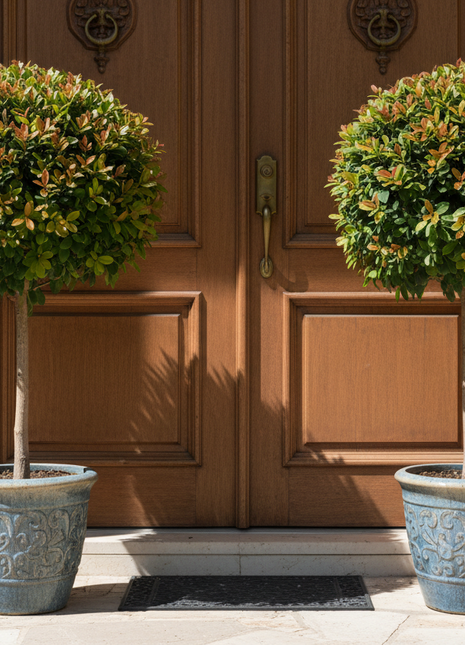
Simpson Stopper (Myrcianthes Fragrans)
Simpson Stopper (Myrcianthes fragrans) — Locally Grown in Pierson, Florida at Flowing Well Tree FarmNative Evergreen Privacy Shrub • Wildlife-Friendly Hedge Plant • Drought-Tolerant Florida Landscape Favorite • Florida-Grown Screening, Foundation & Habitat Species Simpson Stopper (Myrcianthes fragrans) is one of Florida’s most versatile and attractive native evergreen shrubs and small trees. Known for its dense foliage, fragrant white flowers, colorful edible berries, and beautiful exfoliating bark, this species provides year-round beauty while supporting pollinators and wildlife throughout the landscape. At Flowing Well Tree Farm in Pierson, Florida, we grow Simpson Stopper as premium native evergreen stock selected for dense branching, strong root development, and reliable performance in Florida’s heat, humidity, sandy soils, and coastal environments. Each plant is field-grown under real Florida conditions to ensure long-term durability, resilience, and landscape success. When you buy Simpson Stopper here, you are not receiving generic nursery stock—you are getting Florida-adapted native plants developed to thrive in the same conditions where they will ultimately be planted. That local adaptation matters. Myrcianthes fragrans develops stronger root systems, improved drought tolerance, and denser foliage when grown under Florida conditions from the beginning. Why Locally Grown Matters for Simpson Stopper Starting with Florida-grown stock provides key advantages: Stronger establishment in Florida’s sandy soilsImproved heat and humidity toleranceBetter drought resistance once establishedEnhanced survival rates in coastal and inland landscapesDenser foliage for screening and privacy applicationsMore reliable flowering and fruit production This creates a durable evergreen shrub capable of thriving with minimal maintenance. Evergreen Structure & Landscape Value Simpson Stopper is one of Florida’s most adaptable native landscape plants: 10–20 ft mature height depending on pruning and site conditionsDense evergreen foliage for year-round screeningNaturally attractive branching structureBeautiful smooth bark that peels to reveal orange, tan, and gray tonesExcellent hedge, privacy screen, or specimen plantWorks equally well in formal and naturalized landscapes It provides four-season beauty and landscape structure. Flowering & Seasonal Interest Simpson Stopper offers multiple seasons of ornamental appeal: Fragrant white flowers appear throughout spring and summerFlowers attract bees, butterflies, and beneficial pollinatorsBright orange-red berries follow flowering periodsEdible fruit is enjoyed by birds and wildlifeGlossy green foliage remains attractive year-roundDecorative exfoliating bark provides winter interest Few native shrubs offer this much year-round landscape value. Wildlife & Ecological Importance Simpson Stopper is a valuable native habitat plant: Provides nectar for native pollinatorsSupports butterflies, bees, and beneficial insectsProduces berries highly favored by songbirds and wildlifeOffers nesting cover and shelter through dense branchingEnhances biodiversity in residential and restoration landscapesFunctions as an important native food source throughout the year It is one of Florida’s best native shrubs for wildlife gardens. Growth Habit & Structural Function Simpson Stopper is a highly versatile evergreen species: 10–20+ ft mature height depending on pruning practicesNaturally dense and compact growth habitCan be maintained as a hedge or grown as a small treeModerate growth rate with strong long-term stabilityResponds exceptionally well to pruning and shapingExcellent for privacy screening and property borders It functions as both an ornamental specimen and a practical landscape solution. Climate & Site Adaptability Simpson Stopper thrives in Florida’s challenging environments: Native to Florida, the Caribbean, and coastal regions of the SoutheastExcellent heat and humidity toleranceHighly drought tolerant once establishedPerforms well in coastal environments and salt exposureAdaptable to sandy, rocky, and well-drained soilsStrong resilience during Florida storm seasons It is one of the most adaptable native evergreen shrubs available. USDA Growing Zones Best suited for Zones 8–11, with exceptional performance throughout Florida and coastal regions of the southeastern United States. Light Requirements For best growth and density: Full sun to partial shadeFull sun encourages maximum flowering and berry productionPartial shade is tolerated with excellent foliage developmentIdeal for hedges, foundations, and natural screening applications Soil & Site Requirements Highly adaptable native species: Thrives in sandy, well-drained Florida soilsTolerates alkaline and limestone-based soilsPerforms well in coastal environmentsModerate tolerance to occasional wet periodsBenefits from mulch during establishment Planting Guidance (Grower Recommended) For best long-term performance: Plant in full sun to partial shadeDig hole 2–3× wider than root ballSet at original soil depthWater deeply after plantingApply mulch to conserve moisture and suppress weedsSpace 4–8 ft apart for hedges and screensAllow room for mature growth when used as a specimen plant We can assist with native hedge design, privacy screening layouts, and wildlife-focused landscape planning. Watering & Establishment Water regularly during the first growing season. Once established, Simpson Stopper becomes highly drought tolerant and performs exceptionally well under Florida’s seasonal rainfall patterns. Fertilizer Low input requirements: Minimal fertilization needed once establishedOrganic compost supports healthy root developmentAvoid excessive fertilization to maintain natural growth habitPerforms best in balanced native soil conditions Pruning & Maintenance Very low maintenance: Excellent response to pruning and shapingCan be maintained as a formal hedge or natural screenMinimal pest and disease concernsNaturally dense growth reduces maintenance needsLong-lived and dependable in Florida landscapes Why This Is a Smarter Long-Term Investment ✔ Locally grown in Florida for maximum adaptation✔ Excellent native privacy hedge and screening plant✔ Year-round evergreen beauty and structure✔ Fragrant flowers and colorful wildlife-friendly berries✔ Highly drought tolerant once established✔ Performs well in coastal and inland landscapes✔ Supports pollinators, birds, and beneficial wildlife✔ Grower-direct quality for Florida conditions The Real Value This isn’t just a hedge plant—it’s a complete native landscape solution that provides privacy, wildlife habitat, seasonal beauty, and long-term resilience. When you plant Simpson Stopper, you’re investing in one of Florida’s most versatile native evergreens—a plant that creates structure, supports biodiversity, and delivers year-round performance while thriving in the demanding conditions of the Florida landscape.
$10.00 - $130.00
-


Native Viburnum (Viburnum Obovatum)
Native Viburnum (Viburnum obovatum) — Locally Grown in Pierson, Florida at Flowing Well Tree FarmNative Evergreen Shrub/Small Tree • Dense Screening Plant • Pollinator Flowering Species • Florida-Grown Restoration & Hedgerow Stock Native Viburnum (Viburnum obovatum), commonly known as Walter’s Viburnum, is one of the most versatile and structurally important native shrubs in Florida ecosystems. Known for its dense evergreen foliage, fine branching habit, and seasonal clusters of small white flowers followed by dark fruit, this species is widely used in hedgerows, natural privacy screens, wildlife corridors, and habitat restoration plantings. Naturally found in hammocks, floodplains, and forest edges across the southeastern United States, Viburnum obovatum thrives in Florida’s heat, humidity, and variable soil conditions. At Flowing Well Tree Farm in Pierson, Florida, we grow this species as premium native stock specifically selected for strong branching, fast establishment, and long-term landscape performance. When you buy Native Viburnum here, you’re not receiving weak ornamental filler stock—you’re getting locally grown, Florida-adapted plants conditioned for real-world conditions including sandy soils, seasonal flooding, drought cycles, and intense summer heat. That local adaptation is critical. Viburnum obovatum is one of the best native plants for fast hedging and ecological structure, but only performs at its highest level when grown and hardened in similar conditions from the start. Why Locally Grown Matters for Native Viburnum Starting with Florida-grown stock provides major advantages: Faster establishment in sandy and variable soils Stronger branching structure for hedges and screens Improved heat and humidity tolerance Better long-term drought and flood cycle resilience Denser growth habit for privacy and habitat value Higher survival rates in restoration plantings This creates a more reliable and functional native hedge system from year one. Flowering, Fruit & Seasonal Value Native Viburnum provides year-round ecological and seasonal interest: Clusters of small white flowers in spring Nectar source for native bees and pollinators Dark berry-like drupes in late summer to fall Important seasonal food source for birds and wildlife Subtle but consistent ornamental appeal Naturalistic texture in native landscapes It delivers function without losing its refined native aesthetic. Wildlife & Habitat Importance Viburnum obovatum is a foundational wildlife shrub: Berries consumed by songbirds and small mammals Dense evergreen structure provides year-round cover Excellent nesting and shelter habitat in hedgerows Supports pollinators during spring bloom period Enhances corridor connectivity in fragmented landscapes It is one of the most dependable native species for habitat structure. Growth Habit & Landscape Value This is one of Florida’s best native screening plants: 8–15 ft shrub or small tree form (can be kept lower with pruning) Extremely dense, fine-textured branching habit Naturally forms thick hedges and living fences Responds exceptionally well to trimming and shaping Ideal for formal or naturalized native hedgerows Excellent substitute for non-native privacy shrubs It is widely considered one of the best native alternatives for evergreen screening. Climate & Site Adaptability Native Viburnum is highly adaptable across Florida: Native to southeastern U.S. wetlands and uplands Performs well in full sun to partial shade Tolerates seasonal flooding and drought once established Thrives in sandy, loamy, and organic soils Highly heat and humidity tolerant Performs well in both managed and natural systems It is one of the most flexible native shrubs available. USDA Growing Zones Best suited for Zones 7–10, performing strongly throughout Florida and the Gulf and coastal southeastern regions. Light Requirements For best density and flowering: Full sun to partial shade More sun increases density and flowering Partial shade helps in hotter inland sites Highly adaptable across light conditions Soil & Site Requirements Adapted to a wide range of Florida soils: Prefers moist, well-drained soils Tolerates sandy, clay, and organic soils Handles periodic wet conditions Benefits from mulch and organic matter Avoid permanently saturated stagnant sites Planting Guidance (Grower Recommended) For best hedge or specimen performance: Plant in full sun or partial shade Dig hole 2–3× wider than root ball Set at original soil depth Water deeply after planting Apply mulch to retain moisture and suppress weeds Space 4–6 ft apart for hedges or screening rows Prune lightly early to encourage branching density We can assist with hedge design, property screening layouts, and native landscape structuring. Watering & Establishment Water regularly during the first 1–2 growing seasons. Once established, Native Viburnum becomes highly resilient and can tolerate both drought and wet cycles common in Florida climates. Fertilizer Low-input native shrub: Minimal fertilizer required Compost improves density and flowering performance Avoid high nitrogen fertilizers (prevents overly loose growth) Performs best in natural soil systems Pruning & Maintenance Highly manageable and responsive: Responds extremely well to pruning and shaping Can be maintained as formal hedge or natural screen Benefits from periodic trimming for density Rebounds quickly after cutting Low maintenance in naturalized landscapes Why This Is a Smarter Long-Term Investment ✔ Locally grown in Florida for superior adaptation✔ One of the best native evergreen screening shrubs✔ Excellent hedge, buffer, and privacy plant✔ High wildlife and pollinator value✔ Strong tolerance to Florida’s climate extremes✔ Fast-forming dense structure for landscapes✔ Ideal for restoration and native hedgerows✔ Grower-direct expertise for real Florida systems The Real Value This isn’t just a landscape shrub—it’s a living structural system that creates privacy, supports wildlife, and restores native habitat function. When you plant Native Viburnum, you’re building a dense evergreen hedge that replaces non-native ornamentals with a resilient, ecologically valuable native alternative that improves every year it grows.
$22.00 - $115.00
-


American Beautyberry (Callicarpa Americana)
American Beautyberry (Callicarpa americana) — Locally Grown in Pierson, Florida at Flowing Well Tree FarmNative Wildlife Berry Shrub • Pollinator Magnet • Heat-Tolerant Understory Plant • Florida-Grown Restoration Stock American Beautyberry (Callicarpa americana) is one of the most recognizable and ecologically important native shrubs in the southeastern United States. Known for its striking clusters of vivid purple berries that wrap tightly around arching green stems in late summer and fall, this plant delivers both ornamental impact and serious wildlife value in Florida landscapes. Naturally found in pine flatwoods, hammocks, and woodland edges, beautyberry is a resilient understory shrub that thrives in the same challenging Florida conditions we grow in every day at Flowing Well Tree Farm in Pierson. It is a foundational species for restoration plantings, wildlife corridors, native hedgerows, and naturalized residential landscapes. When you buy American Beautyberry here, you're not receiving stressed, greenhouse-softened ornamental stock—you’re getting locally grown, Florida-adapted native plants conditioned for real-world environments including heat, humidity, sandy soils, seasonal drought, and heavy summer rainfall cycles. That local adaptation matters. Beautyberry establishes faster, handles stress better, and forms denser, more productive shrub structure when grown from Florida-propagated stock rather than imported nursery material. Why Locally Grown Matters for Beautyberry Starting with Florida-grown stock gives long-term advantages: Faster establishment in sandy and nutrient-variable soils Improved tolerance to heat, humidity, and drought cycles Stronger natural branching and berry production Better resilience in restoration and unmanaged landscapes More reliable long-term survival in native ecosystems Faster transition into wildlife-supporting structure This creates a stronger, more functional native shrub from year one. Fruit, Ecological & Ornamental Value American Beautyberry is best known for its signature berry display, but its value goes far beyond aesthetics: Clusters of bright purple berries surrounding stems in fall Important seasonal food source for birds and small mammals Traditional use in natural and folk applications Aromatic foliage historically used as a natural insect deterrent High-impact ornamental color in native landscapes Excellent cut branches for natural arrangements It is one of the most visually distinctive native shrubs in North America. Wildlife & Pollinator Importance Beautyberry is a powerhouse for ecosystem support: Berries feed songbirds, quail, deer, and small mammals Flowers attract native bees and beneficial pollinators Dense branching provides cover and nesting habitat Supports late-season wildlife nutrition when food sources decline Enhances biodiversity in managed and natural systems It plays a key role in restoring functional Florida habitat. Growth Habit & Landscape Value American Beautyberry is fast-growing, adaptable, and easy to integrate: 4–8 ft mature height (can spread wider in ideal conditions) Arching multi-stem shrub with open, graceful structure Responds well to pruning and rejuvenation cutting Ideal for hedgerows, understory plantings, and mixed native systems Works well in mass plantings or naturalized groupings It provides structure without becoming aggressive or invasive. Climate & Site Adaptability Beautyberry is perfectly suited for Florida landscapes: Native throughout the southeastern U.S. Thrives in pine flatwoods and woodland edges Performs well in sandy, loamy, or disturbed soils Highly tolerant of heat and humidity Handles seasonal drought once established Prefers partial shade but adapts to full sun It is one of the most flexible native shrubs available for Florida restoration. USDA Growing Zones Best suited for Zones 6–10, with strong performance throughout Florida and the Gulf Coast region. Light Requirements For best structure and berry display: Partial shade preferred (natural woodland conditions) Tolerates full sun with adequate moisture More light increases berry production and density Soil & Site Requirements Adapted to a wide range of Florida conditions: Performs in sandy, loamy, or organic soils Tolerates low fertility environments Handles periodic drought once established Benefits from mulch and organic matter Avoid constantly waterlogged root zones Planting Guidance (Grower Recommended) For best establishment and long-term structure: Plant in partial shade or filtered sun Dig hole 2–3× wider than root ball Set plant at original soil depth Water deeply after planting Apply mulch to retain moisture and suppress weeds Space 4–6 ft apart for hedgerows or groupings Light pruning encourages fuller branching We can assist with native hedgerow design, understory planning, and habitat restoration layouts. Watering & Establishment Water regularly during the first growing season. Once established, American Beautyberry becomes highly drought tolerant while still responding positively to seasonal rainfall patterns typical of Florida. Fertilizer Low-maintenance native shrub: Minimal fertilizer required Compost improves structure and berry density Avoid heavy nitrogen inputs to maintain natural form Performs best in low-input ecological systems Pruning & Maintenance Very manageable and adaptable: Responds well to hard pruning or rejuvenation cuts Can be cut back annually for denser berry production Naturally regrows from base after trimming Pruning improves airflow and fruit visibility Low maintenance in naturalized landscapes Why This Is a Smarter Long-Term Investment ✔ Locally grown in Florida for superior adaptation✔ High-impact native wildlife berry producer✔ Excellent understory and hedgerow species✔ Strong pollinator and bird habitat value✔ Thrives in sandy, challenging soils✔ Low maintenance and highly resilient✔ Ideal for restoration and natural landscapes✔ Grower-direct knowledge for real Florida systems The Real Value This isn’t just a native shrub—it’s a seasonal food source, wildlife habitat engine, and structural backbone for Florida ecosystems. When you plant American Beautyberry, you’re adding color, function, and biodiversity to the landscape while building a resilient native system that improves year after year.
$10.00 - $22.00
-


Dahoon Holly (Ilex Cassine)
Dahoon Holly (Ilex cassine) — Locally Grown in Pierson, Florida at Flowing Well Tree FarmNative Evergreen Privacy Tree • Wildlife-Friendly Berry Producer • Wetland & Pond Edge Landscape Species • Florida-Grown Screening, Restoration & Habitat Tree Dahoon Holly (Ilex cassine) is one of Florida’s most elegant native evergreen trees, prized for its glossy foliage, bright red berries, and exceptional adaptability to wet soils. Naturally found along wetlands, marsh edges, swamps, and river systems throughout Florida, Dahoon Holly provides year-round beauty while supporting birds, pollinators, and native wildlife. At Flowing Well Tree Farm in Pierson, Florida, we grow Dahoon Holly as premium native evergreen stock selected for strong branching structure, dense foliage, and long-term performance in Florida’s heat, humidity, sandy soils, and seasonally wet environments. Each tree is field-grown under real Florida conditions to ensure resilience, durability, and superior landscape performance. When you buy Dahoon Holly here, you are not receiving generic nursery stock—you are getting Florida-adapted native trees developed to thrive in the same challenging conditions found throughout Florida landscapes. That local adaptation matters. Ilex cassine develops stronger root systems, improved drought and flood tolerance, and denser evergreen canopies when grown under Florida conditions from the beginning. Why Locally Grown Matters for Dahoon Holly Starting with Florida-grown stock provides key advantages: Stronger establishment in Florida's sandy soilsImproved tolerance to heat and humidityBetter adaptation to seasonal flooding and wet soilsEnhanced drought tolerance once establishedHigher survival rates in restoration and landscape projectsDenser foliage and stronger branching structure This creates a dependable evergreen tree that performs exceptionally well throughout Florida. Evergreen Structure & Landscape Value Dahoon Holly is a highly versatile native evergreen tree: 20–40 ft mature height depending on site conditionsNarrow to rounded canopy ideal for screening and privacyGlossy dark green foliage remains attractive year-roundNaturally elegant growth habit with refined appearanceExcellent specimen, hedge, or property boundary treeSuitable for residential, commercial, and restoration landscapes It provides year-round structure and beauty with minimal maintenance. Berry Production & Seasonal Interest Dahoon Holly provides outstanding seasonal color: Female trees produce brilliant red berries in fall and winterBerries persist for months, creating dramatic seasonal displaysExcellent contrast against evergreen foliageProvides ornamental interest during cooler monthsOne of Florida’s most attractive native berry-producing treesPopular for wildlife gardens and natural landscapes Its colorful berries are among the most recognizable features of Florida's native forests and wetlands. Wildlife & Ecological Importance Dahoon Holly is a valuable native habitat species: Provides nectar for native pollinators during floweringBerries serve as an important food source for birds and wildlifeOffers year-round shelter and nesting opportunitiesSupports biodiversity in wetland and upland habitatsExcellent component of restoration and conservation projectsStrengthens native ecosystem health and resilience It is one of Florida's most important wildlife-supporting evergreen trees. Growth Habit & Structural Function Dahoon Holly functions as both a screening tree and habitat species: 20–40+ ft mature height depending on site conditionsDense evergreen canopy provides privacy and wind protectionModerate growth rate with strong long-term stabilityCan be maintained as a multi-trunk specimen or single-trunk treeExcellent for naturalized landscapes and property bordersLong-lived and dependable once established It serves as both a landscape feature and ecological asset. Climate & Site Adaptability Dahoon Holly is exceptionally well adapted to Florida conditions: Native throughout Florida and the southeastern United StatesThrives in high heat and humidityExcellent tolerance to wet and seasonally flooded soilsPerforms well near ponds, lakes, marshes, and retention areasAdaptable to sandy and organic-rich soilsStrong resilience during Florida storm seasons Few native evergreen trees are as adaptable to wet environments. USDA Growing Zones Best suited for Zones 7–11, with exceptional performance throughout Florida and much of the southeastern United States. Light Requirements For best growth and berry production: Full sun to partial shadeFull sun encourages denser growth and heavier berry productionPartial shade is tolerated in woodland and wetland settingsIdeal for open landscapes, pond edges, and naturalized areas Soil & Site Requirements Highly adaptable native species: Thrives in moist, wet, and seasonally flooded soilsPerforms well in sandy Florida soilsTolerates acidic and organic-rich conditionsSuitable for wetlands, retention ponds, and rain gardensBenefits from mulch during establishment Planting Guidance (Grower Recommended) For best long-term performance: Plant in full sun to partial shadeDig hole 2–3× wider than root ballSet at original soil depthWater deeply after plantingApply mulch to conserve moisture and regulate soil temperatureSpace 15–25 ft apart for screening applicationsAllow room for mature canopy development We can assist with privacy screening layouts, wetland restoration planning, wildlife habitat design, and native landscape installations. Watering & Establishment Water regularly during the first growing season. Once established, Dahoon Holly becomes highly resilient and capable of thriving through both seasonal flooding and drought conditions common throughout Florida. Fertilizer Low input requirements: Minimal fertilization required once establishedOrganic compost supports healthy root developmentAvoid excessive nitrogen applicationsPerforms best in balanced native soil systems Pruning & Maintenance Very low maintenance: Can be lightly pruned to shape or maintain screening formNaturally attractive growth habit requires minimal interventionExcellent response to selective structural pruningFew pest or disease concernsLong-lived and dependable in Florida landscapes Why This Is a Smarter Long-Term Investment ✔ Locally grown in Florida for maximum adaptation✔ Beautiful native evergreen privacy and screening tree✔ Brilliant red berries for seasonal interest✔ Excellent wildlife habitat and food source✔ Exceptional tolerance to wet soils and flooding✔ Strong heat, humidity, and storm resilience✔ Ideal for restoration, ponds, and natural landscapes✔ Grower-direct quality for Florida conditions The Real Value This isn’t just an evergreen tree—it’s a year-round habitat builder that provides privacy, wildlife support, and landscape structure while thriving in some of Florida’s most challenging environments. When you plant Dahoon Holly, you’re investing in a resilient Florida native that delivers evergreen beauty, vibrant winter berries, and long-term ecological value while supporting birds, pollinators, and native ecosystems for generations to come.
$9.00 - $200.00
-

Highbush Blueberry (Vaccinium Corymbosum)
Highbush Blueberry (Vaccinium corymbosum) — Locally Grown in Pierson, Florida at Flowing Well Tree Farm Edible Landscape Favorite • Seasonal Color • Pollinator Friendly • Florida-Grown for Strong Establishment When you buy Highbush Blueberry here, you’re not getting generic nursery shrubs shipped in from other regions—you’re getting plants grown directly in Pierson, acclimated to real growing conditions including Florida heat, humidity, and soil variability from the start. That matters because blueberries are sensitive to soil chemistry and establishment stress. Locally grown stock transitions more smoothly into your landscape, develops stronger root systems, and begins performing sooner as a fruiting shrub. This is direct-from-grower material. You can visit the farm, see how edible landscape plants are produced, and get real guidance from the people who grow them—not a reseller. That means practical advice based on real Florida performance, not just general growing charts. Highbush Blueberry is one of the most valuable edible landscape plants because it combines reliable fruit production with strong ornamental appeal in every season. Why Locally Grown Matters Even well-known fruiting shrubs perform better when grown in-region from the start: Stronger adaptation to Florida heat and rainfall cycles Improved root development in local soil conditions Reduced transplant shock Faster establishment and earlier fruiting potential Better long-term productivity in home landscapes It’s a more reliable foundation for a long-lived edible planting. Delicious Fruit with Real Landscape Value Highbush Blueberry produces large, sweet, antioxidant-rich berries that are excellent for: Fresh eating Baking and desserts Jams and preserves Smoothies and juices With proper care and multiple varieties for cross-pollination, yields can be substantial and consistent. Four-Season Ornamental Appeal This is not just a fruit plant—it’s a landscape shrub with year-round interest: Spring: soft white bell-shaped flowers that attract pollinators Summer: abundant blueberry harvest Fall: brilliant red and orange foliage color Structure: dense upright form that works in edible borders It performs as both a food source and a visual focal point. USDA Growing Zones Best suited for Zones 4–8, with proper site preparation required in warmer climates like Florida for best performance. Mature Size & Growth Habit A productive upright shrub: 6–12 ft tall 4–8 ft wide Forms a dense, structured plant ideal for edible hedges, orchard rows, or landscape accents. Light Requirements Performs best in full sun (6–8+ hours daily). Full sun improves fruiting, sugar content, and plant vigor. Soil Requirements (Critical for Success) Blueberries require specific soil conditions: Acidic soil (pH 4.5–5.5) Well-drained but moisture-retentive structure High organic matter content Amended beds with pine bark, peat, or similar materials Mulching with pine straw or pine bark helps maintain ideal conditions long-term. Planting Guidance (Grower Recommended) We focus on setting plants up for long-term productivity: Prepare acidic, well-drained planting area Dig a hole twice as wide as the root ball Plant at original container depth Backfill with amended acidic soil Water deeply after planting Apply mulch generously, keeping it away from the crown If you visit the farm, we can help guide soil preparation and placement for better fruit production. Watering & Establishment Maintain consistent moisture, especially during flowering and fruiting periods. Do not allow soil to dry out completely. Once established, plants still benefit from steady irrigation during hot weather and fruit development. Fertilizer Use fertilizer formulated for acid-loving plants (such as azalea or camellia blends): Apply in early spring Optional second application after harvest Avoid over-fertilization to protect root health and fruit quality Pruning & Maintenance Prune in late winter during dormancy: Remove dead or weak wood Thin older canes to promote new growth Maintain airflow through the shrub Encourage strong fruiting structure Proper pruning directly improves long-term yields. Fruit & Pollination Notes Harvest in early to mid-summer Rich in antioxidants, vitamins, and fiber Best results with multiple varieties for cross-pollination Improved yields with proper soil acidity and sunlight Why This Is a Smarter Long-Term Investment ✔ Grown locally in Florida conditions from the start✔ Stronger establishment and reduced transplant shock✔ Direct grower guidance for soil and planting success✔ Reliable edible production with ornamental value✔ Better adaptation than out-of-region nursery stock✔ Multi-season landscape interest (flower, fruit, fall color)✔ Opportunity to visit, learn, and select in person The Real Advantage This isn’t just a blueberry purchase—it’s a long-term edible landscape system built on correct soil, local growing experience, and plants already adapted to real Florida conditions. You’re not just planting a shrub. You’re planting a seasonal harvest that improves year after year.
$10.00 - $30.00
-

Pignut Hickory (Carya glabra)
Pignut Hickory (Carya glabra) — Locally Grown in Pierson, Florida at Flowing Well Tree Farm Hardy Native Hardwood • Wildlife Value Tree • Long-Lived Canopy Species • Florida-Grown Restoration Stock Pignut Hickory (Carya glabra) is one of the most resilient and ecologically important native hardwood trees in the eastern United States. Known for its strong central trunk, long lifespan, and outstanding wildlife value, it is widely used in restoration projects, conservation lands, mixed hardwood forests, and large-scale native landscape plantings throughout Florida and the Southeast. When you buy Pignut Hickory here, you’re not getting weak, over-irrigated nursery shade stock—you’re getting locally grown, field-conditioned trees produced in Pierson, already adapted to Florida heat, humidity, sandy soils, and the real stress conditions found in restoration and upland sites. That matters for hardwood establishment. Locally grown hickories develop stronger root systems, better drought tolerance, and improved long-term survival because they’ve been raised in the same environmental conditions they will be planted into. This is direct-from-grower restoration-grade material. You can visit the farm, see how native hardwoods are grown, and get practical guidance on spacing, canopy planning, and long-term forest development. Pignut Hickory is especially valuable because it contributes long-term canopy structure, deep ecological value, and critical wildlife food sources in native ecosystems. Why Locally Grown Matters for Hickory Trees Starting with Florida-grown stock makes a noticeable difference: Stronger taproot and lateral root developmentBetter drought tolerance after transplantImproved survival in sandy, nutrient-poor soilsFaster adaptation to field conditionsMore stable long-term canopy establishment It’s a stronger foundation for reforestation and restoration success. Long-Term Canopy & Forest Development Value Pignut Hickory is not a fast ornamental—it is a long-term investment tree: Forms tall, straight hardwood canopy over timeProvides structure for mixed native forestsSupports long-term ecological successionIntegrates well into restoration ecosystemsAdds durability and resilience to native stands It is commonly used in reforestation and conservation planning where longevity matters. Wildlife & Ecological Importance This species is a powerhouse for native wildlife systems: Produces high-value nuts for wildlife consumptionSupports squirrels, deer, turkey, and birdsEnhances biodiversity in mixed hardwood forestsContributes to healthy native ecosystem food chainsImportant mast-producing tree for long-term habitat It turns a planting site into a functioning wildlife system. Climate & Site Adaptability Pignut Hickory performs best in naturalized and upland environments: Native to well-drained upland forestsTolerates sandy and loamy soilsModerately drought tolerant once establishedPrefers full sun to partial shadeNot suited for long-term flooding or saturated soils It excels in restoration and upland reforestation projects. USDA Growing Zones Best suited for Zones 5–9, performing strongly throughout Florida’s northern and central regions and similar southeastern climates. Mature Size & Growth Habit A long-lived native canopy tree: 60–100 ft mature heightStrong central trunk with upright formDevelops broad canopy over timeVery long lifespan under natural conditions Light Requirements Performs best with adequate sunlight: Full sun for strongest growthTolerates partial shade in forested settings Soil & Site Requirements Adapted to native upland conditions: Prefers well-drained sandy or loamy soilsTolerates low fertility environmentsPerforms best in natural forest soilsAvoids poorly drained or flooded sites Planting Guidance (Grower Recommended) For best long-term establishment: Plant in full sun or open woodland settingsEnsure deep, well-drained soil conditionsDig planting hole 2–3× wider than root ballPlant at original soil depthWater deeply after installationApply mulch while keeping away from trunkMaintain consistent watering during first establishment period We can assist with restoration spacing and forest layout planning for long-term canopy development. Watering & Establishment Water regularly during the first 1–2 growing seasons to establish a deep root system. Once established, Pignut Hickory becomes increasingly drought tolerant and self-sustaining in naturalized conditions. Fertilizer Minimal fertilization required: Light balanced fertilizer only if needed in early establishmentAvoid heavy fertilization to encourage natural hardinessBest performance in low-input restoration systems Pruning & Maintenance Very low maintenance: Minimal pruning required after establishmentNaturally develops strong structural formBest left to grow into natural canopy shapeLong-term management mainly for site clearance in early years Why This Is a Smarter Long-Term Investment ✔ Locally grown in Florida conditions for stronger field performance✔ Long-lived native hardwood for permanent canopy systems✔ High wildlife and ecological value species✔ Strong restoration and reforestation performance✔ Deep root system development for drought resilience✔ Ideal for conservation and naturalized landscapes✔ Grower-direct knowledge for forest planning and establishment The Real Value This isn’t a fast ornamental—it’s a long-term native hardwood investment. You’re not just planting a tree. You’re building future forest structure, wildlife habitat, and ecological stability that will continue to develop for generations.
$25.00 - $90.00
-


Eastern Redbud (Cercis Canadensis)
Eastern Redbud (Cercis canadensis) — Locally Grown in Pierson, Florida at Flowing Well Tree FarmNative Flowering Understory Tree • Early Spring Blooming Accent Species • Wildlife-Friendly Small Canopy Tree • Florida-Grown Ornamental & Ecological Landscape Tree Eastern Redbud (Cercis canadensis) is one of the most beloved native flowering trees in eastern North America, known for its brilliant early spring magenta-pink blooms that emerge directly on bare branches before the leaves appear. This unique flowering habit makes it one of the most visually striking small native trees in the landscape, especially in naturalized gardens, woodland edges, and understory plantings. At Flowing Well Tree Farm in Pierson, Florida, we grow Eastern Redbud as premium native understory and accent stock selected for strong branching structure, reliable flowering performance, and adaptation to Florida’s heat, humidity, and variable soil conditions. Each tree is field-conditioned to ensure resilience in sandy soils, seasonal moisture swings, and warm climate stress. When you buy Eastern Redbud here, you are not receiving delicate northern-grown ornamental stock—you are getting Florida-adapted native flowering trees developed for real-world performance in southern landscapes. That local adaptation matters. Cercis canadensis performs best when grown in-region, where it develops improved heat tolerance, stronger root systems, and more consistent flowering performance under Florida’s climate conditions. Why Locally Grown Matters for Eastern Redbud Starting with Florida-grown stock provides key advantages: Stronger establishment in sandy and well-drained soilsImproved heat and humidity tolerance from early developmentBetter drought resilience once established in Florida conditionsHigher survival rates in residential and naturalized landscapesMore consistent flowering performance in southern climatesStronger branching structure for long-term ornamental form This creates a reliable native flowering tree that thrives beyond typical nursery expectations in Florida environments. Flowering & Seasonal Interest Eastern Redbud is a premier native flowering accent species: Early spring magenta to pink blooms appear before leaf-outFlowers emerge directly on branches and trunk (cauliflorous flowering)Provides one of the earliest nectar sources for pollinatorsHeart-shaped green leaves follow bloom cycle for summer canopyGolden-yellow fall color in late season conditionsHigh visual impact in naturalized and designed landscapes It is one of the most recognizable and celebrated native flowering trees in the Southeast. Canopy Structure & Landscape Value Eastern Redbud is a small ornamental canopy tree: 20–30 ft mature height depending on site conditionsBroad, vase-shaped to rounded canopy structureMulti-trunk or single-trunk form depending on trainingLight to medium shade ideal for understory ecosystemsCompact size suitable for residential and small landscape useStrong seasonal visual interest across all four seasons It functions as a signature accent tree in native and ornamental plantings. Ecological & Habitat Importance Eastern Redbud plays an important ecological role: Early spring nectar source for bees, butterflies, and pollinatorsProvides cover and nesting habitat for small birdsSupports understory biodiversity in mixed hardwood forestsThrives along woodland edges and transition zonesContributes to native pollinator corridor systemsEnhances diversity in restoration and rewilding projects It is a valuable species for pollinator-focused landscapes. Growth Habit & Structural Function Eastern Redbud is a small structural understory tree: 20–30+ ft mature height depending on site conditionsRounded, spreading canopy with graceful branching structureOften multi-stemmed with naturally artistic formModerate growth rate with strong early establishmentMedium lifespan with consistent ornamental performanceWell-suited for understory and edge planting systems It provides structure without overwhelming surrounding plantings. Climate & Site Adaptability Eastern Redbud adapts well to Florida conditions when properly established: Native to eastern and central United States woodlandsTolerates heat and humidity in partial shade or filtered sunPerforms best in well-drained soils with organic matterModerate drought tolerance once establishedPrefers protection from extreme, prolonged floodingExcellent in mixed woodland and residential landscapes It is a flexible native flowering tree for diverse planting conditions. USDA Growing Zones Best suited for Zones 4–9, with strong performance throughout Florida when properly sited and established. Light Requirements For best flowering and structure: Partial shade to full sun in northern Florida conditionsMorning sun with afternoon shade ideal in hotter sitesFull sun possible with adequate moisture and soil healthFiltered light improves longevity and canopy balance Soil & Site Requirements Adaptable native understory species: Prefers well-drained sandy or loamy soilsBenefits from organic matter and mulchTolerates a range of soil pH conditionsDoes not prefer prolonged flooding or saturated soilsPerforms well in woodland edges and mixed plantings Planting Guidance (Grower Recommended) For best long-term performance: Plant in partial shade or filtered sun for best longevityDig hole 2–3× wider than root ballSet at original soil depthWater deeply after planting to establish root contactApply mulch 2–4 inches deep, keeping away from trunkSpace 15–25 ft apart for natural form developmentProtect young trees from extreme afternoon heat exposure We can assist with understory design, flowering native gardens, and pollinator habitat layouts. Watering & Establishment Water regularly during the first 1–2 growing seasons. Once established, Eastern Redbud becomes moderately drought tolerant and performs reliably in Florida’s seasonal rainfall patterns. Fertilizer Low to moderate input requirements: Light fertilization supports early growth and floweringOrganic compost improves soil biology and root developmentAvoid excessive nitrogen to maintain strong bloom productionPerforms best in balanced, natural soil systems Pruning & Maintenance Low maintenance ornamental tree: Prune lightly after flowering to shape structureRemove dead or crossing branches as neededNaturally develops attractive branching formMinimal long-term pruning requiredBest left in natural aesthetic form for flowering display Why This Is a Smarter Long-Term Investment ✔ Locally grown in Florida for climate adaptation✔ One of the earliest and most beautiful native bloomers✔ High pollinator and wildlife value✔ Excellent small-scale shade and ornamental structure✔ Adaptable understory and edge planting species✔ Strong seasonal interest (spring flowers + fall color)✔ Ideal for residential and restoration landscapes✔ Grower-direct native flowering stock The Real Value This is not just a flowering tree—it is a seasonal signature species that brings color, life, and ecological function to Florida landscapes at the most visually impactful time of year. When you plant Eastern Redbud, you are investing in a native flowering understory tree that supports pollinators, enhances biodiversity, and delivers one of the most striking seasonal displays in southeastern native ecosystems.
$50.00 - $130.00
-

Fig LSU Gold (Ficus carica 'LSU Gold')
Fig ‘LSU Gold’ (Ficus carica ‘LSU Gold’) — Locally Grown in Pierson, Florida at Flowing Well Tree Farm Premium Edible Fruit Tree • Heat-Tolerant Fig Variety • High-Yield Orchard Tree • Florida-Grown Fruit Stock Fig ‘LSU Gold’ (Ficus carica ‘LSU Gold’) is a highly regarded fig variety developed by Louisiana State University for exceptional performance in hot, humid southern climates. Known for its golden-yellow skin, rich sweet flavor, and reliable production, ‘LSU Gold’ is one of the most dependable fig cultivars for home orchards and edible landscapes throughout Florida and the Southeast. When you buy Fig ‘LSU Gold’ here, you're not getting stressed, long-distance nursery stock—you’re getting locally grown, Florida-adapted plants produced in Pierson and conditioned for real Florida conditions including heat, humidity, sandy soils, and seasonal rainfall swings. That matters for long-term success. Locally grown fig trees establish faster, develop stronger root systems, and transition more smoothly into productive fruiting cycles under Florida growing conditions. This is direct-from-grower edible fruit stock. Visit the farm, see how our fruit trees are grown, and receive practical guidance on orchard design, pruning systems, and long-term edible landscape planning. Fig ‘LSU Gold’ is especially valued for its reliable production, attractive fruit quality, and strong performance in warm coastal climates. Why Locally Grown Matters for Fig Trees Starting with Florida-grown stock provides key advantages: Faster root establishment in sandy soils Better adaptation to heat and humidity Reduced transplant shock Stronger early structural growth Improved long-term fruiting consistency Better survival in real landscape conditions It creates a stronger foundation for productive orchard development. Fruit Quality & Production Value ‘LSU Gold’ is known for its high-quality fruit and dependable yields: Golden-yellow skin with attractive appearance Sweet, rich, berry-like flavor profile Excellent fresh eating quality Reliable annual production in warm climates Good for preserves and culinary use Consistent performance in humid southern regions It is considered one of the most dependable LSU fig releases for Florida growers. Growth Habit & Landscape Use A manageable and productive fruit tree: 8–12 ft mature height (easily maintained smaller with pruning) 8–12 ft spread Multi-stem or small tree form Well-suited for backyard orchards Ideal for edible landscaping and small farms Its compact size makes it easy to integrate into residential food systems. Climate & Site Adaptability Fig ‘LSU Gold’ performs exceptionally well in southern climates: Thrives in warm, humid environments Excellent heat tolerance Performs well in Florida sandy soils Prefers well-drained planting sites More reliable than many traditional fig varieties in the Southeast Handles seasonal drought once established It is a strong choice for Florida’s challenging growing conditions. USDA Growing Zones Best suited for Zones 7–10, performing strongly throughout Florida and much of the southeastern United States. Light Requirements For best fruit production: Full sun preferred Minimum 6–8 hours of direct sunlight daily Reduced yields in shaded locations Soil & Site Requirements Adapted to common Florida orchard soils: Prefers well-drained sandy or loamy soils Tolerates moderate soil fertility Performs best in slightly elevated sites Avoid heavy, poorly drained soils Benefits from organic mulch and soil improvement Planting Guidance (Grower Recommended) For best establishment and production: Plant in full sun locations Dig planting hole 2–3× wider than root ball Plant at original soil depth Water thoroughly after planting Apply mulch while keeping away from trunk Space for mature canopy development Prune lightly to establish structure and airflow We can assist with orchard layout design, pruning strategy, and edible landscape planning. Watering & Establishment Water regularly during the first growing season. Once established, Fig ‘LSU Gold’ becomes moderately drought tolerant and performs well with minimal supplemental irrigation. Fertilizer Moderate feeding recommended: Light balanced fertilizer during active growth Avoid excessive nitrogen to promote fruiting Organic compost supports long-term soil health Consistent nutrition improves yields Pruning & Maintenance Low to moderate maintenance: Prune during dormant season to shape and control size Remove dead or crowded branches Maintain open canopy for sunlight penetration Can be trained as shrub or small tree form Why This Is a Smarter Long-Term Investment ✔ Locally grown in Florida for superior adaptation ✔ High-performing LSU-developed fig variety ✔ Reliable fruit production in hot, humid climates ✔ Excellent edible landscape tree ✔ Sweet, high-quality golden fruit ✔ Compact and easy to manage size ✔ Strong performance in Southeast conditions ✔ Grower-direct orchard support and guidance The Real Value This isn’t just a fruit tree—it’s a reliable food-producing system for your landscape. You’re not simply planting a fig. You’re creating a productive edible landscape, building long-term fruit production, and investing in a resilient tree that provides harvests, shade, and value season after season.
$9.00
-

Mayhaw (Crataegus Aestivalis)
Mayhaw (Crataegus aestivalis) — Locally Grown in Pierson, Florida at Flowing Well Tree Farm Native Fruit Tree • Wetland Adapted Hawthorn • Jelly-Producing Heritage Species • Florida-Grown Restoration Stock Mayhaw (Crataegus aestivalis) is a highly valued native southeastern fruit tree known for its small apple-like fruit used traditionally in jellies, preserves, and specialty foods. Naturally found in swampy lowlands, floodplains, and wet woodland edges, Mayhaw is one of the most important heritage fruiting species of the southern United States and is widely used in restoration plantings, wetland-edge landscapes, and native edible systems. When you buy Mayhaw here, you're not getting weak, overprotected nursery stock—you’re getting locally grown, Florida-adapted trees produced in Pierson and conditioned for real Florida growing conditions including heat, humidity, seasonal flooding, sandy soils, and drought cycles. That matters for long-term success. Locally grown Mayhaw establishes faster, develops stronger root systems, and performs more reliably in Florida’s variable wet-to-dry landscape conditions compared to non-local stock. This is direct-from-grower edible native tree stock. Visit the farm, see how our wetland-adapted fruit trees are grown, and receive practical guidance on spacing, orchard design, and long-term lowland food forest development. Mayhaw is especially valuable because it combines native ecological function with historic fruit production in wetland and transition zone landscapes. Why Locally Grown Matters for Mayhaw Starting with Florida-grown stock provides key advantages: Better adaptation to Florida heat and humidity Stronger root system development in sandy and wet soils Improved tolerance to seasonal flooding and drought cycles Faster establishment in field conditions Reduced transplant shock Better long-term survival in restoration sites It creates a stronger foundation for wetland-edge orchard success. Fruit Quality & Traditional Value Mayhaw is a classic southern heritage fruit: Produces small, apple-like red fruit Traditionally used for jellies and preserves High pectin content ideal for cooking Tart, flavorful fruit prized in southern cuisine Strong cultural and historical food value Excellent for specialty edible landscapes It is one of the most iconic native fruit trees of the Southeast. Wildlife & Ecological Importance Mayhaw provides important ecosystem benefits: Fruits consumed by birds and wildlife Supports pollinators during spring bloom Provides nesting and cover in wetland edges Enhances biodiversity in lowland ecosystems Important food source in native habitat systems It is both a food-producing and habitat-supporting species. Wetland Adaptation & Site Value Mayhaw is uniquely adapted to challenging moisture conditions: Native to swampy bottomlands and floodplains Tolerates seasonal flooding Performs well in wet soils and drainage edges Adapted to fluctuating water tables Can also grow in upland garden soils with proper drainage It is one of the best native fruit trees for wet landscape zones. USDA Growing Zones Best suited for Zones 6–9, performing strongly throughout Florida and the southeastern United States in both wetland and managed orchard conditions. Mature Size & Growth Habit A small to medium native fruit tree: 15–30 ft mature height 15–25 ft spread Rounded canopy with thorny hawthorn structure Long-lived under natural conditions Can be trained for orchard production Ideal for small orchards and habitat food plantings. Light Requirements For best fruit production: Full sun preferred Tolerates partial shade More sun improves flowering and fruit yield Best performance in open wetland-edge sites Soil & Site Requirements Adapted to Florida lowland conditions: Tolerates wet, poorly drained soils Performs well in floodplains and drainage areas Also adapts to sandy loam with moisture retention Prefers slightly acidic soils Benefits from organic mulch and natural soil structure Planting Guidance (Grower Recommended) For best establishment and production: Plant in full sun wetland-edge or orchard sites Dig hole 2–3× wider than root ball Plant at original soil depth Water thoroughly after planting Apply mulch while keeping away from trunk base Space appropriately for mature canopy development Protect young plants from competition in early stages We can assist with wetland orchard layout, spacing, and restoration design. Watering & Establishment Water regularly during the first 1–2 growing seasons. Once established, Mayhaw becomes highly adaptable to both wet and seasonally dry conditions. Fertilizer Low to moderate requirements: Light balanced fertilizer during establishment if needed Organic compost improves long-term soil health Avoid excessive nitrogen applications Performs best in natural soil conditions Pruning & Maintenance Low maintenance once established: Prune early for structure and access Remove crossing or weak branches as needed Can be trained for easier fruit harvest Naturally forms a dense canopy Why This Is a Smarter Long-Term Investment ✔ Locally grown in Florida for superior field adaptation ✔ Native wetland-adapted fruit tree ✔ Traditional jelly and preserve fruit species ✔ Excellent wildlife and pollinator value ✔ Strong performance in floodplain and drainage areas ✔ Ideal for restoration and edible wetland systems ✔ Long-lived native fruiting tree ✔ Grower-direct planting and orchard guidance The Real Value This isn’t just a fruit tree—it’s a piece of southern food heritage and wetland ecology. You’re not simply planting Mayhaw. You’re restoring native lowland systems, producing traditional edible fruit, supporting wildlife habitat, and investing in a resilient native tree that connects Florida landscapes to generations of ecological and cultural history.
$9.00


Shipping Collection – Fast Nationwide Bare-Root Shipping from Flowing Well Tree Farm
Florida-Grown Trees & Shrubs • Bare-Root Shipping • Carefully Packed • Fast Delivery Nationwide
Welcome to our Shipping Collection, featuring a curated selection of premium Florida-grown trees, shrubs, fruiting plants, pollinator favorites, and native species available for fast bare-root shipping across the United States.
At Flowing Well Tree Farm in Pierson, Florida, we specialize in producing healthy, vigorous plants grown under real Florida conditions. Every plant in this collection has been selected for its ability to ship successfully while maintaining the quality and performance our customers expect.
To provide the healthiest plants and the most economical shipping rates possible, all plants in this collection are shipped bare root. This proven method protects plant health while reducing shipping costs and transit stress.
Whether you're building a food forest, creating wildlife habitat, planting a privacy screen, or enhancing your landscape, our Shipping Collection makes it easy to receive premium farm-direct plants delivered right to your door.
Why Bare-Root Shipping?
Bare-root shipping offers several advantages:
✔ Healthier root inspection before shipment
✔ Reduced shipping weight and lower transportation costs
✔ Less transplant shock when properly planted
✔ Faster establishment in the landscape
✔ Reduced risk of root circling found in long-term container plants
✔ Environmentally friendly with less packaging waste
✔ Safe and proven shipping method used by professional nurseries nationwide
Many native trees, fruit trees, shrubs, and perennials establish faster when planted from quality bare-root stock.
Why Order from Flowing Well Tree Farm?
✔ Locally grown in Florida by experienced growers
✔ Premium quality trees and shrubs selected for shipping success
✔ Professionally prepared and packed bare-root plants
✔ Fast order processing and nationwide delivery
✔ Healthy, actively growing plants ready for establishment
✔ Native, edible, flowering, and evergreen varieties available
✔ Grower-direct pricing with no middleman markup
Florida-Grown Quality
Unlike mass-produced plants that may spend weeks moving through distribution centers, our trees and shrubs are shipped directly from our farm. This means fresher plants, healthier root systems, and better establishment once planted.
Our growing methods focus on strong root development, healthy branching, and long-term landscape performance.
Perfect for Homeowners, Gardeners & Landscapers
Our Shipping Collection is ideal for:
✔ Backyard orchards
✔ Pollinator gardens
✔ Native plant landscapes
✔ Privacy screens and hedges
✔ Wildlife habitat projects
✔ Homesteads and food forests
✔ Commercial and residential landscapes
Carefully Packed for Safe Arrival
Each plant is carefully removed, inspected, and prepared before shipment. Roots are protected to retain moisture during transit, allowing your plants to arrive healthy and ready for planting.
Every order is packed with care to minimize stress and maximize transplant success.
Shop with Confidence
We proudly serve customers nationwide with premium Florida-grown plants and exceptional customer service. Browse our Shipping Collection and discover why gardeners, landscapers, restoration professionals, and plant enthusiasts trust Flowing Well Tree Farm for quality trees and shrubs delivered directly from the grower.


