
Blow-Out Sale
-


Tropic Beauty Peaches (Prunus Persica) on Florida Guard Rootstock
Tropic Beauty Peach (Prunus persica) — Florida Guard Rootstock — Locally Grown in Pierson, Florida at Flowing Well Tree Farm Low-Chill Fruit Tree • Early Season Peach Variety • High-Yield Orchard Stone Fruit • Florida-Grown Specialty Rootstock Tropic Beauty Peach (Prunus persica) on Florida Guard rootstock is one of the most reliable low-chill peach systems for warm southern climates. Selected for early ripening, strong fruit quality, and dependable production in mild winters, Tropic Beauty is widely used in home orchards, commercial plantings, and edible landscapes across Florida and the Gulf Coast. When you buy Tropic Beauty Peach here, you're not getting weak, out-of-region nursery stock—you’re getting locally grown, Florida-adapted trees produced in Pierson and established on Florida Guard rootstock designed specifically for heat, humidity, sandy soils, and variable winter chill conditions. That matters for long-term success. Rootstock selection is everything in peaches. Florida Guard rootstock improves adaptation, strengthens root systems, and increases long-term survivability in Florida’s challenging growing environment compared to generic nursery stock. This is direct-from-grower edible orchard stock. Visit the farm, see how our stone fruit trees are grown, and receive practical guidance on pruning systems, spray schedules, spacing, and long-term orchard production planning. Tropic Beauty is especially valued because it provides one of the earliest and most reliable peach harvests in warm climates. Why Florida Guard Rootstock Matters Starting with Florida-adapted rootstock provides key advantages: Better adaptation to Florida heat and humidity Improved performance in sandy soils Stronger root system development Increased drought and stress tolerance More reliable long-term tree survival Better anchoring and nutrient uptake efficiency It creates a stronger foundation for orchard success in low-chill regions. Fruit Quality & Production Value Tropic Beauty is a proven early-season peach variety: Medium to large red-blushed peaches Sweet, juicy yellow flesh Excellent fresh-eating quality Early ripening for Florida climates Reliable annual production with proper care Strong flavor balance for fresh use and preserves It is one of the most widely planted low-chill peaches in the Southeast. Orchard Performance & Growth Habit A productive deciduous fruit tree: 10–15 ft mature height (can be maintained smaller with pruning) 10–15 ft spread Upright, open canopy structure Fast growth under proper conditions High fruiting potential on proper pruning cycles It is ideal for structured backyard orchards and small farm systems. Climate & Site Adaptability Tropic Beauty performs best in warm, mild-winter regions: Requires low winter chill hours Performs well in Florida and Gulf Coast climates Prefers full sun conditions Sensitive to prolonged waterlogging Performs best in well-drained soils Benefits from airflow to reduce disease pressure It is specifically selected for southern orchard systems. USDA Growing Zones Best suited for Zones 8–9, performing strongly throughout Florida and similar warm southern climates with low chill accumulation. Light Requirements For best fruit production: Full sun required Minimum 6–8 hours of direct sunlight daily Reduced fruiting in shaded locations Soil & Site Requirements Adapted to orchard production soils: Prefers well-drained sandy or loamy soils Performs best in slightly acidic conditions Avoid heavy or poorly drained soils Benefits from organic matter and mulch Raised beds or berms recommended in wet sites Planting Guidance (Grower Recommended) For best establishment and production: Plant in full sun orchard rows Dig hole 2–3× wider than root ball Plant at original soil depth Water thoroughly after planting Apply mulch while keeping away from trunk base Space appropriately for pruning and airflow (10–15 ft typical) Establish pruning structure early for fruit production We can assist with orchard layout, spray timing, and pruning system design. Watering & Establishment Water regularly during the first 1–2 growing seasons. Once established, Tropic Beauty requires consistent moisture during fruit development but benefits from well-drained conditions. Fertilizer Moderate feeding recommended: Balanced fertilizer during active growth Split applications during growing season Avoid excessive nitrogen (can reduce fruit quality) Organic compost improves soil structure and productivity Pruning & Maintenance High-priority management for production: Annual dormant pruning required Open-center pruning system recommended Remove dead, crossing, or inward growth Maintain airflow for disease prevention Pruning directly impacts fruit size and yield Disease & Orchard Management Notes Peaches in Florida require active management: Monitor for fungal pressure in humid conditions Ensure good spacing and airflow Maintain clean orchard floor with mulch control Proper pruning reduces disease risk significantly Why This Is a Smarter Long-Term Investment ✔ Locally grown in Florida for superior adaptation ✔ Low-chill peach variety for southern climates ✔ Grafted on Florida Guard rootstock for stronger performance ✔ Early-season, high-quality fruit production ✔ Proven orchard variety for Florida growers ✔ Strong edible landscape and small farm value ✔ Grower-direct orchard guidance and support ✔ Optimized for sandy soils and heat stress conditions The Real Value This isn’t just a peach tree—it’s a managed fruit production system built for Florida. You’re not simply planting Tropic Beauty. You’re building a structured orchard, producing early-season stone fruit, and investing in a rootstock-driven system designed to survive heat, humidity, and low-chill winters while still delivering reliable harvests year after year.
$75.00
-


Eagleston Holly (Ilex X Attenuata)
Eagleston Holly (Ilex × attenuata ‘Eagleston’) — Locally Grown in Pierson, Florida at Flowing Well Tree FarmEvergreen Privacy Tree • Dense Screening Holly • Bright Red Berry Producer • Florida-Grown Landscape, Hedge & Specimen Tree Eagleston Holly (Ilex × attenuata ‘Eagleston’) is one of the most popular evergreen landscape trees in the Southeast, valued for its dense canopy, attractive pyramidal form, glossy foliage, and abundant bright red berries. Combining the beauty of traditional hollies with a faster growth rate and more refined appearance, Eagleston Holly is an outstanding choice for privacy screens, property borders, specimen plantings, and year-round landscape structure. At Flowing Well Tree Farm in Pierson, Florida, we grow Eagleston Holly as premium field-grown stock selected for strong central leaders, dense branching, uniform growth, and long-term performance in Florida's heat, humidity, sandy soils, and seasonal weather conditions. Every tree is grown under real Florida conditions to ensure superior establishment and long-term success. When you buy Eagleston Holly here, you are not receiving soft nursery stock—you are getting Florida-adapted trees conditioned for strong growth, dense screening, and exceptional landscape performance. That local adaptation matters. Trees grown in Florida develop stronger root systems, improved drought tolerance, and better resilience against the environmental stresses common throughout the Southeast. Why Locally Grown Matters for Eagleston Holly Starting with Florida-grown stock provides key advantages: Faster establishment after plantingImproved heat and humidity toleranceStronger root development in sandy soilsBetter drought resistance once establishedGreater resilience during storm seasonsDenser foliage and stronger branch structureHigher long-term survival rates This creates a dependable evergreen tree built for Florida landscapes. Evergreen Structure & Landscape Value Eagleston Holly is one of the best evergreen screening trees available: 20–30 ft mature height depending on site conditions10–15 ft mature width with dense branchingNaturally pyramidal growth habitGlossy dark green evergreen foliage year-roundExcellent privacy screen and property boundary treeStrong specimen tree for residential and commercial landscapes It delivers beauty, privacy, and structure in every season. Berry Production & Seasonal Interest Eagleston Holly provides exceptional seasonal color: Abundant bright red berries on female treesBerries persist through fall and winterCreates striking contrast against evergreen foliageProvides ornamental value during cooler monthsOne of the most colorful evergreen landscape trees availableExcellent for holiday and winter landscape appeal Its berry display makes it a standout feature in the landscape. Privacy Screening & Property Borders Eagleston Holly is highly valued as a screening tree: Dense evergreen canopy blocks unwanted viewsExcellent natural privacy barrierWorks well along fences and property linesProvides year-round visual separationCreates windbreaks and noise buffersMaintains screening value throughout every season Few evergreen trees provide such effective privacy with such attractive appearance. Wildlife Benefits Eagleston Holly provides valuable habitat support: Flowers attract pollinators and beneficial insectsBerries provide food for birds during cooler monthsDense branching offers nesting and shelter opportunitiesEnhances biodiversity in residential landscapesSupports wildlife while maintaining ornamental appeal It combines landscape beauty with ecological benefits. Growth Habit & Structural Function Eagleston Holly is a dependable long-term landscape tree: 20–30+ ft mature height depending on site conditionsStrong central leader developmentDense branching from top to bottomModerate growth rate with excellent structureLong-lived evergreen canopyAdaptable to formal and naturalized landscapes It functions as both a privacy screen and an architectural landscape element. Climate & Site Adaptability Eagleston Holly thrives throughout Florida and the Southeast: Excellent heat and humidity tolerancePerforms exceptionally well in Florida climatesAdaptable to sandy, loamy, and moderately clay soilsModerate drought tolerance once establishedGood storm resilience when properly establishedSuitable for residential, commercial, and municipal landscapes It is one of the most reliable evergreen screening trees available. USDA Growing Zones Best suited for Zones 6–9, with outstanding performance throughout Florida and the southeastern United States. Light Requirements For best growth and berry production: Full sun to partial shadeFull sun promotes densest growth and best berry displayPartial shade tolerated with excellent performanceIdeal for open landscapes and screening applications Soil & Site Requirements Adaptable and easy to grow: Performs well in sandy Florida soilsPrefers well-drained locationsTolerates a wide range of soil conditionsBenefits from mulch during establishmentAvoid prolonged standing water in poorly drained sites Planting Guidance (Grower Recommended) For best long-term performance: Plant in full sun to partial shadeDig hole 2–3× wider than root ballSet at original soil depthWater deeply after plantingApply mulch to conserve moisture and suppress weedsSpace 8–15 ft apart for privacy screensAllow adequate room for mature canopy development We can assist with hedge planning, privacy screen design, property border layouts, and large-scale landscape installations. Watering & Establishment Water regularly during the first growing season. Once established, Eagleston Holly becomes highly resilient and capable of handling Florida's seasonal drought and rainfall fluctuations. Fertilizer Low to moderate input requirements: Light fertilization encourages early growthOrganic compost supports root establishmentAvoid excessive nitrogen applicationsPerforms best in balanced soil systems Pruning & Maintenance Very low maintenance: Naturally maintains an attractive pyramidal shapeResponds well to shaping and screening applicationsMinimal structural pruning requiredExcellent long-term landscape reliabilityFew pest or disease concerns Why This Is a Smarter Long-Term Investment ✔ Locally grown in Florida for maximum adaptation✔ Outstanding evergreen privacy and screening tree✔ Dense foliage from top to bottom✔ Beautiful bright red berries for seasonal color✔ Strong heat, humidity, and drought tolerance✔ Excellent specimen or property border tree✔ Low-maintenance long-term landscape solution✔ Grower-direct quality for Florida conditions The Real Value This isn’t just a privacy tree—it’s a permanent evergreen landscape structure that provides screening, seasonal beauty, and year-round curb appeal while thriving in Florida’s demanding climate. When you plant Eagleston Holly, you’re investing in one of the most dependable and attractive evergreen trees available—a tree that delivers privacy, brilliant winter berries, and lasting landscape value while maintaining its beauty for decades to come.
$85.00 - $160.00
-

Native Persimmon Tree (Diospyros Virginiana)
Native Persimmon Tree (Diospyros virginiana) — Locally Grown in Pierson, Florida at Flowing Well Tree FarmNative Fruit-Producing Shade Tree • Wildlife Superfood Species • Long-Lived Hardwood Canopy Tree • Florida-Grown Homestead, Food Forest & Restoration Staple Native Persimmon Tree (Diospyros virginiana) is one of the most valuable and resilient native fruiting trees in North America, prized for its sweet, honey-like fruit, exceptional wildlife value, and long-term durability in challenging landscapes. Naturally found across Florida woodlands, uplands, and disturbed areas, Native Persimmon is a cornerstone species for food forests, homesteads, wildlife plantings, and ecological restoration projects. At Flowing Well Tree Farm in Pierson, Florida, we grow Native Persimmon as premium native fruiting stock selected for strong taproot development, vigorous establishment, and long-term performance in Florida’s heat, humidity, sandy soils, and seasonal rainfall patterns. Each tree is field-grown under real Florida conditions to ensure resilience, productivity, and long-term landscape success. When you buy Native Persimmon here, you are not receiving weak ornamental nursery stock—you are getting Florida-adapted native trees built for survival, fruit production, and ecological performance. That local adaptation matters. Diospyros virginiana develops stronger root systems, improved drought tolerance, and more consistent fruiting when grown under Florida conditions from the beginning. Why Locally Grown Matters for Native Persimmon Starting with Florida-grown stock provides key advantages: Stronger taproot development for long-term stability Improved heat and humidity tolerance Better drought resistance once established Higher survival rates in restoration and food forest systems More reliable flowering and fruit production Stronger adaptation to Florida’s sandy soils and seasonal weather This creates a durable native fruit tree capable of thriving for generations. Fruit Production & Edible Value Native Persimmon produces one of Florida’s most unique native fruits: Sweet, custard-like fruit when fully ripe and soft Flavor profile often described as honey, apricot, or caramel-like Best eaten after natural ripening or light frost exposure Excellent for fresh eating, baking, puddings, and preserves High wildlife value fruit production Heavy seasonal drop when mature It is one of the most beloved native wild fruits in the Southeast. Wildlife & Ecological Importance Native Persimmon is a powerhouse wildlife species: Fruit is highly favored by deer, raccoons, foxes, and birds Supports over 40+ species of native wildlife in some ecosystems Provides critical late-season food resources Flowers attract native pollinators and beneficial insects Dense branching offers nesting and shelter habitat Enhances biodiversity in natural and managed landscapes It is one of the most important native food trees in Florida ecosystems. Growth Habit & Structural Function Native Persimmon is a medium-sized deciduous hardwood: 30–60 ft mature height depending on site conditions Upright central leader with rounded canopy at maturity Moderate growth rate with strong long-term stability Deep taproot system provides excellent anchoring Long-lived native fruiting hardwood species Excellent shade and habitat tree for large landscapes It functions as both a food producer and structural canopy tree. Climate & Site Adaptability Native Persimmon is highly adaptable across Florida: Native throughout Florida and the southeastern United States Excellent heat and humidity tolerance Thrives in sandy, loamy, and disturbed soils Strong drought tolerance once established Performs well in uplands, edges, and open landscapes Highly adaptable to naturalized and restoration environments It is one of the most resilient native fruit trees available. USDA Growing Zones Best suited for Zones 5–9, with exceptional performance throughout Florida and the southeastern United States. Light Requirements For best fruit production: Full sun preferred for maximum flowering and fruiting Tolerates partial shade in natural woodland settings Sun exposure increases fruit yield and sweetness Ideal for food forests, homesteads, and open landscapes Soil & Site Requirements Highly adaptable native species: Thrives in sandy Florida soils Tolerates poor fertility and disturbed sites Performs best in well-drained soils Benefits from organic matter during establishment Avoid prolonged standing water in poorly drained areas Mulch helps support young root development Planting Guidance (Grower Recommended) For best long-term performance: Plant in full sun whenever possible Dig hole 2–3× wider than root ball Set at original soil depth Water deeply after planting Apply mulch to conserve moisture and suppress weeds Space 20–30 ft apart for canopy development Allow room for natural fruit drop and wildlife activity We can assist with food forest design, orchard integration, wildlife habitat planning, and native restoration projects. Watering & Establishment Water regularly during the first 1–2 growing seasons. Once established, Native Persimmon becomes highly drought tolerant and thrives under Florida’s natural rainfall cycles. Fertilizer Low input requirements: Minimal fertilization needed once established Organic compost supports early growth and fruiting Balanced nutrients improve long-term productivity Avoid excessive nitrogen to prevent excessive vegetative growth Pruning & Maintenance Low maintenance native fruit tree: Prune young trees to establish strong structure Remove crossing or weak branches as needed Can be trained as single trunk or multi-trunk form Naturally develops a strong, balanced canopy Long-lived and highly resilient once established Why This Is a Smarter Long-Term Investment ✔ Locally grown in Florida for maximum adaptation ✔ Native superfruit tree with exceptional wildlife value ✔ Sweet, high-value edible fruit production ✔ Strong drought and heat tolerance ✔ Excellent for food forests and homesteads ✔ Deep taproot provides long-term stability ✔ Critical wildlife food source species ✔ Grower-direct quality for Florida conditions The Real Value This isn’t just a fruit tree—it’s a long-term ecological and food-producing foundation species that supports wildlife, people, and landscape resilience simultaneously. When you plant Native Persimmon, you’re investing in a Florida-native tree that delivers sweet seasonal harvests, strong canopy development, and lasting ecological value while strengthening homesteads, food forests, and natural ecosystems for generations to come.
$10.00 - $85.00
-

Arbequina Olive Tree (Olea europaea 'Arbequina')
Arbequina Olive Tree (Olea europaea ‘Arbequina’) — Locally Grown in Pierson, Florida at Flowing Well Tree Farm Fast-Growing Edible Olive • Mediterranean Landscape Tree • Ornamental & Fruiting Value • Florida-Grown Premium Stock When you buy Arbequina Olive Trees here, you’re not getting fragile, greenhouse-raised ornamental stock—you’re getting locally grown, field-conditioned trees produced in Pierson, already adapted to Florida heat, humidity, sandy soils, seasonal rainfall, and real-world landscape conditions. That matters for edible landscape systems and commercial plantings. Locally grown Arbequina establishes faster, builds stronger root systems, and transitions more smoothly into Florida landscapes because it’s already been raised under the same environmental stress it will face after planting. This is direct-from-grower material. You can visit the farm, see how our olive trees are grown, and get real guidance on spacing, orchard layout, and landscape design from people producing them at scale for both ornamental and edible applications. Arbequina Olive is especially valuable because it delivers edible production, ornamental structure, and drought-tolerant performance in one of the most versatile Mediterranean trees available for warm climates. Why Locally Grown Matters for Olive Trees Starting with Florida-grown stock makes a noticeable difference: Faster establishment in sandy soilsStronger root development under heat and humidityImproved long-term drought toleranceMore reliable transition from container to landscapeBetter survival rates with lower maintenance inputs It’s a stronger foundation for edible landscapes and long-term plantings. Edible + Ornamental Value in One Tree Arbequina Olive is widely used because it does more than one job: Produces high-quality olives for oil and culinary useProvides a refined Mediterranean landscape lookWorks as a specimen or orchard-style plantingFits both residential and commercial design systemsPerforms well in modern low-water landscapes It’s both a production tree and a design feature. Mediterranean Look, Florida Performance One of its biggest advantages is its aesthetic: Silvery-green evergreen foliageClean, compact branching structureNaturally elegant, sculptural formFits resort, courtyard, and high-end landscape designMaintains year-round visual appeal It brings a Mediterranean character without high maintenance requirements. Edible Production Value Arbequina is one of the most widely planted olive varieties for a reason: Reliable fruit production in warm climatesHigh-quality olives for oil productionEarly bearing compared to many olive varietiesSuitable for small orchards or mixed landscapesStrong long-term productivity potential It is commonly used in both boutique agriculture and landscape food systems. Climate & Site Adaptability This is a tough, adaptable tree once established: Performs well in Florida heat and humidityTolerates sandy, well-drained soilsHandles seasonal drought once establishedBest in full sun conditionsNot suited for heavy, waterlogged soils It thrives in open, sunny landscapes where many ornamentals struggle. USDA Growing Zones Best suited for Zones 8–10, performing strongly across Florida and similar warm climates. Mature Size & Growth Habit Compact, manageable structure: 15–20 ft typical mature heightBroad, rounded Mediterranean canopyCan be maintained smaller with pruningSuitable for orchards, courtyards, and specimen planting Light Requirements Full sun is essential for best growth and fruiting: Full sun for best production and formReduced performance in heavy shade Soil & Site Requirements Highly adaptable within proper drainage: Prefers well-drained sandy or loamy soilsTolerates low fertility conditionsRequires good drainage for long-term healthPerforms well in landscape and orchard settings Planting Guidance (Grower Recommended) We focus on establishment success and long-term production: Plant in full sun locationsEnsure well-drained soil conditionsDig hole 2–3× wider than root ballPlant at original container depthWater deeply after plantingMulch to conserve moisture (keep away from trunk)Maintain consistent watering during establishment We can assist with orchard spacing, hedging layouts, or specimen placement depending on project goals. Watering & Establishment Water regularly during the first growing season to establish strong roots. Once established, Arbequina Olive becomes highly drought tolerant and requires only occasional irrigation during extended dry periods. Fertilizer Light, balanced fertilization in spring if neededAvoid excessive fertilization to maintain natural hardinessPerforms well in low-input landscape systems Pruning & Maintenance Low-maintenance and easy to manage: Prune to maintain shape or orchard structureResponds well to training and canopy shapingCan be maintained as specimen or production treeMinimal long-term maintenance once established Why This Is a Smarter Long-Term Investment ✔ Locally grown in Florida conditions for faster establishment✔ Dual-purpose: edible production + ornamental landscape value✔ Strong performance in heat, humidity, and sandy soils✔ Ideal for both residential and commercial projects✔ Long-lived Mediterranean tree for permanent landscapes✔ Low maintenance once established✔ Grower-direct expertise for orchard and landscape planning The Real Value This isn’t just a landscape tree—it’s a productive, design-forward edible system built for Florida conditions. You’re not just planting an ornamental. You’re establishing a long-term, drought-tolerant Mediterranean tree that delivers both landscape beauty and food production potential for years to come.
$45.00 - $230.00
-


Sycamore Tree (Platanus occidentalis)
American Sycamore (Platanus occidentalis) — Locally Grown in Pierson, Florida at Flowing Well Tree Farm Native Shade Tree • Fast-Growing Hardwood • Massive Canopy Tree • Florida-Grown Restoration Stock American Sycamore (Platanus occidentalis) is one of the largest native hardwood trees in North America. Known for its distinctive white mottled bark, rapid growth rate, towering stature, and exceptional shade value, Sycamore has long been used in parks, restoration projects, large estates, riparian corridors, and conservation landscapes throughout Florida and the eastern United States. When you buy American Sycamore here, you're not getting nursery stock grown under artificial conditions—you’re getting locally grown, field-conditioned trees produced in Pierson and adapted to Florida’s heat, humidity, rainfall patterns, and diverse soil conditions. That matters for successful establishment. Locally grown Sycamores develop stronger root systems, acclimate more quickly after planting, and are better prepared for the environmental conditions they will encounter in Florida landscapes and restoration sites. This is direct-from-grower native tree stock. Visit the farm, see how our trees are grown, and receive practical guidance on spacing, canopy planning, restoration projects, and long-term landscape development. American Sycamore is especially valued for its ability to rapidly create shade, stabilize waterways, and develop into a truly magnificent native canopy tree. Why Locally Grown Matters for Sycamore Trees Starting with Florida-grown stock provides significant advantages: Better adaptation to Florida heat and humidity Stronger root system development Improved transplant success Faster establishment in field conditions Greater resilience during weather extremes Better long-term performance in native landscapes It creates a stronger foundation for successful canopy development. Exceptional Shade & Canopy Value American Sycamore is one of the fastest ways to establish substantial shade: Rapid growth rate compared to many hardwoods Develops an expansive shade canopy Excellent for parks, farms, and large properties Reduces heat and improves landscape comfort Creates lasting canopy structure for future generations Few native trees can match its combination of size, speed, and longevity. Distinctive Ornamental Appeal Sycamore is instantly recognizable: Beautiful white, cream, and gray exfoliating bark Massive trunk development with age Large, attractive leaves Impressive winter silhouette Dramatic landscape presence year-round Its unique bark alone makes it one of the most striking native trees in North America. Wildlife & Ecological Importance American Sycamore supports a wide range of wildlife: Provides nesting sites for birds Supports native insects and pollinators Creates habitat for wildlife within mature canopies Stabilizes riparian ecosystems Contributes to biodiversity in native forests Enhances ecological value of restoration projects Large Sycamores become important habitat trees as they mature. Climate & Site Adaptability American Sycamore performs exceptionally well in a variety of conditions: Native to floodplains and stream corridors Tolerates periodic flooding Adapts to sandy, loamy, and clay soils Thrives in moist environments Handles Florida heat well once established Performs in both restoration and landscape settings It is especially valuable where large-scale canopy development is desired. USDA Growing Zones Best suited for Zones 4–9, performing strongly throughout Florida and much of the eastern United States. Mature Size & Growth Habit A truly massive native hardwood: 75–100 ft mature height 50–80 ft mature spread Broad, rounded canopy Strong central trunk Long-lived and durable landscape presence Given adequate space, Sycamore becomes one of the most impressive trees in the landscape. Light Requirements For optimal growth: Full sun preferred Minimum 6 hours of direct sunlight daily Best canopy development occurs in open locations Soil & Site Requirements Adaptable to a wide range of soils: Prefers moist, fertile soils Tolerates sandy soils Performs well in clay and loam Adapts to seasonal flooding Handles a variety of drainage conditions Excellent choice for streambanks, large landscapes, and restoration projects. Planting Guidance (Grower Recommended) For best long-term success: Plant where ample mature space is available Select full sun locations Dig planting hole 2–3× wider than root ball Plant at original soil depth Water deeply after planting Apply mulch around root zone Keep mulch away from direct trunk contact Maintain consistent watering during establishment We can assist with canopy spacing, restoration layouts, and long-term site planning. Watering & Establishment Water regularly during the first 1–2 growing seasons. Once established, American Sycamore becomes highly adaptable and can tolerate both seasonal flooding and moderate dry periods. Fertilizer Minimal fertilization required: Light balanced fertilizer during establishment if needed Avoid excessive feeding Often performs well with existing soil fertility Strong growth typically occurs naturally Pruning & Maintenance Low maintenance after establishment: Prune for structure during early years Remove damaged branches as necessary Naturally develops a strong framework Minimal long-term maintenance required A dependable native tree for large-scale landscapes. Why This Is a Smarter Long-Term Investment ✔ Locally grown in Florida for superior adaptation ✔ One of North America's largest native hardwoods ✔ Fast-growing shade and canopy tree ✔ Unique exfoliating bark and ornamental appeal ✔ Valuable wildlife and habitat tree ✔ Excellent for restoration and conservation projects ✔ Tolerates diverse soil conditions ✔ Grower-direct expertise and planting support The Real Value This isn’t just a shade tree—it’s a future landmark. You’re not simply planting a tree. You’re establishing a massive native canopy, creating wildlife habitat, enhancing ecological function, and investing in a living piece of the landscape that can provide beauty, shade, and environmental benefits for generations to come.
$40.00 - $85.00
-

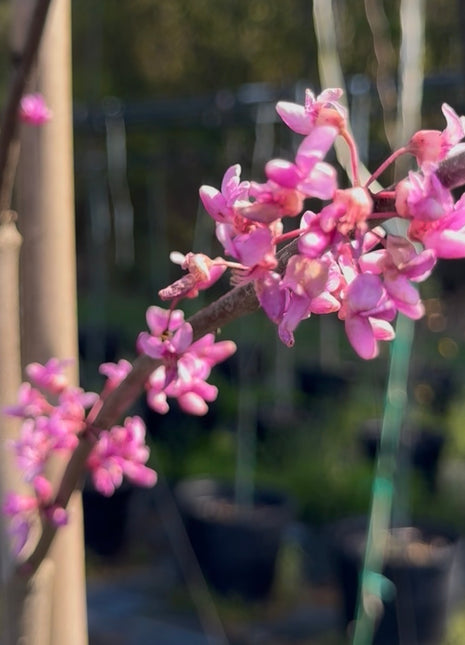
Eastern Redbud (Cercis Canadensis)
Eastern Redbud (Cercis canadensis) — Locally Grown in Pierson, Florida at Flowing Well Tree FarmNative Flowering Understory Tree • Early Spring Blooming Accent Species • Wildlife-Friendly Small Canopy Tree • Florida-Grown Ornamental & Ecological Landscape Tree Eastern Redbud (Cercis canadensis) is one of the most beloved native flowering trees in eastern North America, known for its brilliant early spring magenta-pink blooms that emerge directly on bare branches before the leaves appear. This unique flowering habit makes it one of the most visually striking small native trees in the landscape, especially in naturalized gardens, woodland edges, and understory plantings. At Flowing Well Tree Farm in Pierson, Florida, we grow Eastern Redbud as premium native understory and accent stock selected for strong branching structure, reliable flowering performance, and adaptation to Florida’s heat, humidity, and variable soil conditions. Each tree is field-conditioned to ensure resilience in sandy soils, seasonal moisture swings, and warm climate stress. When you buy Eastern Redbud here, you are not receiving delicate northern-grown ornamental stock—you are getting Florida-adapted native flowering trees developed for real-world performance in southern landscapes. That local adaptation matters. Cercis canadensis performs best when grown in-region, where it develops improved heat tolerance, stronger root systems, and more consistent flowering performance under Florida’s climate conditions. Why Locally Grown Matters for Eastern Redbud Starting with Florida-grown stock provides key advantages: Stronger establishment in sandy and well-drained soilsImproved heat and humidity tolerance from early developmentBetter drought resilience once established in Florida conditionsHigher survival rates in residential and naturalized landscapesMore consistent flowering performance in southern climatesStronger branching structure for long-term ornamental form This creates a reliable native flowering tree that thrives beyond typical nursery expectations in Florida environments. Flowering & Seasonal Interest Eastern Redbud is a premier native flowering accent species: Early spring magenta to pink blooms appear before leaf-outFlowers emerge directly on branches and trunk (cauliflorous flowering)Provides one of the earliest nectar sources for pollinatorsHeart-shaped green leaves follow bloom cycle for summer canopyGolden-yellow fall color in late season conditionsHigh visual impact in naturalized and designed landscapes It is one of the most recognizable and celebrated native flowering trees in the Southeast. Canopy Structure & Landscape Value Eastern Redbud is a small ornamental canopy tree: 20–30 ft mature height depending on site conditionsBroad, vase-shaped to rounded canopy structureMulti-trunk or single-trunk form depending on trainingLight to medium shade ideal for understory ecosystemsCompact size suitable for residential and small landscape useStrong seasonal visual interest across all four seasons It functions as a signature accent tree in native and ornamental plantings. Ecological & Habitat Importance Eastern Redbud plays an important ecological role: Early spring nectar source for bees, butterflies, and pollinatorsProvides cover and nesting habitat for small birdsSupports understory biodiversity in mixed hardwood forestsThrives along woodland edges and transition zonesContributes to native pollinator corridor systemsEnhances diversity in restoration and rewilding projects It is a valuable species for pollinator-focused landscapes. Growth Habit & Structural Function Eastern Redbud is a small structural understory tree: 20–30+ ft mature height depending on site conditionsRounded, spreading canopy with graceful branching structureOften multi-stemmed with naturally artistic formModerate growth rate with strong early establishmentMedium lifespan with consistent ornamental performanceWell-suited for understory and edge planting systems It provides structure without overwhelming surrounding plantings. Climate & Site Adaptability Eastern Redbud adapts well to Florida conditions when properly established: Native to eastern and central United States woodlandsTolerates heat and humidity in partial shade or filtered sunPerforms best in well-drained soils with organic matterModerate drought tolerance once establishedPrefers protection from extreme, prolonged floodingExcellent in mixed woodland and residential landscapes It is a flexible native flowering tree for diverse planting conditions. USDA Growing Zones Best suited for Zones 4–9, with strong performance throughout Florida when properly sited and established. Light Requirements For best flowering and structure: Partial shade to full sun in northern Florida conditionsMorning sun with afternoon shade ideal in hotter sitesFull sun possible with adequate moisture and soil healthFiltered light improves longevity and canopy balance Soil & Site Requirements Adaptable native understory species: Prefers well-drained sandy or loamy soilsBenefits from organic matter and mulchTolerates a range of soil pH conditionsDoes not prefer prolonged flooding or saturated soilsPerforms well in woodland edges and mixed plantings Planting Guidance (Grower Recommended) For best long-term performance: Plant in partial shade or filtered sun for best longevityDig hole 2–3× wider than root ballSet at original soil depthWater deeply after planting to establish root contactApply mulch 2–4 inches deep, keeping away from trunkSpace 15–25 ft apart for natural form developmentProtect young trees from extreme afternoon heat exposure We can assist with understory design, flowering native gardens, and pollinator habitat layouts. Watering & Establishment Water regularly during the first 1–2 growing seasons. Once established, Eastern Redbud becomes moderately drought tolerant and performs reliably in Florida’s seasonal rainfall patterns. Fertilizer Low to moderate input requirements: Light fertilization supports early growth and floweringOrganic compost improves soil biology and root developmentAvoid excessive nitrogen to maintain strong bloom productionPerforms best in balanced, natural soil systems Pruning & Maintenance Low maintenance ornamental tree: Prune lightly after flowering to shape structureRemove dead or crossing branches as neededNaturally develops attractive branching formMinimal long-term pruning requiredBest left in natural aesthetic form for flowering display Why This Is a Smarter Long-Term Investment ✔ Locally grown in Florida for climate adaptation✔ One of the earliest and most beautiful native bloomers✔ High pollinator and wildlife value✔ Excellent small-scale shade and ornamental structure✔ Adaptable understory and edge planting species✔ Strong seasonal interest (spring flowers + fall color)✔ Ideal for residential and restoration landscapes✔ Grower-direct native flowering stock The Real Value This is not just a flowering tree—it is a seasonal signature species that brings color, life, and ecological function to Florida landscapes at the most visually impactful time of year. When you plant Eastern Redbud, you are investing in a native flowering understory tree that supports pollinators, enhances biodiversity, and delivers one of the most striking seasonal displays in southeastern native ecosystems.
$30.00 - $120.00
-

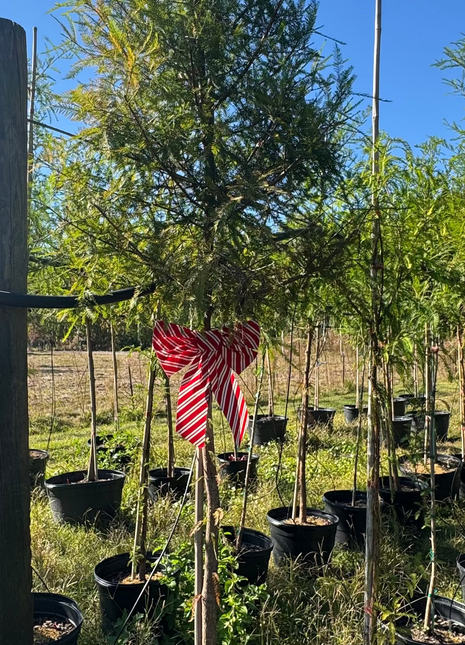
Bald Cypress (Taxodium Distichum)
Bald Cypress (Taxodium distichum) — Locally Grown in Pierson, Florida at Flowing Well Tree FarmNative Wetland Conifer • Flood-Tolerant Shade Tree • Long-Lived Structural Canopy Species • Florida-Grown Restoration & Landscape Anchor Tree Bald Cypress (Taxodium distichum) is one of the most iconic and ecologically important native trees in the southeastern United States. Known for its strong pyramidal form, soft feathery foliage, and exceptional tolerance to flooding and wet soils, this species is a cornerstone of Florida wetlands, river systems, and lowland landscapes. At Flowing Well Tree Farm in Pierson, Florida, we grow Bald Cypress as premium native canopy stock selected for strong central leaders, upright structural form, and long-term performance in Florida’s wet, sandy, and seasonally variable environments. Each tree is established in real field conditions to ensure resilience under heat, humidity, flooding, drought cycles, and storm exposure. When you buy Bald Cypress here, you’re not receiving weak ornamental nursery stock—you’re getting locally grown, Florida-adapted trees conditioned for real-world ecological performance in both wetland and upland systems. That local adaptation is critical. Bald Cypress performs best when grown in Florida conditions from the start, developing stronger root systems, improved flood tolerance, and more stable long-term canopy structure. Why Locally Grown Matters for Bald Cypress Starting with Florida-grown stock provides key advantages: Faster establishment in wet or sandy soils Stronger root systems for flood and drought cycles Improved heat and humidity tolerance Better wind and storm resilience in mature trees Higher survival rates in restoration plantings More consistent long-term canopy development This creates a durable, permanent native shade tree. Canopy Structure & Landscape Value Bald Cypress is one of Florida’s most valuable large canopy trees: 50–80 ft tall mature deciduous conifer Strong pyramidal form when young, broadening with age Soft, fine-textured “feather-like” foliage Deciduous in winter with warm copper fall color Excellent long-term shade and cooling tree Strong architectural presence in large landscapes It is a defining species of Southern wetland ecosystems. Ecological & Wetland Importance Bald Cypress is a foundational Florida ecosystem species: Dominant tree in swamps, riverbanks, and floodplains Provides critical habitat for birds, amphibians, and wildlife Supports aquatic and semi-aquatic ecosystems Stabilizes soil in wet and erosion-prone areas Creates microhabitats through “cypress knee” development in wet conditions Enhances water filtration and watershed health It is one of the most important ecological trees in the Southeast. Growth Habit & Structural Function Bald Cypress is a long-lived structural canopy tree: 50–80+ ft mature height depending on site conditions Straight central trunk with strong vertical development Broad canopy with age, providing deep shade Adaptable to both wetland and upland planting Extremely long-lived (often centuries in natural settings) Strong wind resistance when mature It functions as a permanent landscape anchor tree. Climate & Site Adaptability Bald Cypress thrives in Florida’s full range of conditions: Native to southeastern U.S. wetlands and river systems Tolerates standing water and seasonal flooding Performs well in sandy upland soils as well Highly heat and humidity tolerant Strong drought tolerance once established Excellent storm and wind resilience It is one of the most adaptable large native trees available. USDA Growing Zones Best suited for Zones 4–10, with exceptional performance throughout Florida and the entire southeastern United States. Light Requirements For best growth and structure: Full sun preferred for strongest canopy development Tolerates partial shade in early stages Sun exposure improves form and long-term vigor Ideal for open landscapes, wetlands, and large properties Soil & Site Requirements Highly adaptable native species: Thrives in wet, flooded, or seasonally saturated soils Performs well in sandy uplands and loamy soils Tolerates poor fertility conditions Adapts to both managed and natural environments Benefits from mulch during establishment Planting Guidance (Grower Recommended) For best long-term performance: Plant in full sun for optimal growth Dig hole 2–3× wider than root ball Set at original soil depth Water deeply after planting Apply mulch to stabilize moisture and temperature Space 20–40 ft apart for full canopy development Allow room for mature spread in large landscapes We can assist with wetland planting design, shade tree placement, and large-scale restoration planning. Watering & Establishment Water regularly during the first 1–2 growing seasons. Once established, Bald Cypress becomes extremely resilient and can thrive in both wet and dry cycles common in Florida. Fertilizer Low to moderate input needs: Minimal fertilization required Compost supports early establishment Avoid excessive nitrogen inputs Performs best in natural soil systems Pruning & Maintenance Very low maintenance: Minimal pruning required Naturally strong central leader development Can be limbed up for shade tree form Long-lived with stable structure Low maintenance once established Why This Is a Smarter Long-Term Investment ✔ Locally grown in Florida for maximum adaptation✔ Iconic native wetland and shade tree✔ Extremely flood and drought tolerant species✔ Long-lived structural landscape anchor✔ Excellent wildlife habitat and ecosystem value✔ Strong wind and storm resilience when mature✔ Adaptable to wet and upland sites✔ Grower-direct quality for Florida conditions The Real Value This isn’t just a shade tree—it’s a legacy canopy species that defines wetlands, strengthens landscapes, and provides ecological structure for generations. When you plant Bald Cypress, you’re investing in a permanent native anchor tree that thrives through flood, drought, and storm while building long-term habitat and landscape stability in Florida’s environment.
$10.00 - $135.00
-


Native Slash Pine (Pinus Elliottii)
Native Slash Pine (Pinus elliottii) — Locally Grown in Pierson, Florida at Flowing Well Tree Farm Native Evergreen Conifer • Fast-Growing Timber Pine • Restoration & Reforestation Tree • Florida-Grown Forest Stock Native Slash Pine (Pinus elliottii) is one of the most important foundation species in Florida’s natural ecosystems. Known for its fast growth, straight trunk development, and adaptability to a wide range of soil and moisture conditions, Slash Pine is widely used in reforestation projects, wildlife habitat restoration, timber plantings, windbreak systems, and large-scale native forest establishment throughout the Southeast. When you buy Native Slash Pine here, you're not getting weak, container-stressed nursery stock—you’re getting locally grown, field-conditioned trees produced in Pierson and adapted to Florida’s heat, humidity, sandy soils, seasonal flooding cycles, and drought stress periods. That matters for long-term success. Locally grown Slash Pine develops stronger root systems, establishes more quickly after planting, and is significantly more resilient in real-world restoration environments compared to non-local stock. This is direct-from-grower forest-grade native material. Visit the farm, see how our pine seedlings are grown, and receive practical guidance on spacing, reforestation design, and long-term canopy development. Slash Pine is especially valuable because it builds entire ecosystems—creating structure, habitat, and long-term forest resilience. Why Locally Grown Matters for Slash Pine Starting with Florida-grown stock provides key advantages: Better adaptation to Florida heat and humidity Stronger taproot and root system development Improved survival in sandy, nutrient-poor soils Faster establishment in field conditions Greater resilience to drought and flooding cycles Better long-term performance in restoration sites It creates a stronger foundation for forest establishment success. Forest & Timber Value Slash Pine is a cornerstone southeastern timber species: Fast-growing native pine species Produces tall, straight trunks ideal for timber use Forms dense pine stands over time Supports sustainable forestry systems Widely used in reforestation and land management projects It is one of the most economically and ecologically important pines in Florida. Wildlife & Ecological Importance Slash Pine supports diverse native ecosystems: Provides habitat for birds, deer, and small mammals Supports endangered species such as red-cockaded woodpeckers Produces pine seeds consumed by wildlife Creates nesting and shelter structure in pine forests Enhances biodiversity in upland ecosystems It is a key species for long-term habitat restoration. Climate & Site Adaptability Slash Pine is highly adaptable across Florida landscapes: Native to coastal plains, flatwoods, and upland sites Tolerates sandy, acidic soils Performs well in both wet and dry seasonal conditions Handles heat and humidity exceptionally well Adapted to periodic fire cycles in natural systems It is one of Florida’s most resilient native conifers. USDA Growing Zones Best suited for Zones 7–10, performing strongly throughout Florida and the southeastern United States. Mature Size & Growth Habit A tall native evergreen tree: 60–100 ft mature height 25–40 ft spread Straight central trunk with high canopy lift Fast early growth under proper conditions Long-lived in natural forest systems It forms the backbone of native pine ecosystems. Light Requirements For best growth: Full sun required Minimum 6–8 hours of direct sunlight daily Poor performance in shaded conditions Soil & Site Requirements Highly adapted to Florida conditions: Prefers sandy, acidic, well-drained soils Tolerates seasonally wet and dry cycles Performs well in low fertility soils Avoid permanently flooded or highly alkaline soils Benefits from natural fire-managed ecosystems where applicable Planting Guidance (Grower Recommended) For best establishment: Plant in full sun open areas Space appropriately for forest or plantation design Dig hole 2–3× wider than root system Plant at original soil depth Water thoroughly after planting Apply mulch while keeping base clear Maintain consistent watering during establishment We can assist with reforestation spacing, forestry design, and habitat restoration planning. Watering & Establishment Water regularly during the first 1–2 growing seasons. Once established, Slash Pine becomes highly resilient and thrives under natural rainfall conditions. Fertilizer Low fertilizer requirements: Light fertilization only during establishment if needed Avoid excessive nutrient inputs Performs best in natural soil conditions Minimal management once established Pruning & Maintenance Very low maintenance: Minimal pruning required Naturally self-prunes lower branches over time Forms strong central leader structure Ideal for low-input forestry systems Why This Is a Smarter Long-Term Investment ✔ Locally grown in Florida for superior field adaptation ✔ Essential native reforestation and forestry species ✔ Fast-growing canopy and timber tree ✔ High wildlife and habitat value ✔ Strong performance in sandy and wet flatwoods ✔ Supports large-scale ecosystem restoration ✔ Long-term forest structure builder ✔ Grower-direct forestry guidance and support The Real Value This isn’t just a pine tree—it’s the beginning of a forest. You’re not simply planting Slash Pine. You’re restoring native pine ecosystems, building wildlife habitat, improving land resilience, and establishing a long-term forest structure that will grow, mature, and support Florida’s landscapes for generations.
$75.00
-


Shumard Oak (Quercus Shumardii)
Shumard Oak (Quercus shumardii) — Locally Grown in Pierson, Florida at Flowing Well Tree FarmNative Upland Hardwood • Fast-Growing Shade & Street Tree Oak • Deep-Rooted Structural Canopy Species • Florida-Grown Landscape, Restoration & Legacy Oak Tree Shumard Oak (Quercus shumardii) is one of the most valuable and widely adaptable native red oaks in the southeastern United States. Known for its fast growth, strong upright form, and brilliant red fall color, this species is a premier choice for large shade trees, restoration plantings, and long-term landscape structure across Florida. At Flowing Well Tree Farm in Pierson, Florida, we grow Shumard Oak as premium native canopy stock selected for straight central leader development, strong branch structure, and proven performance in Florida’s heat, humidity, sandy soils, and seasonal moisture fluctuations. Each tree is field-grown under real conditions to ensure resilience in wind, drought cycles, and heavy rain events. When you buy Shumard Oak here, you are not getting weak ornamental nursery stock—you are getting Florida-acclimated native hardwoods built for fast establishment, deep rooting, and long-term structural dominance in the landscape. That local adaptation is critical. Quercus shumardii performs best when grown in-region, where it develops stronger drought tolerance, improved anchoring root systems, and a stable canopy capable of handling Florida storm conditions. Why Locally Grown Matters for Shumard Oak Starting with Florida-grown stock provides key advantages: Faster establishment in sandy, well-drained Florida soilsStronger deep taproot development for long-term stabilityImproved drought tolerance under Florida heat cyclesBetter wind and storm resistance in mature canopy structureHigher survival rates in urban, rural, and restoration plantingsMore consistent long-term growth and canopy form This creates one of the most dependable large native shade oaks for Florida landscapes. Canopy Structure & Landscape Value Shumard Oak is a high-performance shade and legacy canopy tree: 60–90 ft mature height depending on site conditionsBroad, rounded canopy with strong symmetrical developmentFast growth rate for a native oak speciesDeep green summer foliage with brilliant red fall colorStrong branching structure ideal for long-term shade productionExcellent street tree and large-property shade tree It is one of the most visually striking native oaks in Florida landscapes. Ecological & Habitat Importance Shumard Oak plays a key role in upland and transitional ecosystems: Produces acorns that support deer, turkey, squirrels, and wildlifeProvides nesting habitat for birds and canopy-dependent speciesSupports forest regeneration and upland hardwood systemsStabilizes soils in sandy and well-drained environmentsContributes to mixed hardwood forest diversity across the SoutheastImportant species in transitional wet-to-dry forest zones It is a foundational upland oak in many Florida ecosystems. Growth Habit & Structural Function Shumard Oak is a long-lived structural canopy species: 60–90+ ft mature height depending on site conditionsStrong central leader with upright juvenile growth formExpands into broad, rounded canopy with ageModerately fast growth compared to other native oaksLong lifespan with durable wood structureExcellent shade production in open landscapes It functions as a permanent canopy anchor in residential and naturalized systems. Climate & Site Adaptability Shumard Oak is highly adaptable across Florida conditions: Native to central and southeastern United StatesThrives in well-drained sandy soils common in FloridaModerate tolerance to periodic moisture fluctuationsStrong heat and humidity tolerance once establishedGood drought resistance after root establishmentPerforms well in both urban and rural environments It is one of the most versatile native oaks for upland planting. USDA Growing Zones Best suited for Zones 5–9, with excellent performance throughout Florida and the southeastern United States. Light Requirements For best structure and fall color: Full sun for optimal canopy development and growth rateTolerates partial shade in early establishment stagesSun exposure enhances fall color intensity and trunk strengthIdeal for open lawns, parks, and restoration plantings Soil & Site Requirements Highly adaptable upland hardwood species: Prefers well-drained sandy or loamy soilsTolerates moderately dry conditions once establishedHandles occasional moisture but not prolonged floodingPerforms well in nutrient-poor Florida soilsBenefits from mulch and early soil conditioning Planting Guidance (Grower Recommended) For best long-term performance: Plant in full sun for strongest growthDig hole 2–3× wider than root ballSet at original soil depthWater deeply after planting to establish root contactApply mulch to conserve moisture and regulate temperatureSpace 30–50 ft apart for mature canopy spreadAllow room for long-term crown development We can assist with shade canopy planning, oak grove layouts, and mixed hardwood restoration design. Watering & Establishment Water regularly during the first 1–2 growing seasons. Once established, Shumard Oak becomes highly drought tolerant and performs reliably under Florida’s seasonal rainfall patterns. Fertilizer Low to moderate input requirements: Light fertilization supports early growthCompost improves soil structure and microbial activityAvoid excessive nitrogen to prevent weak branchingPerforms best in balanced, natural soil systems Pruning & Maintenance Low maintenance once established: Prune early to establish strong central leader formRemove crossing or weak branches in juvenile stageDevelops naturally strong canopy structure with ageMinimal long-term pruning requiredHighly durable in unmanaged landscapes Why This Is a Smarter Long-Term Investment ✔ Locally grown in Florida for maximum adaptation✔ Fast-growing native red oak with strong structure✔ Brilliant red fall color in southern landscapes✔ Highly adaptable to sandy upland soils✔ Strong wind and drought resilience when established✔ Excellent shade and long-term canopy value✔ Ideal for restoration, street, and estate planting✔ Grower-direct field-grown native hardwood stock The Real Value This is not just a shade tree—it is a fast-establishing native canopy oak that delivers structure, seasonal color, and long-term ecological strength across Florida landscapes. When you plant Shumard Oak, you are investing in a durable native hardwood that grows quickly into a commanding shade tree while strengthening upland ecosystems and providing lasting landscape value for generations.
$85.00 - $150.00


