
Gainesville Arbor Day 2026 (Past)

🌿 A Warm Arbor Day 2026 Greeting From The City of Gainesville 🌳
Thank you for joining us in celebrating Arbor Day 2026 with The City of Gainesville! We are proud to offer the following native plants as part of today’s giveaway:
American Fringe • Red Buckeye • Beautyberry • Chickasaw Plum • Milkweed • Perennis Milkweed • Tupelo • Sweetbay Magnolia • Silver Saw Palmetto • Sycamore • Spruce Pine • Pawpaw • Red Cedar • Native Viburnum
These plants were carefully selected to support wildlife, strengthen native ecosystems, and promote environmental stewardship throughout our community. Please review the planting instructions below to help your plant grow strong and healthy for many years to come.
Thank you for supporting conservation, protecting Florida’s natural heritage, and helping our community grow greener and stronger!
🌳 Planting Instructions

🌸 American Fringe
Scientific Name: Chionanthus virginicus
Mature Height: 12–20 feet
USDA Zones: 3–9
Planting
Plant in a location with room to grow. Dig a hole twice as wide as the root ball and plant level with surrounding soil.
Watering
Water deeply after planting and weekly during the first growing season.
Soil
Prefers moist, well-drained soil.
Sun Requirements
Full Sun to Partial Shade
Fertilizer
Apply balanced fertilizer in early spring if needed.
Pruning
Minimal pruning required; remove damaged branches as needed.
Additional Info
Produces fragrant white flowers and supports pollinators.
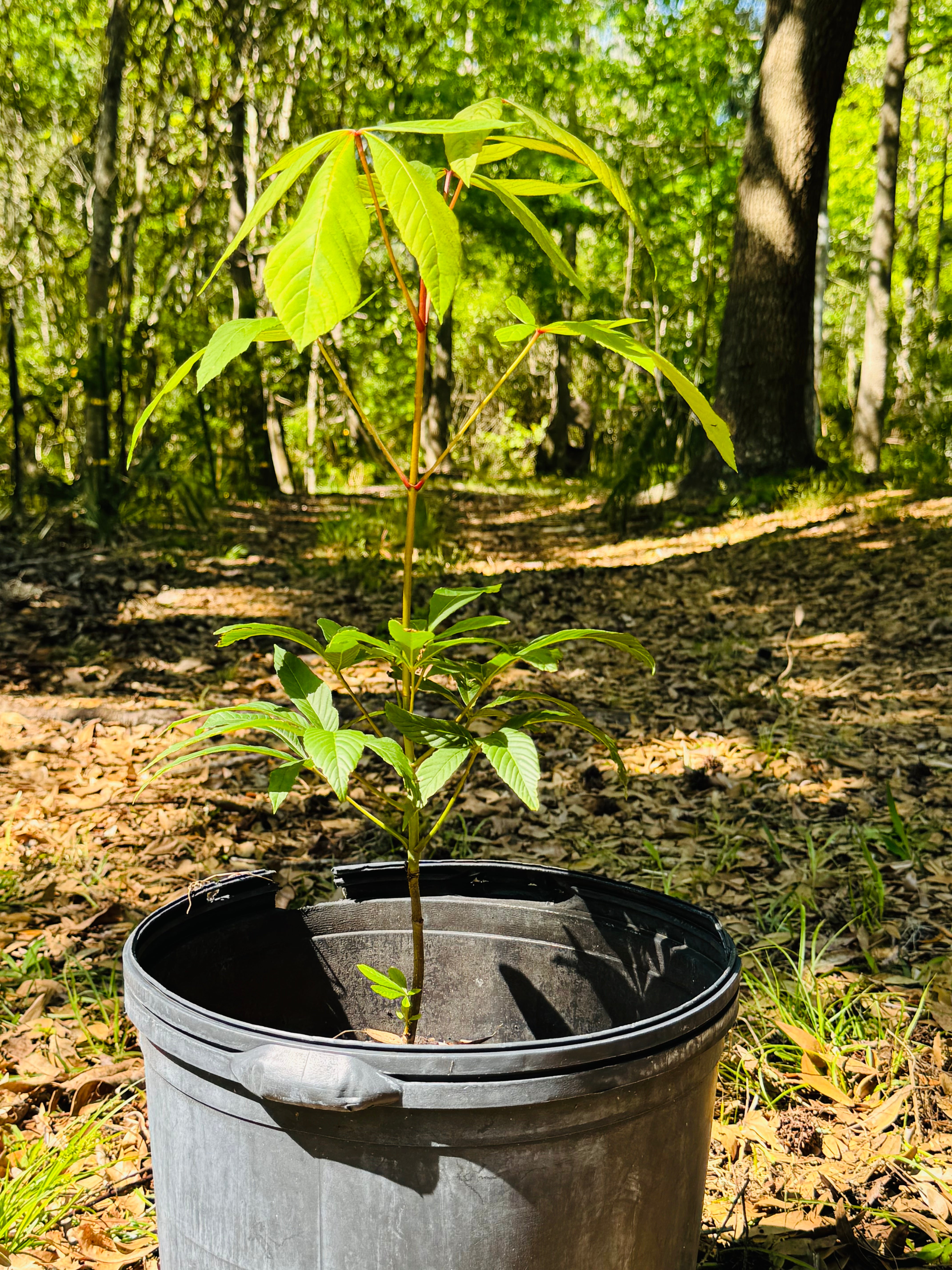
🌺 Red Buckeye
Scientific Name: Aesculus pavia
Mature Height: 15–25 feet
USDA Zones: 6–9
Planting
Plant in a protected area with well-drained soil.
Watering
Water regularly during establishment.
Soil
Prefers moist, well-drained soil.
Sun Requirements
Full Sun to Partial Shade
Fertilizer
Apply compost annually.
Pruning
Prune lightly after flowering if needed.
Additional Info
Produces bright red flowers that attract hummingbirds.

🌸 Beautyberry
Scientific Name: Callicarpa americana
Mature Height: 3–6 feet
USDA Zones: 7–10
Planting
Plant in garden beds or natural areas.
Watering
Water regularly during establishment.
Soil
Prefers well-drained soil.
Sun Requirements
Full Sun to Partial Shade
Fertilizer
Apply compost in spring.
Pruning
Prune in late winter to encourage new growth.
Additional Info
Produces vibrant purple berries that support birds.
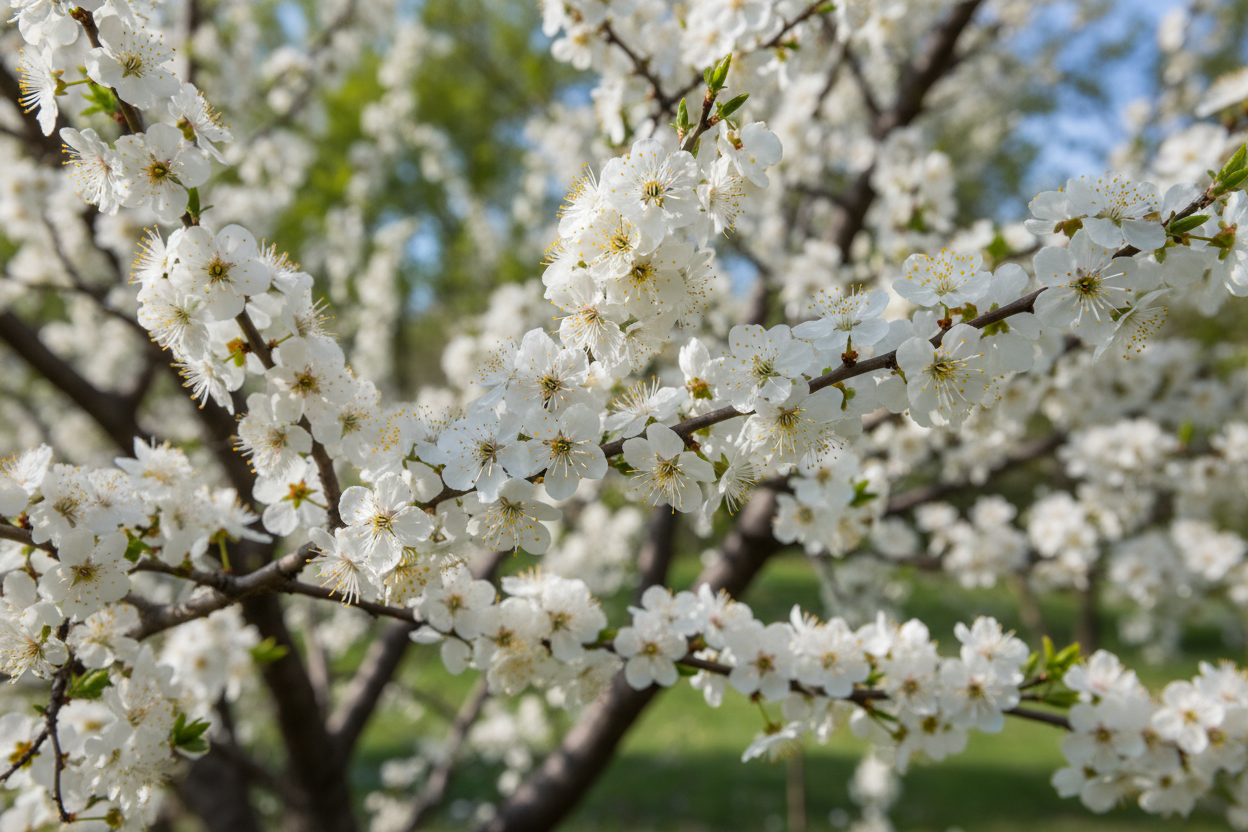
🌸 Chickasaw Plum
Scientific Name: Prunus angustifolia
Mature Height: 12–20 feet
USDA Zones: 5–9
Planting
Plant in open areas with good drainage.
Watering
Water regularly until established.
Soil
Adaptable to sandy soils.
Sun Requirements
Full Sun
Fertilizer
Apply balanced fertilizer in early spring.
Pruning
Prune to maintain shape.
Additional Info
Produces edible fruit and supports wildlife.

🌼 Perennis Milkweed
Scientific Name: Asclepias perennis
Mature Height: 2–3 feet
USDA Zones: 6–9
Planting
Plant in moist areas or near water features.
Watering
Requires consistent moisture.
Soil
Prefers moist to wet soils.
Sun Requirements
Full Sun to Partial Shade
Fertilizer
Apply compost annually.
Pruning
Remove dead stems seasonally.
Additional Info
Supports Monarch butterflies and pollinators.

🌳 Tupelo
Scientific Name: Nyssa Biflora
Mature Height: 30–50 feet
USDA Zones: 4–9
Planting
Plant in areas with adequate moisture.
Watering
Water regularly during establishment.
Soil
Prefers moist, acidic soil.
Sun Requirements
Full Sun to Partial Shade
Fertilizer
Apply fertilizer in early spring if needed.
Pruning
Minimal pruning required.
Additional Info
Provides excellent fall color and wildlife value.

🌸 Sweetbay Magnolia
Scientific Name: Magnolia virginiana
Mature Height: 20–40 feet
USDA Zones: 5–10
Planting
Plant in moist, well-drained areas.
Watering
Keep soil moist during establishment.
Soil
Prefers acidic soil.
Sun Requirements
Full Sun to Partial Shade
Fertilizer
Apply slow-release fertilizer in spring.
Pruning
Minimal pruning required.
Additional Info
Produces fragrant white blooms.
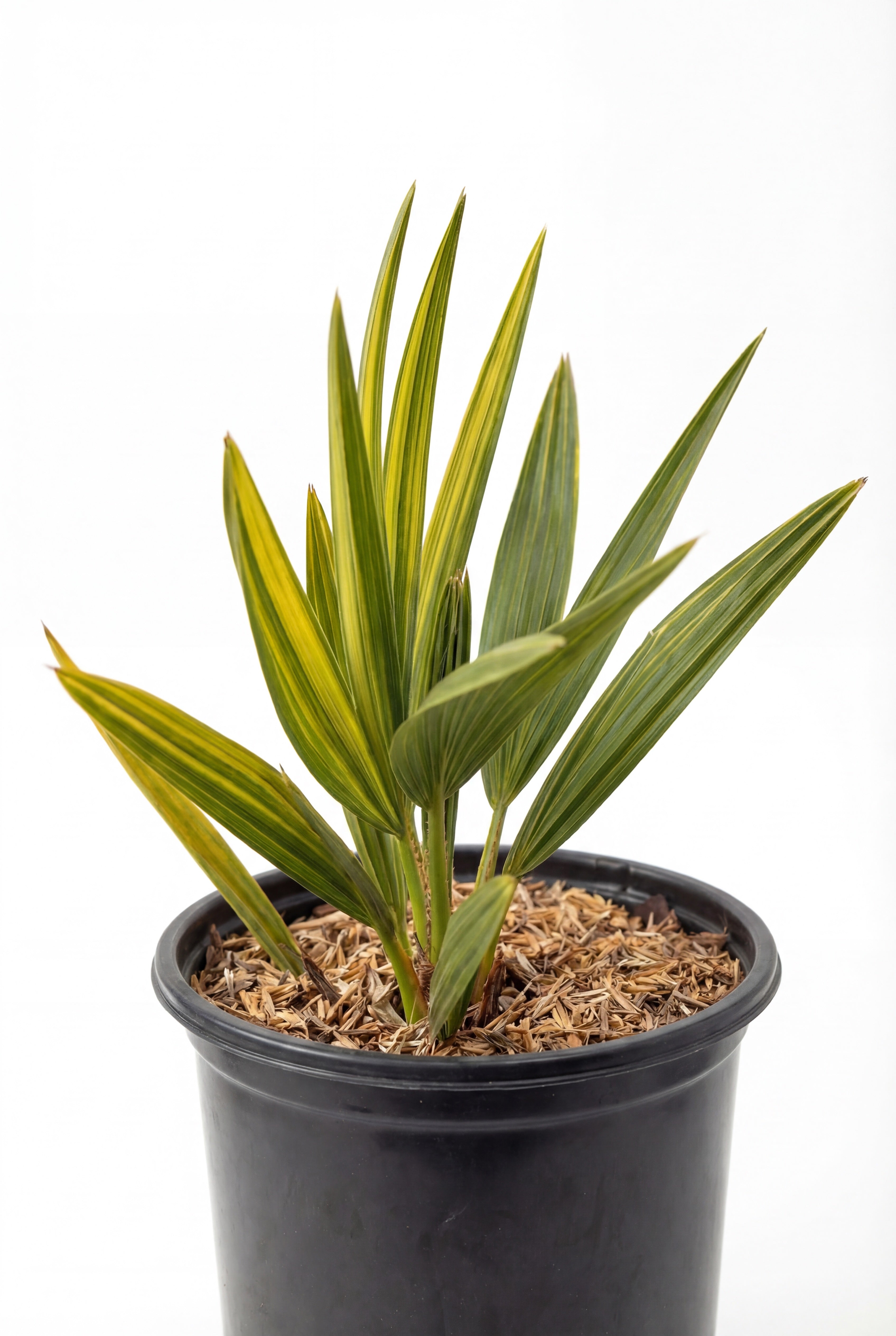
🌿 Silver Saw Palmetto
Scientific Name: Serenoa repens
Mature Height: 3–7 feet
USDA Zones: 8–11
Planting
Plant in open sunny areas.
Watering
Water regularly until established.
Soil
Prefers sandy, well-drained soil.
Sun Requirements
Full Sun
Fertilizer
Minimal fertilizer required.
Pruning
Remove damaged fronds as needed.
Additional Info
Excellent native groundcover supporting wildlife.
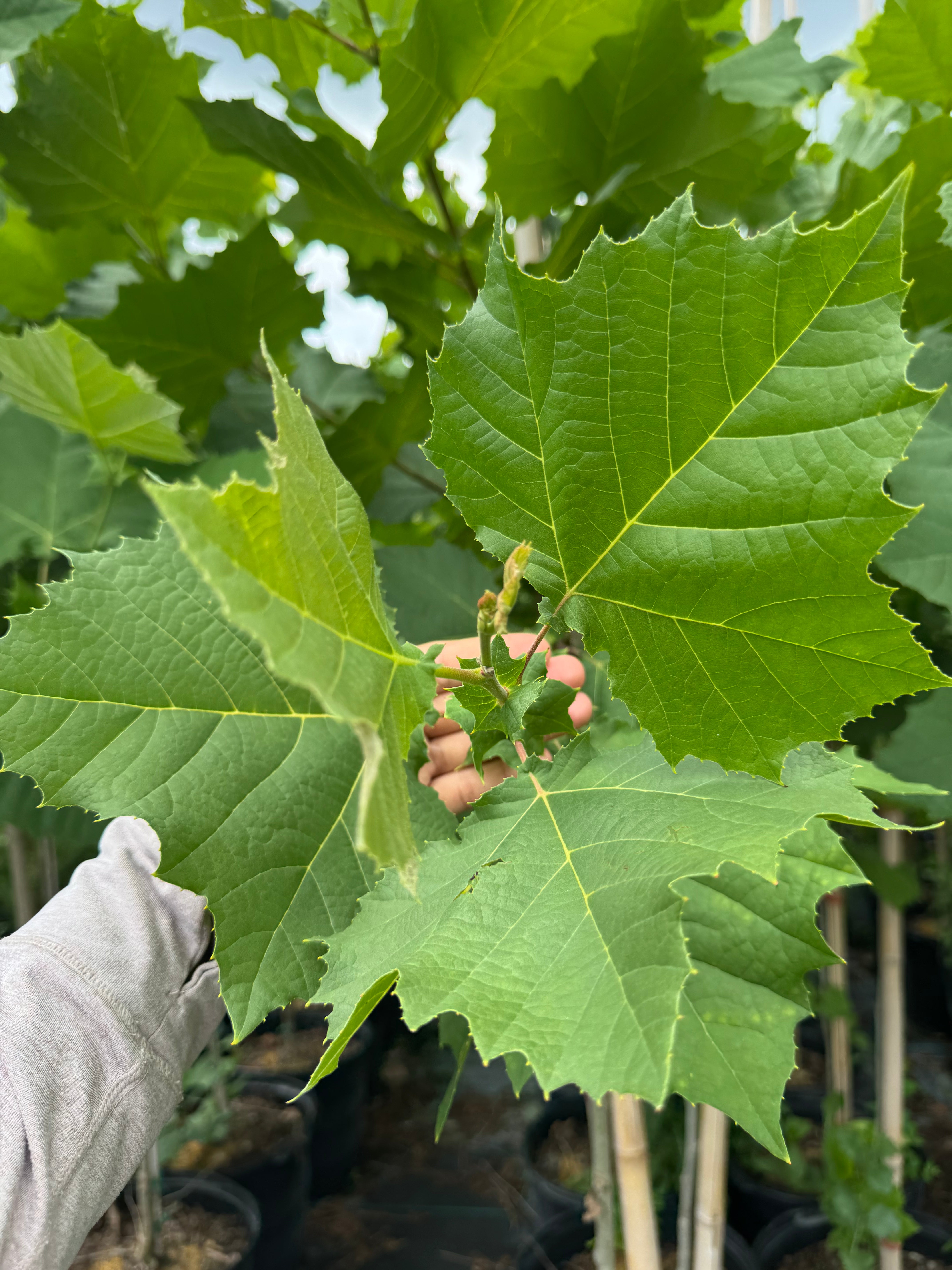
🌳 Sycamore
Scientific Name: Platanus occidentalis
Mature Height: 60–100 feet
USDA Zones: 4–9
Planting
Plant in large open spaces.
Watering
Requires consistent moisture.
Soil
Prefers moist soils.
Sun Requirements
Full Sun
Fertilizer
Apply fertilizer if growth is slow.
Pruning
Prune to remove weak branches.
Additional Info
Large shade tree ideal for parks.
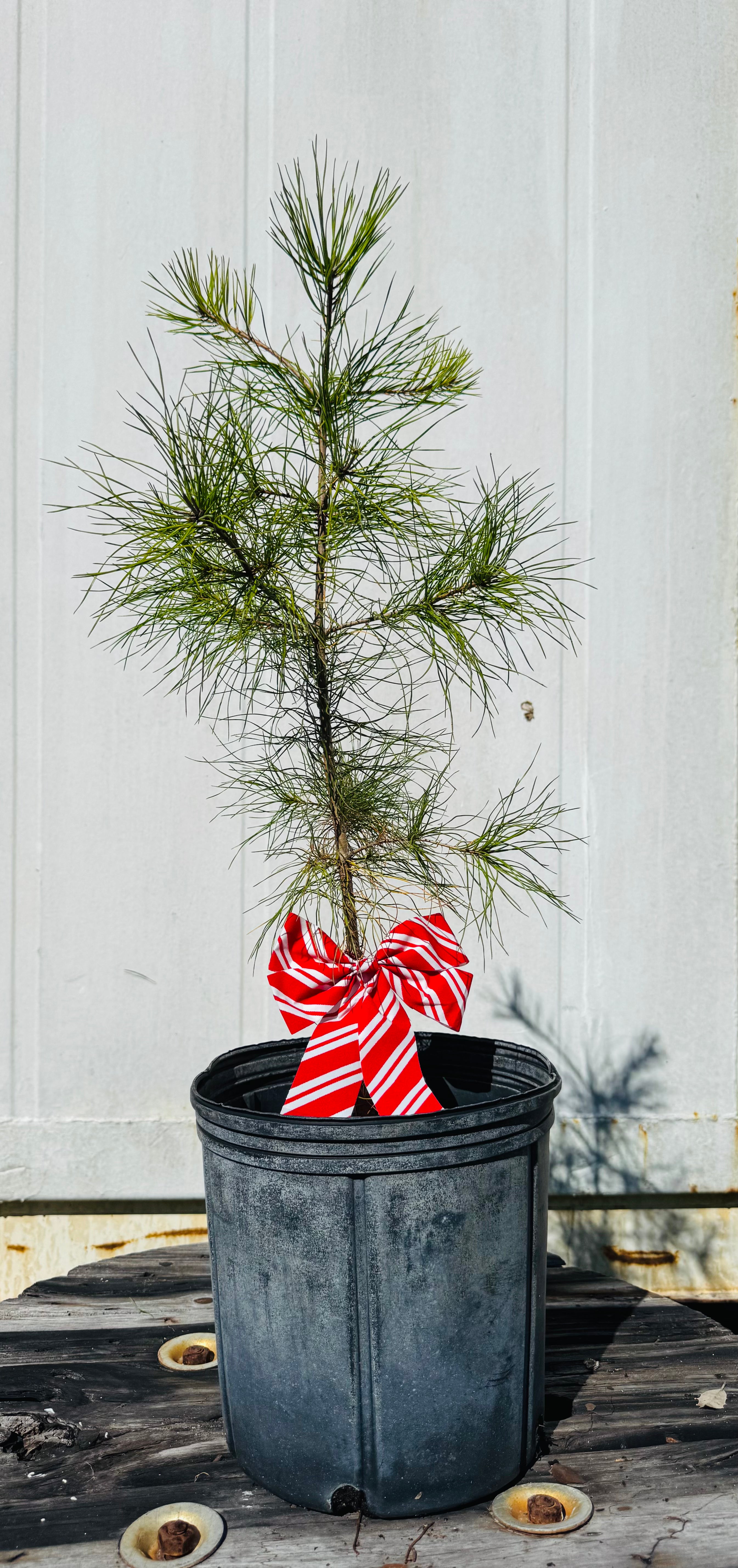
🌲 Spruce Pine
Scientific Name: Pinus glabra
Mature Height: 60–80 feet
USDA Zones: 7–9
Planting
Plant in well-drained areas.
Watering
Water regularly during establishment.
Soil
Prefers sandy soils.
Sun Requirements
Full Sun to Partial Shade
Fertilizer
Minimal fertilizer required.
Pruning
Minimal pruning needed.
Additional Info
Native pine valuable for wildlife habitat.
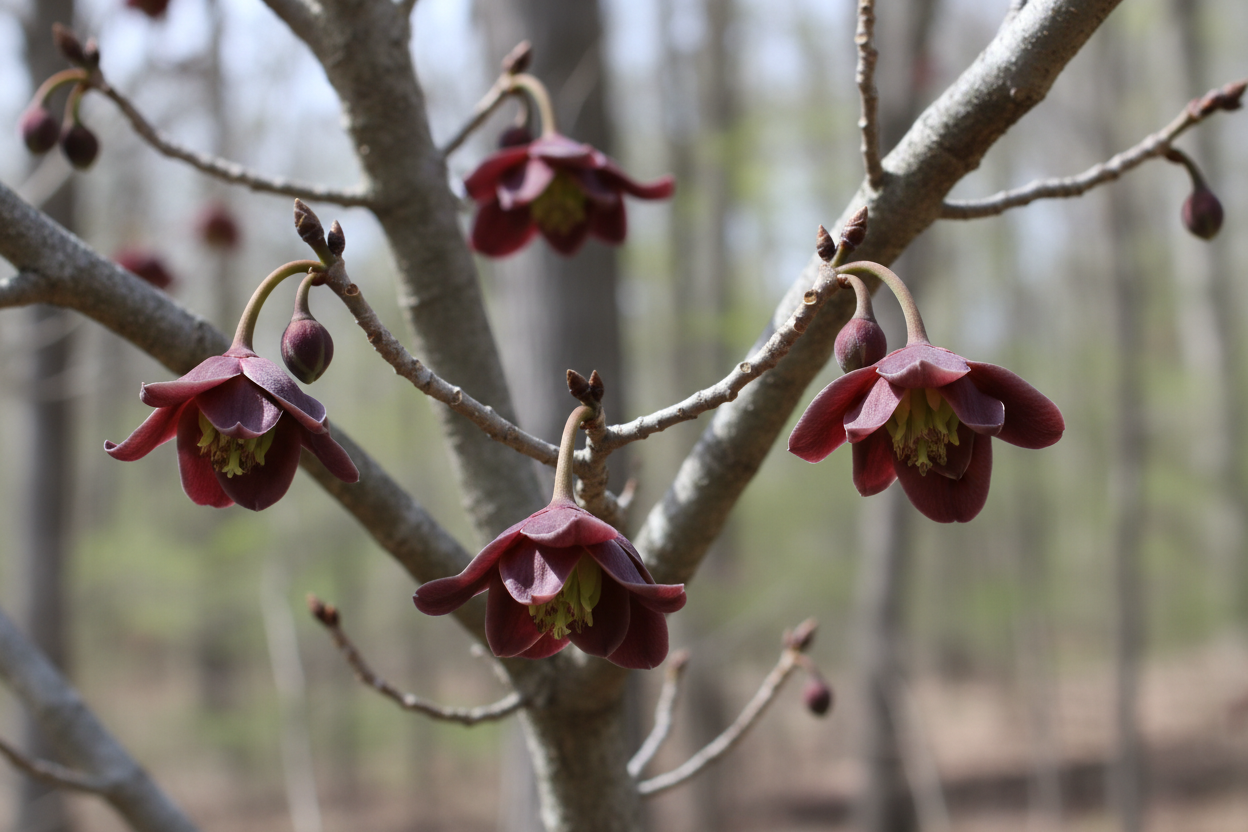
🌿 Pawpaw
Scientific Name: Asimina triloba
Mature Height: 15–25 feet
USDA Zones: 5–9
Planting
Plant in protected areas.
Watering
Keep soil moist.
Soil
Prefers rich, organic soil.
Sun Requirements
Partial Shade to Full Sun
Fertilizer
Apply compost annually.
Pruning
Remove dead wood as needed.
Additional Info
Host plant for Zebra Swallowtail butterflies.
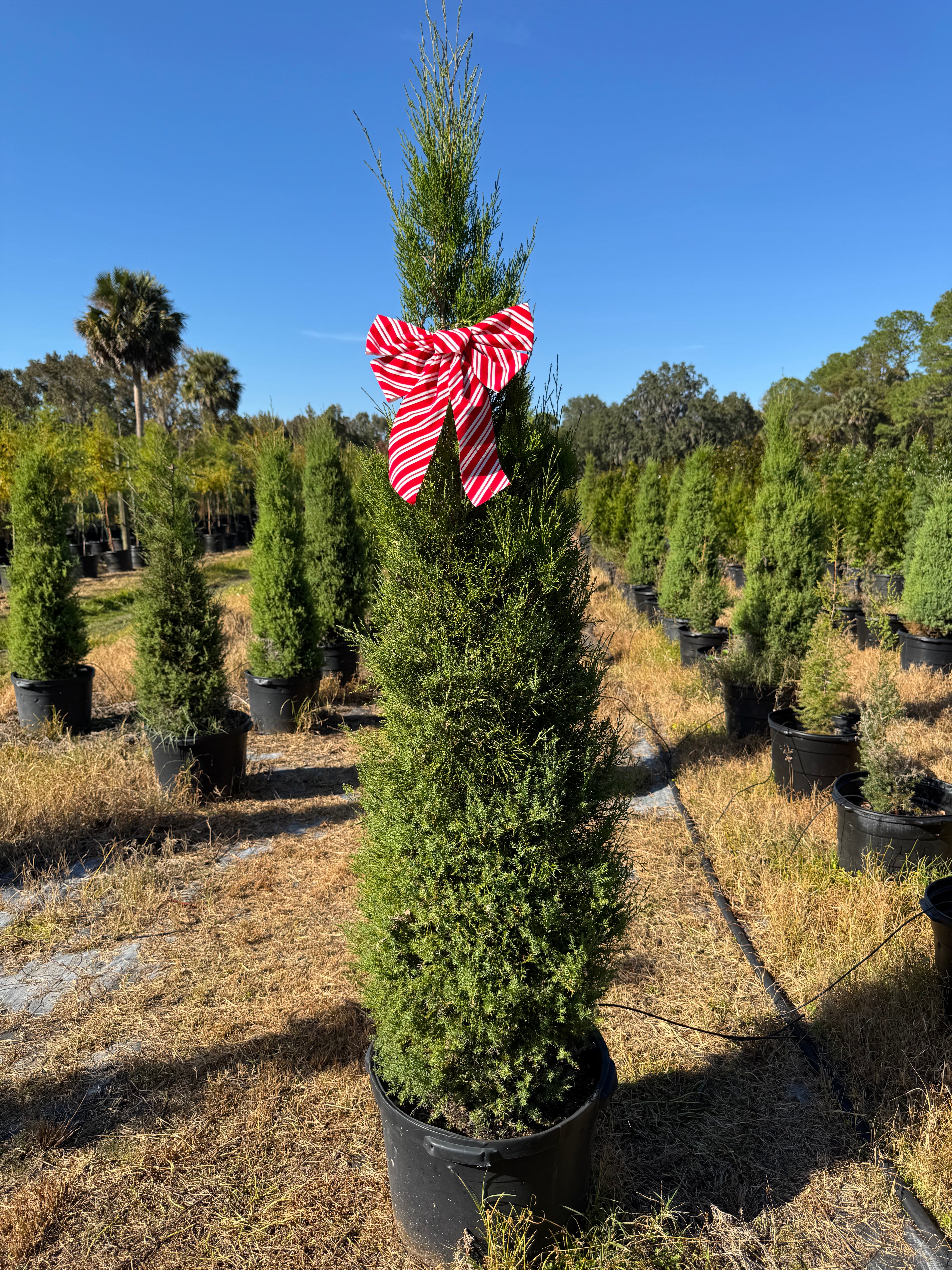
🌲 Red Cedar
Scientific Name: Juniperus virginiana
Mature Height: 30–50 feet
USDA Zones: 2–9
Planting
Plant in sunny areas.
Watering
Water regularly during establishment.
Soil
Adaptable to many soil types.
Sun Requirements
Full Sun
Fertilizer
Minimal fertilizer required.
Pruning
Prune lightly to maintain shape.
Additional Info
Evergreen tree providing wildlife shelter.
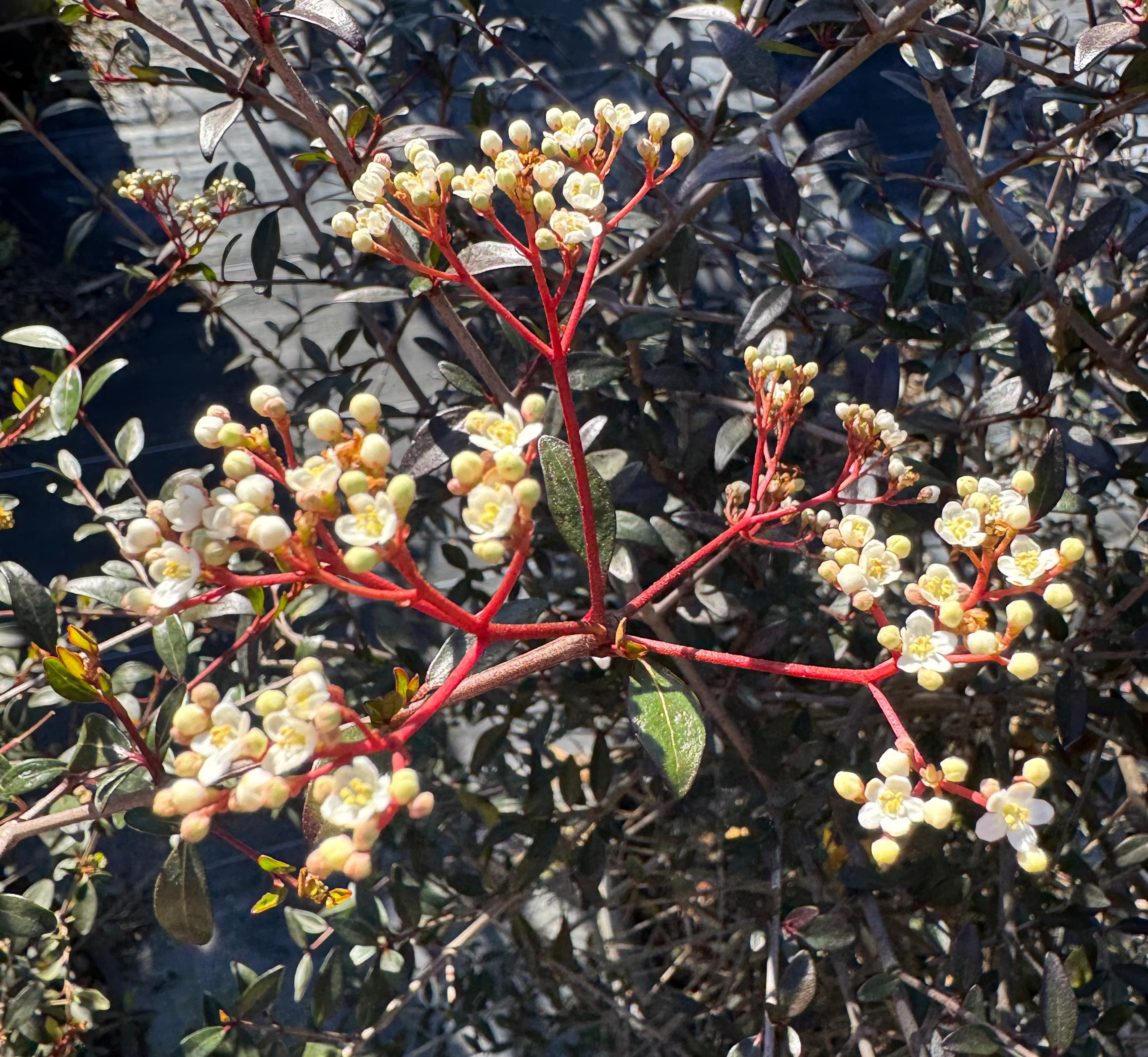
🌿 Native Viburnum
Scientific Name: Viburnum obovatum
Mature Height: 8–12 feet
USDA Zones: 7–10
Planting
Plant in landscape beds or natural areas.
Watering
Water regularly until established.
Soil
Prefers moist, well-drained soil.
Sun Requirements
Full Sun to Partial Shade
Fertilizer
Apply compost annually.
Pruning
Prune to shape after flowering.
Additional Info
Produces berries that attract birds.
🌱 Planting Success Tips for Arbor Day Plants
- Apply 2–3 inches of mulch around plants, keeping mulch away from stems or trunks.
- Water deeply during dry periods, especially during the first year.
- Avoid planting too deep.
- Check plants regularly during establishment.
Need additional plants and support? Visit us today at Flowingwelltreefarm.com


