Flowing Well Tree Farm is Florida's Premium Native & Fruiting Grower. We proudly grow all of our plants in Volusia County, Florida.
"Welcome to Flowing Well Tree Farm, the leading Florida native nursery serving Florida and the surrounding areas. We specialize in high-quality native plants, wildflowers, and pollinator gardens that thrive in our local climate. Looking for specific species? We stock customer favorites including Native Milkweed (for Monarchs), Coontie, Firebush, and Beautyberry. Our expert team helps you build beautiful, drought-tolerant landscapes that save water and support local wildlife. Whether you need shade trees, privacy hedges, or Florida-friendly groundcovers, we have the right plants for your yard. Visit Flowing Well Tree Farm today to explore our inventory of sustainable, locally grown plants. We also grow suitable fruiting plants like peaches."
Florida Crest Nectarine (Prunus persica ‘Florida Crest’) — Grafted & Locally Grown in Pierson, Florida at Flowing Well Tree Farm
Low-Chill Fruit Tree • Early Season Nectarine • Edible Landscape Favorite • Florida-Adapted Grafted Stock
When you buy Florida Crest Nectarine here, you’re not getting generic nursery fruit trees shipped from cooler climates—you’re getting grafted trees grown and finished at Pierson, selected specifically for Florida heat, humidity, and low-chill fruiting performance.
That matters. Grafted, locally grown trees establish faster, respond better to Florida soils, and begin their productive life with a head start in both structure and fruiting potential. You’re not correcting climate mismatch—you’re starting with a tree already built for it.
This is direct-from-grower material. You can visit the farm, see how fruit trees are grafted and trained, and get real guidance from people who work with these varieties in Florida conditions every season—not generic orchard instructions.
Florida Crest is one of the most reliable nectarines for warm climates because it was developed specifically for low-chill production and consistent fruit set in Southern regions.
Why Locally Grown, Grafted Trees Perform Better
Starting with grafted, Florida-grown stock provides clear advantages:
Faster time to fruit compared to seed-grown trees
Stronger adaptation to heat and humidity
Reduced transplant shock in Florida soils
More predictable flowering and fruiting cycles
Better long-term orchard performance in warm climates
It’s a smarter foundation for a productive home orchard.
Early Season, Smooth-Skinned Fruit
Florida Crest produces attractive nectarines with:
Red-blushed, smooth skin (no fuzz)
Firm, flavorful yellow flesh
Early-season ripening for extended harvest windows
Excellent fresh eating and culinary use
It’s one of the better choices for dependable fruit production in warm regions.
Spring Bloom & Landscape Value
Before fruiting, the tree produces:
Beautiful spring blossoms
Strong pollinator attraction
Ornamental value in edible landscapes
Seasonal color that enhances home orchards
It functions as both a productive fruit tree and a flowering landscape feature.
USDA Growing Zones
Best suited for Zones 8–10, with strong performance in Florida and similar warm-climate regions.
Mature Size & Growth Habit
A manageable home orchard tree:
10–15 ft tall
Similar spread
Can be kept smaller and more productive with consistent pruning.
Light Requirements
Requires full sun (6–8+ hours daily) for optimal fruiting, sugar development, and overall tree health.
Soil & Site Requirements
Performs best in:
Well-drained sandy or loamy soils
Slightly acidic to neutral pH
Elevated or well-aerated planting sites
Avoid low-lying areas or soils that retain water, as nectarines are sensitive to “wet feet.”
Planting Guidance (Grower Recommended)
We focus on long-term fruiting success:
Select a sunny site with good airflow
Dig a hole twice as wide as the root ball
Plant at original container depth
Backfill with native soil and water deeply
Apply mulch, keeping it away from the trunk
Maintain consistent watering during establishment
If you visit the farm, we can help match placement to your soil and microclimate for better fruit production.
Watering & Establishment
Water regularly during the first growing season to establish strong roots. Once established, provide deep watering during dry periods, especially during flowering and fruit development for best fruit quality.
Fertilizer
Apply balanced slow-release fruit tree fertilizer in early spring
Light feeding after harvest may support growth if needed
Avoid excessive nitrogen, which reduces fruit quality and increases weak growth
Pruning & Maintenance
Annual pruning is essential:
Prune in late winter during dormancy
Maintain an open-center structure for airflow
Remove dead, damaged, or crossing branches
Thin canopy for better sunlight penetration and fruit sizing
Proper pruning directly improves fruit quality and tree health.
Why This Is a Smarter Long-Term Investment
✔ Grafted and grown locally in Florida conditions✔ Faster, more reliable fruit production✔ Direct grower expertise for orchard success✔ Low-chill variety bred for warm climates✔ Better adaptation than out-of-region nursery stock✔ Strong edible + ornamental landscape value✔ Opportunity to visit, learn, and select in person
The Real Value
This isn’t just a nectarine tree—it’s a climate-matched fruiting system built for Florida success.
You’re not just planting a tree. You’re planting an early-season harvest engine that gets better with every year of care.
Shumard Oak (Quercus shumardii) — Locally Grown in Pierson, Florida at Flowing Well Tree FarmNative Upland Hardwood • Fast-Growing Shade & Street Tree Oak • Deep-Rooted Structural Canopy Species • Florida-Grown Landscape, Restoration & Legacy Oak Tree
Shumard Oak (Quercus shumardii) is one of the most valuable and widely adaptable native red oaks in the southeastern United States. Known for its fast growth, strong upright form, and brilliant red fall color, this species is a premier choice for large shade trees, restoration plantings, and long-term landscape structure across Florida.
At Flowing Well Tree Farm in Pierson, Florida, we grow Shumard Oak as premium native canopy stock selected for straight central leader development, strong branch structure, and proven performance in Florida’s heat, humidity, sandy soils, and seasonal moisture fluctuations. Each tree is field-grown under real conditions to ensure resilience in wind, drought cycles, and heavy rain events.
When you buy Shumard Oak here, you are not getting weak ornamental nursery stock—you are getting Florida-acclimated native hardwoods built for fast establishment, deep rooting, and long-term structural dominance in the landscape.
That local adaptation is critical. Quercus shumardii performs best when grown in-region, where it develops stronger drought tolerance, improved anchoring root systems, and a stable canopy capable of handling Florida storm conditions.
Why Locally Grown Matters for Shumard Oak
Starting with Florida-grown stock provides key advantages:
Faster establishment in sandy, well-drained Florida soilsStronger deep taproot development for long-term stabilityImproved drought tolerance under Florida heat cyclesBetter wind and storm resistance in mature canopy structureHigher survival rates in urban, rural, and restoration plantingsMore consistent long-term growth and canopy form
This creates one of the most dependable large native shade oaks for Florida landscapes.
Canopy Structure & Landscape Value
Shumard Oak is a high-performance shade and legacy canopy tree:
60–90 ft mature height depending on site conditionsBroad, rounded canopy with strong symmetrical developmentFast growth rate for a native oak speciesDeep green summer foliage with brilliant red fall colorStrong branching structure ideal for long-term shade productionExcellent street tree and large-property shade tree
It is one of the most visually striking native oaks in Florida landscapes.
Ecological & Habitat Importance
Shumard Oak plays a key role in upland and transitional ecosystems:
Produces acorns that support deer, turkey, squirrels, and wildlifeProvides nesting habitat for birds and canopy-dependent speciesSupports forest regeneration and upland hardwood systemsStabilizes soils in sandy and well-drained environmentsContributes to mixed hardwood forest diversity across the SoutheastImportant species in transitional wet-to-dry forest zones
It is a foundational upland oak in many Florida ecosystems.
Growth Habit & Structural Function
Shumard Oak is a long-lived structural canopy species:
60–90+ ft mature height depending on site conditionsStrong central leader with upright juvenile growth formExpands into broad, rounded canopy with ageModerately fast growth compared to other native oaksLong lifespan with durable wood structureExcellent shade production in open landscapes
It functions as a permanent canopy anchor in residential and naturalized systems.
Climate & Site Adaptability
Shumard Oak is highly adaptable across Florida conditions:
Native to central and southeastern United StatesThrives in well-drained sandy soils common in FloridaModerate tolerance to periodic moisture fluctuationsStrong heat and humidity tolerance once establishedGood drought resistance after root establishmentPerforms well in both urban and rural environments
It is one of the most versatile native oaks for upland planting.
USDA Growing Zones
Best suited for Zones 5–9, with excellent performance throughout Florida and the southeastern United States.
Light Requirements
For best structure and fall color:
Full sun for optimal canopy development and growth rateTolerates partial shade in early establishment stagesSun exposure enhances fall color intensity and trunk strengthIdeal for open lawns, parks, and restoration plantings
Soil & Site Requirements
Highly adaptable upland hardwood species:
Prefers well-drained sandy or loamy soilsTolerates moderately dry conditions once establishedHandles occasional moisture but not prolonged floodingPerforms well in nutrient-poor Florida soilsBenefits from mulch and early soil conditioning
Planting Guidance (Grower Recommended)
For best long-term performance:
Plant in full sun for strongest growthDig hole 2–3× wider than root ballSet at original soil depthWater deeply after planting to establish root contactApply mulch to conserve moisture and regulate temperatureSpace 30–50 ft apart for mature canopy spreadAllow room for long-term crown development
We can assist with shade canopy planning, oak grove layouts, and mixed hardwood restoration design.
Watering & Establishment
Water regularly during the first 1–2 growing seasons. Once established, Shumard Oak becomes highly drought tolerant and performs reliably under Florida’s seasonal rainfall patterns.
Fertilizer
Low to moderate input requirements:
Light fertilization supports early growthCompost improves soil structure and microbial activityAvoid excessive nitrogen to prevent weak branchingPerforms best in balanced, natural soil systems
Pruning & Maintenance
Low maintenance once established:
Prune early to establish strong central leader formRemove crossing or weak branches in juvenile stageDevelops naturally strong canopy structure with ageMinimal long-term pruning requiredHighly durable in unmanaged landscapes
Why This Is a Smarter Long-Term Investment
✔ Locally grown in Florida for maximum adaptation✔ Fast-growing native red oak with strong structure✔ Brilliant red fall color in southern landscapes✔ Highly adaptable to sandy upland soils✔ Strong wind and drought resilience when established✔ Excellent shade and long-term canopy value✔ Ideal for restoration, street, and estate planting✔ Grower-direct field-grown native hardwood stock
The Real Value
This is not just a shade tree—it is a fast-establishing native canopy oak that delivers structure, seasonal color, and long-term ecological strength across Florida landscapes.
When you plant Shumard Oak, you are investing in a durable native hardwood that grows quickly into a commanding shade tree while strengthening upland ecosystems and providing lasting landscape value for generations.
Strawberry Bush (Euonymus americanus) — Locally Grown in Pierson, Florida at Flowing Well Tree FarmNative Woodland Shrub • Unique “Exploding” Red Fruit Capsules • Shade Tolerant Understory Plant • Florida-Grown Habitat Restoration Stock
Strawberry Bush (Euonymus americanus), also commonly called American Strawberry Bush or Hearts-a-Bustin’, is one of the most distinctive and underutilized native shrubs in the southeastern United States. Known for its unusual warty green stems, fine-textured foliage, and bright pink-red fruit capsules that split open to reveal orange seeds, this plant delivers unmatched visual interest in shaded Florida landscapes.
Naturally found in moist hardwood hammocks, bottomlands, and shaded forest understories, Strawberry Bush is a true native woodland species that thrives in protected, filtered-light environments. At Flowing Well Tree Farm in Pierson, Florida, we grow this plant specifically for native restoration, wildlife habitat systems, and naturalized shade gardens that require authentic southeastern understory structure.
When you buy Strawberry Bush here, you’re not getting weak, greenhouse-softened ornamental stock—you’re getting locally grown, Florida-adapted native plants conditioned for real conditions including heat, humidity, sandy soils, organic forest floors, seasonal flooding, and shaded understory competition.
That local adaptation is critical. Strawberry Bush can be slow to establish in poor-quality nursery stock, but when grown locally and properly hardened, it develops stronger root systems, improved survival rates, and far better long-term performance in Florida woodland systems.
Why Locally Grown Matters for Strawberry Bush
Starting with Florida-grown stock provides key advantages:
Faster establishment in shaded, moisture-variable soils
Improved adaptation to Florida humidity and heat
Stronger root development in woodland environments
Better survival in restoration and natural understory plantings
Increased resilience during drought and seasonal flooding cycles
More reliable long-term growth in native hammocks
This creates a stronger foundation for long-term ecological stability.
Fruit, Ornamental & Ecological Value
Strawberry Bush is one of the most visually unique native shrubs:
Bright pink-red capsule fruit that splits open to reveal orange seeds
Highly ornamental fall display unlike any other native shrub
Fine-textured green foliage with airy branching habit
Adds seasonal color to shaded landscapes
Excellent naturalistic aesthetic for native gardens
Provides subtle but important ecological food value
It is often used as a “conversation plant” in native plantings due to its unusual fruit structure.
Wildlife & Habitat Importance
Strawberry Bush plays a valuable but quiet ecological role:
Fruit consumed by birds and small wildlife species
Dense branching provides cover in understory habitats
Supports woodland biodiversity and structural layering
Important component of native hammock ecosystems
Enhances habitat complexity in shaded restoration zones
It strengthens the understory layer that many ecosystems depend on.
Growth Habit & Landscape Value
This is a naturally elegant, low-density native shrub:
4–6 ft mature height in ideal conditions
Upright to loosely arching multi-stem shrub habit
Fine branching structure ideal for woodland layering
Best used in naturalized or restoration-style plantings
Not aggressive; maintains a controlled native presence
Excellent companion plant in mixed understory systems
It is designed by nature for shaded forest environments.
Climate & Site Adaptability
Strawberry Bush thrives in Florida’s woodland conditions:
Native to southeastern U.S. hardwood forests
Prefers shaded, protected understory environments
Performs best in moist, organic-rich soils
Tolerates seasonal moisture fluctuations
Adapted to heat and humidity when shaded
Sensitive to full sun exposure in hot climates
It is a true forest-edge and interior woodland species.
USDA Growing Zones
Best suited for Zones 6–9, performing strongly throughout Florida and the southeastern United States in shaded systems.
Light Requirements
For best performance:
Partial shade to full shade preferred
Avoid intense afternoon sun in Florida climates
Dappled woodland light produces healthiest growth
Shade improves leaf quality and long-term vigor
Soil & Site Requirements
Adapted to forest-floor conditions:
Prefers moist, well-drained organic soils
Performs best in leaf-litter-rich environments
Tolerates sandy soils if amended with organic matter
Benefits from mulch and woodland duff layering
Avoid dry, exposed, or compacted sites
Planting Guidance (Grower Recommended)
For best establishment:
Plant in shaded or filtered-light locations
Dig hole 2–3× wider than root ball
Plant at original soil depth
Water deeply after planting
Apply mulch to mimic forest floor conditions
Space 5–7 ft apart in understory groupings
Protect from direct afternoon sun during establishment
We can assist with woodland garden design, native understory layering, and hammock restoration planning.
Watering & Establishment
Keep soil consistently moist during the first growing season. Once established, Strawberry Bush performs best in stable, shaded moisture conditions and benefits from natural leaf litter cycles.
Fertilizer
Low-input native shrub:
Minimal fertilization required
Organic compost improves woodland soil structure
Avoid high nitrogen fertilizers
Performs best in natural forest systems
Pruning & Maintenance
Low maintenance with natural form:
Minimal pruning required
Can be lightly shaped if needed
Best left to develop natural woodland structure
Remove dead or damaged stems as needed
Maintains best ecological value when minimally disturbed
Why This Is a Smarter Long-Term Investment
✔ Locally grown in Florida for superior woodland adaptation✔ Unique ornamental fruiting native shrub✔ Excellent shaded understory restoration plant✔ Supports forest ecosystem biodiversity✔ Low-maintenance and naturally self-structuring✔ Thrives in humid, organic-rich environments✔ Ideal for native hammock and woodland systems✔ Grower-direct expertise for real Florida conditions
The Real Value
This isn’t just an ornamental shrub—it’s a structural woodland species that adds depth, diversity, and seasonal interest to shaded ecosystems.
When you plant Strawberry Bush, you’re restoring understory complexity, supporting wildlife habitat, and introducing one of the most visually unique native shrubs in the southeastern United States into your landscape.
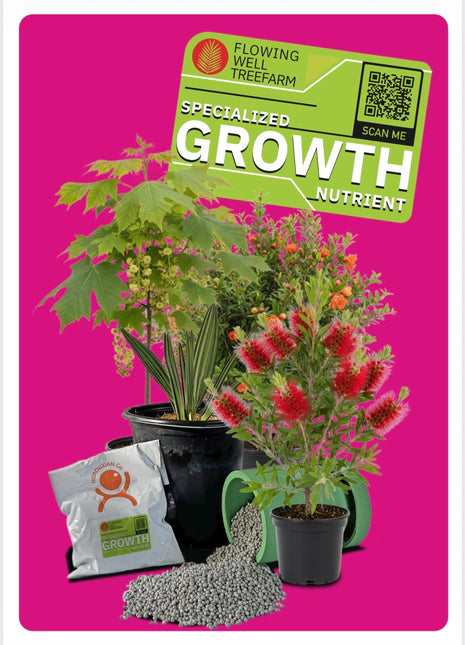
19-4-10 Fertilizer – Give Your Tree the Nutrients It Needs!
Pick-Up Only
Looking to keep your tree healthy and thriving? We've got you covered! This premium fertilizer provides essential nutrients, including Ammoniacal Nitrogen, Nitrate Nitrogen, Water-Soluble Nitrogen, Phosphate, Soluble Potash, Magnesium, Sulfur, Copper, Iron, Manganese, Molybdenum, and Zinc. Perfect for strong growth and vibrant foliage!
Premium 19•4•10 Fertilizer – For Fast Growth & Deep Green Color (Fertilize every 6 months)
Boost your plants’ performance with Premium 19•4•10 Fertilizer from FlowingWellTreeFarm.com. This high-nitrogen formula is specially designed to promote rapid growth, rich green foliage, and overall plant strength—making it ideal for trees, shrubs, lawns, and leafy plants that need an extra nutritional boost.
With nitrogen supporting leaf development, phosphorus enhancing root health, and potassium strengthening resistance and vigor, this blend delivers powerful results you can see.
Key Benefits
Encourages fast, healthy growth
Produces deeper green color
Strengthens roots and overall plant health
Helps plants withstand stress from heat and drought
Easy to apply and long-lasting when used as directed
Ideal For
Lawns, shade trees, ornamental plants, palms, hedges, and shrubs.
Increase growth and color naturally with a fertilizer trusted by growers and landscapers alike.
How Much 19-4-10 Fertilizer Do I Use?
🌳 Trees & Shrubs
New plantings:Apply 1 tablespoon per foot of plant height
Established plants:Apply 2–3 tablespoons per foot of height
Spread evenly around the drip line (not against the trunk), then water well.
🌸 Flowers & Garden Beds
Apply 1 cup per 25 square feet of planting area
Water thoroughly after application
🪴 Container & Potted Plants
Use ½–1 teaspoon per gallon of soil
Mix into topsoil gently and water in
📅 How Often to Apply
During growing season: every 6–8 weeks
Avoid fertilizing during extreme heat or drought
⚠️ Important Tips
Always water after applying
Keep fertilizer away from the trunk or stems
Do not overapply (more is not better)
Wear gloves when applying if you have sensitive skin
Jiro Persimmon (Diospyros kaki ‘Jiro’) — Locally Grown in Pierson, Florida at Flowing Well Tree Farm
Non-Astringent Fruit • Reliable Producer • Landscape-Ready Edible Tree • Florida-Grown on Hardy Rootstock
When you buy Jiro Persimmon here, you’re not getting a generic orchard tree shipped in from a different climate—you’re getting grafted fruit trees grown and finished in Pierson, Florida, on Florida-adapted rootstock and conditioned for real Southern growing conditions from the beginning.
That matters. These trees are already adjusted to Florida heat, humidity, sandy soils, and seasonal rainfall patterns before they ever reach your yard. The result is stronger establishment, fewer setbacks, and a more reliable path toward fruit production.
This is direct-from-grower material. You can visit Flowing Well Tree Farm, see how our fruit trees are grown and trained, and get practical guidance from the people who actually grow them—not a reseller.
Jiro is an excellent choice for Florida edible landscapes because it combines attractive growth, manageable size, and sweet, non-astringent fruit that can be enjoyed while firm.
Why Locally Grown, Grafted Trees Matter
Because these persimmons are grafted and grown locally, they offer clear advantages:
Faster time to fruit compared to seed-grown trees
Stronger adaptation to Florida soils and climate
Reduced transplant shock
More predictable growth and production habits
Improved long-term orchard performance
Professional grower selection and training
It’s a smarter starting point for a fruit tree you’ll enjoy for many years.
Sweet, Non-Astringent Fruit
Jiro is a non-astringent Japanese persimmon, meaning the fruit can be eaten while firm without the mouth-puckering sensation associated with astringent persimmons.
Fruit characteristics include:
Attractive orange fruit
Sweet, mild flavor
Firm, crisp-to-tender texture depending on ripeness
Excellent fresh-eating quality
Can be used in salads, desserts, baking, drying, and preserves
Fall-ripening fruit
Attractive fruit that also adds ornamental interest to the landscape
Allow the fruit to develop its full color for the best flavor. Fruit can be harvested firm and allowed to soften further depending on your preferred texture.
USDA Growing Zones
Best suited for approximately Zones 7–10, with excellent potential throughout Central and North Florida when planted in a sunny, well-drained location.
Jiro is particularly well suited to Florida's growing conditions when provided with good drainage, adequate irrigation during establishment, and proper nutrition.
Mature Size & Growth Habit
A productive, manageable edible landscape tree:
Approximately 15–25 ft tall
Approximately 10–20 ft wide
Actual size depends on rootstock, growing conditions, pruning, soil, and available space.
Its manageable growth habit makes it suitable for:
Home orchards
Backyard food forests
Edible landscapes
Garden specimen planting
Mixed fruit-tree plantings
Residential landscapes
Light Requirements
Plant in full sun, providing at least 6–8 hours of direct sunlight per day.
More sunlight generally means:
Better fruit production
Improved fruit quality
Stronger branching
Better overall tree structure
Reduced humidity within the canopy
Avoid planting Jiro where large structures or mature trees will eventually shade the canopy.
Soil & Site Adaptability
Jiro performs well when planted in well-drained Florida soils, including sandy soils common throughout Central Florida.
Ideal conditions include:
Well-drained sandy or sandy-loam soil
Slightly acidic to neutral soil
Good organic matter maintained around the root zone
Consistent moisture without standing water
Full sun
For Florida's very sandy soils, mulch is particularly valuable because it helps slow moisture loss and gradually improves the soil environment around the roots.
Avoid planting persimmons in locations that remain saturated for extended periods.
Planting Guidance (Grower Recommended)
We focus on long-term establishment, not simply getting the tree into the ground:
Select a sunny location with good drainage
Dig the planting hole approximately 2–3 times wider than the root ball
Do not plant deeper than the original soil level
Keep the root flare at or slightly above surrounding grade
Backfill primarily with native soil
Water thoroughly after planting
Apply 2–3 inches of mulch over the root zone
Keep mulch several inches away from the trunk
Maintain a weed- and grass-free area around the young tree
In sandy Florida soil, avoid creating a small pocket of heavily amended soil around the roots. Encouraging the roots to move outward into the surrounding native soil produces a stronger, better-adapted root system.
If you visit Flowing Well Tree Farm, we can help you select the appropriate tree size and discuss placement based on your available space and growing conditions.
Watering & Establishment
Consistent moisture is particularly important during the first year or two after planting.
Newly planted trees:
Water deeply immediately after planting
Monitor the root zone frequently during hot weather
Water approximately 2–4 times per week during dry periods, adjusting for rainfall and soil conditions
Reduce frequency as the root system becomes established
Established trees:
Water deeply during prolonged dry periods
Provide additional moisture during fruit development when rainfall is limited
Avoid constantly saturated soil
Do not rely on shallow daily watering
Florida's sandy soil can dry rapidly, so checking the soil around the root zone is more useful than following a rigid calendar.
Fertilizer
Jiro benefits from a balanced, slow-release fruit-tree fertilizer containing micronutrients.
A good Florida approach is:
Apply fertilizer primarily during active growth
Split applications rather than applying one large amount
Follow the fertilizer manufacturer's recommended rate
Consider a soil test before adding large amounts of supplemental nutrients
Avoid excessive nitrogen
Too much nitrogen can encourage excessive vegetative growth at the expense of fruit production and may increase certain disease and pest problems.
For young trees, moderate nutrition combined with proper irrigation generally produces better long-term results than aggressive fertilization.
Pruning & Structure
Train young Jiro Persimmon trees to develop a strong, open framework.
Prune during the dormant season when practical:
Remove dead or damaged branches
Remove crossing or rubbing branches
Remove weak interior growth
Remove competing leaders
Maintain several well-spaced scaffold branches
Encourage strong branch angles
Keep the canopy open enough for sunlight and airflow
Avoid excessive pruning. Persimmons produce fruit on younger branches, so aggressive pruning can remove productive wood and reduce the following season's crop.
Young trees benefit most from structural training, while mature trees generally need only maintenance pruning.
Fruit Production & Thinning
Jiro can produce an attractive crop once established.
If a young tree sets an exceptionally heavy crop, selective thinning can help prevent excessive strain on the tree.
Thinning can:
Improve remaining fruit size
Reduce branch stress
Improve overall fruit quality
Help maintain a balanced tree
Allow the tree to establish a strong root system before expecting heavy production from a young tree.
Pollination
Jiro is considered a non-astringent Japanese persimmon and can produce fruit without necessarily requiring another persimmon cultivar nearby.
However, fruit set and production can vary with cultivar, weather, pollination conditions, and the individual tree.
Planting additional compatible persimmon cultivars nearby can provide additional pollination opportunities and may improve overall fruit production in some landscapes.
Disease & Fungus Prevention
The best fungicide program begins with good cultural practices.
For Jiro:
Plant in full sun
Provide adequate spacing
Maintain good airflow
Avoid excessive irrigation
Avoid excessive nitrogen
Remove dead and diseased branches
Clean up fallen diseased leaves and fruit
Prune during dry weather when possible
Sanitize pruning tools between cuts when working with diseased material
Potential problems in Florida persimmons can include leaf spots, fruit rots, anthracnose, and canker diseases.
Do not routinely spray a healthy tree simply because it is a fruit tree. If disease develops, identify the problem first and use only a fungicide specifically labeled for the crop and disease being treated.
Weed & Herbicide Management
Young persimmon trees compete poorly with aggressive turfgrass and weeds.
For best establishment:
Maintain a weed-free zone around the tree
Use 2–3 inches of mulch
Keep grass away from the trunk and root zone
Replenish mulch as it decomposes
If herbicide is used, select a product specifically labeled for use around the applicable fruit crop and follow the current label exactly.
Never allow herbicide spray or drift to contact green bark, leaves, flowers, or fruit.
For most homeowners, mulch and careful mechanical weed control are the safest starting points.
Additional Grower Notes
Grafted trees generally fruit earlier than seed-grown persimmons
Locally grown trees are already conditioned to Florida's heat and growing conditions
Jiro is a non-astringent fruiting type
Full sun is important for good fruit production
Consistent moisture is especially important while young
Avoid excessive nitrogen
Proper structural pruning helps develop a strong long-lived tree
Fall fruit adds seasonal interest to the landscape
Young trees benefit from protection during unusual freezes
A well-maintained persimmon can become both a productive food source and an attractive landscape tree
Why This Is a Smarter Long-Term Investment
✔ Grown and grafted locally in Florida conditions✔ Florida-adapted growing practices from the beginning✔ Faster and more predictable fruit production than seed-grown trees✔ Reduced transplant shock and stronger establishment✔ Sweet, non-astringent fruit✔ Excellent choice for edible landscapes and home orchards✔ Direct grower support and planting guidance✔ Long-lived, productive landscape tree✔ Locally grown by Flowing Well Tree Farm in Pierson, Florida✔ Opportunity to visit the farm and select your tree in person
The Real Value
This isn't just a fruit tree purchase—it's a long-term edible landscape investment built on locally grown stock and real Florida growing experience.
With Jiro Persimmon, you're getting a tree that can provide attractive seasonal interest, shade, and years of sweet fall fruit while becoming an increasingly productive part of your home orchard or food forest.
You're not just planting a persimmon. You're planting a dependable harvest system that can get better every year.
Grown locally at Flowing Well Tree Farm — Pierson, Florida.
Flowing Well Tree Farm Native Plant Mystery Box Monthly SubscriptionFor USDA Zones 7–10(Shipping Included)
Bring native gardening to your doorstep with a monthly surprise plant from Flowing Well Tree Farm in Pierson, Florida. Each month you’ll receive one hand-selected Florida-grown native plant, chosen for beauty, pollinator value, and strong performance in Southern landscapes.
Every shipment features a different native species based on seasonal availability and what is thriving at the farm. No two months are the same—each plant is selected to help you build a diverse, resilient native landscape over time.
Designed for gardeners in USDA Zones 7–10, this subscription is ideal for pollinator gardens, habitat restoration, native landscapes, and plant lovers who enjoy learning one species at a time.
Possible monthly selections may include milkweed, coreopsis, beautyberry, yaupon holly, firebush, native blueberry, elderberry, buttonbush, muhly grass, salvias, coral honeysuckle, and other Florida-native species.
Why subscribe?
One curated native plant delivered monthly
Build a diverse pollinator and wildlife garden over time
Learn native plants at a steady, hands-on pace
Selected by experienced native plant growers
Great for gifting or starting a native landscape step-by-step
Flowing Well Tree Farm specializes in premium native and fruiting plants grown for durability, ecological value, and real-world Southern landscape success.
Flowing Well Tree FarmPierson, Florida
Locally Grown in Pierson, Florida – Buy Directly From the Grower at Flowing Well Tree Farm | Shipping Available
Skip stressed, overhandled big-box trees and invest in a higher-quality, locally adapted shade tree built for long-term success. At Flowing Well Tree Farm, our American Elm (Ulmus americana) trees are grown right here in Pierson, Florida, acclimated to real Southern heat, humidity, rainfall, and soil conditions for stronger establishment and better landscape performance.
The American Elm is one of America’s most iconic shade trees, admired for its graceful vase-shaped canopy, fast growth, and massive cooling shade. With its elegant arching limbs and cathedral-like form, this timeless tree makes a dramatic statement in large landscapes while adding beauty, value, and comfort for generations.
When properly planted and cared for, the American Elm becomes a true legacy tree—providing decades of shade, structure, and curb appeal.
🌱 Why Customers Love American Elm
✔ Fast-growing shade tree✔ Stunning vase-shaped, arching canopy✔ Massive cooling shade for homes and properties✔ Beautiful ornamental structure year-round✔ Excellent for large landscapes and estate plantings✔ Strong wildlife value for birds and pollinators✔ Long-lived investment tree for future generations
🌎 USDA Hardiness Zone
USDA Zones: 3–9Best Florida Performance: Zones 7b–9a
Performs best in Florida with good airflow, proper spacing, and well-drained soils.
🌳 About the Tree
The American Elm is famous for its elegant branching habit that forms a broad, umbrella-like canopy. Historically planted along streets, estates, and parks throughout America, it remains one of the most beloved and recognizable shade trees ever grown.
Its graceful form creates an unmatched landscape presence and works beautifully in:
• Large residential landscapes• Farms and country properties• Estate entrances and long driveways• Parks and open spaces• Property borders with room to grow• Naturalized and legacy landscape designs
⚠️ This is a large canopy tree and should be planted where it has room to mature.
☀️ Sun Requirements
Full sun preferred (6–8+ hours daily)
• Best canopy development in full sun• Tolerates light partial shade when young• Sun exposure encourages stronger branching and fuller growth
🌱 Soil Requirements
Highly adaptable to many Southern soil conditions.
• Prefers well-drained sandy or loamy soils• Handles a wide range of soil types• Performs best with consistent moisture during establishment• Avoid prolonged saturated soils
💧 Watering Needs
Water regularly during the first 1–2 years while establishing roots.
Once established, American Elm becomes moderately drought tolerant, though deep watering during dry periods supports stronger growth and canopy development.
📏 Mature Size
Height: 60–90+ feetSpread: 60–120 feet in ideal conditions
Fast-growing with a broad, elegant canopy that creates substantial shade and a dramatic landscape centerpiece.
✂️ Pruning & Long-Term Care
Proper structural pruning early in life helps develop a strong, healthy framework for decades of success.
Best pruned in late winter while dormant:
• Develop strong central structure• Remove weak or crossing branches• Improve long-term canopy strength• Maintain clearance near structures and driveways
🌿 Fertilizer
Minimal feeding required once established.
• Light spring fertilization during establishment if desired• Balanced slow-release fertilizer works best• Mulch improves soil moisture retention and root health
🌟 Why Buy From Flowing Well Tree Farm?
When you buy directly from the grower, you are investing in stronger, healthier, landscape-ready trees grown specifically for Southern conditions.
At Flowing Well Tree Farm, our American Elms are locally grown in Pierson, Florida, meaning they are acclimated to Florida heat, humidity, and rainfall before ever reaching your property. That translates into better establishment, stronger roots, and greater long-term success compared to trees shipped through multiple distribution centers.
You are not just purchasing a tree—you are gaining direct access to knowledgeable growers who care about your long-term success.
✔ Tour the farm in person and hand-select your tree✔ Work directly with the owners for honest guidance✔ Personalized recommendations for your landscape goals✔ Expert planting and care advice for long-term success✔ Region-specific, locally adapted material✔ Higher-quality trees grown for Southern performance✔ A more personal experience that consistently goes above and beyond
Whether you visit us in person or have trees shipped directly to your door, our goal is simple: help you plant smarter and grow something that lasts for generations.
📦 Shipping Available on Select Sizes🌳 Landscape-Ready, Farm-Grown Trees🚜 Buy Directly From the Grower📍 Pierson, Florida – Flowing Well Tree Farm
Locally Grown in Pierson, Florida — Direct from the Grower at Flowing Well Tree Farm
Cold Hardy • Evergreen Structure • Fragrant Southern Blooms • Landscape-Ready from Day One
When you buy Bracken Brown Magnolia (Magnolia grandiflora ‘Bracken’s Brown Beauty’) here, you’re not getting boxed-up, long-distance nursery stock—you’re getting trees grown directly in Pierson, hardened in real Florida conditions and managed by the same people who will guide you on planting success.
This is a direct-from-grower experience. You can visit the farm, walk the fields, and see exactly how these magnolias are produced, spaced, and developed for long-term landscape performance. When you have questions, you’re speaking with the growers themselves—people who work with these trees every day and understand how they perform after planting, not just at sale time.
These magnolias are selected and grown for structure, resilience, and regional adaptability. That means better establishment, fewer surprises in the landscape, and a stronger long-term return on your planting investment.
Why Locally Grown Matters
Bracken Brown Magnolia performs best when it’s raised in a climate similar to where it will be planted. Because ours are grown in Florida soil and humidity from the start, they transition more smoothly into home landscapes across the Southeast.
Instead of struggling to adapt, they’re already conditioned for heat, humidity, storms, and variable soils—making them a smarter, more reliable long-term landscape choice.
Evergreen Beauty with Real Landscape Presence
This is a refined Southern magnolia known for its:
Dense, pyramidal evergreen form
Rich glossy green leaves with warm bronze undersides
Strong branching structure for wind and storm resilience
Consistent performance in residential and estate landscapes
It delivers year-round structure and presence without the overly large, unmanageable size of older magnolia selections.
Fragrant Southern Blooms
Large creamy white flowers (often 8–10 inches wide) appear from late spring through summer, filling the landscape with a soft, citrus-like fragrance. These blooms are not just ornamental—they support pollinators and add a timeless Southern character that never goes out of style.
USDA Growing Zones
Best suited for Zones 5–9, making it one of the most cold-hardy Southern magnolia selections available.
Mature Size & Growth Habit
Typically reaches 30–50 ft tall with a 15–30 ft spread, forming a dense, upright canopy that works well as a specimen tree or privacy backdrop.
Light Requirements
Performs best in full sun to partial shade. More sun means stronger structure and better flowering performance.
Soil & Site Selection
Best results come from well-drained, slightly acidic soils enriched with organic matter.Adapts well to:
Sandy soils
Loamy soils
Clay soils (if drainage is adequate)
Avoid areas that stay constantly wet or poorly drained.
Planting Guidance (Grower-Based Recommendations)
We don’t just sell the tree—we help you succeed with it:
Dig a hole twice as wide as the root ball
Plant at original container depth (critical for long-term health)
Backfill with native soil and water in deeply
Mulch 2–3 inches, keeping mulch off the trunk
Provide consistent moisture during establishment
If you visit the farm, we often help match trees to site conditions in real time—based on how they’ll actually perform in your landscape.
Watering & Establishment
Regular watering during the first growing season is essential. Once established, Bracken Brown Magnolia becomes moderately drought tolerant while still appreciating deep watering during extended dry periods.
Fertilizer
A balanced slow-release fertilizer in early spring supports strong foliage and flowering. Once established in healthy soil, minimal fertilization is needed.
Pruning & Structure
Naturally maintains a strong form. Prune only as needed in late winter or after flowering to remove damaged or crossing branches. Heavy pruning is unnecessary and discouraged.
Why This Is a Smarter Long-Term Investment
✔ Grown locally in Florida conditions—not imported stock✔ Faster establishment with less transplant shock✔ Direct access to growers for real planting guidance✔ Region-specific performance and resilience✔ Field-grown structure built for long-term landscapes✔ Opportunity to tour, select, and learn on-site✔ Proven adaptability for Southeastern landscapes
The Difference You Can See Over Time
This isn’t just a magnolia purchase—it’s a long-term landscape decision backed by experience, local production, and ongoing support.
You’re not just planting a tree. You’re planting a better starting point.
Pop Ash (Carolina Ash / Water Ash) — Locally Grown in Pierson, Florida at Flowing Well Tree Farm
Fast-Growing Native Shade Tree • Wetland Adapted • Florida-Grown from the Ground Up • Built for Real Site Conditions
When you buy Pop Ash (Fraxinus caroliniana) here, you’re not getting a field-dug roadside transplant or stressed container stock from out of state—you’re getting native trees grown directly in Pierson, raised in Florida wetlands, high humidity, and real soil conditions from the beginning.
That difference matters. These trees are already conditioned for water, heat, storm cycles, and fluctuating soil moisture before they ever reach your landscape. That means stronger establishment, fewer failures, and a tree that actually behaves like a native should in the site you’re planting.
This is direct-from-grower material. You can visit the farm, see how native wetland trees are produced, and talk directly with the people who grow and manage them. You’re not guessing—you’re getting real-world guidance based on how these trees perform in Florida landscapes, restoration projects, and wetland environments.
Why Locally Grown Native Trees Perform Better
Pop Ash is a true Florida native, but local production takes its performance further by ensuring:
Adaptation to regional rainfall patterns
Strong root development in Florida soils
Reduced transplant shock
Better long-term survival in wet sites
Faster establishment in restoration or landscape use
It’s not just native—it’s locally conditioned native stock.
Fast-Growing Native Shade with Real Function
Pop Ash is valued for its ability to quickly establish and create light, filtered shade in challenging environments where many trees fail.
It develops into a graceful native canopy tree that works well in:
Wetland restoration sites
Rain gardens and bioswales
Pond edges and retention areas
Naturalized residential landscapes
Flood-prone properties
It’s a working landscape tree, not just an ornamental.
Wetland Adapted and Flood Tolerant
Naturally found in river bottoms, swamps, and floodplains, Pop Ash thrives in conditions that limit most landscape trees.
It performs well in:
Saturated soils
Seasonal flooding
Poorly drained areas
Low-lying landscapes
Moist retention zones
Once established, it can also adapt to average soils if moisture is consistent.
USDA Growing Zones
Best suited for Zones 6–9, especially strong in the Southeast and Gulf Coast regions.
Mature Size & Growth Habit
A medium to large native shade tree:
30–50 ft tall
20–35 ft wide
Forms a rounded, airy canopy with soft compound foliage that allows filtered light beneath.
Light Requirements
Performs best in full sun (6+ hours daily). Tolerates partial shade but grows faster and stronger in open sun conditions.
Planting Guidance (Grower Recommended)
We don’t just provide trees—we help ensure they succeed in the ground:
Select a site with consistent moisture or natural water flow
Dig a hole twice as wide as the root ball
Plant at ground level (never deeper)
Backfill with native soil and water in thoroughly
Apply 2–3 inches of mulch, keeping it off the trunk
Allow space for mature canopy spread
If you visit the farm, we can help match Pop Ash to the right wet or transitional site on your property.
Soil & Site Adaptability
Best performance comes from:
Moist to wet soils
Sandy, loamy, or organic-rich substrates
Flood-prone or low-lying landscapes
It is especially valuable in areas where drainage is poor or inconsistent.
Watering & Establishment
Water regularly during establishment to build a strong root system. Once established, Pop Ash thrives in naturally wet environments and requires little supplemental irrigation in suitable sites.
Fertilizer
Minimal fertilization required. If desired, apply a light, balanced slow-release fertilizer in early spring. Avoid over-fertilizing native trees, which can reduce natural resilience.
Pruning & Structure (Low Maintenance by Design)
Pop Ash requires very little pruning:
Remove dead or damaged branches as needed
Light structural pruning in early years can improve form
Avoid heavy pruning to preserve natural structure
It is naturally adapted to grow with minimal intervention.
Why This Is a Smarter Long-Term Investment
✔ Grown locally in Florida wetland conditions✔ Naturally adapted to flood-prone and low-lying sites✔ Stronger establishment than non-local nursery stock✔ Direct grower support and real site guidance✔ High ecological value for wildlife and restoration✔ Fast-growing native shade for problem areas✔ Opportunity to visit and select in person
The Real Advantage
This isn’t just a native tree purchase—it’s a site-solution tree grown in the same kind of environment it’s designed to thrive in.
You’re not just planting a shade tree. You’re planting a long-term, self-sustaining part of your landscape that’s already proven in Florida conditions.
Overcup Oak (Quercus lyrata) — Locally Grown in Pierson, Florida at Flowing Well Tree FarmNative Floodplain Oak • Extreme Wetland Tolerant Shade Tree • Bottomland & Swamp Adapted Hardwood Species • Florida-Grown Restoration & Water-Resilient Canopy Tree
Overcup Oak (Quercus lyrata) is one of the most flood-adapted and ecologically important native oaks in the southeastern United States. Naturally found in swamps, floodplains, and seasonally inundated lowlands, this species is uniquely engineered by nature to survive where many other hardwoods fail. Known for its broad canopy, stout trunk development, and extreme tolerance to standing water, it is a cornerstone species in wet Florida landscapes.
At Flowing Well Tree Farm in Pierson, Florida, we grow Overcup Oak as premium native canopy stock selected for strong central leader structure, vigorous root development, and long-term performance in Florida’s wetland, flood-prone, and seasonally saturated environments. Each tree is field-grown under real Florida conditions, ensuring true adaptation to heat, humidity, heavy rainfall cycles, and storm exposure.
When you buy Overcup Oak here, you are not receiving fragile ornamental nursery stock—you are getting Florida-hardened native hardwoods built for survival, structure, and ecological restoration in the toughest wet soil conditions.
That local adaptation is essential. Quercus lyrata develops its best form and long-term resilience when grown in-region, building deeper anchoring roots, stronger flood survival mechanisms, and a stable canopy structure capable of handling prolonged wet conditions.
Why Locally Grown Matters for Overcup Oak
Starting with Florida-grown stock provides key advantages:
Superior establishment in flooded or poorly drained soilsStronger deep-root anchoring for soft, saturated ground conditionsImproved long-term flood tolerance and oxygen-starvation resistanceHigher survival rates in wetland restoration plantingsBetter adaptation to Florida heat, humidity, and storm cyclesMore stable canopy structure under wind exposure
This creates one of the most reliable native oaks for wetland and floodplain restoration.
Canopy Structure & Landscape Value
Overcup Oak is a powerful long-term shade and structure tree:
50–80 ft mature height depending on site conditionsBroad, rounded canopy with dense shade potentialStrong central trunk with thick, durable branching structureDistinctive lobed leaves with a unique “overcup” acorn structureGolden-brown fall color in cooler seasonsExcellent large-scale shade tree for wet properties
It is one of the most dependable native oaks for wet landscape systems.
Ecological & Wetland Importance
Overcup Oak is a foundational floodplain species:
Dominant in swamp forests, river bottoms, and wet lowlandsProduces acorns that support deer, turkey, waterfowl, and wildlifeProvides nesting and shelter habitat for birds and mammalsStabilizes saturated soils and reduces erosion in flood-prone zonesSupports long-term wetland forest regeneration cyclesCritical species in Southeastern aquatic forest ecosystems
It is one of the most water-resilient oak species in North America.
Growth Habit & Structural Function
Overcup Oak is a long-lived structural canopy tree:
50–80+ ft mature height depending on site conditionsStraight trunk development with strong structural integrityWide-spreading canopy that increases shade with ageExtremely long lifespan under natural floodplain conditionsHigh tolerance for low oxygen soils and prolonged saturationExcellent long-term stability in wet environments
It functions as a permanent anchoring species in floodplain forests.
Climate & Site Adaptability
Overcup Oak thrives in Florida’s most challenging sites:
Native to southeastern U.S. floodplain and swamp ecosystemsExceptional tolerance to standing water and seasonal floodingPerforms well in clay, loam, and organic wet soilsAdapts to sandy soils when properly establishedStrong heat and humidity tolerance in Florida climatesModerate drought tolerance once root systems are established
It is one of the most water-tolerant native oaks available.
USDA Growing Zones
Best suited for Zones 6–9, with excellent performance throughout Florida and the southeastern United States.
Light Requirements
For best growth and canopy development:
Full sun for strongest structure and canopy expansionTolerates partial shade in early establishment stagesSun exposure improves long-term vigor and trunk strengthIdeal for open wetlands, floodplains, and large landscapes
Soil & Site Requirements
Highly specialized wetland oak species:
Thrives in flooded, saturated, and poorly drained soilsTolerates heavy clay and standing water conditionsPerforms in sandy soils with proper establishment careAdapts to nutrient-poor wetland environmentsBenefits from mulch during early establishment phase
Planting Guidance (Grower Recommended)
For best long-term performance:
Plant in full sun or open wetland edge areasDig hole 2–3× wider than root ballSet at original soil level or slightly elevated in flood zonesWater deeply after planting to eliminate air pocketsApply mulch 2–4 inches deep, avoiding trunk contactSpace 30–45 ft apart for mature canopy developmentPlan for long-term floodplain expansion and root spread
We provide guidance for wetland restoration planting, flood-tolerant design layouts, and large-scale native oak systems.
Watering & Establishment
Water consistently during the first 2–3 growing seasons. Once established, Overcup Oak becomes extremely self-sufficient and thrives in both seasonal flooding and dry periods typical of Florida ecosystems.
Fertilizer
Low input requirements:
Minimal fertilization needed once establishedOrganic compost supports early root developmentAvoid excessive nitrogen applicationsBest performance in natural wetland soil systems
Pruning & Maintenance
Very low maintenance tree:
Prune early to establish strong central leader formRemove weak or competing branches during juvenile growthNaturally develops strong structural frameworkMinimal long-term maintenance once establishedExtremely durable in unmanaged wetland environments
Why This Is a Smarter Long-Term Investment
✔ Locally grown in Florida for true wetland adaptation✔ One of the most flood-tolerant native oak species✔ Excellent wildlife and ecological habitat value✔ Strong long-term structural canopy development✔ High survival rates in restoration and swamp planting✔ Exceptional storm and water resilience✔ Ideal for floodplain and wetland ecosystem restoration✔ Grower-direct field hardened native stock
The Real Value
This is not just a shade tree—it is a floodplain survivor species that defines wetland forests and stabilizes some of the most challenging landscapes in Florida.
When you plant Overcup Oak, you are investing in a permanent native canopy system that thrives in standing water, supports wildlife for generations, and builds ecological resilience in environments where most trees cannot survive.
Carolina Cypress (Hesperocyparis glabra) — Locally Grown in Pierson, Florida at Flowing Well Tree FarmFast-Growing Evergreen Conifer • Windbreak & Screening Tree • Drought & Heat Tolerant Landscape Column • Florida-Grown Structural Restoration Species
Carolina Cypress (Hesperocyparis glabra), commonly known as Arizona Cypress or Smooth Cypress, is one of the most reliable fast-growing evergreen conifers for hot, dry, and wind-exposed landscapes. Known for its dense blue-green foliage, upright pyramidal form, and exceptional tolerance to heat and drought, this species is widely used in Florida windbreaks, privacy screens, and large-scale restoration plantings.
At Flowing Well Tree Farm in Pierson, Florida, we grow Carolina Cypress as premium structural conifer stock selected for strong central leaders, tight branching density, and long-term performance in Florida’s sandy soils, high humidity, seasonal drought cycles, and storm exposure conditions.
When you buy Carolina Cypress here, you’re not receiving weak, greenhouse-softened nursery stock—you’re getting locally grown, Florida-hardened trees conditioned for real-world environments including full sun intensity, coastal wind, nutrient-poor soils, and long dry periods.
That local adaptation is essential. Carolina Cypress performs best when established in Florida conditions from the start, developing stronger root systems, denser foliage structure, and significantly improved long-term resilience.
Why Locally Grown Matters for Carolina Cypress
Starting with Florida-grown stock provides key advantages:
Faster establishment in sandy, low-nutrient soils
Stronger drought and heat tolerance from early development
Improved wind resistance in exposed landscapes
Denser foliage formation for screening and windbreak use
Better long-term survival in restoration plantings
Reduced transplant shock in Florida conditions
This creates a more reliable evergreen structural tree for harsh environments.
Evergreen Structure & Landscape Value
Carolina Cypress is valued for its strong vertical form:
30–50 ft evergreen conifer depending on site conditions
Naturally pyramidal to narrow upright shape
Dense blue-green to silvery foliage year-round
Excellent for privacy screens and windbreak rows
Strong architectural presence in landscape design
Fast canopy development in warm climates
It is one of the most effective evergreen structure trees for open landscapes.
Growth Rate & Performance
This species is known for rapid establishment:
Fast growth in full sun conditions
Quick formation of vertical screening structure
Strong response to Florida heat and long growing seasons
Excellent recovery from pruning or environmental stress
Reliable performance in low-fertility soils
Ideal for large-scale plantings needing fast coverage
It delivers functional screening in a short timeframe.
Wildlife & Ecological Importance
Carolina Cypress contributes to habitat structure:
Dense evergreen cover provides nesting and shelter habitat
Cones provide seasonal food for birds and wildlife
Enhances wind protection for surrounding plant communities
Supports biodiversity in open and exposed landscapes
Useful for habitat restoration and corridor plantings
It functions primarily as a structural ecosystem species.
Growth Habit & Landscape Function
Carolina Cypress is a strong architectural conifer:
30–50 ft tall upright evergreen tree
Narrow pyramidal to columnar form depending on pruning
Extremely dense branching ideal for screening
Can be planted in rows for windbreak systems
Low-maintenance long-term structural tree
Retains strong form without heavy intervention
It is one of the best conifers for functional landscape design.
Climate & Site Adaptability
This species thrives in Florida’s demanding environments:
Native to dry, open regions of the southwestern U.S.
Extremely heat and drought tolerant once established
Performs well in sandy, well-drained soils
Highly wind resistant in exposed sites
Adapts well to full sun Florida conditions
Tolerates low humidity stress and long dry cycles
It is built for harsh, exposed landscapes.
USDA Growing Zones
Best suited for Zones 7–10, with strong performance in Florida and other hot, dry coastal and inland regions.
Light Requirements
For best structure and density:
Full sun required for optimal growth
Shade reduces density and weakens structure
High light exposure improves screening performance
Ideal for open field and perimeter plantings
Soil & Site Requirements
Adapted to challenging soils:
Prefers well-drained sandy soils
Tolerates extremely low fertility conditions
Performs best in dry upland environments
Avoid waterlogged or poorly drained soils
Benefits from mulch during establishment
Planting Guidance (Grower Recommended)
For best long-term performance:
Plant in full sun for strongest growth
Dig hole 2–3× wider than root ball
Set at original soil depth
Water deeply after planting
Apply mulch to stabilize soil moisture
Space 8–15 ft apart for windbreak or screening rows
Stake young trees in high-wind areas if needed
We can assist with windbreak design, property screening layouts, and large-scale restoration planning.
Watering & Establishment
Water regularly during the first 1–2 growing seasons. Once established, Carolina Cypress becomes highly drought tolerant and performs well under minimal irrigation.
Fertilizer
Low-input conifer:
Minimal fertilization required
Compost can improve early establishment
Avoid high nitrogen fertilizers
Performs best in natural soil systems
Pruning & Maintenance
Very low maintenance:
Minimal pruning required for natural form
Can be shaped into tighter hedge or screen if desired
Responds slowly to heavy cuts (best left natural)
Long-lived and structurally stable
Excellent low-maintenance windbreak tree
Why This Is a Smarter Long-Term Investment
✔ Locally grown in Florida for superior adaptation✔ Fast-growing evergreen windbreak and screen tree✔ Extremely drought and heat tolerant once established✔ Excellent for large-scale restoration and buffers✔ Strong structural conifer for Florida landscapes✔ Low maintenance and highly resilient✔ Ideal for open, exposed planting sites✔ Grower-direct quality for real-world conditions
The Real Value
This isn’t just an evergreen tree—it’s a functional landscape infrastructure species that builds wind protection, privacy, and ecological structure.
When you plant Carolina Cypress, you’re investing in a fast-establishing conifer system that thrives in Florida’s harshest conditions while delivering long-term screening and environmental stability.