
Plant Zone 10
-


Pond Spice (Litsea aestivalis)
🌿 Pond Spice (Litsea aestivalis) | Rare Native Aromatic Shrub | Fragrant Foliage & Wildlife Value 🌱 Rare Native Beauty for Moist Landscapes Pond Spice (Litsea aestivalis) is a rare and highly sought-after native shrub or small tree treasured for its aromatic leaves, glossy foliage, and ecological importance. Naturally found in moist woodlands, wetlands, and pond margins, this unique native brings beauty, fragrance, and biodiversity to Florida-friendly landscapes. Its pleasantly scented leaves and bark release a subtle spicy fragrance, making it an exceptional choice for native gardens, pond edges, rain gardens, and restoration plantings. 🌟 Why You’ll Love Pond Spice 🌿 Fragrant Native FoliageGlossy leaves and aromatic bark add unique sensory appeal to the landscape. 🦋 Wildlife FriendlySupports native ecosystems and serves as an important host plant for wildlife and pollinators. 💧 Perfect for Moist AreasThrives near ponds, rain gardens, and moisture-rich planting zones. 🌳 Elegant Natural ShapeForms a graceful evergreen to semi-evergreen shrub or small tree with year-round appeal. 🌱 Growing Information USDA Zones: 8–11☀️ Light: Partial shade to full sun (bright filtered light encourages lush growth) 🌿 Soil Requirements Prefers moist, well-drained sandy or loamy soil Tolerates organically rich soils and seasonal moisture Best performance in slightly acidic to neutral soil (pH 6.0–7.5) Avoid standing water for prolonged periods 🌱 Planting Instructions Plant at the same depth as the nursery container Choose a site with good airflow and moisture retention Water deeply after planting Apply a light mulch layer to conserve moisture (keep away from the trunk) 💧 Watering Guide Keep soil consistently moist during establishment Once established, moderately drought tolerant Allow the top layer of soil to dry slightly between deep waterings 🌿 Fertilizer Feed with a balanced slow-release fertilizer in early spring if desired Light feeding promotes healthy foliage growth ✂️ Pruning & Care Minimal pruning required Light shaping in late winter maintains form Remove lower suckers if a single-trunk shape is preferred
$30.00
-
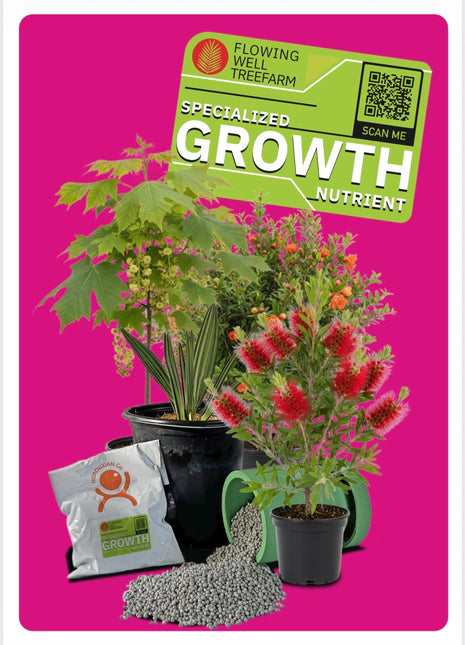

Premium Fertilizer 19-4-10
Premium 19•4•10 Fertilizer – For Fast Growth & Deep Green Color (Fertilize every 6 months) Boost your plants’ performance with Premium 19•4•10 Fertilizer from FlowingWellTreeFarm.com. This high-nitrogen formula is specially designed to promote rapid growth, rich green foliage, and overall plant strength—making it ideal for trees, shrubs, lawns, and leafy plants that need an extra nutritional boost. With nitrogen supporting leaf development, phosphorus enhancing root health, and potassium strengthening resistance and vigor, this blend delivers powerful results you can see. Key Benefits Encourages fast, healthy growth Produces deeper green color Strengthens roots and overall plant health Helps plants withstand stress from heat and drought Easy to apply and long-lasting when used as directed Ideal For Lawns, shade trees, ornamental plants, palms, hedges, and shrubs. Increase growth and color naturally with a fertilizer trusted by growers and landscapers alike. How Much 19-4-10 Fertilizer Do I Use? 🌳 Trees & Shrubs New plantings:Apply 1 tablespoon per foot of plant height Established plants:Apply 2–3 tablespoons per foot of height Spread evenly around the drip line (not against the trunk), then water well. 🌸 Flowers & Garden Beds Apply 1 cup per 25 square feet of planting area Water thoroughly after application 🪴 Container & Potted Plants Use ½–1 teaspoon per gallon of soil Mix into topsoil gently and water in 📅 How Often to Apply During growing season: every 6–8 weeks Avoid fertilizing during extreme heat or drought ⚠️ Important Tips Always water after applying Keep fertilizer away from the trunk or stems Do not overapply (more is not better) Wear gloves when applying if you have sensitive skin
$15.00
-

Green Saw Palmetto (Sabal minor)
Locally grown in Pierson, Florida – Flowing Well Tree Farm The Green Saw Palmetto (Sabal minor) is a hardy, native Florida palm-like plant known for its lush tropical appearance, extreme durability, and adaptability to a wide range of landscape conditions. Unlike the larger Sabal palms, Sabal minor forms a low, clumping fan of deep green leaves, making it an excellent choice for naturalistic plantings, understory design, and low-maintenance Florida landscapes. 🌎 USDA Zone USDA Hardiness Zones: 7a–11 Best performance in Florida: Zones 8a–10b Extremely cold-hardy for a palm-type plant and thrives throughout most of Florida 🌿 About the Plant Sabal minor is a slow-growing, evergreen native that forms a dense clump of fan-shaped leaves emerging directly from the ground. It stays naturally low to the ground, giving it a clean, structured look in the landscape without overwhelming surrounding plants. Key features: Native Florida plant Compact, trunkless growth habit Rich green, fan-shaped foliage Extremely low maintenance Long-lived and highly adaptable It is often used as a structural accent in native and tropical-inspired landscapes. ☀️ Sun Requirements Full sun to partial shade Performs well in filtered light under larger trees In full sun, foliage is denser and more compact 🌱 Soil Requirements Highly adaptable to many soil types Prefers well-drained sandy or loamy soils Tolerates clay, wet areas, and poor soils once established Excellent for rain gardens and natural drainage areas 💧 Watering Water regularly during establishment (first year) Once established: very drought tolerant Also tolerates occasional flooding and wet periods One of the most adaptable native landscape plants for Florida conditions 📍 Placement in the Landscape Green Saw Palmetto is ideal for: Native Florida landscapes Understory planting beneath trees Foundation accents in low-maintenance gardens Mass plantings for texture and structure Wetland edges and rain gardens Its low profile makes it perfect for adding greenery without blocking views. 🌿 Growth & Characteristics Mature height: 2–4 feet Mature spread: 3–5 feet or more over time Evergreen foliage year-round Slow-growing but long-lived Highly resistant to pests, wind, and drought Excellent wildlife value (shelter for small animals and pollinators) ✂️ Pruning Minimal pruning required Remove only dead or damaged fronds as needed Do not cut green, healthy foliage Naturally maintains a clean, compact form 🌿 Fertilizer Light feeding in spring if desired Use a palm or slow-release balanced fertilizer Avoid over-fertilizing—this native thrives in low-nutrient soils Mulch helps retain moisture and reduce weeds 🌟 Additional Notes Florida-native and extremely resilient Perfect for low-maintenance landscapes Excellent erosion control in natural areas Works well in both modern and natural garden designs One of the toughest native understory plants available
$18.00
-


Sand Live Oak (Quercus geminata)
Locally grown in Pierson, Florida – Flowing Well Tree Farm The Sand Live Oak (Quercus geminata) is a rugged, Florida-native evergreen oak prized for its dense canopy, wind resistance, and ability to thrive in harsh coastal and inland conditions. Naturally found in sandy uplands and coastal scrub habitats, this oak is built for durability and long-term landscape strength. USDA Hardiness Zones: 7b–10b Best performance in Florida: Zones 8a–10a 🌿 About the Tree Sand Live Oak is closely related to the Southern Live Oak but has a more compact, wind-sculpted form and is especially adapted to dry, sandy soils. It forms a broad, spreading canopy with thick, leathery evergreen leaves that provide year-round shade and structure. This oak is an excellent choice for: Native Florida landscapes Coastal and wind-exposed sites Wildlife habitat restoration Long-term shade trees for large properties Once established, it becomes a powerful anchor tree in the landscape—strong, resilient, and extremely long-lived. ☀️ Sun Requirements Full sun preferred (6–8+ hours daily) Tolerates partial shade, especially when young Full sun encourages denser branching and stronger structure 🌱 Soil Requirements Prefers well-drained sandy soils (naturally adapted) Highly tolerant of poor, dry, or nutrient-light soils Excellent for coastal, scrub, and upland Florida conditions Avoid poorly drained or constantly wet areas 💧 Watering Water regularly during establishment (first 1–2 years) Once established: very drought tolerant Deep, infrequent watering is best Avoid overwatering—this species thrives in drier conditions 📍 Placement in the Landscape Sand Live Oak is best used as a long-term structural tree: Large shade tree for acreage, farms, and estates Windbreak or coastal buffer planting Native habitat and wildlife support tree Anchoring focal point in naturalistic landscapes ⚠️ Allow plenty of space—mature trees develop wide, spreading canopies. 🌳 Growth & Characteristics Mature height: 30–50+ feet Mature spread: often equal or greater than height Evergreen foliage with thick, leathery leaves Extremely wind and salt tolerant Long-lived, forming massive, sculptural branches over time Excellent wildlife value (acorns support birds and mammals) ✂️ Pruning Prune in late winter for structure and clearance Focus on: Removing dead or crossing limbs Raising canopy if needed for access Early structural training in young trees Minimal pruning needed once established 🌿 Fertilizer Light feeding in early establishment years if needed Use balanced, slow-release fertilizer sparingly Mature trees typically require little to no fertilization Mulch helps retain moisture and improve soil health 🌟 Additional Notes One of the toughest native oaks for Florida landscapes Exceptional choice for dry, sandy, and coastal properties Provides dense evergreen shade year-round Highly resistant to wind damage once established A true legacy tree that increases property value and ecological health
$30.00
-


Pomegranate Wonderful (Punica granatum ‘Wonderful’)
Wonderful is a highly productive, cold-hardy fruiting pomegranate known for its large, deep red fruit and rich, sweet-tart arils. Locally grown in Pierson, Florida, this variety thrives in warm climates and performs especially well in Central and North Florida landscapes. 🌞 Zone & Climate USDA Zones: 7–10 Best performance in Florida: Zones 8b–10a Excellent heat tolerance and very drought-adaptable once established 🌿 About the Plant ‘Wonderful’ is the most widely grown commercial pomegranate variety in the U.S. It forms a multi-stemmed large shrub or small ornamental tree, typically reaching 10–20 feet tall and wide if unpruned. It is valued for: Vibrant orange-red flowers in spring and summer Attractive branching structure Long fruiting season in warm regions Strong resilience to heat and humidity 🍎 About the Fruit Large, round fruit with thick red skin Deep ruby-red arils (edible seed sacs) Flavor: balanced sweet-tart, excellent for fresh eating and juicing Ripens in late summer through fall (in Florida, often August–October) Very high antioxidant content Fruit quality improves with full sun and consistent heat. ☀️ Sun Requirements Full sun required (6–8+ hours daily) More sun = better flowering and heavier fruit production Tolerates partial shade, but fruiting will be reduced 🌱 Soil Requirements Prefers well-drained sandy or loamy soil Adapts well to Florida’s native soils Avoid heavy, waterlogged areas Ideal pH: slightly acidic to neutral (6.0–7.0) Good drainage is the most important factor for long-term success. 💧 Watering Water regularly during first year to establish roots Once established: drought tolerant For best fruit production: Deep watering during flowering and fruit set Reduce stress during extreme dry periods Avoid overwatering (can reduce fruit quality) 📍 Placement in the Landscape Excellent as a specimen shrub/tree or edible landscape focal point Works well in: Food forests Backyard orchards Mediterranean-style landscapes Privacy hedging when planted in groups Space plants 10–15 feet apart for airflow and growth Avoid low, wet areas of the yard ✂️ Pruning Prune in late winter (dormant season) Can be trained as: Multi-stem shrub (most common) Single-trunk small tree Remove: Dead or crossing branches Suckers from base if tree form is desired Light annual pruning improves fruit size and air circulation 🌿 Fertilizer Use balanced fertilizer (such as 10-10-10 or organic fruit tree blend) Feed in early spring and mid-summer Avoid excess nitrogen (can cause leafy growth with fewer fruits) Mulch around base to retain moisture and improve soil health 🌟 Additional Notes Highly heat-tolerant and well-suited for Florida landscapes Attracts pollinators with bright flowers Once established, it is low-maintenance and long-lived One of the best fruiting shrubs for edible landscaping in warm climates
$25.00
-


Native Muscadine Grape "Carlos" (Vitis 'Welder')
Locally Grown in Pierson, FloridaHeavy Producer | Excellent for Juice & Wine | Florida-Friendly Fruiting Vine Grow one of the South’s most productive and dependable muscadine grapes with Muscadine Grape ‘Carlos’ (Vitis ‘Carlos’), a vigorous fruiting vine locally grown at Flowing Well Tree Farm in Pierson, Florida. Known for its exceptional productivity, disease resistance, and sweet-tart bronze fruit, ‘Carlos’ is one of the top muscadine varieties for juices, jams, jellies, fresh eating, and homemade wine. Well adapted to Florida’s warm climate and humidity, this vigorous vine thrives in Southern landscapes while producing abundant harvests season after season. USDA Growing ZonesBest suited for Zones 7–10, thriving throughout much of the Southeast, including Florida. About the Plant‘Carlos’ Muscadine is a vigorous deciduous climbing vine prized for its heavy yields, lush foliage, and strong disease resistance. This self-fertile variety is commonly planted for reliable fruit production and is especially valued in vineyards and home orchards for its consistent performance. Its vigorous growth makes it ideal for covering trellises, fences, arbors, pergolas, and edible landscapes, while adding beauty and shade to outdoor spaces. About the Fruit‘Carlos’ produces large clusters of bronze-colored muscadine grapes with sweet, aromatic flavor and excellent juice quality. Fruit ripens in late summer to early fall and is highly prized for fresh eating, juices, jams, jellies, desserts, and winemaking. Muscadines are naturally rich in antioxidants, vitamins, and beneficial nutrients. Mature Height & GrowthFast-growing vine reaching 15–25 feet or more with proper support. Excellent for vertical growing spaces and edible garden structures. Sun RequirementsPerforms best in full sun (6–8+ hours daily) for maximum fruit production and healthiest vine growth. Planting InstructionsChoose a sunny location with sturdy climbing support. Dig a hole twice as wide as the root ball and the same depth. Plant at the same depth as the nursery container. Water thoroughly after planting. Add mulch around the base to retain moisture and suppress weeds, keeping mulch away from the stem. Install a trellis, arbor, or fence to support vigorous growth and improve airflow. Soil RequirementsThrives in well-drained sandy or loamy soils and performs exceptionally well in Florida conditions. Prefers slightly acidic soil but adapts to a variety of soil types with proper drainage. Watering NeedsWater regularly during establishment to encourage strong root growth. Once established, Muscadine grapes are drought tolerant but benefit from deep watering during flowering and fruit development for optimal harvests. FertilizerApply a balanced slow-release fertilizer in early spring and again in midsummer if needed. Avoid excessive nitrogen, which may lead to vigorous leafy growth with reduced fruit production. Pruning & CarePruning is important for healthy vines and strong fruiting. Prune in late winter while dormant, cutting back excess growth to encourage new fruiting wood. Maintaining airflow and an open structure improves productivity and overall plant health. What Makes It Thrive✔ Full sun and warm temperatures✔ Strong trellis or arbor support✔ Good airflow around vines✔ Well-drained soil with moderate moisture✔ Annual winter pruning for best fruit production Add the dependable productivity of Muscadine Grape ‘Carlos’ to your landscape and enjoy abundant harvests of delicious Southern grapes from a locally grown Florida favorite!
$12.00
-


Native Muscadine Grape "Delicious" (Vitis rotundifolia ‘Delicious’ )
Locally Grown in Pierson, FloridaSweet Southern Grape | Heavy Producer | Florida-Friendly Fruiting Vine Enjoy homegrown sweetness straight from the vine with Muscadine Grape ‘Delicious’ (Vitis rotundifolia ‘Delicious’), a vigorous and productive fruiting vine locally grown at Flowing Well Tree Farm in Pierson, Florida. Known for its exceptionally sweet flavor, large fruit, and reliable production, ‘Delicious’ is one of the best muscadine grapes for fresh eating right off the vine. Perfectly adapted to Florida’s warm climate, this hardy native grape relative thrives in heat and humidity while producing abundant clusters of flavorful grapes ideal for snacking, juices, jams, jellies, desserts, and homemade wine. USDA Growing ZonesBest suited for Zones 7–10, thriving throughout much of the Southeast, including Florida. About the Plant‘Delicious’ Muscadine is a vigorous deciduous climbing vine known for its lush green foliage, rapid growth, and dependable fruit production. This self-fertile variety produces high yields of sweet bronze to bronze-purple grapes with excellent flavor and natural disease resistance. Muscadine grapes are well known for their toughness, heat tolerance, and ability to thrive where traditional grapes often struggle. About the Fruit‘Delicious’ produces large, sweet muscadine grapes with rich flavor and juicy flesh. Fruit ripens in late summer to early fall and is excellent for fresh eating, preserves, juice, smoothies, desserts, and winemaking. Muscadines are also rich in antioxidants, vitamins, and natural nutrients. Mature Height & GrowthFast-growing vine reaching 15–25 feet or more with proper support. Ideal for trellises, arbors, fences, pergolas, and edible landscapes. Sun RequirementsPerforms best in full sun (6–8+ hours daily) for maximum fruit production and healthiest growth. Planting InstructionsChoose a sunny location with strong climbing support. Dig a hole twice as wide as the root ball and the same depth. Plant at the same depth as the nursery container. Water deeply after planting. Add mulch around the base to retain moisture and suppress weeds, keeping mulch away from the trunk. Install a trellis, arbor, or fence for support and airflow. Soil RequirementsThrives in well-drained sandy or loamy soils and adapts well to Florida conditions. Prefers slightly acidic soil but tolerates a variety of soil types if drainage is good. Watering NeedsWater regularly during the first growing season to establish roots. Once established, Muscadine grapes are relatively drought tolerant but produce best with deep watering during flowering and fruit development. FertilizerApply a balanced slow-release fertilizer in early spring and again in midsummer if needed. Avoid excessive nitrogen, which may encourage leafy growth at the expense of fruit production. Pruning & CarePruning is essential for healthy vines and strong fruit production. Prune in late winter while dormant, cutting back excess growth to encourage new fruiting wood. Maintaining airflow and structure helps improve grape quality and reduce disease. What Makes It Thrive✔ Full sun and warm temperatures✔ Strong trellis or arbor support✔ Good airflow around vines✔ Well-drained soil with moderate moisture✔ Annual winter pruning for productivity Bring home the flavor of the South with Muscadine Grape ‘Delicious’ and enjoy sweet, homegrown grapes from a locally grown Florida favorite!
$12.00
-

African Rose Hibiscus (Hibiscus Acetosella)
African Rose Hibiscus (Hibiscus acetosella) – Locally Grown in Pierson, FloridaBold Tropical Foliage | Edible Leaves | Fast-Growing Landscape Accent Add dramatic color and tropical beauty to your landscape with African Rose Hibiscus (Hibiscus acetosella), a stunning ornamental plant locally grown at Flowing Well Tree Farm in Pierson, Florida. Known for its striking deep burgundy to purple maple-shaped foliage and beautiful rosy-red flowers, this fast-growing tropical hibiscus creates instant impact in gardens, edible landscapes, and containers. Also called False Roselle or Cranberry Hibiscus, this versatile plant offers both ornamental appeal and edible benefits. Its tart, cranberry-like leaves can be added to salads, teas, stir-fries, and garnishes, making it a favorite for edible gardens and food forests. USDA Growing ZonesBest suited for Zones 8–11. In cooler climates, it can be grown as an annual or overwintered indoors in containers. About the PlantAfrican Rose Hibiscus is a fast-growing tropical perennial shrub prized for its vibrant burgundy foliage that resembles a Japanese maple from a distance. It adds bold texture and rich color to landscapes while producing delicate hibiscus-like flowers that attract butterflies and pollinators. This ornamental edible grows quickly and performs beautifully in tropical gardens, privacy plantings, pollinator gardens, edible landscapes, and decorative containers. About the Edible Leaves & FlowersThe tender leaves have a pleasantly tart, citrus-cranberry flavor and are edible fresh or cooked. Young leaves are excellent in salads, teas, smoothies, soups, and stir-fries. The attractive flowers are also edible and help support pollinators throughout the growing season. Mature Height & GrowthFast-growing and typically reaches 4–8 feet tall and 3–5 feet wide, depending on growing conditions and pruning. Sun RequirementsThrives in full sun to partial shade, with the deepest purple foliage color developing in full sun. Planting InstructionsChoose a warm location with good sunlight and airflow. Dig a hole twice as wide as the root ball and the same depth. Plant at the same depth as the nursery container. Water deeply after planting. Apply mulch to help retain moisture and regulate soil temperature, keeping mulch away from the stem. Space plants to allow room for airflow and mature growth. Soil RequirementsPrefers well-drained fertile soil rich in organic matter but adapts to sandy Florida soils. Performs best in slightly acidic to neutral soil with consistent moisture. Watering NeedsWater regularly during establishment to maintain evenly moist soil. Once established, African Rose Hibiscus is moderately drought tolerant but grows best with consistent watering during hot weather. FertilizerFeed with a balanced slow-release fertilizer in spring and midsummer to encourage lush foliage and vigorous growth. Compost or organic matter also supports healthy development. Pruning & CarePrune lightly throughout the growing season to maintain shape and encourage bushier growth. Cutting back leggy stems promotes fuller foliage and more branching. In cooler regions, plants may die back and regrow from the base after winter. What Makes It Thrive✔ Full sun for richest foliage color✔ Warm temperatures and humidity✔ Consistent moisture with good drainage✔ Occasional pruning for fuller growth✔ Nutrient-rich soil and seasonal feeding Bring home the bold beauty of African Rose Hibiscus and enjoy stunning tropical color, edible leaves, and pollinator-friendly blooms from a locally grown Florida favorite.
$15.00
-


Passion Fruit Possum Purple (Passiflora Edulis)
Premium Tropical Fruiting Vine | Sweet Purple Fruit | Fast-Growing & Productive Bring tropical flavor and stunning beauty to your landscape with Passion Fruit ‘Possum Purple’, a vigorous fruiting vine locally grown at Flowing Well Tree Farm in Pierson, Florida. This highly productive variety produces delicious purple passion fruit with sweet-tart flavor, perfect for fresh eating, juices, desserts, smoothies, and preserves. With exotic blooms and rapid growth, it also makes a beautiful ornamental vine for edible landscapes. Locally grown and acclimated to Florida conditions, our plants are strong, healthy, and ready to thrive in home gardens, backyard orchards, patios, trellises, fences, and pergolas. USDA Growing ZonesBest suited for Zones 9–11. In cooler climates, Passion Fruit can be grown in containers and protected during frost. About the PlantPossum Purple is a fast-growing tropical vine known for its striking purple-and-white flowers and vigorous climbing habit. This evergreen to semi-evergreen vine grows quickly and provides lush coverage while producing delicious edible fruit. The showy blooms also attract butterflies, bees, and pollinators, adding beauty and ecological value to your garden. About the FruitPossum Purple produces medium to large purple passion fruit with aromatic pulp and a sweet-tangy tropical flavor. Fruit can be eaten fresh or used in juices, jams, desserts, cocktails, sauces, and smoothies. When ripe, fruit naturally drops from the vine and develops peak sweetness. Mature Height & GrowthFast-growing vine reaching 15–20 feet or more with support. Ideal for trellises, fences, arbors, pergolas, and privacy screening. Sun RequirementsPerforms best in full sun (6–8+ hours daily) for maximum flowering and fruit production. Partial shade is tolerated but may reduce yields. Planting InstructionsChoose a sunny location with sturdy support. Dig a hole twice as wide as the root ball and the same depth. Plant at the same depth as the nursery container. Water thoroughly after planting. Add mulch around the base to retain moisture, keeping mulch away from the stem. Install a trellis, arbor, fence, or pergola for climbing support. Soil RequirementsThrives in well-drained sandy or loamy soil rich in organic matter. Prefers slightly acidic soil with good drainage. Avoid soggy or poorly drained areas to prevent root problems. Watering NeedsWater regularly during establishment to keep soil evenly moist. Once established, Passion Fruit is moderately drought tolerant but performs best with deep watering during dry periods and fruit production. FertilizerFeed in early spring and midsummer using a balanced fruit-tree or flowering fertilizer. Avoid excessive nitrogen, which may produce excessive vine growth with fewer flowers and fruit. Pruning & CarePrune lightly in late winter or early spring to shape the vine and encourage airflow. Remove dead, weak, or tangled growth as needed. Regular pruning helps improve fruit production and keeps vines manageable. What Makes It Thrive✔ Full sun and warm temperatures✔ Strong trellis or climbing support✔ Consistent watering during flowering and fruiting✔ Well-drained, nutrient-rich soil✔ Light seasonal pruning for airflow and productivity
$15.00
-


Grayleaf Teabush (Melochia tomentosa)
🌿 Florida Native | Pollinator Friendly | Drought Tolerant Shrub Silver-Foliage Native Pollinator Plant Grayleaf Teabush is a fast-growing Florida native shrub valued for its soft, velvety silver-gray foliage and delicate pink to lavender blooms that appear through summer and fall. It brings a striking contrast to green landscapes while supporting essential pollinators. Highly adaptable and extremely low-maintenance, this native plant is perfect for pollinator gardens, erosion control, naturalized plantings, and drought-tolerant landscapes. 🐝 Why You’ll Love Grayleaf Teabush 🦋 Pollinator MagnetFlowers attract bees, butterflies, and other beneficial insects all season long. 🌿 Unique Silver FoliageSoft gray leaves add contrast, texture, and visual interest to any planting. 💪 Extremely Tough NativeHandles heat, drought, poor soils, and coastal conditions with ease. 🌾 Great for Restoration & Habitat PlantingsSupports biodiversity and stabilizes natural landscapes. 🌱 Growing Information USDA Zones: 8–10 (cold hardy to ~15–20°F)☀️ Light: Full sun to light shade (best flowering in full sun) 🌿 Soil Requirements Adaptable to sandy, rocky, or slightly alkaline soils Prefers well-drained conditions Tolerates poor soils once established Avoid prolonged standing water 🌱 Planting Instructions Space 3–5 feet apart for hedges or group plantings Dig a hole twice as wide and equal depth to the root ball Plant at ground level and backfill with native soil Water thoroughly after planting Apply mulch to retain moisture and reduce weeds 💧 Watering Guide Water 1–2 times weekly during establishment (first 4–6 weeks) Once established, highly drought tolerant Only needs supplemental water during prolonged dry periods 🌿 Care & Maintenance Prune lightly in late winter or early spring Remove dead or leggy growth to encourage density Minimal fertilization required 🌾 What Makes It Thrive ☀️ Full sun exposure 🌿 Low-nutrient, well-drained soils 💧 Minimal watering once established 🌬 Open airflow for pollinator activity ✨ Grayleaf Teabush is a rugged, beautiful Florida native that delivers silver color, pollinator support, and long-term landscape resilience.
$15.00 - $24.00


