


Large Sizes
-


Native Viburnum (Viburnum Obovatum)
Native Viburnum (Viburnum obovatum) — Locally Grown in Pierson, Florida at Flowing Well Tree FarmNative Evergreen Shrub/Small Tree • Dense Screening Plant • Pollinator Flowering Species • Florida-Grown Restoration & Hedgerow Stock Native Viburnum (Viburnum obovatum), commonly known as Walter’s Viburnum, is one of the most versatile and structurally important native shrubs in Florida ecosystems. Known for its dense evergreen foliage, fine branching habit, and seasonal clusters of small white flowers followed by dark fruit, this species is widely used in hedgerows, natural privacy screens, wildlife corridors, and habitat restoration plantings. Naturally found in hammocks, floodplains, and forest edges across the southeastern United States, Viburnum obovatum thrives in Florida’s heat, humidity, and variable soil conditions. At Flowing Well Tree Farm in Pierson, Florida, we grow this species as premium native stock specifically selected for strong branching, fast establishment, and long-term landscape performance. When you buy Native Viburnum here, you’re not receiving weak ornamental filler stock—you’re getting locally grown, Florida-adapted plants conditioned for real-world conditions including sandy soils, seasonal flooding, drought cycles, and intense summer heat. That local adaptation is critical. Viburnum obovatum is one of the best native plants for fast hedging and ecological structure, but only performs at its highest level when grown and hardened in similar conditions from the start. Why Locally Grown Matters for Native Viburnum Starting with Florida-grown stock provides major advantages: Faster establishment in sandy and variable soils Stronger branching structure for hedges and screens Improved heat and humidity tolerance Better long-term drought and flood cycle resilience Denser growth habit for privacy and habitat value Higher survival rates in restoration plantings This creates a more reliable and functional native hedge system from year one. Flowering, Fruit & Seasonal Value Native Viburnum provides year-round ecological and seasonal interest: Clusters of small white flowers in spring Nectar source for native bees and pollinators Dark berry-like drupes in late summer to fall Important seasonal food source for birds and wildlife Subtle but consistent ornamental appeal Naturalistic texture in native landscapes It delivers function without losing its refined native aesthetic. Wildlife & Habitat Importance Viburnum obovatum is a foundational wildlife shrub: Berries consumed by songbirds and small mammals Dense evergreen structure provides year-round cover Excellent nesting and shelter habitat in hedgerows Supports pollinators during spring bloom period Enhances corridor connectivity in fragmented landscapes It is one of the most dependable native species for habitat structure. Growth Habit & Landscape Value This is one of Florida’s best native screening plants: 8–15 ft shrub or small tree form (can be kept lower with pruning) Extremely dense, fine-textured branching habit Naturally forms thick hedges and living fences Responds exceptionally well to trimming and shaping Ideal for formal or naturalized native hedgerows Excellent substitute for non-native privacy shrubs It is widely considered one of the best native alternatives for evergreen screening. Climate & Site Adaptability Native Viburnum is highly adaptable across Florida: Native to southeastern U.S. wetlands and uplands Performs well in full sun to partial shade Tolerates seasonal flooding and drought once established Thrives in sandy, loamy, and organic soils Highly heat and humidity tolerant Performs well in both managed and natural systems It is one of the most flexible native shrubs available. USDA Growing Zones Best suited for Zones 7–10, performing strongly throughout Florida and the Gulf and coastal southeastern regions. Light Requirements For best density and flowering: Full sun to partial shade More sun increases density and flowering Partial shade helps in hotter inland sites Highly adaptable across light conditions Soil & Site Requirements Adapted to a wide range of Florida soils: Prefers moist, well-drained soils Tolerates sandy, clay, and organic soils Handles periodic wet conditions Benefits from mulch and organic matter Avoid permanently saturated stagnant sites Planting Guidance (Grower Recommended) For best hedge or specimen performance: Plant in full sun or partial shade Dig hole 2–3× wider than root ball Set at original soil depth Water deeply after planting Apply mulch to retain moisture and suppress weeds Space 4–6 ft apart for hedges or screening rows Prune lightly early to encourage branching density We can assist with hedge design, property screening layouts, and native landscape structuring. Watering & Establishment Water regularly during the first 1–2 growing seasons. Once established, Native Viburnum becomes highly resilient and can tolerate both drought and wet cycles common in Florida climates. Fertilizer Low-input native shrub: Minimal fertilizer required Compost improves density and flowering performance Avoid high nitrogen fertilizers (prevents overly loose growth) Performs best in natural soil systems Pruning & Maintenance Highly manageable and responsive: Responds extremely well to pruning and shaping Can be maintained as formal hedge or natural screen Benefits from periodic trimming for density Rebounds quickly after cutting Low maintenance in naturalized landscapes Why This Is a Smarter Long-Term Investment ✔ Locally grown in Florida for superior adaptation✔ One of the best native evergreen screening shrubs✔ Excellent hedge, buffer, and privacy plant✔ High wildlife and pollinator value✔ Strong tolerance to Florida’s climate extremes✔ Fast-forming dense structure for landscapes✔ Ideal for restoration and native hedgerows✔ Grower-direct expertise for real Florida systems The Real Value This isn’t just a landscape shrub—it’s a living structural system that creates privacy, supports wildlife, and restores native habitat function. When you plant Native Viburnum, you’re building a dense evergreen hedge that replaces non-native ornamentals with a resilient, ecologically valuable native alternative that improves every year it grows.
$22.00 - $115.00
-


American Holly (Ilex Opaca)
American Holly (Ilex opaca) — Locally Grown in Pierson, Florida at Flowing Well Tree FarmNative Evergreen Canopy Tree • Wildlife Berry Producer • Dense Privacy & Screening Species • Florida-Grown Landscape, Restoration & Woodland Understory Tree American Holly (Ilex opaca) is one of the most iconic native evergreen trees in the eastern United States, prized for its glossy deep green foliage, bright red winter berries, and strong structural form. Naturally found in upland forests, hammocks, and mixed woodlands, American Holly is a long-lived species that provides year-round beauty, wildlife value, and dependable evergreen structure in Florida landscapes. At Flowing Well Tree Farm in Pierson, Florida, we grow American Holly as premium native evergreen stock selected for strong central leaders, dense branching, and long-term performance in Florida’s heat, humidity, sandy soils, and seasonal weather cycles. Each tree is field-grown under real Florida conditions to ensure resilience, adaptability, and lasting landscape success. When you buy American Holly here, you are not receiving weak ornamental nursery stock—you are getting Florida-adapted native evergreens conditioned for strong establishment, reliable berry production, and long-term structural performance. That local adaptation matters. Ilex opaca develops stronger root systems, improved drought tolerance, and better long-term canopy density when grown in Florida conditions from the beginning. Why Locally Grown Matters for American Holly Starting with Florida-grown stock provides key advantages: Stronger establishment in sandy Florida soils Improved heat and humidity tolerance Better drought resistance once established Higher survival rates in landscape and restoration plantings Stronger branch structure and canopy density More reliable long-term berry production This creates a dependable evergreen canopy tree built for Florida environments. Evergreen Structure & Landscape Value American Holly is a classic native evergreen species: 20–50 ft mature height depending on site conditions Dense pyramidal to rounded canopy form Glossy evergreen foliage year-round Excellent for privacy screens and property borders Strong specimen tree for residential and natural landscapes Provides long-term structural greenery in all seasons It is one of the most recognizable evergreen trees in the Southeast. Berry Production & Seasonal Interest American Holly provides strong seasonal landscape value: Bright red berries produced on female trees Berries persist through fall and winter Creates striking contrast against dark evergreen foliage Important winter food source for wildlife Excellent ornamental value during holiday season Enhances visual interest in cold months It is a signature winter-berry native species. Wildlife & Ecological Importance American Holly is a valuable wildlife-supporting tree: Berries provide food for birds during winter months Dense canopy offers nesting and shelter habitat Flowers attract pollinators in spring Supports native insect biodiversity Contributes to healthy woodland ecosystems Enhances habitat structure in restoration plantings It is an important evergreen component of native Florida ecosystems. Growth Habit & Structural Function American Holly is a long-lived evergreen hardwood: 20–50+ ft mature height depending on site conditions Slow to moderate growth rate Strong central leader development when young Dense branching structure improves with age Long-lived native canopy species Excellent for permanent landscape structure It functions as both a shade tree and evergreen anchor. Climate & Site Adaptability American Holly performs well across Florida environments: Native throughout the southeastern United States Excellent heat and humidity tolerance Performs best in upland and well-drained sites Moderate drought tolerance once established Adaptable to sandy, loamy, and mixed soils Strong performance in natural and managed landscapes It is highly reliable in Florida’s climate when properly established. USDA Growing Zones Best suited for Zones 7–9, with strong performance throughout Florida and the southeastern United States. Light Requirements For best growth and berry production: Full sun to partial shade Full sun promotes denser growth and better berry set Tolerates woodland understory conditions Ideal for hedges, screens, and specimen plantings Soil & Site Requirements Adaptable native evergreen: Thrives in well-drained sandy soils Performs well in forest-edge environments Prefers slightly acidic soils Benefits from organic matter during establishment Avoid prolonged standing water in poorly drained areas Mulch helps support root development and moisture retention Planting Guidance (Grower Recommended) For best long-term performance: Plant in full sun to partial shade Dig hole 2–3× wider than root ball Set at original soil depth Water deeply after planting Apply mulch to conserve moisture and regulate soil temperature Space 10–20 ft apart for screens or specimen planting Allow room for mature canopy development We can assist with evergreen screening design, native landscape planning, restoration forestry, and property border installations. Watering & Establishment Water regularly during the first 1–2 growing seasons. Once established, American Holly becomes moderately drought tolerant and highly resilient in Florida’s seasonal climate patterns. Fertilizer Low input requirements: Minimal fertilization needed once established Organic compost supports early growth and berry production Balanced nutrients improve canopy density Avoid excessive nitrogen to maintain natural form Pruning & Maintenance Low maintenance native evergreen: Prune young trees to establish strong structure Responds well to shaping for hedges or screens Remove dead or crossing branches as needed Naturally develops dense, attractive canopy Long-lived with minimal maintenance requirements Why This Is a Smarter Long-Term Investment ✔ Locally grown in Florida for maximum adaptation ✔ Classic native evergreen canopy tree ✔ Bright red winter berries for seasonal value ✔ Excellent wildlife habitat and food source ✔ Strong privacy and screening performance ✔ Long-lived structural landscape species ✔ Adaptable to a wide range of Florida conditions ✔ Grower-direct quality for Florida landscapes The Real Value This isn’t just an evergreen tree—it’s a living landscape foundation that provides structure, privacy, wildlife food, and year-round beauty. When you plant American Holly, you’re investing in a Florida-adapted native evergreen that delivers lasting canopy strength, seasonal berry display, and ecological value while enhancing landscapes for generations to come.
$21.00 - $140.00
-


Live Oak (Quercus Virginiana)
Live Oak (Quercus virginiana) — Locally Grown in Pierson, Florida at Flowing Well Tree FarmIconic Evergreen Canopy Tree • Long-Lived Structural Hardwood • Wildlife Habitat Keystone Species • Florida-Grown Shade, Restoration & Legacy Landscape Tree Live Oak (Quercus virginiana) is one of the most iconic and ecologically important native trees in the southeastern United States. Known for its massive spreading canopy, strong horizontal limbs, and extraordinary lifespan, the Live Oak defines Florida’s natural landscapes—from coastal hammocks and historic sites to upland forests and open pasture edges. At Flowing Well Tree Farm in Pierson, Florida, we grow Live Oak as premium native canopy stock selected for strong central leaders in early growth, resilient branching structure, and long-term performance in Florida’s heat, humidity, sandy soils, wind exposure, and storm cycles. Each tree is field-grown under real Florida conditions to ensure superior establishment and long-term structural integrity. When you buy Live Oak here, you are not receiving soft ornamental nursery stock—you are getting Florida-adapted legacy trees conditioned for decades of growth, wind resistance, and ecological performance. That local adaptation matters. Quercus virginiana develops deeper anchoring root systems, stronger structural wood, and superior wind resilience when grown from the beginning in Florida conditions. Why Locally Grown Matters for Live Oak Starting with Florida-grown stock provides key advantages: Stronger establishment in sandy and coastal soils Improved heat and humidity tolerance Deeper, more stable root systems Greater wind and hurricane resilience over time Higher survival rates in restoration and landscape projects Better long-term canopy architecture and structural strength Increased adaptability to drought and seasonal flooding cycles This creates a permanent landscape anchor tree capable of living for centuries. Canopy Structure & Landscape Value Live Oak is one of the most powerful structural shade trees in North America: 40–80+ ft mature height depending on site conditions Massive canopy spread often exceeding 80–120 ft at maturity Broad, sculptural horizontal branching architecture Dense evergreen-to-semi-evergreen foliage in Florida climates Creates deep, cooling shade beneath its canopy Iconic silhouette defining Southern landscapes It is a true architectural landscape centerpiece tree. Ecological & Wildlife Importance Live Oak is a foundational keystone species in Florida ecosystems: Supports hundreds of native insect species Provides critical habitat for birds, mammals, and pollinators Acorns serve as a major food source for deer, turkey, squirrels, and wildlife Dense canopy offers nesting and shelter opportunities Stabilizes coastal and inland soils with extensive root systems Essential component of hammocks, coastal forests, and upland ecosystems It is one of the most ecologically important trees in the Southeast. Growth Habit & Structural Function Live Oak is a long-lived structural hardwood: 40–80+ ft mature height depending on site conditions Massive lateral canopy spread with age Extremely strong, flexible wood structure Slow to moderate growth with exceptional longevity Can live several hundred years in natural conditions Excellent wind resistance when mature It functions as a permanent, generational landscape anchor. Climate & Site Adaptability Live Oak thrives across a wide range of Florida environments: Native throughout Florida and the coastal Southeast Excellent tolerance to heat, humidity, and salt exposure Performs well in sandy, loamy, and coastal soils Highly wind and storm resilient when established Moderate drought tolerance once mature Adaptable to urban, rural, and natural landscapes It is one of the most reliable long-term shade trees for Florida. USDA Growing Zones Best suited for Zones 7–10, with exceptional performance throughout Florida and coastal regions of the southeastern United States. Light Requirements For best canopy development: Full sun preferred for strongest structure Tolerates partial shade in early growth stages Sun exposure promotes dense canopy formation Ideal for large open landscapes, pastures, and restoration sites Soil & Site Requirements Highly adaptable native hardwood: Thrives in sandy Florida soils Tolerates coastal and inland conditions Prefers well-drained sites but adapts widely Excellent in low-fertility native soils Benefits from mulch during establishment Avoid prolonged standing water in poorly drained areas Planting Guidance (Grower Recommended) For best long-term performance: Plant in full sun Dig hole 2–3× wider than root ball Set at original soil depth Water deeply after planting Apply mulch to stabilize moisture and soil temperature Space 40–80 ft apart for full canopy development Allow ample room for long-term growth and limb spread We can assist with legacy landscape planning, shade canopy design, restoration forestry, and large-scale native tree installations. Watering & Establishment Water regularly during the first 2–3 growing seasons. Once established, Live Oak becomes extremely drought tolerant and highly resilient to Florida’s seasonal rainfall cycles and storm conditions. Fertilizer Low input requirements: Minimal fertilization needed once established Organic compost supports early root development Avoid excessive nitrogen applications Performs best in natural soil systems Pruning & Maintenance Very low maintenance: Prune early to establish strong branch structure Remove weak or crossing limbs during youth Minimal pruning required once canopy develops Naturally forms strong, balanced architecture Long-lived with extremely stable structure over time Why This Is a Smarter Long-Term Investment ✔ Locally grown in Florida for maximum adaptation ✔ One of the most iconic native shade trees in America ✔ Exceptional wind and storm resilience when mature ✔ Massive long-term canopy and shade production ✔ Keystone wildlife habitat species ✔ Extremely long-lived, multi-century potential ✔ Strong ecological and restoration value ✔ Grower-direct quality for Florida conditions The Real Value This isn’t just a shade tree—it’s a generational landscape foundation that defines place, history, and ecosystem structure. When you plant Live Oak, you’re investing in a living legacy tree that will outlast structures, support wildlife for centuries, and provide unmatched shade, strength, and ecological value across Florida’s landscapes for generations to come.
$30.00 - $700.00
-


Eastern Redbud (Cercis Canadensis)
Eastern Redbud (Cercis canadensis) — Locally Grown in Pierson, Florida at Flowing Well Tree FarmNative Flowering Understory Tree • Early Spring Blooming Accent Species • Wildlife-Friendly Small Canopy Tree • Florida-Grown Ornamental & Ecological Landscape Tree Eastern Redbud (Cercis canadensis) is one of the most beloved native flowering trees in eastern North America, known for its brilliant early spring magenta-pink blooms that emerge directly on bare branches before the leaves appear. This unique flowering habit makes it one of the most visually striking small native trees in the landscape, especially in naturalized gardens, woodland edges, and understory plantings. At Flowing Well Tree Farm in Pierson, Florida, we grow Eastern Redbud as premium native understory and accent stock selected for strong branching structure, reliable flowering performance, and adaptation to Florida’s heat, humidity, and variable soil conditions. Each tree is field-conditioned to ensure resilience in sandy soils, seasonal moisture swings, and warm climate stress. When you buy Eastern Redbud here, you are not receiving delicate northern-grown ornamental stock—you are getting Florida-adapted native flowering trees developed for real-world performance in southern landscapes. That local adaptation matters. Cercis canadensis performs best when grown in-region, where it develops improved heat tolerance, stronger root systems, and more consistent flowering performance under Florida’s climate conditions. Why Locally Grown Matters for Eastern Redbud Starting with Florida-grown stock provides key advantages: Stronger establishment in sandy and well-drained soilsImproved heat and humidity tolerance from early developmentBetter drought resilience once established in Florida conditionsHigher survival rates in residential and naturalized landscapesMore consistent flowering performance in southern climatesStronger branching structure for long-term ornamental form This creates a reliable native flowering tree that thrives beyond typical nursery expectations in Florida environments. Flowering & Seasonal Interest Eastern Redbud is a premier native flowering accent species: Early spring magenta to pink blooms appear before leaf-outFlowers emerge directly on branches and trunk (cauliflorous flowering)Provides one of the earliest nectar sources for pollinatorsHeart-shaped green leaves follow bloom cycle for summer canopyGolden-yellow fall color in late season conditionsHigh visual impact in naturalized and designed landscapes It is one of the most recognizable and celebrated native flowering trees in the Southeast. Canopy Structure & Landscape Value Eastern Redbud is a small ornamental canopy tree: 20–30 ft mature height depending on site conditionsBroad, vase-shaped to rounded canopy structureMulti-trunk or single-trunk form depending on trainingLight to medium shade ideal for understory ecosystemsCompact size suitable for residential and small landscape useStrong seasonal visual interest across all four seasons It functions as a signature accent tree in native and ornamental plantings. Ecological & Habitat Importance Eastern Redbud plays an important ecological role: Early spring nectar source for bees, butterflies, and pollinatorsProvides cover and nesting habitat for small birdsSupports understory biodiversity in mixed hardwood forestsThrives along woodland edges and transition zonesContributes to native pollinator corridor systemsEnhances diversity in restoration and rewilding projects It is a valuable species for pollinator-focused landscapes. Growth Habit & Structural Function Eastern Redbud is a small structural understory tree: 20–30+ ft mature height depending on site conditionsRounded, spreading canopy with graceful branching structureOften multi-stemmed with naturally artistic formModerate growth rate with strong early establishmentMedium lifespan with consistent ornamental performanceWell-suited for understory and edge planting systems It provides structure without overwhelming surrounding plantings. Climate & Site Adaptability Eastern Redbud adapts well to Florida conditions when properly established: Native to eastern and central United States woodlandsTolerates heat and humidity in partial shade or filtered sunPerforms best in well-drained soils with organic matterModerate drought tolerance once establishedPrefers protection from extreme, prolonged floodingExcellent in mixed woodland and residential landscapes It is a flexible native flowering tree for diverse planting conditions. USDA Growing Zones Best suited for Zones 4–9, with strong performance throughout Florida when properly sited and established. Light Requirements For best flowering and structure: Partial shade to full sun in northern Florida conditionsMorning sun with afternoon shade ideal in hotter sitesFull sun possible with adequate moisture and soil healthFiltered light improves longevity and canopy balance Soil & Site Requirements Adaptable native understory species: Prefers well-drained sandy or loamy soilsBenefits from organic matter and mulchTolerates a range of soil pH conditionsDoes not prefer prolonged flooding or saturated soilsPerforms well in woodland edges and mixed plantings Planting Guidance (Grower Recommended) For best long-term performance: Plant in partial shade or filtered sun for best longevityDig hole 2–3× wider than root ballSet at original soil depthWater deeply after planting to establish root contactApply mulch 2–4 inches deep, keeping away from trunkSpace 15–25 ft apart for natural form developmentProtect young trees from extreme afternoon heat exposure We can assist with understory design, flowering native gardens, and pollinator habitat layouts. Watering & Establishment Water regularly during the first 1–2 growing seasons. Once established, Eastern Redbud becomes moderately drought tolerant and performs reliably in Florida’s seasonal rainfall patterns. Fertilizer Low to moderate input requirements: Light fertilization supports early growth and floweringOrganic compost improves soil biology and root developmentAvoid excessive nitrogen to maintain strong bloom productionPerforms best in balanced, natural soil systems Pruning & Maintenance Low maintenance ornamental tree: Prune lightly after flowering to shape structureRemove dead or crossing branches as neededNaturally develops attractive branching formMinimal long-term pruning requiredBest left in natural aesthetic form for flowering display Why This Is a Smarter Long-Term Investment ✔ Locally grown in Florida for climate adaptation✔ One of the earliest and most beautiful native bloomers✔ High pollinator and wildlife value✔ Excellent small-scale shade and ornamental structure✔ Adaptable understory and edge planting species✔ Strong seasonal interest (spring flowers + fall color)✔ Ideal for residential and restoration landscapes✔ Grower-direct native flowering stock The Real Value This is not just a flowering tree—it is a seasonal signature species that brings color, life, and ecological function to Florida landscapes at the most visually impactful time of year. When you plant Eastern Redbud, you are investing in a native flowering understory tree that supports pollinators, enhances biodiversity, and delivers one of the most striking seasonal displays in southeastern native ecosystems.
$25.00 - $130.00
-
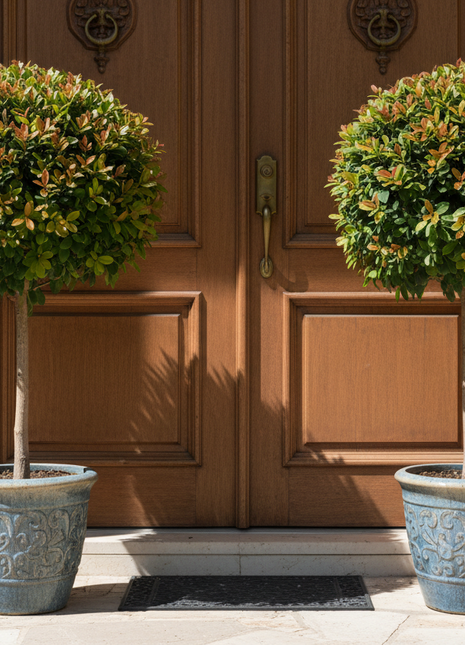

Simpson Stopper (Myrcianthes Fragrans)
Simpson Stopper (Myrcianthes fragrans) — Locally Grown in Pierson, Florida at Flowing Well Tree FarmNative Evergreen Privacy Shrub • Wildlife-Friendly Hedge Plant • Drought-Tolerant Florida Landscape Favorite • Florida-Grown Screening, Foundation & Habitat Species Simpson Stopper (Myrcianthes fragrans) is one of Florida’s most versatile and attractive native evergreen shrubs and small trees. Known for its dense foliage, fragrant white flowers, colorful edible berries, and beautiful exfoliating bark, this species provides year-round beauty while supporting pollinators and wildlife throughout the landscape. At Flowing Well Tree Farm in Pierson, Florida, we grow Simpson Stopper as premium native evergreen stock selected for dense branching, strong root development, and reliable performance in Florida’s heat, humidity, sandy soils, and coastal environments. Each plant is field-grown under real Florida conditions to ensure long-term durability, resilience, and landscape success. When you buy Simpson Stopper here, you are not receiving generic nursery stock—you are getting Florida-adapted native plants developed to thrive in the same conditions where they will ultimately be planted. That local adaptation matters. Myrcianthes fragrans develops stronger root systems, improved drought tolerance, and denser foliage when grown under Florida conditions from the beginning. Why Locally Grown Matters for Simpson Stopper Starting with Florida-grown stock provides key advantages: Stronger establishment in Florida’s sandy soilsImproved heat and humidity toleranceBetter drought resistance once establishedEnhanced survival rates in coastal and inland landscapesDenser foliage for screening and privacy applicationsMore reliable flowering and fruit production This creates a durable evergreen shrub capable of thriving with minimal maintenance. Evergreen Structure & Landscape Value Simpson Stopper is one of Florida’s most adaptable native landscape plants: 10–20 ft mature height depending on pruning and site conditionsDense evergreen foliage for year-round screeningNaturally attractive branching structureBeautiful smooth bark that peels to reveal orange, tan, and gray tonesExcellent hedge, privacy screen, or specimen plantWorks equally well in formal and naturalized landscapes It provides four-season beauty and landscape structure. Flowering & Seasonal Interest Simpson Stopper offers multiple seasons of ornamental appeal: Fragrant white flowers appear throughout spring and summerFlowers attract bees, butterflies, and beneficial pollinatorsBright orange-red berries follow flowering periodsEdible fruit is enjoyed by birds and wildlifeGlossy green foliage remains attractive year-roundDecorative exfoliating bark provides winter interest Few native shrubs offer this much year-round landscape value. Wildlife & Ecological Importance Simpson Stopper is a valuable native habitat plant: Provides nectar for native pollinatorsSupports butterflies, bees, and beneficial insectsProduces berries highly favored by songbirds and wildlifeOffers nesting cover and shelter through dense branchingEnhances biodiversity in residential and restoration landscapesFunctions as an important native food source throughout the year It is one of Florida’s best native shrubs for wildlife gardens. Growth Habit & Structural Function Simpson Stopper is a highly versatile evergreen species: 10–20+ ft mature height depending on pruning practicesNaturally dense and compact growth habitCan be maintained as a hedge or grown as a small treeModerate growth rate with strong long-term stabilityResponds exceptionally well to pruning and shapingExcellent for privacy screening and property borders It functions as both an ornamental specimen and a practical landscape solution. Climate & Site Adaptability Simpson Stopper thrives in Florida’s challenging environments: Native to Florida, the Caribbean, and coastal regions of the SoutheastExcellent heat and humidity toleranceHighly drought tolerant once establishedPerforms well in coastal environments and salt exposureAdaptable to sandy, rocky, and well-drained soilsStrong resilience during Florida storm seasons It is one of the most adaptable native evergreen shrubs available. USDA Growing Zones Best suited for Zones 8–11, with exceptional performance throughout Florida and coastal regions of the southeastern United States. Light Requirements For best growth and density: Full sun to partial shadeFull sun encourages maximum flowering and berry productionPartial shade is tolerated with excellent foliage developmentIdeal for hedges, foundations, and natural screening applications Soil & Site Requirements Highly adaptable native species: Thrives in sandy, well-drained Florida soilsTolerates alkaline and limestone-based soilsPerforms well in coastal environmentsModerate tolerance to occasional wet periodsBenefits from mulch during establishment Planting Guidance (Grower Recommended) For best long-term performance: Plant in full sun to partial shadeDig hole 2–3× wider than root ballSet at original soil depthWater deeply after plantingApply mulch to conserve moisture and suppress weedsSpace 4–8 ft apart for hedges and screensAllow room for mature growth when used as a specimen plant We can assist with native hedge design, privacy screening layouts, and wildlife-focused landscape planning. Watering & Establishment Water regularly during the first growing season. Once established, Simpson Stopper becomes highly drought tolerant and performs exceptionally well under Florida’s seasonal rainfall patterns. Fertilizer Low input requirements: Minimal fertilization needed once establishedOrganic compost supports healthy root developmentAvoid excessive fertilization to maintain natural growth habitPerforms best in balanced native soil conditions Pruning & Maintenance Very low maintenance: Excellent response to pruning and shapingCan be maintained as a formal hedge or natural screenMinimal pest and disease concernsNaturally dense growth reduces maintenance needsLong-lived and dependable in Florida landscapes Why This Is a Smarter Long-Term Investment ✔ Locally grown in Florida for maximum adaptation✔ Excellent native privacy hedge and screening plant✔ Year-round evergreen beauty and structure✔ Fragrant flowers and colorful wildlife-friendly berries✔ Highly drought tolerant once established✔ Performs well in coastal and inland landscapes✔ Supports pollinators, birds, and beneficial wildlife✔ Grower-direct quality for Florida conditions The Real Value This isn’t just a hedge plant—it’s a complete native landscape solution that provides privacy, wildlife habitat, seasonal beauty, and long-term resilience. When you plant Simpson Stopper, you’re investing in one of Florida’s most versatile native evergreens—a plant that creates structure, supports biodiversity, and delivers year-round performance while thriving in the demanding conditions of the Florida landscape.
$15.00 - $120.00
-

Flowing Well Tree Farm E-Gift Card
Give the gift of growing with a Flowing Well Tree Farm Gift Card—the perfect gift for gardeners, homeowners, and plant lovers of all kinds. With access to hundreds of native, fruiting, and ornamental trees and shrubs, your recipient can choose exactly what they want for their landscape or garden. Gift cards are easy to purchase online, can be used anytime, and are a thoughtful way to share something living, lasting, and uniquely personal. A Flowing Well Tree Farm Gift Card lets your loved ones plant memories that grow for years to come. 🌲🎁
$10.00 - $500.00
-


Pond Pine (Pinus serotina)
Locally Grown in Pierson, Florida — Direct from the Grower at Flowing Well Tree Farm Native Evergreen • Wetland Adapted • Landscape-Ready • Regionally Grown for Long-Term Success When you buy Pond Pine (Pinus serotina) here, you’re not buying a shipped-in commodity plant—you’re getting trees grown directly at our farm in Pierson, hardened in Florida conditions from day one. That matters. These are locally adapted, field-tested trees grown for real-world landscapes in the Southeast, not greenhouse environments that struggle after planting. At Flowing Well Tree Farm, everything is grown with long-term landscape success in mind. We work with these trees every day, in our own soils and climate, so we know exactly how they perform once they leave the field. When you plant one, you’re getting more than a tree—you’re getting direct guidance from people who actually grew it. We encourage customers to visit the farm, walk the rows, and choose their trees in person. You can see how they’re grown, how they’re spaced, and what they look like in real Florida conditions. And when questions come up, you’re talking directly with the growers—not a middle layer. Pond Pine is a strong, native evergreen that thrives in wet or challenging soils where many landscape trees fail. It’s commonly used in restoration work, pond edges, naturalized landscapes, and larger properties where durability and ecological function matter as much as appearance. Why This Tree Performs So Well Here Pond Pine is naturally adapted to Florida’s wet flatwoods, wetlands, and low-lying soils. Because it’s grown locally, it transitions into the landscape with less shock and stronger establishment compared to non-local stock. It develops into a rugged, upright evergreen with dense needles and distinctive cones that can remain closed for years until triggered by environmental conditions. Over time, it becomes a strong structural tree that supports wildlife while stabilizing difficult sites. USDA Growing Zones Best suited for Zones 7–9, especially well-adapted to warm, humid Southeastern climates. Mature Growth Typically 30–70 ft tall with a 20–40 ft spread depending on site conditions, spacing, and moisture availability. Light Requirements Full sun (6–8+ hours daily) for best structure, density, and long-term health. Soil & Site Flexibility One of its strongest advantages is adaptability.Performs best in: Moist to wet acidic soils Sandy, loamy, or organic-rich sites Poorly drained areas, rain gardens, retention zones, and pond edges Once established, it also adapts well to average landscape conditions. Planting Guidance (Grower Recommended) We provide real planting advice based on how these trees perform in our own fields: Dig a hole twice as wide as the root ball Keep planting depth at container level (never deeper) Backfill with native soil and water in thoroughly Add 2–3 inches of mulch, keeping it away from the trunk Give it space—this is a long-term canopy tree If you visit the farm, we often walk customers through planting choices directly on-site based on their property conditions. Watering & Establishment Water regularly during the first establishment period. Once rooted in, Pond Pine becomes significantly more self-sufficient and drought tolerant, while still handling periodic wet conditions better than most pines. Fertilizer Low-maintenance by nature. A light application of balanced slow-release fertilizer in early spring during the first few years is usually sufficient. Pruning & Structure Minimal intervention needed. The tree naturally forms a strong central structure. Prune only to remove damage or crossing limbs. Wildlife & Landscape Value Pond Pine plays an important ecological role: Provides year-round cover for birds and wildlife Supports native habitat restoration Stabilizes wet or low-lying soils Adds evergreen structure to naturalized landscapes Why This Is a Smarter Long-Term Choice ✔ Grown locally in Florida conditions from the start✔ Less transplant shock, faster establishment✔ Direct grower support and real planting guidance✔ Region-specific stock—not generic nursery material✔ Field-tested performance in wet and challenging sites✔ Opportunity to visit, select, and learn on-site✔ Built for longevity, not short-term appearance The Difference Is Simple This isn’t just a plant purchase—it’s a direct connection to the grower. You’re getting landscape-ready material, grown with intention, backed by real experience, and supported long after it leaves the farm. That’s what makes it a better investment—not just for today, but for the next decades of your landscape.
$30.00
-


Sand Live Oak (Quercus geminata)
Locally Grown in Pierson, Florida – Flowing Well Tree Farm Built for Florida conditions and grown right here in Pierson, Florida, our Sand Live Oak (Quercus geminata) is one of the toughest, smartest long-term investments you can make for your property. When you buy directly from the grower, you get stronger, healthier, locally adapted trees—not stressed, mass-produced material shipped across the country. At Flowing Well Tree Farm, our Sand Live Oaks are grown in real Florida heat, sandy soils, wind, and rain, making them better prepared to establish quickly and thrive for decades in Southern landscapes. Whether you're creating shade, restoring native habitat, or investing in a long-term legacy tree, Sand Live Oak delivers unmatched durability and beauty. Unlike big-box stores, you can tour the farm, hand-select your tree, and receive direct advice from the owners. We help customers choose the right tree for the right place, offer planting guidance, and go above and beyond to ensure long-term success. 🌱 Why Customers Buy Sand Live Oak From the Grower Florida-native & locally adapted for stronger performance Landscape-ready material grown for long-term success Exceptional wind, drought, and salt tolerance Evergreen shade year-round Perfect for coastal, sandy, and low-maintenance properties Tour the farm and shop directly from the grower Get planting advice and expert guidance from knowledgeable owners A smarter long-term investment than box-store trees Our locally grown trees are selected and grown for real Southern landscapes, giving you better establishment, healthier growth, and stronger performance over time. 🌎 USDA Zone USDA Hardiness Zones: 7b–10bBest performance in Florida: Zones 8a–10a 🌳 About the Tree The Sand Live Oak is a rugged Florida-native evergreen oak prized for its dense canopy, sculptural branching, and incredible resilience. Closely related to the Southern Live Oak, it naturally develops a more compact, wind-shaped form and thrives where many trees struggle—especially in dry, sandy, and coastal conditions. This oak is an excellent choice for: Native Florida landscapes Coastal and wind-exposed sites Wildlife habitat restoration Large properties, farms, and estates Long-term shade and anchor trees Once established, Sand Live Oak becomes a powerful, long-lived feature that adds beauty, shade, and property value for generations. ☀️ Sun Requirements Full sun preferred (6–8+ hours daily) Tolerates partial shade, especially when young Full sun promotes denser branching and stronger canopy structure 🌱 Soil Requirements Naturally adapted to well-drained sandy soils Thrives in poor, dry, nutrient-light soils Excellent for coastal, upland, and scrub landscapes Avoid consistently wet or poorly drained locations 💧 Watering Water regularly during establishment (first 1–2 years) Once established: extremely drought tolerant Deep, infrequent watering encourages stronger roots Avoid overwatering—this tree prefers drier conditions 📍 Landscape Placement Sand Live Oak works beautifully as: A large shade tree for acreage and estates A windbreak or coastal buffer tree A native wildlife support tree A statement anchor tree in naturalistic landscapes ⚠️ Allow room to grow—mature trees develop broad, spreading canopies and become impressive legacy specimens. 🌳 Growth & Characteristics Mature Height: 30–50+ feet Mature Spread: Often equal to or wider than height Evergreen foliage year-round Thick, leathery leaves with strong wind resistance Extremely salt, drought, and storm tolerant Long-lived with beautiful, sculptural branching over time Excellent wildlife value (supports birds and mammals) ✂️ Pruning Minimal maintenance once established. Best pruned in late winter to: Remove dead or crossing branches Raise canopy clearance if needed Encourage strong structure when young 🌿 Fertilizer Light feeding during early establishment if desired Use a balanced, slow-release fertilizer sparingly Mature trees typically require little to no fertilization Mulch helps retain moisture and improve soil health 🌟 Why Buy From Flowing Well Tree Farm? Skip stressed, generic nursery stock and buy directly from the grower. Our Sand Live Oaks are locally grown, region-specific, landscape-ready, and selected for long-term success in Florida and the Southeast. Walk the farm, see exactly what you're buying, get honest recommendations, and receive direct support from people who grow these trees every day. Higher quality. More personal service. Better long-term results. 📦 Shipping Available | 🌳 Landscape-Ready Trees | 🚜 Tour the Farm & Shop Direct | 🌿 Expert Planting Advice
$18.00


