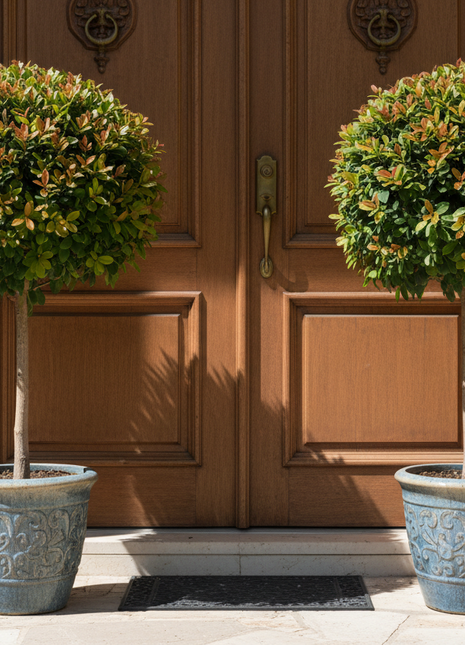
Flowing Well Tree Farm is Florida's Premium Native & Fruiting Grower. We proudly grow all of our plants in Volusia County, Florida.
"Welcome to Flowing Well Tree Farm, the leading Florida native nursery serving Florida and the surrounding areas. We specialize in high-quality native plants, wildflowers, and pollinator gardens that thrive in our local climate. Looking for specific species? We stock customer favorites including Native Milkweed (for Monarchs), Coontie, Firebush, and Beautyberry. Our expert team helps you build beautiful, drought-tolerant landscapes that save water and support local wildlife. Whether you need shade trees, privacy hedges, or Florida-friendly groundcovers, we have the right plants for your yard. Visit Flowing Well Tree Farm today to explore our inventory of sustainable, locally grown plants. We also grow suitable fruiting plants like peaches."
Native Viburnum (Viburnum obovatum) — Locally Grown in Pierson, Florida at Flowing Well Tree FarmNative Evergreen Shrub/Small Tree • Dense Screening Plant • Pollinator Flowering Species • Florida-Grown Restoration & Hedgerow Stock
Native Viburnum (Viburnum obovatum), commonly known as Walter’s Viburnum, is one of the most versatile and structurally important native shrubs in Florida ecosystems. Known for its dense evergreen foliage, fine branching habit, and seasonal clusters of small white flowers followed by dark fruit, this species is widely used in hedgerows, natural privacy screens, wildlife corridors, and habitat restoration plantings.
Naturally found in hammocks, floodplains, and forest edges across the southeastern United States, Viburnum obovatum thrives in Florida’s heat, humidity, and variable soil conditions. At Flowing Well Tree Farm in Pierson, Florida, we grow this species as premium native stock specifically selected for strong branching, fast establishment, and long-term landscape performance.
When you buy Native Viburnum here, you’re not receiving weak ornamental filler stock—you’re getting locally grown, Florida-adapted plants conditioned for real-world conditions including sandy soils, seasonal flooding, drought cycles, and intense summer heat.
That local adaptation is critical. Viburnum obovatum is one of the best native plants for fast hedging and ecological structure, but only performs at its highest level when grown and hardened in similar conditions from the start.
Why Locally Grown Matters for Native Viburnum
Starting with Florida-grown stock provides major advantages:
Faster establishment in sandy and variable soils
Stronger branching structure for hedges and screens
Improved heat and humidity tolerance
Better long-term drought and flood cycle resilience
Denser growth habit for privacy and habitat value
Higher survival rates in restoration plantings
This creates a more reliable and functional native hedge system from year one.
Flowering, Fruit & Seasonal Value
Native Viburnum provides year-round ecological and seasonal interest:
Clusters of small white flowers in spring
Nectar source for native bees and pollinators
Dark berry-like drupes in late summer to fall
Important seasonal food source for birds and wildlife
Subtle but consistent ornamental appeal
Naturalistic texture in native landscapes
It delivers function without losing its refined native aesthetic.
Wildlife & Habitat Importance
Viburnum obovatum is a foundational wildlife shrub:
Berries consumed by songbirds and small mammals
Dense evergreen structure provides year-round cover
Excellent nesting and shelter habitat in hedgerows
Supports pollinators during spring bloom period
Enhances corridor connectivity in fragmented landscapes
It is one of the most dependable native species for habitat structure.
Growth Habit & Landscape Value
This is one of Florida’s best native screening plants:
8–15 ft shrub or small tree form (can be kept lower with pruning)
Extremely dense, fine-textured branching habit
Naturally forms thick hedges and living fences
Responds exceptionally well to trimming and shaping
Ideal for formal or naturalized native hedgerows
Excellent substitute for non-native privacy shrubs
It is widely considered one of the best native alternatives for evergreen screening.
Climate & Site Adaptability
Native Viburnum is highly adaptable across Florida:
Native to southeastern U.S. wetlands and uplands
Performs well in full sun to partial shade
Tolerates seasonal flooding and drought once established
Thrives in sandy, loamy, and organic soils
Highly heat and humidity tolerant
Performs well in both managed and natural systems
It is one of the most flexible native shrubs available.
USDA Growing Zones
Best suited for Zones 7–10, performing strongly throughout Florida and the Gulf and coastal southeastern regions.
Light Requirements
For best density and flowering:
Full sun to partial shade
More sun increases density and flowering
Partial shade helps in hotter inland sites
Highly adaptable across light conditions
Soil & Site Requirements
Adapted to a wide range of Florida soils:
Prefers moist, well-drained soils
Tolerates sandy, clay, and organic soils
Handles periodic wet conditions
Benefits from mulch and organic matter
Avoid permanently saturated stagnant sites
Planting Guidance (Grower Recommended)
For best hedge or specimen performance:
Plant in full sun or partial shade
Dig hole 2–3× wider than root ball
Set at original soil depth
Water deeply after planting
Apply mulch to retain moisture and suppress weeds
Space 4–6 ft apart for hedges or screening rows
Prune lightly early to encourage branching density
We can assist with hedge design, property screening layouts, and native landscape structuring.
Watering & Establishment
Water regularly during the first 1–2 growing seasons. Once established, Native Viburnum becomes highly resilient and can tolerate both drought and wet cycles common in Florida climates.
Fertilizer
Low-input native shrub:
Minimal fertilizer required
Compost improves density and flowering performance
Avoid high nitrogen fertilizers (prevents overly loose growth)
Performs best in natural soil systems
Pruning & Maintenance
Highly manageable and responsive:
Responds extremely well to pruning and shaping
Can be maintained as formal hedge or natural screen
Benefits from periodic trimming for density
Rebounds quickly after cutting
Low maintenance in naturalized landscapes
Why This Is a Smarter Long-Term Investment
✔ Locally grown in Florida for superior adaptation✔ One of the best native evergreen screening shrubs✔ Excellent hedge, buffer, and privacy plant✔ High wildlife and pollinator value✔ Strong tolerance to Florida’s climate extremes✔ Fast-forming dense structure for landscapes✔ Ideal for restoration and native hedgerows✔ Grower-direct expertise for real Florida systems
The Real Value
This isn’t just a landscape shrub—it’s a living structural system that creates privacy, supports wildlife, and restores native habitat function.
When you plant Native Viburnum, you’re building a dense evergreen hedge that replaces non-native ornamentals with a resilient, ecologically valuable native alternative that improves every year it grows.
Dahoon Holly (Ilex cassine) — Locally Grown in Pierson, Florida at Flowing Well Tree FarmNative Evergreen Privacy Tree • Wildlife-Friendly Berry Producer • Wetland & Pond Edge Landscape Species • Florida-Grown Screening, Restoration & Habitat Tree
Dahoon Holly (Ilex cassine) is one of Florida’s most elegant native evergreen trees, prized for its glossy foliage, bright red berries, and exceptional adaptability to wet soils. Naturally found along wetlands, marsh edges, swamps, and river systems throughout Florida, Dahoon Holly provides year-round beauty while supporting birds, pollinators, and native wildlife.
At Flowing Well Tree Farm in Pierson, Florida, we grow Dahoon Holly as premium native evergreen stock selected for strong branching structure, dense foliage, and long-term performance in Florida’s heat, humidity, sandy soils, and seasonally wet environments. Each tree is field-grown under real Florida conditions to ensure resilience, durability, and superior landscape performance.
When you buy Dahoon Holly here, you are not receiving generic nursery stock—you are getting Florida-adapted native trees developed to thrive in the same challenging conditions found throughout Florida landscapes.
That local adaptation matters. Ilex cassine develops stronger root systems, improved drought and flood tolerance, and denser evergreen canopies when grown under Florida conditions from the beginning.
Why Locally Grown Matters for Dahoon Holly
Starting with Florida-grown stock provides key advantages:
Stronger establishment in Florida's sandy soilsImproved tolerance to heat and humidityBetter adaptation to seasonal flooding and wet soilsEnhanced drought tolerance once establishedHigher survival rates in restoration and landscape projectsDenser foliage and stronger branching structure
This creates a dependable evergreen tree that performs exceptionally well throughout Florida.
Evergreen Structure & Landscape Value
Dahoon Holly is a highly versatile native evergreen tree:
20–40 ft mature height depending on site conditionsNarrow to rounded canopy ideal for screening and privacyGlossy dark green foliage remains attractive year-roundNaturally elegant growth habit with refined appearanceExcellent specimen, hedge, or property boundary treeSuitable for residential, commercial, and restoration landscapes
It provides year-round structure and beauty with minimal maintenance.
Berry Production & Seasonal Interest
Dahoon Holly provides outstanding seasonal color:
Female trees produce brilliant red berries in fall and winterBerries persist for months, creating dramatic seasonal displaysExcellent contrast against evergreen foliageProvides ornamental interest during cooler monthsOne of Florida’s most attractive native berry-producing treesPopular for wildlife gardens and natural landscapes
Its colorful berries are among the most recognizable features of Florida's native forests and wetlands.
Wildlife & Ecological Importance
Dahoon Holly is a valuable native habitat species:
Provides nectar for native pollinators during floweringBerries serve as an important food source for birds and wildlifeOffers year-round shelter and nesting opportunitiesSupports biodiversity in wetland and upland habitatsExcellent component of restoration and conservation projectsStrengthens native ecosystem health and resilience
It is one of Florida's most important wildlife-supporting evergreen trees.
Growth Habit & Structural Function
Dahoon Holly functions as both a screening tree and habitat species:
20–40+ ft mature height depending on site conditionsDense evergreen canopy provides privacy and wind protectionModerate growth rate with strong long-term stabilityCan be maintained as a multi-trunk specimen or single-trunk treeExcellent for naturalized landscapes and property bordersLong-lived and dependable once established
It serves as both a landscape feature and ecological asset.
Climate & Site Adaptability
Dahoon Holly is exceptionally well adapted to Florida conditions:
Native throughout Florida and the southeastern United StatesThrives in high heat and humidityExcellent tolerance to wet and seasonally flooded soilsPerforms well near ponds, lakes, marshes, and retention areasAdaptable to sandy and organic-rich soilsStrong resilience during Florida storm seasons
Few native evergreen trees are as adaptable to wet environments.
USDA Growing Zones
Best suited for Zones 7–11, with exceptional performance throughout Florida and much of the southeastern United States.
Light Requirements
For best growth and berry production:
Full sun to partial shadeFull sun encourages denser growth and heavier berry productionPartial shade is tolerated in woodland and wetland settingsIdeal for open landscapes, pond edges, and naturalized areas
Soil & Site Requirements
Highly adaptable native species:
Thrives in moist, wet, and seasonally flooded soilsPerforms well in sandy Florida soilsTolerates acidic and organic-rich conditionsSuitable for wetlands, retention ponds, and rain gardensBenefits from mulch during establishment
Planting Guidance (Grower Recommended)
For best long-term performance:
Plant in full sun to partial shadeDig hole 2–3× wider than root ballSet at original soil depthWater deeply after plantingApply mulch to conserve moisture and regulate soil temperatureSpace 15–25 ft apart for screening applicationsAllow room for mature canopy development
We can assist with privacy screening layouts, wetland restoration planning, wildlife habitat design, and native landscape installations.
Watering & Establishment
Water regularly during the first growing season. Once established, Dahoon Holly becomes highly resilient and capable of thriving through both seasonal flooding and drought conditions common throughout Florida.
Fertilizer
Low input requirements:
Minimal fertilization required once establishedOrganic compost supports healthy root developmentAvoid excessive nitrogen applicationsPerforms best in balanced native soil systems
Pruning & Maintenance
Very low maintenance:
Can be lightly pruned to shape or maintain screening formNaturally attractive growth habit requires minimal interventionExcellent response to selective structural pruningFew pest or disease concernsLong-lived and dependable in Florida landscapes
Why This Is a Smarter Long-Term Investment
✔ Locally grown in Florida for maximum adaptation✔ Beautiful native evergreen privacy and screening tree✔ Brilliant red berries for seasonal interest✔ Excellent wildlife habitat and food source✔ Exceptional tolerance to wet soils and flooding✔ Strong heat, humidity, and storm resilience✔ Ideal for restoration, ponds, and natural landscapes✔ Grower-direct quality for Florida conditions
The Real Value
This isn’t just an evergreen tree—it’s a year-round habitat builder that provides privacy, wildlife support, and landscape structure while thriving in some of Florida’s most challenging environments.
When you plant Dahoon Holly, you’re investing in a resilient Florida native that delivers evergreen beauty, vibrant winter berries, and long-term ecological value while supporting birds, pollinators, and native ecosystems for generations to come.
Mayhaw (Crataegus aestivalis) — Locally Grown in Pierson, Florida at Flowing Well Tree Farm
Native Fruit Tree • Wetland Adapted Hawthorn • Jelly-Producing Heritage Species • Florida-Grown Restoration Stock
Mayhaw (Crataegus aestivalis) is a highly valued native southeastern fruit tree known for its small apple-like fruit used traditionally in jellies, preserves, and specialty foods. Naturally found in swampy lowlands, floodplains, and wet woodland edges, Mayhaw is one of the most important heritage fruiting species of the southern United States and is widely used in restoration plantings, wetland-edge landscapes, and native edible systems.
When you buy Mayhaw here, you're not getting weak, overprotected nursery stock—you’re getting locally grown, Florida-adapted trees produced in Pierson and conditioned for real Florida growing conditions including heat, humidity, seasonal flooding, sandy soils, and drought cycles.
That matters for long-term success. Locally grown Mayhaw establishes faster, develops stronger root systems, and performs more reliably in Florida’s variable wet-to-dry landscape conditions compared to non-local stock.
This is direct-from-grower edible native tree stock. Visit the farm, see how our wetland-adapted fruit trees are grown, and receive practical guidance on spacing, orchard design, and long-term lowland food forest development.
Mayhaw is especially valuable because it combines native ecological function with historic fruit production in wetland and transition zone landscapes.
Why Locally Grown Matters for Mayhaw
Starting with Florida-grown stock provides key advantages:
Better adaptation to Florida heat and humidity
Stronger root system development in sandy and wet soils
Improved tolerance to seasonal flooding and drought cycles
Faster establishment in field conditions
Reduced transplant shock
Better long-term survival in restoration sites
It creates a stronger foundation for wetland-edge orchard success.
Fruit Quality & Traditional Value
Mayhaw is a classic southern heritage fruit:
Produces small, apple-like red fruit
Traditionally used for jellies and preserves
High pectin content ideal for cooking
Tart, flavorful fruit prized in southern cuisine
Strong cultural and historical food value
Excellent for specialty edible landscapes
It is one of the most iconic native fruit trees of the Southeast.
Wildlife & Ecological Importance
Mayhaw provides important ecosystem benefits:
Fruits consumed by birds and wildlife
Supports pollinators during spring bloom
Provides nesting and cover in wetland edges
Enhances biodiversity in lowland ecosystems
Important food source in native habitat systems
It is both a food-producing and habitat-supporting species.
Wetland Adaptation & Site Value
Mayhaw is uniquely adapted to challenging moisture conditions:
Native to swampy bottomlands and floodplains
Tolerates seasonal flooding
Performs well in wet soils and drainage edges
Adapted to fluctuating water tables
Can also grow in upland garden soils with proper drainage
It is one of the best native fruit trees for wet landscape zones.
USDA Growing Zones
Best suited for Zones 6–9, performing strongly throughout Florida and the southeastern United States in both wetland and managed orchard conditions.
Mature Size & Growth Habit
A small to medium native fruit tree:
15–30 ft mature height
15–25 ft spread
Rounded canopy with thorny hawthorn structure
Long-lived under natural conditions
Can be trained for orchard production
Ideal for small orchards and habitat food plantings.
Light Requirements
For best fruit production:
Full sun preferred
Tolerates partial shade
More sun improves flowering and fruit yield
Best performance in open wetland-edge sites
Soil & Site Requirements
Adapted to Florida lowland conditions:
Tolerates wet, poorly drained soils
Performs well in floodplains and drainage areas
Also adapts to sandy loam with moisture retention
Prefers slightly acidic soils
Benefits from organic mulch and natural soil structure
Planting Guidance (Grower Recommended)
For best establishment and production:
Plant in full sun wetland-edge or orchard sites
Dig hole 2–3× wider than root ball
Plant at original soil depth
Water thoroughly after planting
Apply mulch while keeping away from trunk base
Space appropriately for mature canopy development
Protect young plants from competition in early stages
We can assist with wetland orchard layout, spacing, and restoration design.
Watering & Establishment
Water regularly during the first 1–2 growing seasons. Once established, Mayhaw becomes highly adaptable to both wet and seasonally dry conditions.
Fertilizer
Low to moderate requirements:
Light balanced fertilizer during establishment if needed
Organic compost improves long-term soil health
Avoid excessive nitrogen applications
Performs best in natural soil conditions
Pruning & Maintenance
Low maintenance once established:
Prune early for structure and access
Remove crossing or weak branches as needed
Can be trained for easier fruit harvest
Naturally forms a dense canopy
Why This Is a Smarter Long-Term Investment
✔ Locally grown in Florida for superior field adaptation
✔ Native wetland-adapted fruit tree
✔ Traditional jelly and preserve fruit species
✔ Excellent wildlife and pollinator value
✔ Strong performance in floodplain and drainage areas
✔ Ideal for restoration and edible wetland systems
✔ Long-lived native fruiting tree
✔ Grower-direct planting and orchard guidance
The Real Value
This isn’t just a fruit tree—it’s a piece of southern food heritage and wetland ecology.
You’re not simply planting Mayhaw. You’re restoring native lowland systems, producing traditional edible fruit, supporting wildlife habitat, and investing in a resilient native tree that connects Florida landscapes to generations of ecological and cultural history.
Highbush Blueberry (Vaccinium corymbosum) — Locally Grown in Pierson, Florida at Flowing Well Tree Farm
Edible Landscape Favorite • Seasonal Color • Pollinator Friendly • Florida-Grown for Strong Establishment
When you buy Highbush Blueberry here, you’re not getting generic nursery shrubs shipped in from other regions—you’re getting plants grown directly in Pierson, acclimated to real growing conditions including Florida heat, humidity, and soil variability from the start.
That matters because blueberries are sensitive to soil chemistry and establishment stress. Locally grown stock transitions more smoothly into your landscape, develops stronger root systems, and begins performing sooner as a fruiting shrub.
This is direct-from-grower material. You can visit the farm, see how edible landscape plants are produced, and get real guidance from the people who grow them—not a reseller. That means practical advice based on real Florida performance, not just general growing charts.
Highbush Blueberry is one of the most valuable edible landscape plants because it combines reliable fruit production with strong ornamental appeal in every season.
Why Locally Grown Matters
Even well-known fruiting shrubs perform better when grown in-region from the start:
Stronger adaptation to Florida heat and rainfall cycles
Improved root development in local soil conditions
Reduced transplant shock
Faster establishment and earlier fruiting potential
Better long-term productivity in home landscapes
It’s a more reliable foundation for a long-lived edible planting.
Delicious Fruit with Real Landscape Value
Highbush Blueberry produces large, sweet, antioxidant-rich berries that are excellent for:
Fresh eating
Baking and desserts
Jams and preserves
Smoothies and juices
With proper care and multiple varieties for cross-pollination, yields can be substantial and consistent.
Four-Season Ornamental Appeal
This is not just a fruit plant—it’s a landscape shrub with year-round interest:
Spring: soft white bell-shaped flowers that attract pollinators
Summer: abundant blueberry harvest
Fall: brilliant red and orange foliage color
Structure: dense upright form that works in edible borders
It performs as both a food source and a visual focal point.
USDA Growing Zones
Best suited for Zones 4–8, with proper site preparation required in warmer climates like Florida for best performance.
Mature Size & Growth Habit
A productive upright shrub:
6–12 ft tall
4–8 ft wide
Forms a dense, structured plant ideal for edible hedges, orchard rows, or landscape accents.
Light Requirements
Performs best in full sun (6–8+ hours daily). Full sun improves fruiting, sugar content, and plant vigor.
Soil Requirements (Critical for Success)
Blueberries require specific soil conditions:
Acidic soil (pH 4.5–5.5)
Well-drained but moisture-retentive structure
High organic matter content
Amended beds with pine bark, peat, or similar materials
Mulching with pine straw or pine bark helps maintain ideal conditions long-term.
Planting Guidance (Grower Recommended)
We focus on setting plants up for long-term productivity:
Prepare acidic, well-drained planting area
Dig a hole twice as wide as the root ball
Plant at original container depth
Backfill with amended acidic soil
Water deeply after planting
Apply mulch generously, keeping it away from the crown
If you visit the farm, we can help guide soil preparation and placement for better fruit production.
Watering & Establishment
Maintain consistent moisture, especially during flowering and fruiting periods. Do not allow soil to dry out completely. Once established, plants still benefit from steady irrigation during hot weather and fruit development.
Fertilizer
Use fertilizer formulated for acid-loving plants (such as azalea or camellia blends):
Apply in early spring
Optional second application after harvest
Avoid over-fertilization to protect root health and fruit quality
Pruning & Maintenance
Prune in late winter during dormancy:
Remove dead or weak wood
Thin older canes to promote new growth
Maintain airflow through the shrub
Encourage strong fruiting structure
Proper pruning directly improves long-term yields.
Fruit & Pollination Notes
Harvest in early to mid-summer
Rich in antioxidants, vitamins, and fiber
Best results with multiple varieties for cross-pollination
Improved yields with proper soil acidity and sunlight
Why This Is a Smarter Long-Term Investment
✔ Grown locally in Florida conditions from the start✔ Stronger establishment and reduced transplant shock✔ Direct grower guidance for soil and planting success✔ Reliable edible production with ornamental value✔ Better adaptation than out-of-region nursery stock✔ Multi-season landscape interest (flower, fruit, fall color)✔ Opportunity to visit, learn, and select in person
The Real Advantage
This isn’t just a blueberry purchase—it’s a long-term edible landscape system built on correct soil, local growing experience, and plants already adapted to real Florida conditions.
You’re not just planting a shrub. You’re planting a seasonal harvest that improves year after year.
Simpson Stopper (Myrcianthes fragrans) — Locally Grown in Pierson, Florida at Flowing Well Tree FarmNative Evergreen Privacy Shrub • Wildlife-Friendly Hedge Plant • Drought-Tolerant Florida Landscape Favorite • Florida-Grown Screening, Foundation & Habitat Species
Simpson Stopper (Myrcianthes fragrans) is one of Florida’s most versatile and attractive native evergreen shrubs and small trees. Known for its dense foliage, fragrant white flowers, colorful edible berries, and beautiful exfoliating bark, this species provides year-round beauty while supporting pollinators and wildlife throughout the landscape.
At Flowing Well Tree Farm in Pierson, Florida, we grow Simpson Stopper as premium native evergreen stock selected for dense branching, strong root development, and reliable performance in Florida’s heat, humidity, sandy soils, and coastal environments. Each plant is field-grown under real Florida conditions to ensure long-term durability, resilience, and landscape success.
When you buy Simpson Stopper here, you are not receiving generic nursery stock—you are getting Florida-adapted native plants developed to thrive in the same conditions where they will ultimately be planted.
That local adaptation matters. Myrcianthes fragrans develops stronger root systems, improved drought tolerance, and denser foliage when grown under Florida conditions from the beginning.
Why Locally Grown Matters for Simpson Stopper
Starting with Florida-grown stock provides key advantages:
Stronger establishment in Florida’s sandy soilsImproved heat and humidity toleranceBetter drought resistance once establishedEnhanced survival rates in coastal and inland landscapesDenser foliage for screening and privacy applicationsMore reliable flowering and fruit production
This creates a durable evergreen shrub capable of thriving with minimal maintenance.
Evergreen Structure & Landscape Value
Simpson Stopper is one of Florida’s most adaptable native landscape plants:
10–20 ft mature height depending on pruning and site conditionsDense evergreen foliage for year-round screeningNaturally attractive branching structureBeautiful smooth bark that peels to reveal orange, tan, and gray tonesExcellent hedge, privacy screen, or specimen plantWorks equally well in formal and naturalized landscapes
It provides four-season beauty and landscape structure.
Flowering & Seasonal Interest
Simpson Stopper offers multiple seasons of ornamental appeal:
Fragrant white flowers appear throughout spring and summerFlowers attract bees, butterflies, and beneficial pollinatorsBright orange-red berries follow flowering periodsEdible fruit is enjoyed by birds and wildlifeGlossy green foliage remains attractive year-roundDecorative exfoliating bark provides winter interest
Few native shrubs offer this much year-round landscape value.
Wildlife & Ecological Importance
Simpson Stopper is a valuable native habitat plant:
Provides nectar for native pollinatorsSupports butterflies, bees, and beneficial insectsProduces berries highly favored by songbirds and wildlifeOffers nesting cover and shelter through dense branchingEnhances biodiversity in residential and restoration landscapesFunctions as an important native food source throughout the year
It is one of Florida’s best native shrubs for wildlife gardens.
Growth Habit & Structural Function
Simpson Stopper is a highly versatile evergreen species:
10–20+ ft mature height depending on pruning practicesNaturally dense and compact growth habitCan be maintained as a hedge or grown as a small treeModerate growth rate with strong long-term stabilityResponds exceptionally well to pruning and shapingExcellent for privacy screening and property borders
It functions as both an ornamental specimen and a practical landscape solution.
Climate & Site Adaptability
Simpson Stopper thrives in Florida’s challenging environments:
Native to Florida, the Caribbean, and coastal regions of the SoutheastExcellent heat and humidity toleranceHighly drought tolerant once establishedPerforms well in coastal environments and salt exposureAdaptable to sandy, rocky, and well-drained soilsStrong resilience during Florida storm seasons
It is one of the most adaptable native evergreen shrubs available.
USDA Growing Zones
Best suited for Zones 8–11, with exceptional performance throughout Florida and coastal regions of the southeastern United States.
Light Requirements
For best growth and density:
Full sun to partial shadeFull sun encourages maximum flowering and berry productionPartial shade is tolerated with excellent foliage developmentIdeal for hedges, foundations, and natural screening applications
Soil & Site Requirements
Highly adaptable native species:
Thrives in sandy, well-drained Florida soilsTolerates alkaline and limestone-based soilsPerforms well in coastal environmentsModerate tolerance to occasional wet periodsBenefits from mulch during establishment
Planting Guidance (Grower Recommended)
For best long-term performance:
Plant in full sun to partial shadeDig hole 2–3× wider than root ballSet at original soil depthWater deeply after plantingApply mulch to conserve moisture and suppress weedsSpace 4–8 ft apart for hedges and screensAllow room for mature growth when used as a specimen plant
We can assist with native hedge design, privacy screening layouts, and wildlife-focused landscape planning.
Watering & Establishment
Water regularly during the first growing season. Once established, Simpson Stopper becomes highly drought tolerant and performs exceptionally well under Florida’s seasonal rainfall patterns.
Fertilizer
Low input requirements:
Minimal fertilization needed once establishedOrganic compost supports healthy root developmentAvoid excessive fertilization to maintain natural growth habitPerforms best in balanced native soil conditions
Pruning & Maintenance
Very low maintenance:
Excellent response to pruning and shapingCan be maintained as a formal hedge or natural screenMinimal pest and disease concernsNaturally dense growth reduces maintenance needsLong-lived and dependable in Florida landscapes
Why This Is a Smarter Long-Term Investment
✔ Locally grown in Florida for maximum adaptation✔ Excellent native privacy hedge and screening plant✔ Year-round evergreen beauty and structure✔ Fragrant flowers and colorful wildlife-friendly berries✔ Highly drought tolerant once established✔ Performs well in coastal and inland landscapes✔ Supports pollinators, birds, and beneficial wildlife✔ Grower-direct quality for Florida conditions
The Real Value
This isn’t just a hedge plant—it’s a complete native landscape solution that provides privacy, wildlife habitat, seasonal beauty, and long-term resilience.
When you plant Simpson Stopper, you’re investing in one of Florida’s most versatile native evergreens—a plant that creates structure, supports biodiversity, and delivers year-round performance while thriving in the demanding conditions of the Florida landscape.
Cedar Elm (Ulmus crassifolia) — Locally Grown in Pierson, Florida at Flowing Well Tree Farm
Native Shade Tree • Tough Urban Hardwood • Drought-Resilient Elm • Florida-Grown Restoration Stock
Cedar Elm (Ulmus crassifolia) is one of the toughest native hardwood trees in the southern United States, valued for its durability, adaptability, and dependable shade production. Naturally found in upland woods, limestone soils, and mixed hardwood forests across the Southeast and Texas region, Cedar Elm is widely used in restoration projects, urban landscapes, windbreak plantings, and large-scale native canopy systems.
When you buy Cedar Elm here, you're not getting weak, over-irrigated nursery stock—you’re getting locally grown, field-conditioned trees produced in Pierson and adapted to Florida’s heat, humidity, sandy soils, and seasonal weather stress.
That matters for long-term success. Locally grown Cedar Elm develops stronger root systems, adjusts faster after planting, and is better equipped to handle Florida’s variable rainfall, drought periods, and high-heat conditions.
This is direct-from-grower native hardwood stock. Visit the farm, see how our shade trees are grown, and receive practical guidance on canopy planning, spacing, and long-term landscape development.
Cedar Elm is especially valuable because it combines toughness, shade production, and adaptability in a way few native hardwoods can match.
Why Locally Grown Matters for Cedar Elm
Starting with Florida-grown stock provides important advantages:
Better adaptation to Florida heat and humidity
Stronger root system development before planting
Improved drought and stress tolerance
Faster establishment in field conditions
Greater resilience in urban and rural landscapes
Better long-term survival in restoration sites
It creates a stronger foundation for durable canopy establishment.
Shade & Canopy Value
Cedar Elm is a reliable native shade tree:
Moderate to fast growth rate
Develops a broad, rounded canopy over time
Excellent for residential shade and large properties
Reduces heat in open landscapes
Provides long-term canopy structure
It is widely used where dependable shade and toughness are both required.
Wildlife & Ecological Importance
Cedar Elm supports native ecosystems in multiple ways:
Produces small seeds consumed by birds
Supports native insects and pollinators
Provides nesting and shelter habitat
Contributes to biodiversity in mixed hardwood forests
Strengthens ecological function in restoration plantings
It is a steady, functional component of native woodland systems.
Climate & Site Adaptability
One of Cedar Elm’s strongest traits is its adaptability:
Native to upland woods and limestone soils
Tolerates drought once established
Performs well in sandy and loamy soils
Handles heat and humidity effectively
Adapts to urban and disturbed sites
More tolerant of stress than many elm species
It is a dependable choice for challenging planting environments.
USDA Growing Zones
Best suited for Zones 6–9, performing well throughout Florida and much of the southeastern United States.
Mature Size & Growth Habit
A strong native shade tree:
40–70 ft mature height
30–50 ft mature spread
Rounded, spreading canopy
Strong central trunk with age
Long-lived under proper conditions
Provides reliable mid-to-large scale shade.
Light Requirements
For best growth:
Full sun preferred
Minimum 6 hours of direct sunlight daily
Best canopy development in open areas
Soil & Site Requirements
Highly adaptable native hardwood:
Prefers well-drained soils
Tolerates sandy, loamy, and rocky soils
Performs well in low fertility conditions
Handles occasional drought stress
Avoid consistently flooded soils
Planting Guidance (Grower Recommended)
For best establishment:
Plant in full sun locations
Dig hole 2–3× wider than root ball
Plant at original soil depth
Water thoroughly after planting
Apply mulch around root zone
Keep mulch away from trunk base
Maintain regular watering during establishment
We can assist with shade planning, spacing, and long-term canopy design.
Watering & Establishment
Water regularly during the first 1–2 growing seasons. Once established, Cedar Elm becomes highly resilient and moderately drought tolerant.
Fertilizer
Low to moderate requirements:
Light balanced fertilizer during establishment if needed
Avoid excessive nitrogen applications
Performs well in natural soils
Minimal fertilization once established
Pruning & Maintenance
Low maintenance once established:
Prune early to develop structure
Remove crossing or damaged branches as needed
Naturally develops a strong canopy form
Long-term maintenance is minimal
Why This Is a Smarter Long-Term Investment
✔ Locally grown in Florida for stronger field performance
✔ Extremely tough native hardwood tree
✔ Reliable shade and canopy development
✔ Highly adaptable to stress conditions
✔ Excellent urban and rural landscape tree
✔ Strong drought tolerance once established
✔ Valuable wildlife and ecosystem support species
✔ Grower-direct planting guidance and support
The Real Value
This isn’t just a shade tree—it’s a long-term structural backbone for the landscape.
You’re not simply planting an elm. You’re building durable canopy cover, supporting wildlife habitat, improving landscape resilience, and investing in a native hardwood that will continue to strengthen and mature for generations.
American Holly (Ilex opaca) — Locally Grown in Pierson, Florida at Flowing Well Tree FarmNative Evergreen Canopy Tree • Wildlife Berry Producer • Dense Privacy & Screening Species • Florida-Grown Landscape, Restoration & Woodland Understory Tree
American Holly (Ilex opaca) is one of the most iconic native evergreen trees in the eastern United States, prized for its glossy deep green foliage, bright red winter berries, and strong structural form. Naturally found in upland forests, hammocks, and mixed woodlands, American Holly is a long-lived species that provides year-round beauty, wildlife value, and dependable evergreen structure in Florida landscapes.
At Flowing Well Tree Farm in Pierson, Florida, we grow American Holly as premium native evergreen stock selected for strong central leaders, dense branching, and long-term performance in Florida’s heat, humidity, sandy soils, and seasonal weather cycles. Each tree is field-grown under real Florida conditions to ensure resilience, adaptability, and lasting landscape success.
When you buy American Holly here, you are not receiving weak ornamental nursery stock—you are getting Florida-adapted native evergreens conditioned for strong establishment, reliable berry production, and long-term structural performance.
That local adaptation matters. Ilex opaca develops stronger root systems, improved drought tolerance, and better long-term canopy density when grown in Florida conditions from the beginning.
Why Locally Grown Matters for American Holly
Starting with Florida-grown stock provides key advantages:
Stronger establishment in sandy Florida soils
Improved heat and humidity tolerance
Better drought resistance once established
Higher survival rates in landscape and restoration plantings
Stronger branch structure and canopy density
More reliable long-term berry production
This creates a dependable evergreen canopy tree built for Florida environments.
Evergreen Structure & Landscape Value
American Holly is a classic native evergreen species:
20–50 ft mature height depending on site conditions
Dense pyramidal to rounded canopy form
Glossy evergreen foliage year-round
Excellent for privacy screens and property borders
Strong specimen tree for residential and natural landscapes
Provides long-term structural greenery in all seasons
It is one of the most recognizable evergreen trees in the Southeast.
Berry Production & Seasonal Interest
American Holly provides strong seasonal landscape value:
Bright red berries produced on female trees
Berries persist through fall and winter
Creates striking contrast against dark evergreen foliage
Important winter food source for wildlife
Excellent ornamental value during holiday season
Enhances visual interest in cold months
It is a signature winter-berry native species.
Wildlife & Ecological Importance
American Holly is a valuable wildlife-supporting tree:
Berries provide food for birds during winter months
Dense canopy offers nesting and shelter habitat
Flowers attract pollinators in spring
Supports native insect biodiversity
Contributes to healthy woodland ecosystems
Enhances habitat structure in restoration plantings
It is an important evergreen component of native Florida ecosystems.
Growth Habit & Structural Function
American Holly is a long-lived evergreen hardwood:
20–50+ ft mature height depending on site conditions
Slow to moderate growth rate
Strong central leader development when young
Dense branching structure improves with age
Long-lived native canopy species
Excellent for permanent landscape structure
It functions as both a shade tree and evergreen anchor.
Climate & Site Adaptability
American Holly performs well across Florida environments:
Native throughout the southeastern United States
Excellent heat and humidity tolerance
Performs best in upland and well-drained sites
Moderate drought tolerance once established
Adaptable to sandy, loamy, and mixed soils
Strong performance in natural and managed landscapes
It is highly reliable in Florida’s climate when properly established.
USDA Growing Zones
Best suited for Zones 7–9, with strong performance throughout Florida and the southeastern United States.
Light Requirements
For best growth and berry production:
Full sun to partial shade
Full sun promotes denser growth and better berry set
Tolerates woodland understory conditions
Ideal for hedges, screens, and specimen plantings
Soil & Site Requirements
Adaptable native evergreen:
Thrives in well-drained sandy soils
Performs well in forest-edge environments
Prefers slightly acidic soils
Benefits from organic matter during establishment
Avoid prolonged standing water in poorly drained areas
Mulch helps support root development and moisture retention
Planting Guidance (Grower Recommended)
For best long-term performance:
Plant in full sun to partial shade
Dig hole 2–3× wider than root ball
Set at original soil depth
Water deeply after planting
Apply mulch to conserve moisture and regulate soil temperature
Space 10–20 ft apart for screens or specimen planting
Allow room for mature canopy development
We can assist with evergreen screening design, native landscape planning, restoration forestry, and property border installations.
Watering & Establishment
Water regularly during the first 1–2 growing seasons. Once established, American Holly becomes moderately drought tolerant and highly resilient in Florida’s seasonal climate patterns.
Fertilizer
Low input requirements:
Minimal fertilization needed once established
Organic compost supports early growth and berry production
Balanced nutrients improve canopy density
Avoid excessive nitrogen to maintain natural form
Pruning & Maintenance
Low maintenance native evergreen:
Prune young trees to establish strong structure
Responds well to shaping for hedges or screens
Remove dead or crossing branches as needed
Naturally develops dense, attractive canopy
Long-lived with minimal maintenance requirements
Why This Is a Smarter Long-Term Investment
✔ Locally grown in Florida for maximum adaptation
✔ Classic native evergreen canopy tree
✔ Bright red winter berries for seasonal value
✔ Excellent wildlife habitat and food source
✔ Strong privacy and screening performance
✔ Long-lived structural landscape species
✔ Adaptable to a wide range of Florida conditions
✔ Grower-direct quality for Florida landscapes
The Real Value
This isn’t just an evergreen tree—it’s a living landscape foundation that provides structure, privacy, wildlife food, and year-round beauty.
When you plant American Holly, you’re investing in a Florida-adapted native evergreen that delivers lasting canopy strength, seasonal berry display, and ecological value while enhancing landscapes for generations to come.
Silver Saw Palmetto (Serenoa repens ‘Silver’) — Locally Grown in Pierson, Florida at Flowing Well Tree Farm
Native Palm Shrub • Drought-Tolerant Florida Groundcover • Coastal Landscape Plant • Florida-Grown Native Stock
Silver Saw Palmetto (Serenoa repens ‘Silver’) is a striking native palm selection known for its silvery-blue fronds, extreme toughness, and ability to thrive in some of Florida’s harshest growing conditions. A natural variation of the classic Saw Palmetto, this silver form is especially valued for its ornamental color, wildlife value, and unmatched performance in sandy, dry, and coastal environments.
When you buy Silver Saw Palmetto here, you're not getting mass-produced, over-irrigated landscape material—you’re getting locally grown, Florida-adapted plants produced in Pierson and conditioned for real-world Florida stress conditions including heat, drought, wind, salt exposure, and nutrient-poor soils.
That matters for long-term establishment. Locally grown palmettos develop stronger rhizome systems, adapt faster after planting, and outperform imported or heavily container-grown stock when placed into true Florida landscapes.
This is direct-from-grower native material. Visit the farm, see how our native palms are grown, and receive practical guidance on spacing, mass plantings, coastal landscaping, and long-term habitat design.
Silver Saw Palmetto is especially valuable because it delivers both rugged ecological function and high-end ornamental color in the landscape.
Why Locally Grown Matters for Saw Palmetto
Starting with Florida-grown stock provides key advantages:
Better adaptation to Florida heat and humidity
Stronger root and rhizome development
Improved drought and salt tolerance after planting
Faster establishment in sandy soils
Greater resilience in exposed coastal sites
Better long-term survival in native landscapes
It creates a stronger foundation for long-term landscape stability.
Ornamental Value & Silver Foliage
Silver Saw Palmetto is prized for its unique appearance:
Distinct silvery-blue fan fronds
Strong architectural landscape texture
Year-round evergreen presence
Excellent contrast plant in modern landscapes
Adds color variation to native plantings
Works well in both naturalized and designed gardens
Its silver coloration makes it one of the most visually striking native palmettos available.
Wildlife & Ecological Importance
This species plays a major role in Florida ecosystems:
Produces fruit consumed by birds and mammals
Provides shelter for wildlife and ground-nesting species
Supports pollinators and native insects
Creates protective cover in understory systems
Enhances biodiversity in coastal and upland habitats
Important habitat plant for native species
It is both a structural and food resource in native landscapes.
Climate & Site Adaptability
Silver Saw Palmetto is one of Florida’s toughest native plants:
Native to sandy coastal plains and uplands
Extremely drought tolerant once established
Handles salt spray and coastal exposure
Thrives in full sun conditions
Performs well in poor, well-drained soils
Highly wind and storm resistant
It excels in low-maintenance, high-stress environments.
USDA Growing Zones
Best suited for Zones 8–11, performing exceptionally well throughout Florida and coastal regions of the southeastern United States.
Mature Size & Growth Habit
A low-growing native palm shrub:
3–8 ft mature height (fronds may extend wider)
Spreading clumping habit via underground stems
Dense, ground-level structure
Extremely long-lived once established
Slowly expanding colonies over time
Ideal for mass plantings and natural groundcover systems.
Light Requirements
For best performance:
Full sun preferred
Tolerates partial shade
Strongest color and density in open sites
Soil & Site Requirements
Highly adapted to Florida soils:
Prefers sandy, well-drained soils
Tolerates extremely poor fertility
Performs well in coastal environments
Handles dry, xeric conditions
Avoid prolonged standing water
Planting Guidance (Grower Recommended)
For best establishment:
Plant in full sun for best growth and color
Space appropriately for mature spread
Dig hole 2–3× wider than root mass
Plant at original soil depth
Water thoroughly after planting
Apply light mulch, keeping crown exposed
Avoid overwatering after establishment begins
We can assist with large-scale mass planting layouts, coastal buffering, and native groundcover design.
Watering & Establishment
Water regularly during the first growing season. Once established, Silver Saw Palmetto becomes extremely drought tolerant and often thrives with little to no supplemental irrigation.
Fertilizer
Minimal fertilizer requirements:
Generally not required
Light feeding only during establishment if needed
Performs best in natural soils
Avoid excessive fertilization
Pruning & Maintenance
Very low maintenance:
No regular pruning required
Remove only dead or damaged fronds if desired
Naturally maintains its structure
Extremely long-lived and self-sustaining
Why This Is a Smarter Long-Term Investment
✔ Locally grown in Florida for superior field performance
✔ Extremely drought and salt tolerant native plant
✔ Unique silver-blue ornamental foliage
✔ Excellent coastal and xeriscape species
✔ Critical wildlife food and habitat plant
✔ Long-lived, self-expanding native groundcover
✔ Ideal for restoration and low-maintenance landscapes
✔ Grower-direct expertise for native plant success
The Real Value
This isn’t just a landscape palm—it’s a living groundcover system built for Florida conditions.
You’re not simply planting palmettos. You’re stabilizing soil, supporting wildlife, building drought-proof landscapes, and investing in a native plant that defines the structure and resilience of Florida’s natural ecosystems for generations.
Florida Native Shiny Blueberry — Locally Grown in Pierson, Florida at Flowing Well Tree Farm
Edible Native Shrub • Evergreen Beauty • Wildlife Favorite • Florida-Adapted from Day One
When you buy Shiny Blueberry here, you’re not getting a generic landscape shrub pulled from outside the region—you’re getting Florida native plants grown directly in Pierson, raised in the same sandy soils, heat, humidity, and rainfall patterns they’re meant to live in long-term.
That matters. Locally grown native stock establishes faster, survives better, and performs more predictably because it hasn’t spent its life in controlled greenhouse conditions or a different climate zone. These plants are already conditioned for Florida landscapes before they ever leave the farm.
This is direct-from-grower material. You can visit, see how native edibles are grown in real field conditions, and get guidance from the people who actually work with them every day. That means practical advice rooted in experience, not just label instructions.
Why Locally Grown Native Plants Matter
Shiny Blueberry is already adapted to Florida—but local production enhances that advantage even more:
Stronger root systems developed in native soils
Faster establishment in home landscapes
Better tolerance of heat, drought cycles, and rainfall swings
Improved long-term survival in sandy or acidic sites
More reliable fruiting performance over time
It’s a native plant with a head start.
Edible Native Fruit with Real Landscape Value
Shiny Blueberry produces small, sweet berries that are both ornamental and edible.
The fruit is excellent for:
Fresh eating
Jams and preserves
Smoothies
Baking and desserts
It’s a true edible native—useful in the kitchen and valuable in the landscape.
Evergreen Beauty Year-Round
This compact native shrub offers glossy green evergreen foliage that holds color throughout the year, often shifting to subtle bronze or reddish tones during cooler weather.
It works beautifully in:
Native landscape designs
Edible gardens
Borders and foundation plantings
Naturalized woodland settings
Pollinator and wildlife habitats
Wildlife & Pollinator Value
Shiny Blueberry is a key native food source:
Spring flowers attract bees and pollinators
Berries feed birds and wildlife
Dense foliage provides shelter and cover
It supports a healthy, functional ecosystem in the landscape.
USDA Growing Zones
Best suited for Zones 7–10, especially well-adapted to Florida and the Southeast.
Mature Size & Growth Habit
A naturally compact native shrub:
1–3 ft tall
2–4 ft wide
Moderate growth rate
Ideal for smaller spaces, layered native plantings, or edible understory design.
Light Requirements
Performs best in full sun to partial shade. Full sun improves flowering and berry production.
Planting Guidance (Grower Recommended)
We focus on real-world planting success, not just instructions:
Choose a sunny to lightly shaded site
Dig a hole twice as wide as the root ball
Plant at original container depth
Water deeply after planting
Use mulch to retain moisture, keeping it away from the stem
Space properly to allow natural shrub development
If you visit the farm, we can help you place it within a native or edible system based on real site conditions.
Soil & Site Adaptability
Prefers:
Well-drained acidic soils
Sandy or sandy-loam conditions
Organic-matter enriched native beds
Avoid alkaline soils or areas with poor drainage for best long-term performance.
Watering & Establishment
Water regularly during establishment to build a strong root system. Once mature, it becomes relatively low-maintenance but benefits from occasional deep watering during dry periods.
Fertilizer
Light feeding only. Use a fertilizer formulated for acid-loving plants or blueberries in early spring. Avoid over-fertilizing, which can reduce natural resilience.
Pruning & Maintenance
Low-maintenance by design:
Minimal pruning required
Light shaping after fruiting encourages fullness
Remove any weak or crossing growth as needed
It naturally maintains a compact, landscape-friendly form.
Why This Is a Smarter Long-Term Investment
✔ Grown locally in Florida native conditions✔ Faster establishment and stronger root systems✔ Direct grower guidance based on real field performance✔ Supports pollinators and wildlife ecosystems✔ Provides edible fruit and ornamental value✔ Better adapted than out-of-region nursery stock✔ Opportunity to visit, learn, and select in person
The Real Value
This isn’t just a native shrub purchase—it’s a long-term edible and ecological planting decision backed by local production and real Florida experience.
You’re not just planting a blueberry. You’re planting a resilient native system that feeds wildlife, supports pollinators, and produces food for years to come.
Spruce Pine (Pinus glabra) — Locally Grown in Pierson, Florida at Flowing Well Tree Farm
Shade-Tolerant Native Pine • Evergreen Structure • Restoration Tree • Florida-Grown for Field Performance
When you buy Spruce Pine here, you’re not getting field-dug, stressed forestry stock—you’re getting locally grown native trees produced in Pierson, already adapted to Florida’s heat, humidity, rainfall cycles, and sandy soils from the start.
That matters with a slower-growing native conifer like Pinus glabra. Locally grown stock develops stronger root systems in-region, transitions more smoothly after planting, and performs more predictably in natural landscapes and restoration settings.
This is direct-from-grower material. You can visit the farm, see how native pines are produced and selected, and get real guidance from people who work with these species in Florida ecosystems—not generic forestry assumptions.
Spruce Pine is especially valuable because it brings something most pines don’t: real shade tolerance and graceful structure in mixed forests and naturalized landscapes.
Why Locally Grown Matters for Native Pines
Even hardy native conifers benefit from regional production:
Stronger adaptation to Florida soils and climate stress
Improved root establishment in sandy and mixed soils
Reduced transplant shock in restoration settings
More consistent long-term survival in natural landscapes
Better early structural development in the field
It’s a stronger foundation for a long-lived evergreen tree.
A Unique Shade-Tolerant Native Pine
Unlike most southern pines, Spruce Pine can tolerate:
Partial shade conditions
Mixed hardwood forests
Understory and edge plantings
Filtered light environments
This makes it one of the most versatile native pines for naturalized and restoration plantings.
Graceful Evergreen Structure
Spruce Pine is known for its refined appearance:
Straight, upright trunk
Soft, dark green needles
Clean, open canopy over time
Elegant forest form rather than dense or rugged structure
It adds quiet structure to natural landscapes without overpowering them.
Wildlife & Ecological Value
This native pine supports long-term ecosystem health:
Provides shelter for birds and small wildlife
Contributes to native forest structure
Supports biodiversity in mixed ecosystems
Valuable for reforestation and conservation plantings
It plays a steady, foundational role in natural habitats.
USDA Growing Zones
Best suited for Zones 7–10, thriving across the Southeast in both coastal and inland environments.
Mature Size & Growth Habit
A long-lived native evergreen:
40–70 ft tall
20–35 ft wide
Develops a tall, open canopy suited for forested and semi-open landscapes.
Light Requirements
Adaptable:
Full sun for strongest growth
Partial shade tolerated better than most pines
Excellent for understory or edge conditions
Soil & Site Adaptability
Naturally flexible native species:
Prefers moist, well-drained soils
Performs in sandy, loamy, or light clay soils
Tolerates occasional moisture fluctuations
Avoids standing water or poorly drained sites
Performs best in slightly acidic soils
Planting Guidance (Grower Recommended)
We focus on long-term establishment success:
Choose a site with room for mature canopy development
Dig a hole twice as wide as the root ball
Plant at original soil level (do not bury trunk flare)
Backfill with native soil and water deeply
Apply light mulch, keeping it away from the trunk
Maintain consistent watering during establishment
If you visit the farm, we can help determine where Spruce Pine performs best in mixed native plantings or restoration layouts.
Watering & Establishment
Water regularly during the first growing season to establish a strong root system. Once established, Spruce Pine becomes moderately drought tolerant and thrives with only occasional deep watering.
Fertilizer
Minimal feeding required:
Apply balanced slow-release fertilizer in early spring if needed
Avoid heavy fertilization, as this species is adapted to low-nutrient soils
Pruning & Maintenance
Very low-maintenance:
Remove dead or damaged branches as needed
Light pruning only in late winter or early spring if necessary
Maintain natural form for best long-term structure
Why This Is a Smarter Long-Term Investment
✔ Locally grown in Florida conditions from the start✔ Stronger establishment in restoration and landscape settings✔ Direct grower expertise for site selection and success✔ Shade-tolerant native pine (rare and highly useful)✔ Excellent for natural forests and conservation plantings✔ Long-lived evergreen structure for ecological stability✔ Opportunity to visit, learn, and select in person
The Real Value
This isn’t just a pine tree—it’s a structural foundation species for natural landscapes.
You’re not just planting a tree. You’re building long-term forest diversity, habitat, and resilience with a native evergreen designed to last for generations.
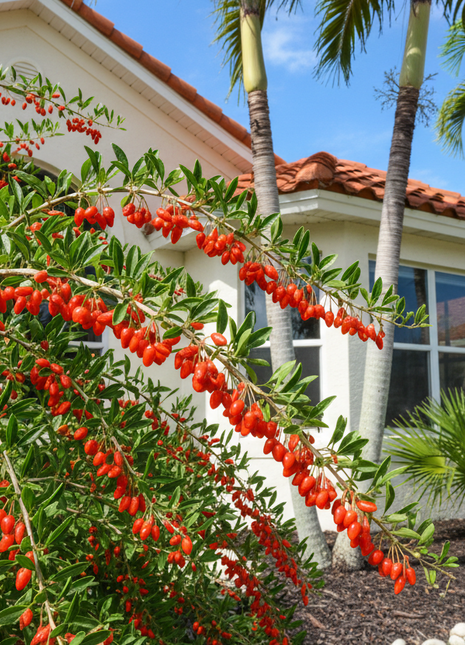
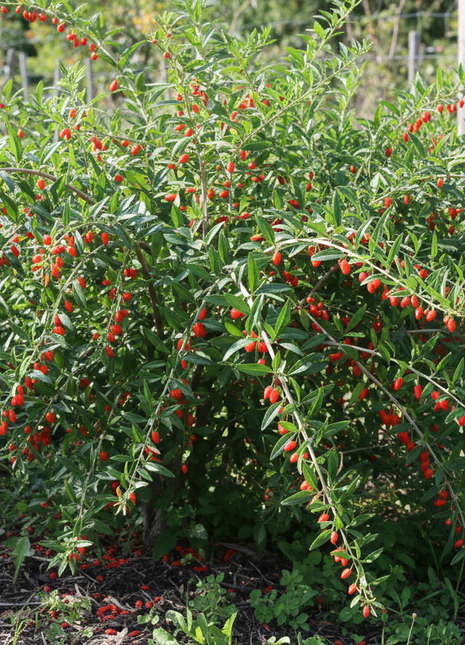
Red Berry Fruiting Shrub — Locally Grown at Flowing Well Tree Farm
Hardy Fruit Shrub • High-Yield Edible Landscape Plant • Drought-Tolerant Once Established • Florida-Grown Stock
When you buy this fruiting shrub here, you’re not getting generic, out-of-region nursery material—you’re getting locally grown plants produced in Pierson, already acclimated to Florida heat, humidity, sandy soils, and seasonal rainfall patterns.
That matters with fast-growing edible shrubs. Locally grown stock establishes faster, handles transplant stress better, and transitions more smoothly into real-world landscape conditions—especially in edible gardens and orchard systems where performance matters.
This is direct-from-grower material. You can visit the farm, see how edible shrubs are grown and selected, and get real guidance from people who work with these fruiting plants in Florida conditions year-round—not generic care sheets.
This type of productive berry shrub is especially valued for its adaptability, early fruiting potential, and long-term reliability in both home gardens and small orchards.
Why Locally Grown Matters
Starting with Florida-grown stock improves long-term performance:
Faster establishment in heat and sandy soils
Reduced transplant shock in home landscapes and containers
Better adaptation to humidity and rainfall variability
More consistent flowering and fruiting cycles
Stronger long-term root development
It’s a more reliable foundation for a productive edible shrub system.
Bright Red, Nutrient-Rich Fruit
This shrub is valued for its edible production:
Bright red, nutrient-rich berries
Suitable for fresh eating and culinary use
Attractive seasonal fruit display
Strong edible landscape appeal
It performs well in both ornamental and food-focused plantings.
USDA Growing Zones
Best suited for Zones 5–9, with strong adaptability across both warm and temperate climates once established.
Mature Growth & Habit
A fast-growing, productive shrub:
Medium shrub form depending on pruning
Dense, fruiting cane structure
Excellent for hedges, borders, and edible gardens
Can be managed for size and yield with regular pruning.
Light Requirements
Performs best in full sun (6–8+ hours daily) for:
Maximum fruit production
Strong cane development
Improved overall plant vigor
Soil & Site Requirements
Highly adaptable but prefers:
Well-draining sandy or loamy soils
Slightly acidic to neutral pH (6.5–7.0)
Organic matter added at planting for best establishment
Avoidance of heavy clay or waterlogged conditions
Planting Guidance (Grower Recommended)
We focus on real-world success in edible landscapes:
Dig a hole twice as wide as the root ball
Plant at the same depth as the container
Backfill with native soil and compost if needed
Water deeply after planting
Apply light mulch, keeping it away from the base
Maintain consistent moisture during establishment
If you visit the farm, we can help match this shrub to orchard rows, edible hedges, or container systems.
Watering & Establishment
Water regularly during the first growing season to build a strong root system. Once mature, the plant becomes moderately drought tolerant and performs well in low-water conditions.
Fertilizer
Apply balanced slow-release fertilizer in early spring
Avoid high nitrogen, which promotes foliage over fruit
Light feeding supports better fruiting performance
Fruiting Timeline
This is a fast producer:
Fruit may begin in years 1–2
Full production typically by year 3
Extended fruiting season from late spring into fall
Pruning & Maintenance
Low to moderate maintenance:
Prune in late winter
Remove weak, old, or unproductive canes
Encourage new shoots for higher future yields
Maintain airflow for better fruiting performance
Why This Is a Smarter Long-Term Investment
✔ Locally grown in Florida for stronger establishment✔ Direct grower expertise for edible shrub success✔ Fast fruiting timeline compared to many shrubs✔ Highly adaptable across multiple climate zones✔ Dual-purpose edible + landscape plant✔ Better performance than out-of-region nursery stock✔ Opportunity to visit, learn, and select in person
The Real Value
This isn’t just a berry shrub—it’s a fast-producing edible system designed for resilience and yield.
You’re not just planting a plant. You’re building a reliable, long-term source of homegrown fruit with a shrub engineered for adaptability and productivity.
Longleaf Pine (Pinus palustris) — Locally Grown in Pierson, Florida at Flowing Well Tree Farm
Iconic Southern Native • Restoration Keystone • Wildlife Habitat Tree • Florida-Grown for Field Success
When you buy Longleaf Pine here, you’re not getting bare-root forestry stock or stressed, out-of-region seedlings—you’re getting trees grown directly in Pierson, raised in real Florida sand, heat, humidity, and wind conditions from the beginning.
That matters because Longleaf Pine is a long-term investment species. Locally grown stock develops stronger root systems, establishes more reliably, and transitions more successfully into restoration sites, natural landscapes, and large properties.
This is direct-from-grower material. You can visit the farm, see how native pines are produced, and get guidance from people who understand how these trees perform over decades—not just the first season.
Longleaf Pine is not just a tree—it’s a foundation species for entire ecosystems.
Why Locally Grown Matters for Longleaf Pine
Even native pines benefit significantly from regional production:
Stronger adaptation to Florida’s sandy soils and climate
Improved root development for long-term stability
Reduced transplant shock in open-field conditions
Better survival in restoration and reforestation sites
More predictable early establishment in challenging landscapes
It’s a stronger start for a tree meant to last generations.
A True Legacy Southern Pine
Longleaf Pine is one of the most important native trees in the Southeast, known for:
Exceptionally long needles (up to 18 inches)
Tall, straight trunk development over time
Open canopy structure that defines Southern landscapes
Lifespan measured in generations, not decades
It creates the classic “high, open pine forest” ecosystem that once dominated the region.
Ecological Powerhouse & Wildlife Value
This is a keystone species in Southern ecology:
Supports native grasses and understory diversity
Provides habitat for birds and wildlife
Essential to longleaf pine ecosystem restoration
Encourages fire-adapted native plant communities
Supports pollinators and specialized species
It is one of the most ecologically valuable trees you can plant in the Southeast.
USDA Growing Zones
Best suited for Zones 7–10, thriving in warm, coastal, and inland Southeastern climates.
Mature Size & Growth Habit
A large, long-lived native conifer:
60–100+ ft tall (at maturity)
20–40 ft spread
Develops a tall, straight trunk with a high canopy over time.
Light Requirements
Requires full sun. Shade reduces vigor and long-term structural development.
Soil & Site Requirements
Naturally adapted to harsh, nutrient-poor soils:
Prefers well-drained sandy soils
Tolerates low fertility conditions
Does not perform well in heavy clay or standing water
Thrives in open, natural landscapes
It is one of the best trees for difficult, sandy sites.
Planting Guidance (Grower Recommended)
We focus on long-term establishment success:
Choose a full sun site with wide open space
Dig a hole twice as wide as the root ball
Plant at ground level (do not bury the trunk flare)
Backfill with native soil and water deeply
Apply light mulch, keeping it away from the trunk
Avoid compacted soils and competition early on
If you visit the farm, we can help identify ideal restoration or landscape placements.
Watering & Establishment
Water regularly during the first growing season to establish a strong root system. Once established, Longleaf Pine becomes highly drought tolerant and thrives with minimal supplemental irrigation.
Fertilizer
Minimal fertilization required. This species is adapted to natural, low-nutrient environments. Over-fertilization can reduce long-term resilience.
Pruning & Maintenance
Extremely low-maintenance:
Remove only dead or damaged branches if necessary
Avoid shaping or heavy pruning
Allow natural structure to develop
It is designed to grow with minimal human intervention.
Ideal Uses
Habitat restoration projects
Reforestation and conservation land
Large naturalized landscapes
Wildlife corridors
Long-term land stewardship plantings
Why This Is a Smarter Long-Term Investment
✔ Grown locally in Florida sandhill conditions from the start✔ Stronger survival in restoration and field planting✔ Direct grower expertise for site selection and success✔ Keystone species for ecosystem restoration✔ Exceptional drought tolerance once established✔ Supports long-term wildlife and biodiversity✔ Opportunity to visit, learn, and select in person
The Real Value
This isn’t just a pine tree purchase—it’s ecosystem restoration at scale, backed by local production and real field experience.
You’re not just planting a tree. You’re helping rebuild a landscape that can last for generations.
Cold-Hardy Plant Collection – Flowing Well Tree Farm
Looking for plants that can handle colder temperatures without sacrificing beauty, productivity, or resilience? Explore the Cold-Hard Plant Collection at Flowing Well Tree Farm—carefully grown selections chosen for their ability to thrive through cooler winters while delivering year-round beauty, wildlife value, shade, flowers, or edible harvests.
Our collection features hardy native trees, flowering shrubs, fruiting plants, and landscape favorites suited for colder growing zones and changing seasonal conditions. Whether you're planting in North Florida, the Southeast, or colder regions, these tough, adaptable plants are selected to withstand frost, seasonal temperature swings, and cooler climates.
Discover cold-hardy favorites like Pawpaw, Highbush Blueberry, Oakleaf Hydrangea, Eastern Redbud, Sweetbay Magnolia, Bald Cypress, Florida Maple, Pignut Hickory, Swamp Chestnut Oak, American Beautyberry, Sweetgum, and Native Persimmon—all grown for strength, beauty, and long-term success.
Why Choose Cold-Resistant Plants?
✔ Built to Handle Frost & Cooler Temperatures ✔ Hardy Native & Edible Selections Available ✔ Ideal for Shade, Pollinators, Wildlife & Fruit Production ✔ Strong, Florida-Grown Plants Ready to Thrive ✔ Perfect for Sustainable & Long-Term Landscapes
From edible gardens to native restoration and beautiful home landscapes, our cold-resistant plants help you grow with confidence—season after season.
Shop Flowing Well Tree Farm’s cold-hardy collection today and plant with resilience in mind.