


Butterfly Garden
-


American Beautyberry (Callicarpa Americana)
🌿 USDA Hardiness Zones 6–10 | Native Shrub | Wildlife Favorite | Seasonal Color A True Native Showstopper Transform your landscape with the striking American Beautyberry (Callicarpa americana), a fast-growing native shrub known for its vibrant clusters of brilliant purple berries that appear in late summer and fall. Reaching 8–9 feet tall, this Florida-friendly native brings bold seasonal color, wildlife value, and easy-care performance to any garden or naturalized planting. 🌟 Why You’ll Love American Beautyberry 💜 Stunning Seasonal DisplayEye-catching clusters of bright purple berries create one of the most unique fall landscapes. 🦋 Wildlife MagnetHighly attractive to birds, bees, and beneficial pollinators that rely on its seasonal fruit. 🌿 Native & Low MaintenanceNaturally adapted to Florida and southeastern climates—easy to grow and highly resilient. 🌞 Heat & Sun TolerantThrives in sunny locations with well-drained soil and minimal care once established. 🌱 Growing Information USDA Zones: 6–10☀️ Light: Full sun to partial shade (best berry production in full sun) 🌿 Care & Growing Notes Prefers well-drained soil Adaptable to sandy, loamy, and native soils Water regularly during establishment Drought tolerant once mature Minimal pruning required—best shaped in late winter if needed ✨ American Beautyberry is one of the most rewarding native shrubs for color, wildlife support, and low-maintenance beauty—perfect for Florida-friendly landscapes.
$15.00 - $21.00
-


Native Milkweed Orange (Asclepias Tuberosa)
🦋 Brighten Your Garden with Asclepias tuberosa (Native Milkweed) Native Milkweed Plant Class: Magnoliopsida Bring vibrant color and essential wildlife support to your landscape with one of the most important native plants for pollinators. 🌼 Why You’ll Love It 🧡 Bold Summer BloomsBright orange flower clusters create a stunning seasonal display, reaching 2–3 feet tall for eye-catching garden color. 🦋 Monarch & Pollinator MagnetA critical host plant for monarch butterflies and a favorite nectar source for bees and beneficial insects—essential for supporting biodiversity. 🌞 Florida-Ready & Eco-FriendlyThrives in full sun and well-drained soils, making it an excellent choice for Florida-friendly and native landscapes. 🌱 Easy, Effortless GrowthLow-maintenance and naturally adapted to its environment, making it perfect for both beginner and experienced gardeners. ✨ Order now to reserve your Native Milkweed and create a thriving butterfly haven in your garden this season!
$12.00
-


Native Firebush (Hamelia Patens)
🦋 A Must-Have for Butterfly Lovers | Native Firebush USDA Hardiness Zones: 8–11 Pollinator Powerhouse Turn your garden into a true pollinator paradise with the Native Firebush. This fast-growing Florida native shrub is known for its striking fiery red-orange blooms that appear nearly year-round in warm climates. A favorite of butterflies, bees, and hummingbirds, Firebush brings constant movement, color, and life to any landscape while remaining incredibly easy to grow. 🌟 Why You’ll Love Firebush 🦋 Pollinator MagnetProduces nectar-rich blooms that attract butterflies, bees, and hummingbirds in abundance. 🔥 Bold, Year-Round ColorVibrant red-orange flowers and lush green foliage provide nonstop visual impact. 🌿 Fast-Growing & ResilientQuickly establishes and thrives in heat, humidity, and tough Florida conditions. 🏡 Versatile Landscape PlantPerfect for hedges, accents, butterfly gardens, and naturalized plantings. 🌱 Growing Information ☀️ Sun: Full sun to partial shade (best flowering in full sun) 💧 Watering Guide Water regularly when young to establish roots Once established, highly drought tolerant Performs well with minimal care in warm climates 🌿 Soil Requirements Native Firebush is adaptable but performs best in: Well-drained, moderately fertile soil Slightly acidic to neutral pH (6.0–7.5) Sandy, loamy, or even light clay soils (if well-drained) Avoid waterlogged soil. If needed, amend heavy soils with compost or organic matter to improve drainage and root health. 🌸 Bloom & Wildlife Value Heavy blooming in spring through summer (and often beyond in warm climates) Constant nectar source for pollinators Excellent for supporting local biodiversity ✨ Native Firebush is one of the easiest ways to bring nonstop color and pollinator activity into your garden—beautiful, tough, and Florida-perfect.
$15.00 - $23.00
-

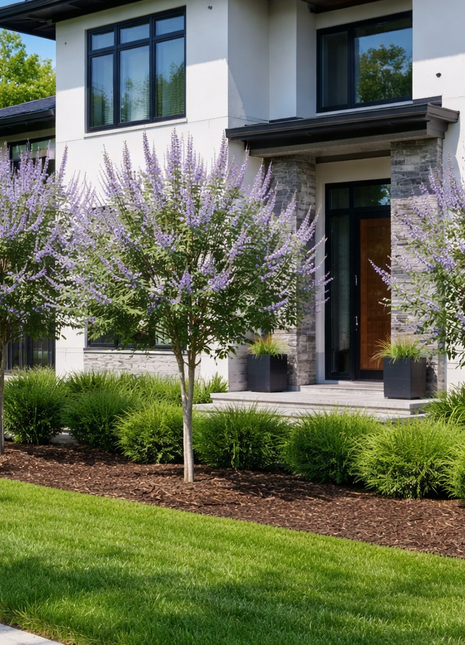
ALMOST GONE Vitex Tree (Vitex Agnus-Castus) Topiary
USDA Hardiness Zones 7-9 Introducing Vitex (Vitex agnus-castus)—commonly known as chaste trees or monk's pepper—these gorgeous deciduous shrubs or small trees will elevate your landscape! With their striking aromatic, palmate leaves and long spikes of fragrant lavender-blue flowers that bloom in summer, Vitex plants are a stunning addition to any garden. Why Choose Vitex? Vibrant Blooms: Enjoy beautiful summer flowers that attract butterflies and bees, creating a lively and colorful outdoor environment. Versatile Growth: Reaching heights of 10-20 feet, Vitex plants are perfect for use as specimen plants, in borders, or for creating informal hedges. Low Maintenance: Thriving in well-drained soils and full sun, these drought-tolerant plants are easy to care for once established, making them ideal for busy gardeners. Ornamental Appeal: With their striking foliage and eye-catching flowers, Vitex plants add a touch of Mediterranean elegance to your landscape. Download PDF Handout
$175.00 - $240.00
-

Flowing Well Tree Farm E-Gift Card
Give the gift of growing with a Flowing Well Tree Farm Gift Card—the perfect gift for gardeners, homeowners, and plant lovers of all kinds. With access to hundreds of native, fruiting, and ornamental trees and shrubs, your recipient can choose exactly what they want for their landscape or garden. Gift cards are easy to purchase online, can be used anytime, and are a thoughtful way to share something living, lasting, and uniquely personal. A Flowing Well Tree Farm Gift Card lets your loved ones plant memories that grow for years to come. 🌲🎁
$10.00 - $500.00
-


Pond Spice (Litsea aestivalis)
Pond Spice (Litsea aestivalis) — Rare Native Aromatic Shrub | Locally Grown in Pierson, Florida at Flowing Well Tree Farm Fragrant Native Foliage • Wetland Adapted • Wildlife Support Shrub • Florida-Grown Specialty Plant When you buy Pond Spice here, you’re not getting a generic native plug or wild-dug material—you’re getting nursery-grown, Florida-acclimated plants produced in Pierson, already adapted to local humidity, rainfall patterns, and sandy-to-organic wetland soils. That matters with a rare native like Litsea aestivalis. Locally grown stock develops stronger roots, transitions more reliably into home landscapes, and performs better in the exact moisture and heat conditions it will face after planting. This is direct-from-grower material. You can visit the farm, see how rare natives are propagated and grown, and get real guidance from people who work with Florida ecosystems every season—not generalized native plant advice. Pond Spice stands out because it is both ecologically important and sensory-rich, bringing fragrance, wildlife value, and refined native structure into moisture-focused landscapes. Why Locally Grown Matters for Rare Native Shrubs Rare natives benefit even more from regional production: Stronger establishment in Florida soils and climate Reduced transplant shock in heat and humidity Better long-term survival in wetland-adjacent sites More predictable growth form in managed landscapes Improved performance in restoration and native gardens It’s a more reliable foundation for a hard-to-find native species. Fragrant Native Foliage Pond Spice is valued for its unique sensory character: Glossy green leaves with subtle sheen Aromatic foliage and bark with a light spicy fragrance Year-round evergreen to semi-evergreen presence Distinctive native character rarely found in landscape plants It adds a subtle but memorable fragrance layer to the garden. Ecological & Wildlife Value This native shrub plays an important ecological role: Supports native insect and wildlife systems Valuable in restoration plantings and habitat corridors Enhances biodiversity in wet and semi-wet landscapes Functions as a structural understory plant in native ecosystems It’s a true conservation-oriented landscape species. Ideal for Moist Landscapes Pond Spice naturally thrives in: Pond edges and wetland margins Rain gardens and stormwater zones Moist woodland understories Organic-rich, consistently damp soils It is especially useful in Florida landscapes where water management is part of the design. USDA Growing Zones Best suited for Zones 8–11, performing well across Florida and other warm, humid regions. Mature Size & Growth Habit A versatile native structure plant: Shrub to small tree form Typically 8–20 ft tall depending on conditions Graceful, open natural shape Can be trained as a multi-stem shrub or small specimen tree. Light Requirements Adaptable: Partial shade preferred for best growth Full sun tolerated with adequate moisture Performs well in filtered light and woodland edges Soil & Site Requirements Naturally adapted to moist soils: Prefers sandy or loamy, well-drained but moist soils Tolerates organically rich wet soils Performs best in slightly acidic to neutral pH Avoid prolonged standing water without movement or drainage Planting Guidance (Grower Recommended) We focus on real-world success in Florida landscapes: Choose a site with consistent moisture and airflow Dig a hole twice as wide as the root ball Plant at original container depth Backfill with native soil and water deeply Apply mulch lightly, keeping it away from the trunk Maintain consistent moisture during establishment If you visit the farm, we can help place Pond Spice in rain gardens, pond margins, or shaded native plantings for best performance. Watering & Establishment Water regularly during the first growing season to develop a strong root system. Once established, it becomes moderately drought tolerant but performs best with consistent moisture. Fertilizer Apply light balanced slow-release fertilizer in early spring if needed Avoid heavy feeding, which is unnecessary for native shrubs Pruning & Maintenance Low-maintenance native plant: Minimal pruning required Light shaping in late winter if needed Remove lower suckers if a tree form is desired Maintain natural habit for best ecological value Why This Is a Smarter Long-Term Investment ✔ Rare native plant grown locally for Florida success✔ Direct grower expertise for wet-site planting✔ Strong ecological and wildlife value✔ Aromatic foliage adds unique sensory appeal✔ Excellent for rain gardens and restoration plantings✔ Better establishment than wild-dug or out-of-region stock✔ Opportunity to visit, learn, and select in person The Real Value This isn’t just a shrub—it’s a rare native ecosystem plant with fragrance, function, and ecological importance. You’re not just planting a tree. You’re adding biodiversity, sensory character, and long-term native resilience to moisture-rich Florida landscapes.
$30.00
-


Original Southern Magnolia – From Seed (Magnolia grandiflora) Coming Soon
Southern Magnolia (Magnolia grandiflora) — Locally Grown in Pierson, Florida at Flowing Well Tree Farm Iconic Evergreen • Fragrant Native Blooms • Legacy Shade Tree • Florida-Grown from Seed for Strong Landscape Performance When you buy Southern Magnolia here, you’re not getting weak, greenhouse-forced liners or long-distance shipped trees—you’re getting seed-grown specimens raised directly in Pierson, grown under real Florida sun, humidity, wind, and sandy soil conditions from the start. That matters with a long-lived species like Magnolia grandiflora. Locally grown trees develop stronger root systems, adapt more quickly after planting, and transition into the landscape with far less stress. Seed-grown material also brings natural genetic variation, producing unique, resilient trees with strong long-term structure. This is direct-from-grower material. You can visit the farm, see how seed-grown native trees are produced, and get real guidance from people who work with these trees in Florida landscapes—not generic retail advice. Southern Magnolia is a true legacy tree, designed to define landscapes for generations. Why Locally Grown, Seed-Grown Magnolia Matters Growing this species from seed in Florida conditions provides real advantages: Stronger adaptation to local climate stress (heat, humidity, storms) Deeper, more resilient root development Improved long-term transplant success Greater genetic diversity and natural form variation Better performance in real Southern landscapes over decades It’s a more natural, durable foundation for a permanent shade tree. A True Southern Icon Southern Magnolia is one of the most recognizable trees in America: Glossy evergreen leaves year-round Rich copper-brown leaf undersides Large, creamy white, highly fragrant flowers Strong architectural presence in the landscape It delivers both structure and elegance in every season. Fragrant Blooms with Seasonal Impact The flowers are one of the defining features: Large, showy white blossoms Rich, sweet citrus-like fragrance Blooming through warm months Attracts pollinators and adds sensory impact It is both visually and aromatically iconic. USDA Growing Zones Best suited for Zones 7–10, thriving throughout Florida and the Southeastern United States. Mature Size & Growth Habit A large, long-lived evergreen shade tree: 60–80 ft tall 30–40 ft wide Develops a broad, pyramidal canopy that becomes more majestic with age. Light Requirements Performs best in full sun to partial shade. Full sun encourages stronger flowering, denser structure, and faster growth. Soil & Site Adaptability Adaptable once established, but prefers: Well-drained, slightly acidic soils Loamy or sandy soils with organic matter Avoidance of compacted or poorly drained sites Once established, it becomes highly resilient in Southern conditions. Planting Guidance (Grower Recommended) We emphasize long-term establishment success: Choose a spacious, open site away from structures Dig a hole twice as wide as the root ball Plant at original soil level (do not bury trunk flare) Backfill with native soil and water deeply Apply mulch 2–3 inches deep, keeping it off the trunk Maintain consistent watering during establishment If you visit the farm, we can help you select the right placement for long-term canopy development. Watering & Establishment Water regularly during the first year to develop a strong root system. Once established, Southern Magnolia becomes moderately drought tolerant but benefits from deep watering during extended dry periods. Fertilizer Minimal fertilization required: Apply a balanced slow-release fertilizer in early spring if needed Mature trees typically thrive without supplemental feeding Pruning & Maintenance Low-maintenance once established: Prune in late winter or early spring if needed Remove dead, damaged, or crossing branches Avoid heavy pruning to preserve natural form Why This Is a Smarter Long-Term Investment ✔ Grown locally in Florida conditions from seed✔ Stronger root systems and better transplant success✔ Direct grower expertise for planting and placement✔ Genetic diversity for long-term landscape resilience✔ Evergreen structure with seasonal blooms and fragrance✔ True legacy shade tree for property value and permanence✔ Opportunity to visit, learn, and select in person The Real Value This isn’t just a magnolia purchase—it’s a generational landscape decision. You’re not just planting a tree. You’re planting a permanent Southern landmark that defines the character of your property for decades.
$115.00
-
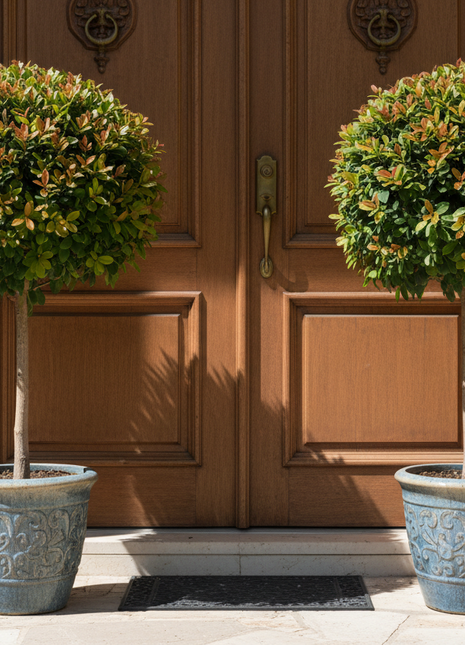

Simpson Stopper (Myrcianthes Fragrans)
🌿 Zone 9–11 | Native Coastal Shrub | Wildlife Friendly | Evergreen Beauty A Sustainable Native Treasure Create a true sustainable paradise with the Simpson Stopper Geode, a beautiful Florida native shrub known for its glossy evergreen foliage, fragrant blooms, and vibrant seasonal berries. Perfect for coastal gardens and native landscapes, this hardy plant delivers year-round structure while supporting pollinators and wildlife in your local ecosystem. 🌟 Why You’ll Love Simpson Stopper Geode 🌿 Native Evergreen BeautyLush green foliage provides year-round color and structure in the landscape. 🌸 Fragrant Seasonal FlowersDelicate blooms add subtle fragrance and attract pollinators. 🦋 Wildlife FriendlyProduces colorful berries that provide food for birds and support biodiversity. 🏝 Coastal Tough & Low MaintenanceThrives in Florida’s heat, humidity, and coastal conditions with minimal care. 🌱 Growing Information USDA Zones: 9–11☀️ Light: Full sun to partial shade (best growth in bright light) 🌿 Soil Requirements Prefers well-drained sandy or loamy soil Highly adaptable to coastal conditions Tolerates salt spray and humidity Performs best with moderate organic matter 🌱 Care & Maintenance Water regularly during establishment Once established, drought tolerant Apply mulch to retain moisture and reduce weeds Minimal pruning required—can be shaped for hedges or form 🌿 Why Add Simpson Stopper Geode? This native shrub is a powerful combination of beauty, resilience, and ecological value, making it ideal for homeowners who want a low-maintenance plant that actively supports Florida wildlife. 📄 Download PDF Here ✨ Order now to reserve your Simpson Stopper Geode for September shipping and bring sustainable native beauty to your landscape!
$6.00 - $120.00
-


Highbush Blueberry (Vaccinium Corymbosum)
Highbush Blueberry (Vaccinium corymbosum) — Locally Grown in Pierson, Florida at Flowing Well Tree Farm Edible Landscape Favorite • Seasonal Color • Pollinator Friendly • Florida-Grown for Strong Establishment When you buy Highbush Blueberry here, you’re not getting generic nursery shrubs shipped in from other regions—you’re getting plants grown directly in Pierson, acclimated to real growing conditions including Florida heat, humidity, and soil variability from the start. That matters because blueberries are sensitive to soil chemistry and establishment stress. Locally grown stock transitions more smoothly into your landscape, develops stronger root systems, and begins performing sooner as a fruiting shrub. This is direct-from-grower material. You can visit the farm, see how edible landscape plants are produced, and get real guidance from the people who grow them—not a reseller. That means practical advice based on real Florida performance, not just general growing charts. Highbush Blueberry is one of the most valuable edible landscape plants because it combines reliable fruit production with strong ornamental appeal in every season. Why Locally Grown Matters Even well-known fruiting shrubs perform better when grown in-region from the start: Stronger adaptation to Florida heat and rainfall cycles Improved root development in local soil conditions Reduced transplant shock Faster establishment and earlier fruiting potential Better long-term productivity in home landscapes It’s a more reliable foundation for a long-lived edible planting. Delicious Fruit with Real Landscape Value Highbush Blueberry produces large, sweet, antioxidant-rich berries that are excellent for: Fresh eating Baking and desserts Jams and preserves Smoothies and juices With proper care and multiple varieties for cross-pollination, yields can be substantial and consistent. Four-Season Ornamental Appeal This is not just a fruit plant—it’s a landscape shrub with year-round interest: Spring: soft white bell-shaped flowers that attract pollinators Summer: abundant blueberry harvest Fall: brilliant red and orange foliage color Structure: dense upright form that works in edible borders It performs as both a food source and a visual focal point. USDA Growing Zones Best suited for Zones 4–8, with proper site preparation required in warmer climates like Florida for best performance. Mature Size & Growth Habit A productive upright shrub: 6–12 ft tall 4–8 ft wide Forms a dense, structured plant ideal for edible hedges, orchard rows, or landscape accents. Light Requirements Performs best in full sun (6–8+ hours daily). Full sun improves fruiting, sugar content, and plant vigor. Soil Requirements (Critical for Success) Blueberries require specific soil conditions: Acidic soil (pH 4.5–5.5) Well-drained but moisture-retentive structure High organic matter content Amended beds with pine bark, peat, or similar materials Mulching with pine straw or pine bark helps maintain ideal conditions long-term. Planting Guidance (Grower Recommended) We focus on setting plants up for long-term productivity: Prepare acidic, well-drained planting area Dig a hole twice as wide as the root ball Plant at original container depth Backfill with amended acidic soil Water deeply after planting Apply mulch generously, keeping it away from the crown If you visit the farm, we can help guide soil preparation and placement for better fruit production. Watering & Establishment Maintain consistent moisture, especially during flowering and fruiting periods. Do not allow soil to dry out completely. Once established, plants still benefit from steady irrigation during hot weather and fruit development. Fertilizer Use fertilizer formulated for acid-loving plants (such as azalea or camellia blends): Apply in early spring Optional second application after harvest Avoid over-fertilization to protect root health and fruit quality Pruning & Maintenance Prune in late winter during dormancy: Remove dead or weak wood Thin older canes to promote new growth Maintain airflow through the shrub Encourage strong fruiting structure Proper pruning directly improves long-term yields. Fruit & Pollination Notes Harvest in early to mid-summer Rich in antioxidants, vitamins, and fiber Best results with multiple varieties for cross-pollination Improved yields with proper soil acidity and sunlight Why This Is a Smarter Long-Term Investment ✔ Grown locally in Florida conditions from the start✔ Stronger establishment and reduced transplant shock✔ Direct grower guidance for soil and planting success✔ Reliable edible production with ornamental value✔ Better adaptation than out-of-region nursery stock✔ Multi-season landscape interest (flower, fruit, fall color)✔ Opportunity to visit, learn, and select in person The Real Advantage This isn’t just a blueberry purchase—it’s a long-term edible landscape system built on correct soil, local growing experience, and plants already adapted to real Florida conditions. You’re not just planting a shrub. You’re planting a seasonal harvest that improves year after year.
$25.00
-


Coral Honey Suckle (Lonicera sempervirens)
🌺 Lonicera sempervirens – Coral Honeysuckle | Native Pollinator Vine | Hummingbird Favorite Coral Honeysuckle (Lonicera sempervirens) is a stunning, non-invasive native vine known for its vibrant coral-red tubular flowers and exceptional wildlife value. Grown at Flowing Well Tree Farm in Pierson, Florida, this fast-growing vine is perfect for adding vertical color and life to your landscape. Ideal for trellises, fences, arbors, pergolas, and pollinator gardens, it delivers season-long beauty while supporting hummingbirds, butterflies, and native pollinators. 🌟 Why You’ll Love Coral Honeysuckle 🦋 Pollinator MagnetProduces bright coral-red blooms that attract hummingbirds, butterflies, and bees throughout the growing season. 🌿 Native & Non-InvasiveA well-behaved Florida native vine—unlike invasive honeysuckle varieties. 🌺 Long Bloom SeasonFlowers from spring through summer, followed by small red berries enjoyed by birds. 🏡 Perfect Vertical AccentIdeal for covering fences, climbing trellises, softening walls, and creating natural privacy screens. 🌱 Growing Requirements 🌞 Sun / Light:Full sun to partial shade (best flowering with 6+ hours of direct sunlight) 💧 Watering: Water deeply after planting 2–3 times weekly during establishment Once mature, drought tolerant with occasional watering during dry periods 🌿 Soil: Prefers well-drained soil Adapts to sandy, loamy, or light clay soils Performs very well in Florida landscapes 🌿 Planting Instructions Plant near a support structure (fence, arbor, trellis, or mailbox) Dig a hole 2–3x wider than the root ball and equal in depth Set slightly above ground level and backfill with native soil Space plants 4–6 feet apart for full coverage Apply 2–3 inches of mulch, keeping it away from the stem ✂️ Pruning & Maintenance Lightly prune after flowering to maintain shape and encourage branching Remove dead or damaged growth as needed Easily trained along structures for controlled growth 🌱 Fertilizer Apply balanced slow-release fertilizer in early spring Compost or organic mulch supports steady growth Avoid over-fertilizing to maintain strong flowering 🌟 Special Features Native Florida-friendly flowering vine Non-invasive and low maintenance Excellent for wildlife gardens and habitat restoration Semi-evergreen to evergreen in warm climates Deer resistant once established ✨ Add Coral Honeysuckle to your landscape for nonstop color, hummingbird activity, and effortless native beauty—order now to reserve yours for September shipping! 🌿 Grown at Flowing Well Tree Farm – Pierson, Florida
$15.00
-


Rice Hull 15g Bucket
Rice Hulls – Natural Weed Control & Soil Protection Rice hulls are an all-natural, eco-friendly way to control weeds while improving soil health at the same time. When applied as a mulch around plants, rice hulls create a light but effective barrier that blocks sunlight from reaching weed seeds, helping prevent unwanted growth without the use of chemicals. They also help retain soil moisture, reduce soil temperature swings, and improve air flow around plant roots. Over time, rice hulls slowly break down and add organic matter to the soil, improving structure and drainage. How to Use Spread a 1–2 inch layer around the base of plants Keep mulch a few inches away from plant stems Reapply as needed as material breaks down Ideal for garden beds, fruit trees, shrubs, and potted plants Benefits Suppresses weed growth naturally Improves soil moisture retention Adds organic matter as it decomposes Lightweight and easy to apply Safe for pets, people, and plants Helps prevent soil compaction Rice hulls are an excellent choice for gardeners who want a clean, natural solution for weed control while improving long-term soil health.
$7.00 - $20.00
-


Buttonbush (Cephalanthus Occidentalis) –"Butterfly Plant"
🌿 Buttonbush (Cephalanthus occidentalis) | Native Wetland Shrub | Pollinator Magnet 🌼 Buttonbush – Unique Native Shrub for Wet & Wild Spaces Add striking texture and ecological value to your landscape with Buttonbush, a hardy native shrub known for its fragrant, spherical white blooms and exceptional wildlife benefits. Growing 6–7 feet tall, it creates a bold presence in rain gardens, pond edges, and naturalized plantings. From late spring through summer, its unusual blooms become a magnet for bees, butterflies, and other beneficial pollinators, bringing constant life and movement to the garden. 🌟 Why You’ll Love Buttonbush 🌼 Unique Globe-Shaped BloomsFragrant white flower clusters add standout visual interest and seasonal beauty. 🦋 Pollinator PowerhouseAttracts bees, butterflies, and hummingbirds throughout the blooming season. 🪶 Wildlife Habitat PlantProvides food and shelter for birds and beneficial insects. 💧 Perfect for Wet AreasThrives where many plants struggle—ideal for ponds, streams, and rain gardens. 🌱 Growing Information USDA Zones: 4–11☀️ Light: Full sun to partial shade (best flowering in sun) 🌿 Soil Requirements Prefers wet to consistently moist soils Ideal for low areas, pond edges, and rain gardens Tolerates clay, loam, and periodically flooded conditions Adaptable but performs best in moisture-rich environments 🌱 Planting Instructions Choose a site with consistent moisture or seasonal wetness Dig a hole twice as wide as the root ball Plant at the same depth as the container Backfill with native soil and water thoroughly Apply mulch to retain moisture and suppress weeds 💧 Watering Guide Keep soil consistently moist during establishment Once established, tolerates flooding and wet conditions well Water during extended dry periods if not in a naturally wet site 🌿 Care & Maintenance Low-maintenance once established Prune in late winter to shape or remove dead growth Can be cut back harder if needed for rejuvenation ✨ Buttonbush is a true ecological standout—perfect for adding beauty, wildlife value, and resilience to wet or naturalized landscapes.
$21.00 - $90.00


