
Frequently Asked Questions: Florida Native Plants and Edible Gardens
, by Andrew Norouzian, 3 min reading time
, by Andrew Norouzian, 3 min reading time
Looking for the best plants for your Florida landscape? We specialize in native species that thrive in our climate. Below are answers to the most common questions we get about fruit trees, butterfly gardens, and low-maintenance landscaping.
While many people know about tropical imports, Florida has incredible native fruit trees that are easier to grow and more disease-resistant. Our top sellers include:
Chickasaw Plum: Produces sweet, tart plums in summer.
Red Mulberry: A fast-growing tree with delicious berry-like fruit.
Persimmon (Native): Offers sweet, orange fruit in the fall.
Sea Grape: Perfect for coastal areas; the fruit makes excellent jams.
Pawpaw: A rare treat with a custard-like flavor (best for North/Central FL).
We specialize in Florida native plants and Fruiting, which support our local ecosystem better than exotic imports. While we love mangos, we focus on native edibles like Muscadine Grapes, Elderberry, and Simpson’s Stopper (which has edible berries for birds and humans!). These plants require less water and fertilizer than citrus or avocado trees. We do have a hand picked selection of import fruiting like Peaches, plums, nectarines, dragon fruits, banana, figs and others that we graft and propagate ourselves
Yes! A "food forest" using native plants is highly sustainable. You can plant Blueberry (Highbush or Darrow's), Beautyberry (great for jellies), and Prickly Pear Cactus. Using natives means you rarely need chemical pesticides, keeping your food safe and organic.
The most important plant for Monarchs is Native Milkweed (Asclepias). Unlike the exotic "Tropical Milkweed" (which can sometimes harm migration patterns), our native Pink Swamp Milkweed and Butterfly Weed provide the perfect food source for Monarch caterpillars without the risks.
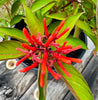
Hummingbirds love red, tubular flowers. The best Florida native plant for this is Firebush (Hamelia patens). It blooms year-round in many parts of Florida and is a drought-tolerant superstar. Coral Honeysuckle is another excellent native vine that attracts them.
If you want to "plant it and forget it," we recommend:
Coontie: A slow-growing, palm-like cycad that is incredibly tough.
Muhly Grass: Famous for its pink/purple fall blooms and high drought tolerance.
Saw Palmetto: The ultimate no-fuss Florida native shrub.
Walter’s Viburnum: Great for hedges and requires very little shaping.
Skip the Ficus (which can destroy pipes) and plant Simpson’s Stopper or Wax Myrtle. Both are fast-growing native shrubs that create excellent privacy screens, smell great, and provide food for birds.
While you can plant year-round in Florida, the rainy season (late May - September) is ideal because the natural rain helps establish roots. However, fall is also excellent because the cooler temperatures reduce stress on the new plants.