


🌳 A Warm Arbor Day 2026 Greeting to Palm Coast Residents! 🌱
Thank you for joining us for our 2026 Arbor Day event!
We’re excited to offer the following trees available for giveaway today:
Arbequina Olive, Loquats, Weeping Bottle Brush, Native Mulberry, Highbush Blueberry, Southern Red Cedars, Sycamore, Eagleston Holly and Redbuds.
Please take a moment to review the care instructions provided to ensure the healthy growth and long life of your new tree.
Thank you for supporting sustainability and helping give trees a second life. We truly appreciate your participation and commitment to a greener community! 🌿

🌿 Arbequina Olive (Olea Europaea 'Arbequina) Planting & Care Guide
🌱 Planting
- Dig a hole 2–3 times wider than the root ball and the same depth.
- Place the tree so the top of the root ball is slightly above ground level.
- Backfill with native soil and water thoroughly.
- Apply 2–3 inches of mulch (keep mulch away from the trunk).
💧 Watering
- First 2–3 months: Water 2–3 times per week.
- Establishment period: Water once weekly.
- Once established, olives are drought-tolerant, but benefit from occasional deep watering for better fruiting.
🌾 Soil
- Prefers well-drained soil—very important.
- Thrives in sandy or loamy soils.
- Tolerates poor soils, but does not like standing water.
☀️ Sun Requirements
- Requires full sun.
- Needs at least 6–8+ hours of direct sunlight daily for best growth and fruit production.
🌿 Fertilizer
- Apply a balanced fertilizer in early spring.
- Light feeding is sufficient—avoid over-fertilizing.
- Can benefit from additional feeding during growing season if fruiting.
✂️ Pruning
- Prune in late winter to early spring.
- Shape to maintain an open canopy for airflow and sunlight.
- Remove dead, damaged, or crossing branches.
🌳 Characteristics
- Small, evergreen ornamental and fruiting tree
- Silvery-green foliage with a soft, elegant look
- Produces small, flavorful olives
- Self-fertile (can produce fruit on its own)
- Growth rate: slow to moderate
- Mature height: 15–20 ft (can be kept smaller with pruning)
🌎 Additional Info
- Excellent for patios, landscapes, and Mediterranean-style gardens
- Highly heat and drought tolerant
- Can be grown in containers or in-ground
- Cold-sensitive—protect during freezes
- Fruit can be cured for eating or oil 🫒

🌳 Loquat (Eriobotrya Japanonica) Planting & Care Guide
🌱 Planting
- Dig a hole 2–3 times wider than the root ball and the same depth.
- Position the tree so the top of the root ball is slightly above ground level.
- Backfill with native soil and water thoroughly.
- Apply 2–3 inches of mulch (keep mulch away from trunk).
💧 Watering
- First 2–3 months: Water 2–3 times per week.
- Establishment period: Water once weekly.
- Once established, loquats are moderately drought-tolerant, but produce better fruit with consistent watering.
🌾 Soil
- Prefers well-drained soil.
- Grows well in sandy and loamy soils.
- Avoid poorly drained or constantly wet areas.
☀️ Sun Requirements
- Thrives in full sun to partial shade.
- Best fruit production occurs in full sun (6–8+ hours daily).
🌿 Fertilizer
- Apply a balanced fertilizer 2–3 times per year (spring, summer, early fall).
- Use a fertilizer suitable for fruit trees.
- Avoid over-fertilizing, which can reduce fruiting.
✂️ Pruning
- Prune after fruiting to shape and control size.
- Remove dead, damaged, or crowded branches.
- Can be maintained as a small tree or large shrub.
🍊 Characteristics
- Evergreen fruiting tree with a dense, rounded canopy
- Large, glossy, dark green leaves
- Fragrant white flowers in fall/winter
- Produces sweet, tangy yellow-orange fruit in late winter to spring
- Growth rate: moderate
- Mature height: 15–25 ft
🌎 Additional Info
- Excellent for edible landscapes and backyard orchards
- Fruit can be eaten fresh, or used in jams and desserts 🍊
- Attracts pollinators when in bloom 🐝
- Cold-sensitive—flowers and fruit may be damaged by frost
- Low maintenance and well-suited for Florida climates

🌺 Weeping Bottlebrush (Callistemon Viminalis 'Weeping) Planting & Care Guide
🌱 Planting
- Dig a hole 2–3 times wider than the root ball and the same depth.
- Set the tree so the top of the root ball is slightly above ground level.
- Backfill with native soil and water thoroughly.
- Apply 2–3 inches of mulch (keep mulch away from the trunk).
💧 Watering
- First 2–3 months: Water 2–3 times per week.
- After establishment: Water once weekly.
- Once established, it is moderately drought-tolerant, but performs best with regular watering.
🌾 Soil
- Prefers well-drained soil.
- Tolerates sandy soils and a variety of conditions.
- Avoid areas with standing water.
☀️ Sun Requirements
- Thrives in full sun.
- Needs 6–8+ hours of direct sunlight daily for best flowering.
🌿 Fertilizer
- Apply a balanced or low-phosphorus fertilizer in spring.
- Light feeding encourages healthy growth and more blooms.
✂️ Pruning
- Prune after flowering to shape and maintain size.
- Remove dead or crossing branches.
- Light pruning encourages a fuller canopy and more blooms.
🌺 Characteristics
- Evergreen ornamental tree with a graceful, weeping habit
- Bright red, brush-like flowers that attract pollinators
- Narrow, soft green leaves
- Growth rate: moderate to fast
- Mature height: 15–25 ft
🌎 Additional Info
- Excellent for accent trees, patios, and focal points
- Attracts hummingbirds, bees, and butterflies 🐦🐝🦋
- Tolerates heat and humidity well
- Can handle light frost but protect from hard freezes
- Great for Florida landscapes and coastal areas

🌳 Native Mulberry (Morus Rubra) Planting & Care Guide
🌱 Planting
- Dig a hole 2–3 times wider than the root ball and the same depth.
- Position the tree so the top of the root ball is slightly above ground level.
- Backfill with native soil and water thoroughly.
- Apply 2–3 inches of mulch (keep mulch away from trunk).
💧 Watering
- First 3–6 months: Water 2–3 times per week.
- After establishment: Water once weekly or as needed.
- Prefers moderate moisture, but can tolerate short dry periods once established.
🌾 Soil
- Prefers rich, well-drained soil.
- Tolerates a wide range including sandy, loamy, and clay soils.
- Performs best in slightly moist, fertile conditions.
☀️ Sun Requirements
- Grows best in full sun to partial shade.
- More sun = better fruit production.
🌿 Fertilizer
- Typically not required in good soil.
- Apply a balanced fertilizer in early spring if growth is slow.
- Avoid excessive fertilization.
✂️ Pruning
- Prune in late winter while dormant.
- Remove dead, damaged, or crowded branches.
- Can be shaped to maintain size and structure.
🍇 Characteristics
- Native deciduous fruit tree
- Produces sweet, blackberry-like fruit in spring/early summer
- Broad, spreading canopy with large green leaves
- Growth rate: fast
- Mature height: 30–50 ft
🌎 Additional Info
- Excellent for wildlife—birds love the fruit 🐦
- Great for naturalized areas and shade
- Fruit can stain surfaces—plant away from driveways or patios
- Supports native ecosystems and pollinators
- Low-maintenance and hardy once established

🫐 Highbush Blueberry (Vaccinium Corymbosum) Planting & Care Guide
🌱 Planting
- Dig a hole 2–3 times wider than the root ball and slightly shallower in depth.
- Set the plant so the top of the root ball sits slightly above ground level.
- Backfill with a mix of native soil and acidic organic matter (like pine bark or peat).
- Apply 2–3 inches of mulch (pine bark or pine straw works best).
💧 Watering
- First 2–3 months: Water 2–3 times per week.
- Keep soil consistently moist, but not soggy.
- Blueberries have shallow roots and need regular watering, especially during fruiting.
🌾 Soil
- Requires acidic soil (pH 4.5–5.5).
- Prefers well-drained, organic-rich soil.
- Amend soil with pine bark, peat moss, or sulfur if needed.
☀️ Sun Requirements
- Needs full sun for best fruit production.
- Requires 6–8+ hours of direct sunlight daily.
🌿 Fertilizer
- Use a fertilizer formulated for acid-loving plants (like azaleas or camellias).
- Apply in early spring and late spring.
- Avoid over-fertilizing—blueberries are sensitive.
✂️ Pruning
- Prune in late winter while dormant.
- Remove dead, weak, or older canes to encourage new growth.
- Improves fruit size and overall plant health.
🫐 Characteristics
- Deciduous fruiting shrub
- Produces sweet, nutritious blue berries in late spring to summer
- Attractive white to pink flowers in early spring
- Growth rate: moderate
- Mature height: 6–10 ft
🌎 Additional Info
- Best planted in groups for cross-pollination (improves yield)
- Great for edible landscapes and home gardens
- Attracts pollinators 🐝 and birds 🐦
- May require netting to protect fruit from wildlife
- Excellent source of antioxidants and vitamins

🍒 Goji Berry (Lycium Barbarum) "Update"
Unfortunately, the Goji Berry plants will not be available at this year’s event.
During the recent freeze, the Goji Berry plants experienced significant cold damage. We made every effort to restore them to healthy condition, but they were unable to fully recover in time for this year’s giveaway.
We truly appreciate your understanding and patience, and we are already working diligently to grow strong, healthy Goji Berry plants to bring back for next year’s event. 🌱
Thank you for your continued support and for being part of our Arbor Day celebration.
— Flowing Well Tree Farm 🌿

🌲 Native Southern Red Cedar (Juniperus Virginiana) Planting & Care Guide
🌱 Planting
- Dig a hole 2–3 times wider than the root ball and equal depth.
- Set the tree so the top of the root ball is slightly above grade.
- Backfill with native soil and water thoroughly.
- Apply 2–3 inches of mulch (keep mulch away from trunk).
💧 Watering
- First 2–3 months: Water 2–3 times per week.
- Establishment period (up to 1 year): Water once weekly.
- Once established, it is highly drought-tolerant and requires minimal watering.
🌾 Soil
- Extremely adaptable—grows in sandy, loamy, or clay soils.
- Tolerates poor soils and dry conditions.
- Prefers well-drained soil but handles a wide range of environments.
☀️ Sun Requirements
- Requires full sun.
- Needs at least 6+ hours of direct sunlight daily for best growth.
🌿 Fertilizer
- Typically not necessary.
- If desired, apply a balanced slow-release fertilizer in early spring.
- Avoid over-fertilizing.
✂️ Pruning
- Very low maintenance.
- Prune only to remove dead or damaged branches or for shaping.
- Best pruned in late winter to early spring.
🌲 Characteristics
- Native evergreen tree with dense, upright pyramidal form
- Blue-green foliage with berry-like cones (on female trees)
- Growth rate: moderate to fast
- Mature height: 30–50 ft+
🌎 Additional Info
- Excellent for privacy screens, windbreaks, and property borders
- Extremely hardy and long-lived
- Tolerates heat, drought, wind, and salt exposure
- Provides food and shelter for wildlife 🐦
- Deer resistant and low maintenance
- Ideal for Florida and Southeastern landscapes
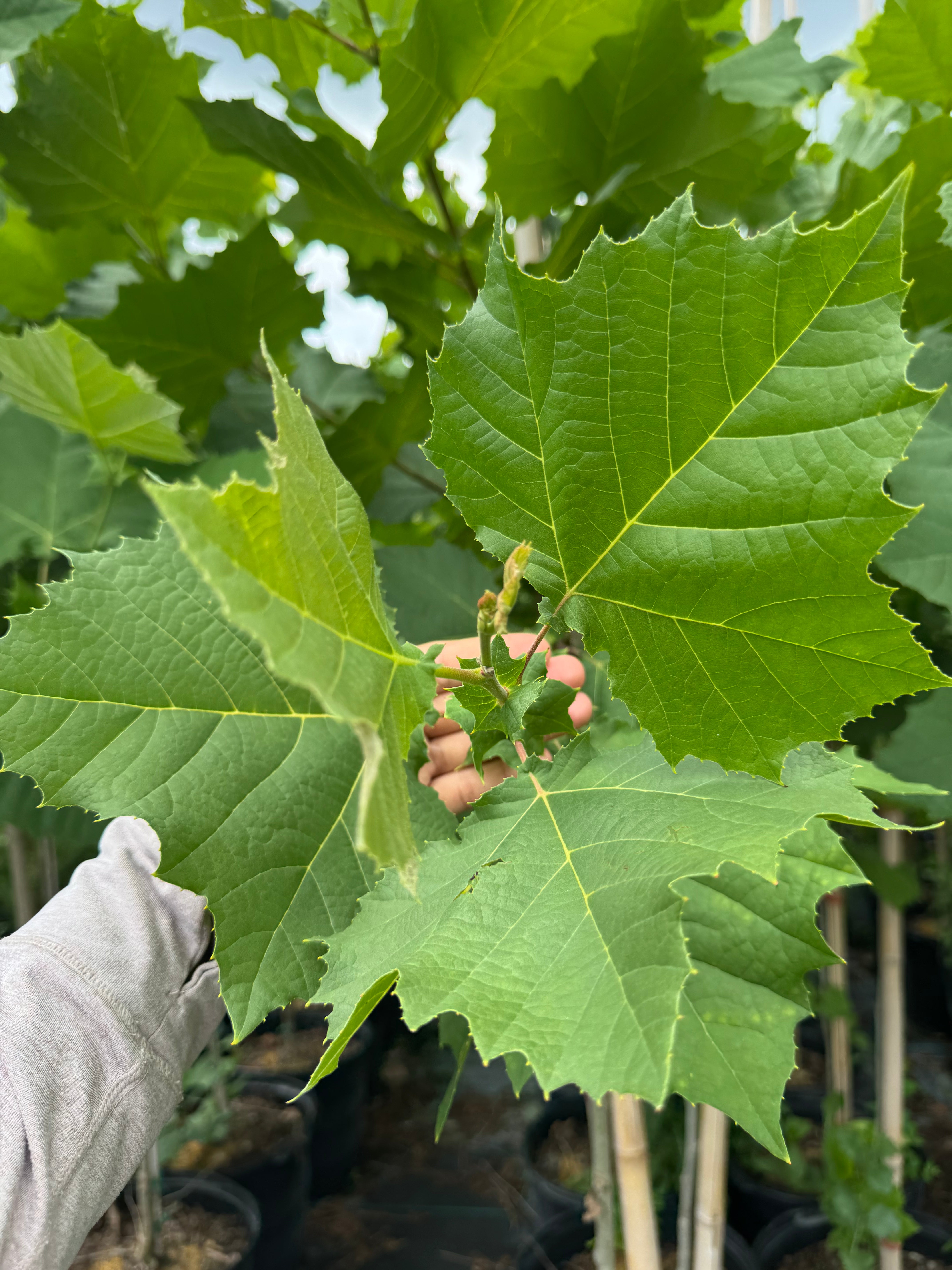
🌳 American Sycamore (Platanus occidentalis) Planting & Care Guide
🌱 Planting
• Dig a hole 2–3 times wider than the root ball and equal depth.
• Set the tree so the top of the root ball is slightly above grade.
• Backfill with native soil and water thoroughly.
• Apply 2–3 inches of mulch (keep mulch away from trunk).
💧 Watering
• First 2–3 months: Water 2–3 times per week.
• Establishment period (up to 1 year): Water once weekly.
• Once established, prefers consistent moisture but tolerates occasional wet soil.
🌾 Soil
• Prefers moist, well-drained soil.
• Highly adaptable to clay, sandy, or loamy soils.
• Tolerates periodic wet conditions and flood-prone areas.
☀️ Sun Requirements
• Requires full sun.
• Needs 6+ hours of direct sunlight daily for best growth.
🌿 Fertilizer
• Typically not necessary once established.
• If desired, apply a balanced slow-release fertilizer in early spring.
✂️ Pruning
• Prune during winter dormancy.
• Remove dead, weak, or crossing branches.
• Avoid heavy pruning during active growth.
🌲 Characteristics
• Large native shade tree with distinctive mottled bark
• Broad spreading canopy ideal for shade
• Growth rate: Fast
• Mature height: 75–100 ft+
• Zone: 4–9
🌎 Additional Info
• Excellent shade tree for large properties and parks
• Provides shelter and habitat for wildlife 🐦
• Tolerates urban conditions and periodic flooding
• Best suited for open landscapes with ample space
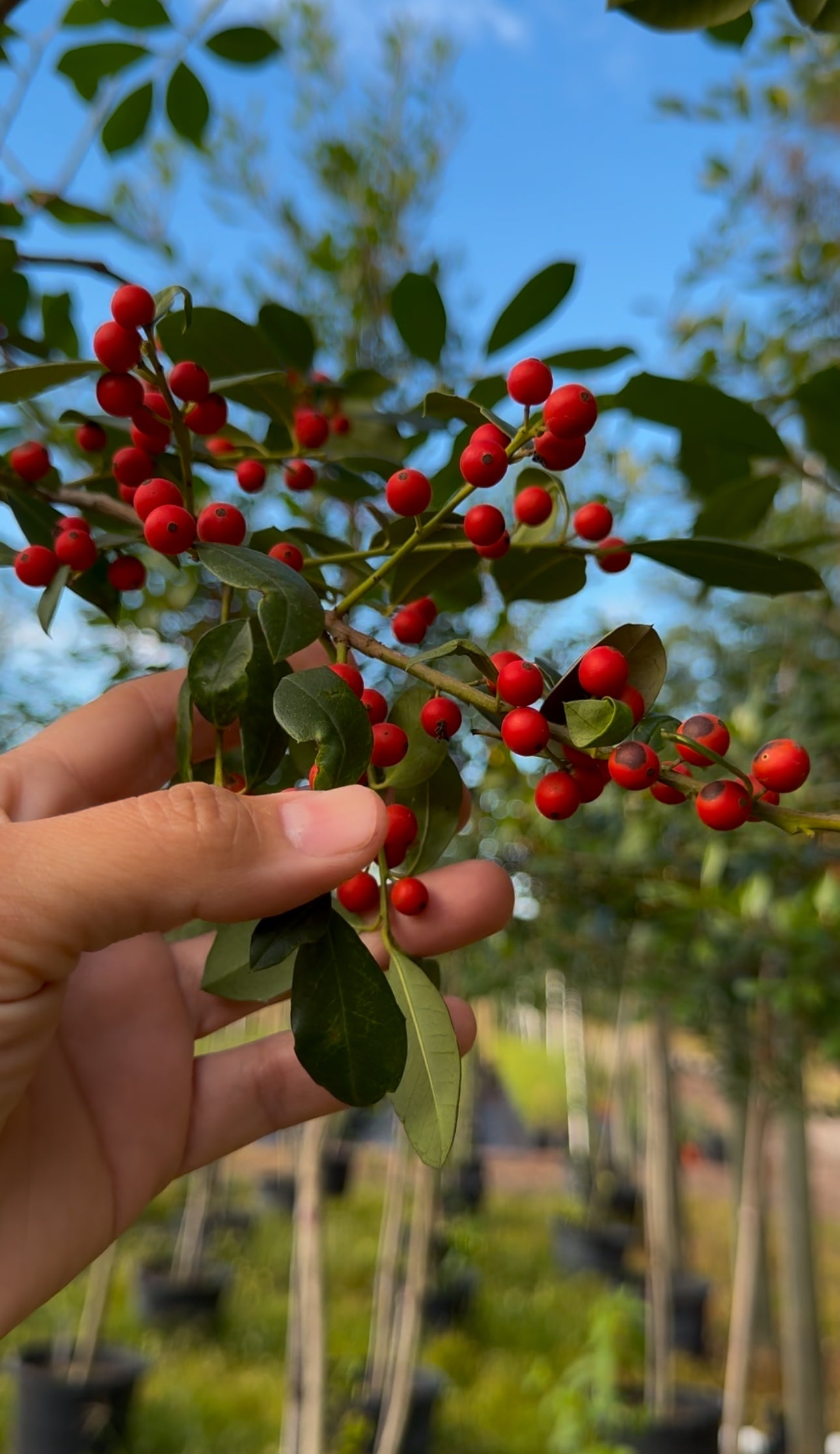
🌿 Eagleston Holly (Ilex × attenuata ‘Eagleston’) Planting & Care Guide
🌱 Planting
• Dig a hole 2–3 times wider than the root ball and equal depth.
• Set the plant so the top of the root ball is slightly above grade.
• Backfill with native soil and water thoroughly.
• Apply 2–3 inches of mulch (keep mulch away from trunk).
💧 Watering
• First 2–3 months: Water 2–3 times per week.
• Establishment period (up to 1 year): Water once weekly.
• Once established, water during extended dry periods.
🌾 Soil
• Prefers well-drained soil.
• Adaptable to sandy, loamy, or clay soils.
• Performs well in typical Florida soils.
☀️ Sun Requirements
• Grows best in full sun to partial shade.
• Needs 4–6 hours of sunlight daily.
🌿 Fertilizer
• Apply a slow-release fertilizer for hollies in early spring.
• Avoid excessive fertilization.
✂️ Pruning
• Low maintenance with naturally strong form.
• Light pruning may be done to shape as needed.
• Best pruned in late winter before new growth begins.
🌲 Characteristics
• Evergreen tree with glossy dark green leaves
• Produces bright red berries that attract birds 🐦
• Growth rate: Moderate
• Mature height: 15–25 ft+
• Zone: 6–9
🌎 Additional Info
• Excellent for privacy screens, hedges, and specimen planting
• Provides year-round greenery
• Highly adaptable to urban landscapes
• Drought tolerant once established
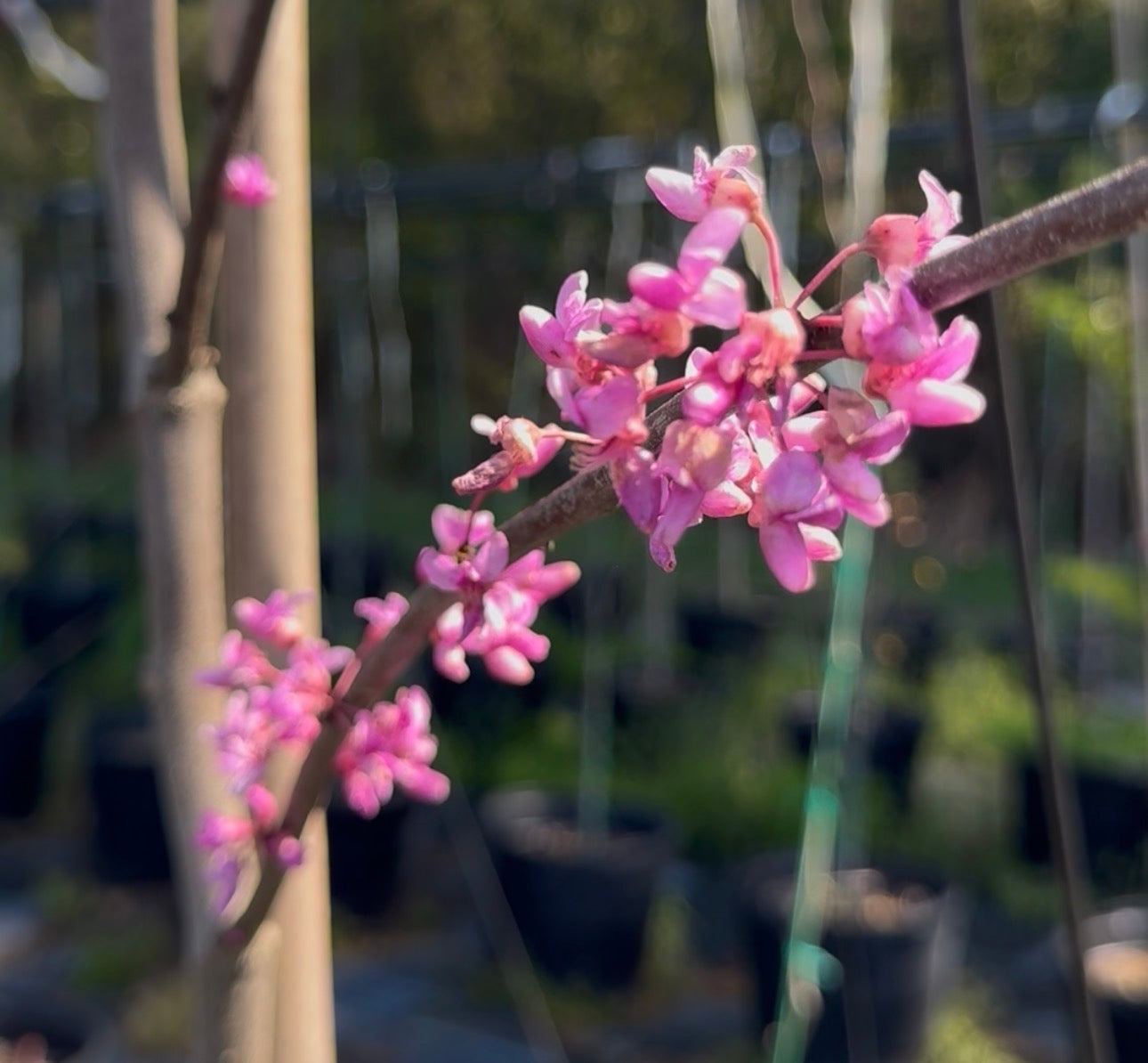
🌸 Eastern Redbud (Cercis canadensis) Planting & Care Guide
🌱 Planting
• Dig a hole 2–3 times wider than the root ball and equal depth.
• Set the tree so the top of the root ball is slightly above grade.
• Backfill with native soil and water thoroughly.
• Apply 2–3 inches of mulch (keep mulch away from trunk).
💧 Watering
• First 2–3 months: Water 2–3 times per week.
• Establishment period (up to 1 year): Water once weekly.
• Once established, water during extended dry periods.
🌾 Soil
• Prefers well-drained soil.
• Adaptable to sandy, loamy, or clay soils.
• Avoid consistently waterlogged areas.
☀️ Sun Requirements
• Grows best in full sun to partial shade.
• Needs 4–6 hours of sunlight daily.
🌿 Fertilizer
• Typically not required.
• If desired, apply a balanced slow-release fertilizer in early spring.
✂️ Pruning
• Prune after flowering.
• Remove dead or weak branches.
• Maintain natural shape with light pruning as needed.
🌲 Characteristics
• Small ornamental tree with vibrant pink-purple spring flowers
• Attractive heart-shaped leaves
• Growth rate: Moderate
• Mature height: 20–30 ft+
• Zone: 6–9
🌎 Additional Info
• Excellent ornamental tree for residential landscapes
• Highly attractive to pollinators 🐝🦋
• Adds seasonal color to gardens
• Ideal accent tree for yards and landscape beds
For more details, visit the Flowing Well Tree Farm product page.