🌿 Cold-Hardy Native Fruit Tree | Unique Tropical Flavor | Seed-Grown for Genetic Diversity
🚚 Shipping Update: Orders will ship in September due to high summer temperatures to ensure your Pawpaw trees arrive healthy, strong, and ready to establish.
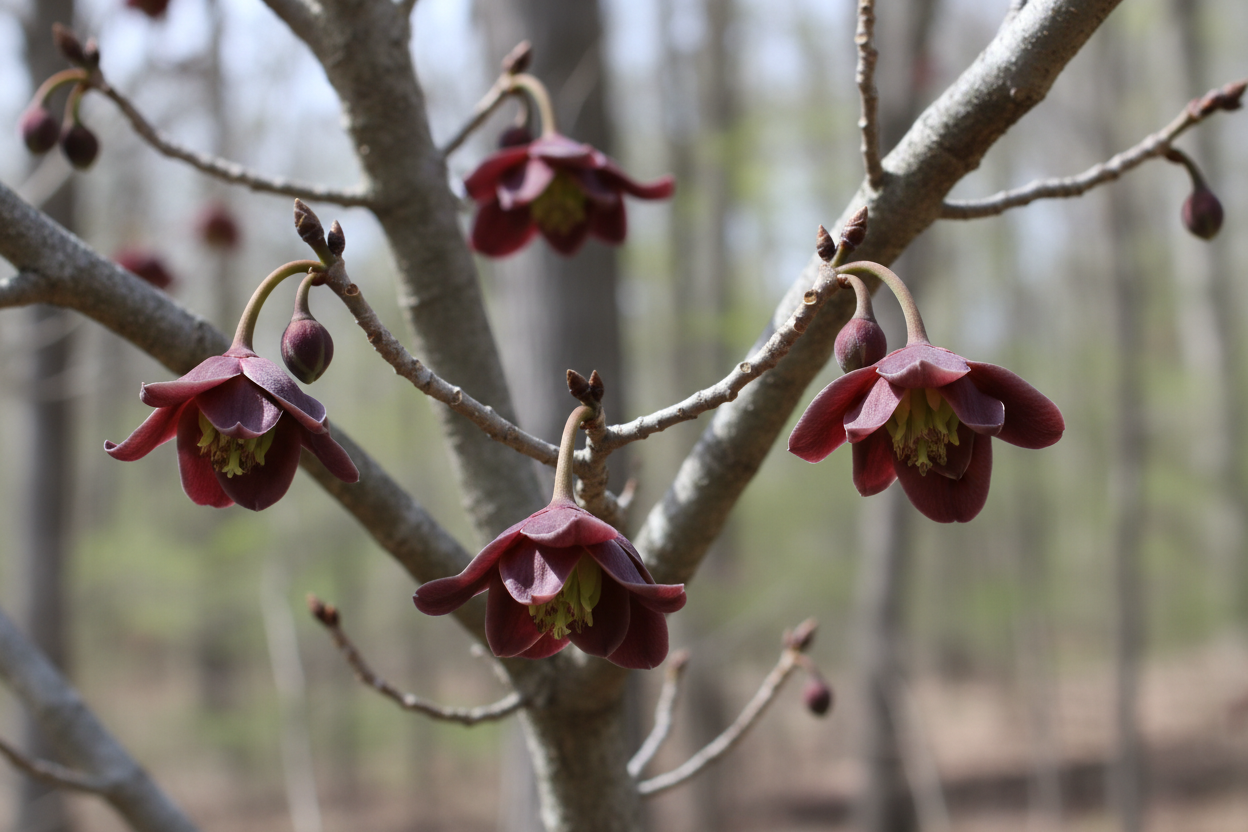
The Pawpaw is North America’s largest native edible fruit tree, producing creamy, custard-like fruit with a tropical flavor often described as a blend of banana, mango, and melon.
Grown from seed for strong genetic diversity, each tree is unique—and with proper care, may begin producing fruit in as little as 4–6 years. A standout choice for food forests, native landscapes, and backyard orchards.
🌟 Why You’ll Love Pawpaw
🍌 Tropical Flavor, Native Roots
Delicious, custard-textured fruit with an exotic taste profile—yet fully native to North America.
🌿 Seed-Grown for Strong Genetics
Each tree is genetically unique, improving resilience and long-term adaptability.
❄️ Cold-Hardy & Adaptable
Thrives across USDA Zones 5–9, making it one of the most cold-hardy fruiting trees available.
🌳 Rare & Rewarding
A unique conversation-piece tree that combines beauty, shade, and edible harvests.
🌱 Growing Information
USDA Zones: 5–9
Light: Partial shade preferred when young; 6+ hours sun at maturity improves fruit production
💧 Watering Needs
- Keep soil consistently moist during the first 1–2 years
- Avoid waterlogging
- Mature trees are moderately drought-tolerant but produce best with even moisture
🌿 Soil Requirements
- Rich, well-drained, slightly acidic soil
- Loamy soil with high organic matter is ideal
- Avoid compact clay or dry sandy soils without amendments
🌱 Planting Instructions
- Dig a hole twice as wide as the root ball and equal in depth
- Amend soil with compost or organic matter for improved structure
- Plant at the same depth as the container
- Water deeply after planting
- Apply 2–3 inches of mulch, keeping it away from the trunk
- Provide light shade for young trees during the first year if possible
🌿 Fertilizer
- Apply balanced slow-release fertilizer (10-10-10) in early spring
- Avoid high nitrogen, which promotes leaves over fruit
- Compost can be used as a natural soil booster
✂️ Pruning & Care
- Minimal pruning required
- Remove suckers and crossing branches in late winter
- Naturally forms a pyramidal, attractive shape
✨ A rare native fruit tree that’s both beautiful and productive—perfect for gardeners seeking something truly unique, delicious, and American-grown.
📄 Download PDF Here